


 معاينة الحجم الحقيقي
 مشاركة
 مشاركة
 التفاصيل
 الدليل

 تحميل الملف
 قطع مشابهة
 الأشعة السينية
 عرض شرائح
 الإحصائيات
Four Trees
 أكريليك على كانفاس
- لوحات جدارية
- Expressionism
 1917
1917- العصر الحديث
 110.0 x 141.0 cm
 المتحف النمساوي بيليفيري
Egon Leo Adolf Ludwig Schiele (German: [ˈeːɡɔn ˈʃiːlə] ; 12 June 1890 – 31 October 1918) was an Austrian Expressionist painter. His work is noted for its intensity and its raw sexuality, and for the many self-portraits the artist produced, including nude self-portraits. The twisted body shapes and the expressive line that characterize Schiele's paintings and drawings mark
 عرض المزيد
اكتشف عالم إغون شيلي، الرائد التعبيري النمساوي! لوحاته الصادمة والمؤثرة تستكشف موضوعات الموت، والعزلة، والوجود الإنساني بأسلوب فريد. استمتع بنسخ يدوية رائعة لأعماله!
طباعة جيلي / مطبوعات فنية
طباعة جيكلي أو كانفاس بجودة المتاحف، مع سرعة في التنفيذ وخيارات متنوعة للتشطيب. ( اشترِ لوحة مرسومة يدويًا الانتقال إلى الصورة الرقمية)




P118B $10

P118H $10

P118W $10

P438Z $10

P508JH $12

P508YH $12

P805H $10

P805Z $10

P919BZ $10

P919G $10

P919XJ $10

P959ZH $10

P968JZ $12

W106C $8

W218G $10

W218JH $8

W218Y $10

W307PJ $10

W316G $10

W316PJ $8

W316Y $10

W398PJ $8

W4111J $10

W500HY $15

W500JH $15

W692G $12

W849H $8

W940BG $15

W953PJ $8




قياسي
حسب الطلب
CM
INCH
اختر من بين أحجامنا المُعدّة مسبقًا والتي تتطابق مع النسب الأصلية للعمل الفني.
Loading sizes...

العرض
الارتفاع
يمكنك إدخال أبعادك الخاصة لتناسب إطاراً أو مساحة معينة. وإذا لم يتطابق الحجم الذي اخترته مع نسب الصورة الأصلية، فسنقوم إما بقص العمل الفني أو تمديد الصورة باستخدام حافة معكوسة أو بلون مصمت. سيتم إرسال نموذج تجريبي رقمي لاعتمادك قبل بدء الإنتاج.
يرجى ملاحظة أن المعاينة على الشاشة لا تعكس عملية القص أو التمديد الفعلية؛ حيث سيوضح النموذج التجريبي فقط التكوين النهائي بدقة.
وعلى الرغم من توفر أحجام مخصصة، إلا أننا نوصي باختيار أبعاد من القائمة المحددة مسبقاً للحفاظ على النسب الأصلية.
توصيل عالمي إلى خلال أسبوعين بدلاً من المدة القياسية البالغة 4/5 أسابيع. 23 سبتمبر

شحن سريع ومجاني لجميع أنحاء العالم

قماش كتان عالي الجودة

تأمين شحن شامل

ضمان استرداد الرسوم الجمركية

ضمان مطابقة الألوان الحقيقية

سياسة الإرجاع خلال 100 يوم (في حالات العيوب فقط)

ضمان استرداد نقدي بنسبة 100%

خصم عند طلب عدة قطع
 خيار الزجاج متاح فقط للمقاسات التي تقل عن 110 سم

Four Trees
طباعة جيلي / مطبوعات فنية
مقاس النسخة المطبوعة
-


السعر الإجمالي النهائي
$ 69
Four Trees – A Symphony of Expressionism and Art Nouveau
Egon Schiele’s Four Trees (1917) stands as a cornerstone of Austrian Expressionism and embodies the stylistic fusion that defined its era. Housed at the Österreichische Galerie Belvedere in Vienna, Austria, this monumental oil on canvas—measuring 110 x 141 cm—captures not merely a landscape but an emotional response to it.
The Artistic Context: Vienna’s Avant-Garde Spirit
Vienna at the turn of the century was ablaze with artistic innovation. Movements like Expressionism and Art Nouveau wrestled for dominance, challenging academic conventions and prioritizing subjective experience. Schiele, deeply influenced by these currents, channeled his anxieties and passions into his art, creating images that resonate with visceral intensity. Four Trees exemplifies this spirit—a deliberate departure from traditional landscape painting.
Symbolism Within the Frame: Trees as Societal Representations
The trees depicted in Four Trees are far more than mere botanical subjects; they serve as potent symbols reflecting Schiele’s philosophical concerns. The trees on the exterior—robust and verdant—represent society's healthy members, while those nestled within—smaller, paler, and bearing signs of decay—symbolize individuals grappling with internal struggles. This duality underscores Schiele’s belief that true beauty resides in confronting uncomfortable truths.
Technique and Style: Bold Lines and Vibrant Color
Schiele's distinctive style is immediately recognizable through his masterful use of line and color. The painting utilizes thick, expressive brushstrokes—characteristic of Expressionism—to convey dynamism and energy. He employs a palette dominated by earthy browns and greens juxtaposed against striking hues of orange and red in the sky—a deliberate choice that amplifies the emotional impact of the scene. These bold colors aren’t merely decorative; they are integral to conveying Schiele's profound engagement with nature and his ability to translate psychological states into visual form.
Legacy and Resonance: An Icon of Modern Art
Egon Schiele’s influence extends far beyond the confines of Vienna, establishing him as a pivotal figure in modern art—particularly Expressionism. Expressionism on Wikipedia and Art Nouveau on Wikipedia continue to illuminate the artistic landscape, demonstrating Schiele’s enduring relevance as an artist who dared to confront darkness with unflinching honesty. Reproductions of Four Trees offer a glimpse into this extraordinary artistic vision.
السيرة الذاتية للفنان
حياة صيغت بالتعبير
وُلد إغون شيله عام 1890 في بلدة تولن آن دير دوناو النمساوية، وكانت حياته رحلة عاصفة اتسمت برؤية فنية استثنائية ومعاناة شخصية عميقة في آن واحد. خيمت ظلال المرض والفقد على سنواته الأولى؛ حيث فقد والده بعد صراعه مع مرض الزهري عندما كان إغون في الرابعة عشرة من عمره فقط، وهي مأساة ترددت أصداؤها بعمق في أعماله، مما غذى هوسه بالموت وهشاشة الوجود. نشأ في البداية تحت رعاية والدته، ثم تحت وصاية عمه ليوبولد تسيهاتشيك التي كانت تتسم ببعض السيطرة، فافتقرت طفولة شيله إلى الاستقرار التقليدي لكنها ولّدت روحاً مستقلة بشدة. حتى وهو صبي، أظهر شغفاً مكثفاً بالقطارات—وهو عنصر ظهر ببراعة في لوحاته اللاحقة—وموهبة ناشئة في الرسم، رغم أن هذا الشغف قوبل في البداية برفض والده الذي رآه تشتيتاً عن المساعي الأكثر عملية. كما ألقت الوفاة المبكرة لأخته إلفيرا بظلال طويلة على نفسية الفنان الشاب. هذه التجارزم التكوينية غرست فيه حساسية وخشونة عاطفية أصبحت سمات مميزة لتعبيره الفني، وصراعاً مستمراً مع موضوعات الحياة والموت والشرط الإنساني.
بوتقة فيينا: التطور الفني
بدأ تدريب شيله الفني الرسمي في مدرسة الفنون والحرف (Kunstgewerbeschule) في فيينا، لكنه سرعان ما وجد نفسه مقيداً بنهجها المحافظ. انتقل بعد ذلك إلى أكاديمية الفنون الجمعة (Akademie der bildenden Künste)، ليزداد شعوره بخيبة الأمل تجاه تقاليدها الأكاديمية الصارمة. قاده هذا الاستياء إلى التخلي عن التدريب الرسمي تماماً، واختار بدلاً من ذلك شق طريقه الخاص، في شهادة على قناعته الفنية الراسخة. كان تأثير غوستاف كليمت محورياً خلال هذه السنوات الأولى؛ فقد أعجب شيله بأسلوب كليمت الزخرفي واستكشافه للرمزية، بل وتلقى الإرشاد من هذا الفنان المرموق. ومع ذلك، سرعان ما ابتعد شيله عن جماليات كليمت، مطوراً صوتاً فردياً متميزاً يتسم بالصدق الصادم والحدة النفسية. شارك في تأسيس مجموعة فيينا الجديدة للفنون (Neues Wiener Kunstgruppe) عام 1909، منضوياً تحت لواء فنانين تقدميين آخرين تحدوا المعايير الفنية السائدة. بدأت أعماله الأولى، التي كانت غالباً بورتريهات وصوراً ذاتية مثيرة للقلق، تبرز كبيانات قوية عن الاضطراب العاطفي، مبرزةً أشكالاً مشوهة وإحساساً ملموساً بالضعف. لم تكن هذه اللوحات مجرد تمثيلات للشكل المادي، بل كانت استكشافات للمشهد الداخلي—للقلق والرغبات والمخاوف التي تطارد النفس البشرية. لقد سعى لتصوير ليس ما *رآه*، بل ما *شعر به*.
العاطفة الخام والحقيقة الجلية
يمكن التعرف على فن إغون شيله على الفور بفضل صدقه الخام وعمقه النفسي. فقد واجه بلا خوف موضوعات كانت تُعتبر غالباً من المحرمات—الجنس، الموت، القلق، والعزلة—بنظرة لا تعرف التراجع. يتميز أسلوبه الفريد بأشكال مستطيلة، ووضعيات ملتوية، وخطوط تعبيرية تنقل إحساساً بعدم الارتياح والحدة العاطفية. أصبح الشكل البشري، وخاصة العري، موضوعه الأساسي، ليس كعنصر للجمال المثالي بل كوسيلة لاستكشاف تعقيدات التجربة الإنسانية. وتشكل الصور الذاتية جزءاً كبيراً من نتاجه الفني، حيث تقدم لمحات حميمة عن عالمه الداخلي—العالم الذي اتسم غالباً بالوحدة والشك في الذات. لم يتردد في تصوير نفسه في وضعيات غير جذابة أو ضعيفة، كاشفاً عن مستوى عميق من الوعي الذاتي والتأمل الباطني. وإلى جانب الصور الذاتية، رسم شيله العديد من البورتريهات للآخرين، ملتقطاً ملامحهم بواقعية مقلقة يبدو أنها تخترق السطح. ورغم أن لوحاته الطبيعية كانت أقل مركزية في أعماله مقارنة بلوحاته التشخيصية، إلا أنها تظهر براعته في الشكل واللون، وغالباً ما تعكس نفس الحدة العاطفية الموجودة في بورتريهاته. ويعد استخدام الخط لافتاً بشكل خاص في أعمال شيله؛ فهو ليس مجرد أداة لتحديد الشكل بل قوة تعبيرية تنقل العاطفة والتوتر النفسي. كما أن الرموز المتكررة مثل نبات الفيزاليس—الذي يرمز للموت والزوال بغلافه الورقي الرقيق—تؤكد بشكل أكبر على هذا الانشغال بالموت.
إرث انقطع فجأة: الإنجازات والأهمية
على الرغم من مواجهته للرقابة والتحديات القانونية—بما في ذلك السجن لفترة قصيرة بتهمة إفساد القاصرين بفنه—نال شيله الاعتراف داخل دوائر الطليعة في فيينا. تحدت أعماله تقاليد عصره، مما أثار الإعجاب والاستياء في آن واحد. وبحلول وقت وفاته المبكر أثناء جائحة الإنفلونزا الإسبانية عام 1918 عن عمر ناهز ثمانية وعشرين عاماً، كان قد رسخ مكانته كشخصية رائدة في التعبيرية النمساوية. وتقف أعمال هامة مثل بورتريه ذاتي مع الفيزاليس، وزوج يحتضنان بعضهما، ومنظر طبيعي للحقل (كروزيبرج بالقرب من كروماو) كشواهد على عبقريته الفنية. إن تأثيره على الأجيال اللاحقة من الفنانين أمر لا يمكن إنكاره، خاصة أولئك المهتمين باستكشاف الموضوعات النفسية وتحدي المعايير الفنية التقليدية. ولا يزال نهج شيله الجريء في الشكل والموضوع يتردد صداه لدى الجمهور اليوم، مما يجعله أحد أهم الشخصيات وأكثرها تأثيراً في فن أوائل القرن العشرين. وتوجد لوحاته الآن في مجموعات المتاحف الكبرى حول العالم، بما في ذلك متحف ليوبولد في فيينا ومركز إغون شيله للفنون في تشيسكي كروملوف، مما يضمن استمرار إرثه الفني. لقد ترك وراءه نتاجاً فنياً ليس جذاباً جمالياً فحسب، بل هو إنساني بعمق—شهادة على قدرة الفن على مواجهة تعقيدات الوجود بالصدق والشجاعة والرؤية الثابتة.
- الموضوعات الرئيسية: الموت، الجنس، العزلة، الاضطراب النفسي.
- التأثيرات: غوستاف كليمت، الانفصال الفييناوي، الصدمات الشخصية.
- خصائص الأسلوب: أشكال مستطيلة، وضعيات ملتوية، خطوط تعبيرية، عاطفة خام.

إغون شيله
1890 - 1918 , أوٽرېڊېش
حقائق سريعة
- Artistic Movement Or Style: التعبيرية الفنية
- Artists Who Influenced This Artist:
- غُسْتَاف كْلِمْت
- مُعَلِّمٌ أَوْسْتْرِيَانِي
- Date Of Birth: ١٢ يونيو ١٨٩٠
- Date Of Death: ٣١ أكتوبر ١٩١٨
- Full Name: إِغُون شَيْلَة
- Nationality: أَوْسْتْرِيَانِي
- Notable Artworks: ['إِطْيَارَةٌ بِالْجِسْمَانِ وَالرُّوحِ"، "زَوْجٌ يَتَّضَمُّ"، "لَهَبَةُ الْأَرْضِ تَكْرِيمًا لِلْقُرْبَةِ']
- Place Of Birth: تۇلْن، أَوْسْتْرِيَا
مقالات ذات صلة

Arboreal Echoes: A Historical & Artistic Exploration of Trees in Painting
Explore the rich history of trees in painting! Discover symbolism, Romantic masterpieces by Caspar David Friedrich & beyond. A curated journey for art enthusiasts.
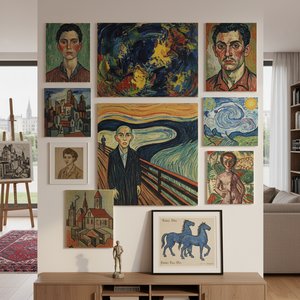
أعلى 10 روائع تعرّف على حركة التعبيرية الفنية | TopImpressionists
اكتشف روائع التعبيرية الفنية! استكشف 10 لوحات أيقونية مع فان جوخ وموش، وأكثر. تعرف على تاريخ الفن، أساليب الفنانين، وابتكر ديكورًا فريدًا. احصل على إعادة إنتاج عالية الجودة من TopImpressionists.com.

أعمال إيغون شيلي الخالدة: 25 تحفة فنية آسرة لتزيين منزلك
اكتشف 25 تحفة فنية لإيغون شيلي، رائد التعبيرية النمساوية. استكشف قصص لوحاته المؤثرة وتقنياته الفريدة وألوانه العاطفية. احصل على إعادة إنتاج عالية الجودة لديكور منزلك الفاخر على TopImpressionists.com

Arboreal Echoes: A Historical & Artistic Exploration of Trees in Painting
Explore the rich history of trees in painting! Discover symbolism, Romantic masterpieces by Caspar David Friedrich & beyond. A curated journey for art enthusiasts.

Egon Schiele: Expressionism, Anxiety & the Modern Condition – A Comprehensive Exploration
Explore the emotionally charged world of Egon Schiele (1890-1918). Discover his Expressionist masterpieces, psychological themes, and lasting impact on modern art. A comprehensive guide for collectors & enthusiasts.
استكشف الأعمال الفنية المصنفة حسب الموضوعات والأنماط والخصائص.


