


 معاينة الحجم الواقعي
 إرسال
إرسال مشاركة
 عرض التفاصيل
 دليل الأعمال الفنية للطلاب

 تحميل
تحميل
 قطع مشابهة
 الأشعة السينية
 عرض شرائح متتابع
 الإحصائيات
The Modena Triptych (front panels)
 Acrylic On Canvas
- WallArt
- Expressionistic Mannerism
 1568
1568 37.0 x 23.0 cm
 Galleria Estense
Discover El Greco's 'The Modena Triptych' (front panels) – a masterpiece of dramatic storytelling and vibrant color from 1568, now available as a stunning hand-painted reproduction.
 اقرأ المزيد
إل غريكو، رسام إسباني أيقوني يمزج بين التأثيرات البيزنطية والإيطالية. اشتهر بأعماله الدينية الدرامية ذات الأشكال الممدودة والألوان الزاهية، مثل "دفن كونت أورغاس" و"منظر طليولة". رائد في التعبيرية والتكعيبية.
طباعة جيلي / مطبوعات فنية
طباعة جيكلي أو كانفاس بجودة المتاحف، مع سرعة في التنفيذ وخيارات متنوعة للتشطيب. ( اطلب نسخة مرسومة يدويًا التحويل إلى الصورة الرقمية)




P118B E£10

P118H E£10

P118W E£10

P438Z E£10

P508JH E£12

P508YH E£12

P805H E£10

P805Z E£10

P919BZ E£10

P919G E£10

P919XJ E£10

P959ZH E£10

P968JZ E£12

W106C E£8

W218G E£10

W218JH E£8

W218Y E£10

W307PJ E£10

W316G E£10

W316PJ E£8

W316Y E£10

W398PJ E£8

W4111J E£10

W500HY E£15

W500JH E£15

W692G E£12

W849H E£8

W940BG E£15

W953PJ E£8




مقاس قياسي
مخصص
CM
INCH
اختر من بين أحجامنا المُعدّة مسبقاً والتي تتوافق مع النسب الأصلية للعمل الفني.
Loading sizes...

العرض
الارتفاع
أدخل العرض والارتفاع اللذين تحتاجهما، ليتناسب مع إطارك أو جدارك. يمكن قص المطبوعة فقط، ولا يمكن أبداً جعلها أكبر من الصورة الأصلية، لذا فإن أي مقاس بشكل مختلف سيؤدي إلى فقدان جزء من الصورة. سنرسل لك نموذجاً رقمياً تجريبياً لاعتماده قبل البدء في عملية الطباعة. الصورة المعروضة في هذه الصفحة لا توضح القص الفعلي — النموذج التجريبي فقط هو ما يظهر ذلك.
توصيل عالمي إلى خلال أسبوعين بدلاً من المدة القياسية البالغة 4/5 أسابيع. (24 أكتوبر)

شحن سريع ومجاني لجميع أنحاء العالم

قماش كتان فاخر

تأمين شامل على الشحن

ضمان استرداد الرسوم الجمركية

ضمان دقة مطابقة الألوان

سياسة الإرجاع خلال 100 يوم (في حالات العيوب فقط)

ضمان استرداد نقدي بنسبة 100%

عرض خصم الكميات
 خيار الزجاج متاح فقط للمقاسات التي تقل عن 110 سم

The Modena Triptych (front panels)
طباعة جيلي / مطبوعات فنية
مقاس النسخة المطبوعة
-


إجمالي السعر
E£ 3566
The Modena Triptych: A Glimpse into El Greco’s Soul
The Modena Triptych, created in 1568 by the visionary artist Doménikos Theotokopoulos – better known as El Greco – stands as a pivotal work in his artistic journey. More than just a religious depiction, it's a profound exploration of faith, humanity, and the burgeoning Expressionist currents that would later define European art. Housed within the Galleria Estense in Modena, Italy, this tempera painting offers a rare window into El Greco’s unique synthesis of Byzantine tradition, Venetian influence, and his own intensely personal vision. The triptych's three panels – each meticulously rendered with vibrant colors and dramatic lighting – tell layered stories, inviting contemplation on themes of salvation, earthly struggles, and the divine presence within the human experience.
El Greco’s early training in Crete instilled a deep reverence for Byzantine iconography, evident in the meticulous detail and stylized figures. However, his time in Venice exposed him to the dynamism of the Venetian Renaissance, particularly the works of Titian and Tintoretto, which he skillfully integrated into his own style. This fusion is strikingly apparent in the Modena Triptych: the formal rigor of Byzantine painting coexists with a heightened sense of drama, elongated forms, and an emotional intensity that foreshadows the expressive power of later movements. The use of tempera paint – known for its luminous quality and slow drying time – allowed El Greco to build up layers of color and create subtle gradations of light and shadow, contributing significantly to the painting’s ethereal atmosphere.
Panel Breakdown: Narratives of Faith and Humanity
The triptych unfolds as a series of interconnected narratives. The central panel depicts the Adoration of the Shepherds, a scene brimming with symbolic weight. A Christian knight, resplendent in armor, is crowned by Christ – an image laden with meaning representing divine grace and earthly triumph. Below, the shepherds kneel in adoration, their faces etched with reverence. To either side are scenes from the Baptism of Jesus and the Adoration of the Magi, further reinforcing the central theme of salvation through faith. The back panels offer a contrasting perspective, showcasing biblical events such as the Annunciation to Mary, the revelation at Mount Sinai, and the creation of Adam and Eve. These scenes, rendered with a similar level of detail and emotional intensity, underscore the enduring struggle between good and evil, obedience and rebellion, within the human story.
Notably, El Greco’s compositional choices are deliberate and impactful. The figures are elongated and often appear to be caught in moments of intense emotion – a characteristic that would become synonymous with his style. He employs dramatic diagonals and swirling drapery to create a sense of movement and dynamism, drawing the viewer's eye through the complex arrangement of figures and objects. The use of color is equally striking; vibrant reds, blues, and golds dominate the palette, creating a visually arresting effect that amplifies the emotional impact of each scene.
Symbolism and El Greco’s Vision
Beyond their literal depictions, the scenes in the Modena Triptych are rich in symbolism. The presence of Saint Catherine, with her wheel – a potent symbol of martyrdom and devotion – is particularly significant. Her inclusion suggests a connection to El Greco's Cretan roots and his deep faith. The recurring motif of light, often associated with divine illumination, permeates the entire triptych, guiding the viewer’s eye and reinforcing the central theme of spiritual enlightenment. El Greco wasn’t simply illustrating biblical stories; he was attempting to convey a profound emotional experience – a glimpse into the soul of humanity and its relationship with the divine.
The Modena Triptych represents a crucial stage in El Greco's artistic development, bridging the gap between his Byzantine training and his later, more individualistic style. It’s a testament to his ability to synthesize diverse influences – religious iconography, Venetian painting, and his own deeply personal vision – into a uniquely powerful and emotionally resonant work of art. Today, reproductions of this masterpiece offer an accessible way to appreciate the genius of El Greco and experience the enduring power of his artistic legacy.
الأسئلة والأجوبة
ما هي التقنية المستخدمة في "The Modena Triptych (front panels)"، ومتى تم إنجازها؟
أُنجزت لوحة "The Modena Triptych (front panels)" في عام 1568، باستخدام Acrylic On Canvas.
من أين يأتي زوار "The Modena Triptych (front panels)" للفنان إل غريكو؟
تعرض صفحة الإحصائيات الخاصة بـ "The Modena Triptych (front panels)" للفنان إل غريكو إحصائيات الزيارات العامة: عدد الزيارات الشهرية لهذا العمل الفني، ومقارنةً مع أكثر أعمال الفنان مشاهدةً، بالإضافة إلى المناطق التي يأتي منها الزوار.
ما هو الانطباع العام لـ "The Modena Triptych (front panels)" للفنان إل غريكو؟
تتمتع لوحة "The Modena Triptych (front panels)" بأجواء Dramatic.
نبذة عن الفنان
نشأة فنان فريد: دومينيكوس ثيوتوكوبولوس، المعروف بالإل غريكو
في قلب إسبانيا، وتحديدًا مدينة طليطلة، يتربع اسم "الإل غريكو" كأيقونة من أيقونات الفن الأوروبي. لم يكن هذا الفنان سوى دومينيكوس ثيوتوكوبولوس، المولود في جزيرة كريت اليونانية عام 1541، والذي ترك بصمة لا تمحى على عالم الرسم والنحت والعمارة. رحلة "الإل غريكو" الفنية هي قصة تحولات عميقة وتأثيرات متباينة، بدأت في بيئته الأم ذات الخلفية البيزنطية الغنية، ثم اتجهت نحو سحر البندقية وروعة روما، قبل أن تستقر أخيرًا في طليطلة الإسبانية، حيث بلغت ذروتها. لم يكن "الإل غريكو" مجرد فنان؛ كان مفكرًا روحانيًا، وشاعرًا بالألوان، ورائدًا لفن يعكس رؤيته الفريدة للعالم.من البندقية إلى طليطلة: رحلة التحول الفني
بعد أن تلقى "الإل غريكو" تعليمه الأولي في جزيرة كريت، انطلق نحو مدينة البندقية الإيطالية عام 1567، حيث انغمس في عالم الفن المزدهر. درس أساليب كبار الفنانين مثل تيتشين وتنتوريو وفيرونيز، واستلهم من إتقانهم للألوان والتكوينات والإضاءة الدرامية. هذه الفترة تركت بصمة واضحة على أعماله المبكرة، حيث نرى مزيجًا فريدًا من التأثيرات البيزنطية والنهضة الإيطالية. ثم انتقل إلى روما، لكنه لم يحظَ بالتقدير الذي كان يأمله فيه، مما دفعه إلى البحث عن فرص جديدة في إسبانيا. وفي عام 1577، استقر "الإل غريكو" في طليطلة، حيث وجد بيئة خصبة للإبداع والرعاية، خاصة مع ازدهار الحركة الدينية المضادة التي سادت تلك الفترة.أسلوب فني لا يشبه الآخر
يتميز أسلوب "الإل غريكو" بفرادته وتميزه، فهو يجمع بين عناصر متعددة لخلق رؤية فنية فريدة من نوعها. شخصياته غالبًا ما تكون ممدودة بشكل درامي، وأجسادهم ملتفة في أوضاع تعبر عن النشوة الروحية أو الألم العميق. هذا ليس مجرد أسلوب؛ بل هو محاولة لتصوير العالم الروحي والعواطف التي تتجاوز المظهر الخارجي. يستخدم "الإل غريكو" الألوان ببراعة، لا يلتزم بالألوان الواقعية، بل يستخدم ألوانًا زاهية وغريبة لتعزيز التأثير العاطفي للعمل الفني. كما يعتمد على الإضاءة الدرامية، مع تباينات حادة بين الضوء والظل، لخلق تأثير مسرحي يجذب المشاهد إلى قلب الحدث. يُعد عمله "الدفن البارق" (1586-1588) خير مثال على هذا الأسلوب الفريد، حيث يمزج بين الواقعية في تصوير الشخصيات المعاصرة والتشوهات الروحانية في تصوير القديسين الذين ينزلون لدفن النبيل الصالح.إرث فني وإعادة اكتشاف
على الرغم من النجاح الذي حققه "الإل غريكو" خلال حياته، إلا أن أعماله سقطت في نسيان طويل بعد وفاته عام 1614. لفترة طويلة، تم تجاهله من قبل المؤرخين الفنيين، واعتبر أسلوبه غريبًا وغير تقليدي. لكن في القرن العشرين، بدأ فنانون مثل بيكاسو وبراك تقدير عبقريته، ورأوا فيه مقدمة للحركات الفنية الحديثة، وخاصة التكعيبية والتعبيرية. اليوم، يحتل "الإل غريكو" مكانة مرموقة في تاريخ الفن الغربي، ويُعتبر فنانًا ذا رؤية استثنائية، ترك لنا أعمالًا خالدة تعكس عمق الروح الإنسانية وقدرتها على التجاوز.أعمال بارزة
- الدفن البارق: تحفة فنية لا تضاهيها تحفة أخرى، تجمع بين الواقعية والحدة الروحية.
- منظر طليطلة: لوحة درامية تصور المدينة في أجواء متغيرة، وتجسد جوهرها برؤية شبه نبوية.
- افتتاح الختام الخامس: جزء من سلسلة مستوحاة من سفر الرؤيا، تجسد رؤيته الكارثية وإتقانه للتكوينات الدرامية.
- القديس سيباستيان: تصوير قوي للقديس يمزج بين التفاصيل التشريحية والإضاءة المسرحية والحدة العاطفية.
- النزع عن المسيح: عمل مبكر يعكس تأثيرات البندقية واستخدامه المذهل للألوان والضوء.

إل غريكو
1541 - 1614 , اليونان
لمحة سريعة
- أعمال فنية بارزة:
- جنازة كونت أورجاز
- منظر توليدو
- الإسـبوليـو
- القديس مارتن والفقير
- الاسم الكامل: دومينيكوس تيوتوكوبولوس
- الجنسية: يوناني-إسباني
- الحركات الفنية المتأثرة:
- التعبيرية
- التكعيبية
- الحركة الفنية: المانيريزم، الباروك
- الفنانون المؤثرون:
- تيتيان
- تينتوريتو
- تاريخ الميلاد: 1 أكتوبر 1541
- مكان الميلاد: كريت، اليونان
مقالات ذات صلة

أروع 25 تحفة فنية في متحف برادو: رحلة عبر روائع الفن الإسباني والأوروبي
اكتشف أروع 25 لوحة فنية في متحف برادو بمدريد! رحلة آسرة مع روائع فيلاسكيز، غويا، إل جريكو وأكثر. قصص فنانين وتقنيات فريدة. احصل على نسخ عالية الجودة لديكور منزلك الفاخر على TopImpressionists.com

Mannerism Explained: The Dramatic Evolution of Renaissance Art and the Rise of El Greco
Explore the dramatic evolution of Mannerism from High Renaissance perfection to El Greco's spiritual intensity. Discover the history, techniques, and enduring legacy of this transformative era through an expert art-history lens.

El Greco: Spirituality, Style & Innovation – A Renaissance Master's Legacy
Explore the captivating world of El Greco! Discover his unique style, spiritual intensity, and lasting impact on art history. Learn about this Renaissance master's life, iconic paintings & legacy.
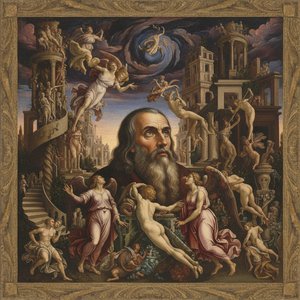
Mannerism Unveiled: The Dramatic Evolution of Renaissance Art and the Visionary Legacy of El Greco
Explore the dramatic transition from High Renaissance harmony to Mannerist tension. Discover how masters like El Greco redefined art through distortion and spiritual intensity. An expert guide for art enthusiasts seeking deep historical context and museum-quality inspiration.

أعمال إل جريكو الخالدة: 25 تحفة فنية تزين منزلك بجمال الأساطير
اكتشف 25 تحفة فنية لإل جريكو، رائد الفن الإسباني. استكشف قصص لوحاته الدينية والتاريخية الرائعة وأسلوبه الباروكي الفريد. احصل على نسخ عالية الجودة من أعمال إل جريكو لتزيين منزلك بأناقة وفخامة. اكتشف جميع الروائع على TopImpressionists.com
استكشف الأعمال الفنية المصنفة حسب الموضوعات والأنماط والخصائص.


