


 معاينة الحجم الواقعي
 إرسال
إرسال مشاركة
 عرض التفاصيل
 دليل الأعمال الفنية للطلاب

 تحميل
تحميل
 قطع مشابهة
 الأشعة السينية
 عرض شرائح متتابع
 الإحصائيات
Skaters


Emile Claus’s "Skaters" (1891) captures a serene winter scene of ice skaters and joyful moments – a beautiful Belgian landscape painting.
 اقرأ المزيد
اكتشف إميل كلاوس (1849-1924)، الرائد البلجيكي في حركة الانطباعية، والمعروف بمناظره الطبيعية المضيئة ومشاهد الحياة الريفية على طول نهر ليس. استكشف أعماله وأسلوبه الرائد في التلوين الضوئي!
نسخة زيتية مصنوعة يدوياً
لوحة زيتية مرسومة يدوياً على الكانفاس بالمقاس والإطار الذي تفضله، تُنفذ حسب الطلب على أيدي فنانينا. ( التبديل إلى المطبوعات التحويل إلى الصورة الرقمية)




P118B $10

P118H $10

P118W $10

P438Z $10

P508JH $12

P508YH $12

P805H $10

P805Z $10

P919BZ $10

P919G $10

P919XJ $10

P959ZH $10

P968JZ $12

W106C $8

W218G $10

W218JH $8

W218Y $10

W307PJ $10

W316G $10

W316PJ $8

W316Y $10

W398PJ $8

W4111J $10

W500HY $15

W500JH $15

W692G $12

W849H $8

W940BG $15

W953PJ $8




مقاس قياسي
مخصص
CM
INCH
اختر من بين أحجامنا المُعدّة مسبقاً والتي تتوافق مع النسب الأصلية للعمل الفني.
Loading sizes...

العرض
الارتفاع
يمكنك إدخال أبعاد خاصة لتناسب إطاراً أو مساحة معينة. وفي حال عدم تطابق الحجم المختار مع نسب الصورة الأصلية، سنقوم إما بقص العمل الفني أو توسيع اللوحة عبر إضافة عناصر مرسومة يدوياً. وسيتم إرسال نموذج رقمي إليك للموافقة عليه قبل بدء عملية الإنتاج.
يرجى ملاحظة أن المعاينة على الشاشة لا تعكس عملية القص أو التوسيع الفعلية؛ إذ إن النموذج الرقمي هو الوحيد الذي يوضح التكوين النهائي بدقة.
وعلى الرغم من توفر أحجام مخصصة، إلا أننا نوصي باختيار أبعاد من القائمة المحددة مسبقاً للحفاظ على النسب الأصلية للعمل الفني.
أمثلة على التعديلات الممكنة: استبدال الوجه بصورة العميل؛ إضافة حيوان أليف (مثل استبدال قطة بكلب)؛ تضمين رسالة مخفية في الخلفية؛ تغيير المناظر الطبيعية أو العناصر في الخلفية.
بعد إتمام الطلب، سيرسل فريق TopImpressionists.com بريداً إلكترونياً للعميل لطلب التعليمات وتزويده بمعاينة تجريبية (mockup).
بعد إتمام الطلب، سيرسل فريق TopImpressionists.com بريداً إلكترونياً للعميل لطلب التعليمات وتزويده بمعاينة تجريبية (mockup).
توصيل عالمي إلى خلال 3 إلى 4 أسابيع بدلاً من المدة المعتادة البالغة 5 أسابيع. (25 سبتمبر). جودة لا تهاون فيها.

شحن سريع ومجاني لجميع أنحاء العالم

قماش كتان فاخر

تأمين شامل على الشحن

ضمان استرداد الرسوم الجمركية

ضمان دقة مطابقة الألوان

سياسة الإرجاع خلال 100 يوم (في حالات العيوب فقط)

ضمان استرداد نقدي بنسبة 100%

عرض خصم الكميات
 خيار الزجاج متاح فقط للمقاسات التي تقل عن 110 سم

Skaters
وسيط إعادة الإنتاج
مقاس النسخة المطبوعة
-


إجمالي السعر
$ 269
Emile Claus’s “Skaters”: A Winter Symphony of Light and Leisure
Emile Claus's "Skaters," painted in 1891, is more than just a depiction of winter activity; it’s a masterful study in light, atmosphere, and the quiet beauty of everyday life. This evocative scene, brimming with a serene stillness, transports the viewer to a frozen landscape where leisure and connection intertwine. Claus, a pivotal figure in Belgian Luminism – a movement emphasizing luminous color and atmospheric effects – expertly captures the fleeting moment of winter’s magic, showcasing his profound understanding of how light interacts with the natural world.
A Window into Late 19th-Century Belgium
The painting emerges from a specific historical context: late 19th-century Belgium, a period of burgeoning artistic innovation and a renewed interest in landscape painting. Claus’s work reflects this trend, drawing inspiration from the Romantic movement's emphasis on emotion and nature while embracing the emerging influences of Impressionism. The scene itself is rooted in the River Lys region of West Flanders, where Claus spent his life, imbuing the artwork with a deep sense of regional identity and connection to the land. The presence of figures engaged in winter sports – skating – speaks to the leisure activities enjoyed by the upper classes during this era, offering a glimpse into their lives and social customs.
Technique and Style: Luminism in Action
Claus’s technique is characterized by his masterful use of light and color. Notice how he doesn't simply record the scene; he *illuminates* it. Broad brushstrokes, applied with a delicate touch, create a shimmering effect on the snow and ice, reflecting the rosy hues of the evening sky. The figures are rendered with a remarkable degree of realism, yet they possess an ethereal quality, almost as if they’re caught in a dream. Claus's meticulous attention to detail – from the textures of the clothing to the reflections in the water – contributes to the painting’s immersive and captivating effect. The composition itself is carefully balanced, guiding the viewer’s eye towards the central figure engaged in his playful interaction with his dog.
Symbolism and Emotional Resonance
"Skaters" transcends a mere depiction of winter recreation; it carries deeper symbolic weight. The scene embodies themes of companionship, joy, and connection to nature – values that resonated strongly within Claus’s artistic vision. The man and his dog represent a primal bond, a timeless relationship between humanity and the animal world. The serene atmosphere evokes a sense of tranquility and contentment, inviting the viewer to share in this moment of quiet pleasure. Ultimately, "Skaters" is a testament to Claus's ability to capture not just what he saw, but also how he *felt* about it – a profound appreciation for the simple beauty of life’s most cherished moments.


نبذة عن الفنان
إميل كلاوس: رسّام النور ونهر ليس
وُلد إميل كلاوس في سينت-إيلويس-فايڤ، قرية صغيرة هادئة تقع على ضفاف نهر ليس في غرب فلاندرز ببلجيكا، في 27 سبتمبر 1849. كان ارتباطه الوثيق بالمناظر الطبيعية التي ستصبح جوهر فنه قدرًا محتومًا. كان الطفل الثاني عشر في عائلة كبيرة – والده، ألكسندر، تاجر وبائع خمور، ووالدته، سيليستين فيربوفدي، من سلالة ربابنة برابانت – أمضى كلاوس سنواته الأولى في تربية عملية، بعيدة عن عالم المساعي الفنية. ومع ذلك، حتى عندما كان صبيًا صغيرًا، أظهر شغفًا لا يمكن إنكاره بالرسم، حيث كان يقضي أيام الأحد في القيام برحلة لمسافة ثلاثة كيلومترات إلى فاريم لحضور دروس في الأكاديمية المحلية. هذا الموهبة الفطرية، التي رُبيت بعناية وتفانٍ، قادته في النهاية إلى التحرر من توقعات عائلته ومتابعة دعوته الفنية.
في البداية، ثبطه تحفظ والده بشأن مسيرة مهنية في مجال الفن، لكن كلاوس وجد بطلًا غير متوقع في الملحن الشهير بيتر بينوا، وهو جار ومعارف العائلة. أدرك بينوا إمكانات الشاب، وأقنع ألكسندر بمهارة بالسماح لإميل بالدراسة في أكاديمية أنتويرب للفنون الجميلة. هذا القرار المحوري مثّل بداية التدريب الفني الرسمي لكلاوس، حيث صقل مهاراته تحت إشراف رسامي المناظر الطبيعية يعكوب جاكوبس ونيسايز دي كايزر. خلال هذه الفترة بدأ في تطوير أسلوبه المتميز – نهج انطباعي مضيء الجذور بعمق في جمال الريف الفلمنكي.
التأثيرات المبكرة والتطور الفني
تميزت أعمال كلاوس المبكرة بتصوير واقعي للحياة الريفية، مما يعكس الروتين اليومي للفلاحين الفلمنكيين. ومع ذلك، شهد مساره الفني تحولًا جذريًا بعد تعرضه لحركة الانطباعية في باريس. مستوحى من الألوان النابضة بالحياة وتأثيرات الضوء العابرة التي دافع عنها كلود مونيه، بدأ كلاوس في تجربة تقنيات جديدة، والانتقال تدريجيًا بعيدًا عن الواقعية الصارمة نحو أسلوب أكثر ذاتية وجوي. تعزز هذا التحول من خلال ارتباطه بشخصيات فكرية وفنية بارزة أخرى في ذلك الوقت، بما في ذلك النحات أوغست رودان والكاتب إميل زولا والروائيين البلجيكيين سيريل بيوس وإميل فيرهيرين وبول دي مونت وموريس مايتلينك.
أثبت الانتقال إلى *زوننسشاين* (“أشعة الشمس”)، وهو كوخ ساحر بالقرب من دينزي عام 1883، أنه نقطة تحول حاسمة. وفرّ الإعداد الهادئ، مع إطلالاته الواسعة على نهر ليس، لكلاوس بيئة مثالية لتطوير أسلوبه المميز – التوهجية. تميز التوهجية، كما تطورت تحت تأثير كلاوس، بالتركيز الشديد على التقاط الصفات العابرة للضوء والغلاف الجوي، وغالبًا ما تستخدم ضربات فرشاة مكسورة ولوحة ألوان نابضة بالحياة لإثارة شعور بالدفء والإشراق. ميّز هذا النهج التوهجية البلجيكية عن نظيرتها الفرنسية، مع التركيز على الجمال الفريد للمناظر الطبيعية الفلمنكية.
الأسلوب التوهجي والأعمال الرئيسية
بلغ رؤية كلاوس الفنية ذروتها في سلسلة من اللوحات الشهيرة التي تستمر في إبهار المشاهدين حتى اليوم. *التنزه* (1887)، الذي يصور عائلة تستمتع بعد ظهر مريح بجانب النهر، يجسد قدرته على التقاط كل من الجمال الهادئ للمشهد والفروق الدقيقة للضوء واللون. وبالمثل، تعرض لوحة *حصاد البنجر* (1890) إتقانه في استخدام ضربات الفرشاة المكسورة والألوان النابضة بالحياة لنقل طاقة ودراما العمل الريفي. تكشف عمله *طيور الجليد* (1891)، وهو تصوير مؤثر للأطفال يلعبون في مشهد متجمد، عن حساسية لكل من جمال وشجن الشتاء.
ربما تكون لوحة كلاوس الأكثر شهرة هي *أبقار تعبر نهر ليس* (1899). مغمورة بضوء ذهبي وانعكاسات لامعة، تجسد هذه اللوحة جوهر التوهجية – احتفال بالعالم الطبيعي يتم تقديمه بتفصيل دقيق وعمق عاطفي. إن تبرع اللوحة لمتحف دينزي ومنطقة ليس، بشرط بناء متحف لإيواءها، يتحدث مجلدات عن أهميتها داخل المجتمع المحلي.
الإرث والأهمية التاريخية
يمتد تأثير إميل كلاوس على الفن البلجيكي إلى ما هو أبعد من إنجازاته الفردية. لعب دورًا محوريًا في ترسيخ التوهجية كحركة فنية متميزة، وتعزيز مجتمع نابض بالحياة من الفنانين الذين شاركوا شغفه بالتقاط جمال المناظر الطبيعية الفلمنكية. يمكن رؤية تأثيره في أعمال الأجيال اللاحقة من الرسامين البلجيكيين، ويستمر إرثه في إلهام الفنانين اليوم.
أجبرت الحرب العالمية الأولى كلاوس على النفي إلى لندن، حيث واصل الرسم، منتجًا سلسلة من الدراسات المؤثرة لنهر التايمز تحت ظروف جوية مختلفة. عاد إلى أستين بعد الحرب، وبقي هناك حتى وفاته في 14 يونيو 1924، تاركًا وراءه إرثًا فنيًا غنيًا ودائمًا. لوحات إميل كلاوس ليست مجرد تمثيلات للمناظر الطبيعية؛ إنها نوافذ إلى عالم من الضوء واللون والعاطفة – شهادة على قوة الفن في التقاط جمال وجوهر الحياة.

إميل كلاوس
1849 - 1924
لمحة سريعة
- الأعمال البارزة:
- جلب الشباك
- الأبقار في المرعى
- النزهة
- حصاد البنجر
- طيور الجليد
- الاسم الكامل: إميل كلاوس
- الجنسية: بلجيكي
- الحركة الفنية: التألقية، انطباعية
- الفنانون المؤثرون:
- بيتر بينوا
- كلود مونيه
- الفنانون المتأثرون:
- أوغست رودان
- إميل زولا
- تاريخ الميلاد: 27 سبتمبر 1849
- تاريخ الوفاة: 14 يونيو 1924
- مكان الميلاد: سانت-إلويز-فيجف، بلجيكا
مقالات ذات صلة

Émile Jean Horace Vernet: Romantic Realism & Depicting 19th-Century Life
Explore the life & art of Émile Jean Horace Vernet, a master of Romantic Realism. Discover his captivating battle scenes, portraits, and Orientalist works – a window into 19th-century France. Learn about his techniques & enduring legacy.

Emile Nolde: A Journey into Expressionist Nature & the Primal Self
Explore the powerful Expressionism of Emile Nolde – a pioneer of emotive landscapes & spiritual themes. Discover his journey, influences, and lasting impact on modern art. Hand-painted reproductions available at TopImpressionists.

Snowy Masterpieces: 10 Famous Paintings & Art for a Winter Aesthetic
Explore 10 famous snow paintings by Monet, Degas & more! Discover the stories behind these serene winter landscapes and iconic artworks. Find museum-quality art reproductions for your home at TopImpressionists.com.

Søren Emil Carlsen: A Study in Danish Luminism & Atmospheric Realism
Explore the captivating world of Søren Emil Carlsen, a master of Danish Luminism and American Impressionism. Discover his exquisite still lifes & landscapes – a study in realism, atmosphere, and enduring artistic beauty.
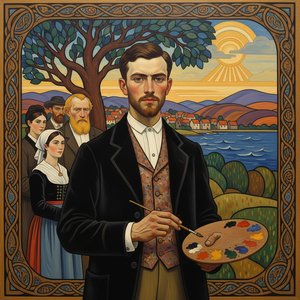
Émile Bernard: Pioneering Synthetism & the Post-Impressionist Quest for Essence
Explore the life & work of Émile Bernard, a pivotal Post-Impressionist pioneer of Synthetism. Discover his influence on Van Gogh & Gauguin and learn about collecting his art with TopImpressionists.