Atelier — Complimentary worldwide shipping — مدة التوصيل ٢–٦ أسابيع
Wishlist عربة التسوق
شراء نسخة مطبوعة شراء نسخة مطبوعةشراء الصورة بدقة عالية شراء الصورة بدقة عالية مشاركةمشاركة
التفاصيلالتفاصيل أضف إلى المفضلة أضف إلى المفضلة تحميل الملفتحميل الملف قطع مشابهةقطع مشابهة الأشعة السينيةالأشعة السينية عرض شرائحعرض شرائح

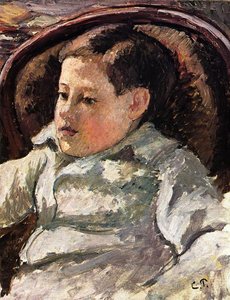
أب الفنان وابنه

اللوحة تستخدم أسلوب السنثيتست – انحراف مقصود من انطباعية اللحظات العابرة – مع التركيز على التكوين المتناغم والعناصر الرمزية مثل الكتب والوعاء.

بول غوغان: رسام فرنسي رائد في فن ما بعد الانطباعية والرمزية، اشتهر بألوانه الجريئة وموضوعاته الغريبة وتأثيره العميق على الفن الحديث. اكتشف رحلته من عالم المال إلى أسطورة فنية.

نسخة زيتية مصنوعة يدوياً

لوحة زيتية مرسومة يدوياً على الكانفاس بالمقاس والإطار الذي تفضله، تُنفذ حسب الطلب على أيدي فنانينا.

P118B $10
P118H $10
P118W $10
P438Z $10
P508JH $12
P508YH $12
P805H $10
P805Z $10
P919BZ $10
P919G $10
P919XJ $10
P959ZH $10
P968JZ $12
W106C $8
W218G $10
W218JH $8
W218Y $10
W307PJ $10
W316G $10
W316PJ $8
W316Y $10
W398PJ $8
W4111J $10
W500HY $15
W500JH $15
W692G $12
W849H $8
W940BG $15
W953PJ $8

Standard
custom
CM
INCH

اختر من بين أحجامنا المُعدّة مسبقًا والتي تتطابق مع النسب الأصلية للعمل الفني.

العرض
الارتفاع

يمكنك إدخال أبعادك الخاصة لتناسب إطارًا معينًا أو مساحة محددة. وإذا لم يتطابق الحجم الذي اخترته مع نسب الصورة الأصلية، فسنقوم إما بقص العمل الفني أو توسيع اللوحة بإضافة عناصر مرسومة يدويًا. سيتم إرسال نموذج رقمي إليك للموافقة عليه قبل بدء الإنتاج.
يرجى ملاحظة أن المعاينة على الشاشة لا تعكس عملية القص أو التوسيع الفعلية؛ حيث إن النموذج الرقمي وحده هو الذي سيوضح التكوين النهائي بدقة.
وعلى الرغم من توفر أحجام مخصصة، إلا أننا نوصي باختيار أبعاد من القائمة المحددة مسبقًا للحفاظ على النسب الأصلية للعمل الفني.

أمثلة على التعديلات الممكنة: استبدال الوجه بصورة العميل؛ إضافة حيوان أليف (مثل استبدال قطة بكلب)؛ تضمين رسالة مخفية في الخلفية؛ تغيير المناظر الطبيعية أو العناصر في الخلفية.
بعد إتمام الطلب، سيرسل فريق TopImpressionists.com بريداً إلكترونياً للعميل لطلب التعليمات وتزويده بمعاينة تجريبية (mockup).

توصيل عالمي إلى خلال 3 إلى 4 أسابيع بدلاً من المدة المعتادة البالغة 5 أسابيع. (17 يوليو). جودة لا تهاون فيها.

why_choose_icon
شحن سريع ومجاني لجميع أنحاء العالم
why_choose_icon
قماش كتان عالي الجودة
why_choose_icon
تأمين شحن شامل
why_choose_icon
ضمان استرداد الرسوم الجمركية
why_choose_icon
ضمان مطابقة الألوان الحقيقية
why_choose_icon
سياسة الإرجاع خلال 60 يومًا (في حالات العيوب فقط)
why_choose_icon
ضمان استرداد نقدي بنسبة 100%
why_choose_icon
خصم عند طلب عدة قطع

إجمالي السعر

-

reproduction

أب الفنان وابنه

خامة إعادة الإنتاج

مقاس النسخة المطبوعة

-

السعر الإجمالي النهائي

-

معلومات سريعة

  • Artistic style: Symbolist
  • Subject or theme: Family bonding; Sculpture; Education
  • Medium: Oil on Canvas
  • Location: Petit Palais, Paris, France
  • Notable elements or techniques: Bold colors; Flat forms; Synthetist style
  • Title: Aube the Sculptor and His Son
  • Year: 1882

اختبار الفنون

يوجد إجابة صحيحة واحدة فقط لكل سؤال.

سؤال 1:
What artistic movement is Paul Gauguin primarily associated with?
سؤال 2:
In 'Aube the Sculptor and His Son', what stylistic approach did Gauguin employ that differed significantly from Impressionism?
سؤال 3:
What symbolic element is represented by the vase positioned between the books in the painting?
سؤال 4:
Which museum houses a significant collection of Gauguin's artworks, including 'Chou Quarry'?
سؤال 5:
What is the primary purpose of Gauguin’s use of flat forms in 'Aube the Sculptor and His Son'?

وصف العمل الفني

أبّي النحات و ابنه: سيمفونية من الألوان والعلاقات العائلية

تحمل لوحة بول غاغو "أبّي النحات و ابنه"، التي أُنجزت عام 1882، معاني أعمق بكثير من مجرد التمثيل؛ فهي تجسد تأملاً عميقاً حول الارتباطات العائلية ومبادرة الأعمال الفنية داخل إطار الانطباعية اللاحقة. هذه اللوحة الزيتية، التي يبلغ قياسها 53 × 72 سم، تقع بشكل بارز في متحف بوتشيه (البيتي بال) بباريس، فرنسا، وهي بمثابة شهادة على الإرث الدائم غاغو كواحد من أبرز الابتكارات في هذا التحرك. إنها أكثر من مجرد تصوير لشخصين جالسين حول طاولة؛ بل هي استكشاف للضوء والمشاعر ونقل المعرفة – مواضيع تتردد أصداؤها بقوة لدى المشاهدين حتى اليوم.

عناصر فنية ورمزية: فك شفرة اللغة البصرية

يجذب التركيز على الفور إلى الصورة الثنائي المركزي - أبّي النحات وابنه - جالسين بهدوء في مشهد منزلي مُرصَّف بعناية. استخدام غاغو الماهر للألوان هو جوهر الأمر، حيث يستخدم ألوانًا تثير الدفء والسكينة. يميل نطاق الألوان السائد إلى الألوان الترابية – مثل الأصفر والبني والأحمر – مع تباينها بلطف مع الأزرق البارد في الخلفية، مما يخلق عمقًا ويعزز الحالة المزاجية العامة. يجلس كتابان على الطاولة كرموز قوية: يمثلان الفضول الفكري وأهمية التعليم داخل الوحدة العائلية. يقدم مزهرية مريحة بينهما عنصرًا من الأناقة والانسجام، مما يعكس التوازن الذي سعى غاغو إلى تحقيقه في رؤيته الفنية. ربطة العنق الخاصة بالنحات - اختيار مقصود - تشير إلى احترام التقاليد والصفاء، وترسخ المشهد في سياق ثقافي محدد. في النهاية، تلتقط اللوحة لحظة حميمة، وتعبر عن الأهمية العميقة للأبوة وتوريث المهارات والقيم عبر الأجيال.

أسلوب فني وتأثير: الانطلاق الجريء لنمط "السينثيتس"

تجسد لوحة "أبّي النحات و ابنه" أسلوب غاغو المميز من نوع "السينثيتس" - وهو انفصال حاسم عن تركيز الانطباعية على التقاط اللحظات العابرة للضوء. بدلاً من ذلك، أولى غاغو الأولوية للألوان التعبيرية والأشكال المسطحة، مع إعطاء الأولوية للتأثير العاطفي على الدقة الفوتوغرافية. كان هذا النهج ثوريًا في عصره، حيث رفض الملاحظة الدقيقة التي تميز بها انطباعيون مثل مونيه ورينوار. تضمنت تقنية غاغو وضع الطلاء بطبقات سميكة - ضربات فرشاة ثقيلة تبني القوام - مما خلق إحساسًا ملموسًا بالجسد والتلقائية. لقد مزج غاغو بين التقنيات التقليدية للرسم الزيتي والخيارات الأسلوبية المبتكرة، وصنع لغة بصرية توقع التطورات في فن "الفاوست" وأثرت بعمق على أجيال لاحقة من الفنانين. يساهم تبسيط اللوحة عن قصد في جمالها الخالد و جاذبيتها الدائمة.

الإرث الفني والمجموعات المتحفية: صدى غاغو الدائم

لقد جذبت إنتاجية بول غاغو الجمهور حول العالم، مما عزز مكانته كحجر الزاوية في تاريخ الفن الحديث. على الرغم من أن أعماله كانت في البداية موضع شك من قبل النقاد الذين دافعوا عن واقعية الانطباعية، إلا أن عمله اكتسب الاعتراف بعد وفاته، مدفوعًا بالشغف المحيط باستكشافه لثقافة جزر سليمان وثقافته الروحية خلال أيامه الأخيرة في جزر سليمان. أنتجت هذه الفترة مجموعة مذهلة من اللوحات - بما في ذلك "شُو كواريري" و "أين تذهبين؟" - والتي عبرت عن روح هذه الجزر بشكل قوي وترسخت سمعة غاغو كفنان رؤيوي. يفتخر متحف الفنون الجامعي في جامعة برينستون (Princeton University Art Museum) بامتلاك أكثر من 97,000 عمل فني، بما في ذلك أعمال عظيمة لغاغو، مما يدل على التزامه بالحفاظ على التراث الفني وتعزيز التقدير للتنوع الثقافي. بالنسبة لأولئك الذين يسعون لتجربة بريق أعمال غاغو عن كثب، فإن عمليات النسخ المقدمة من TopImpressionists تقدم جودة استثنائية وسهولة الوصول - مما يجلب قطعة من تاريخ الفن إلى منزلك.

استكشاف تحف فنية أخرى

أعد إحياء رؤية غاغو في منزلك

في TopImpressionists، نقدم عمليات نسخ زيتية مصممة بعناية لأعمال غاغو الشهيرة. انغمس في جمال وعاطفة "أبّي النحات و ابنه" - والكثير من الأعمال الفنية الأخرى - مع جودة استثنائية وسهولة في الوصول إليها.


السيرة الذاتية للفنان

Eugène Henri Paul Gauguin: A Revolutionary Post-Impressionist Painter

Paul Gauguin, a name synonymous with bold color and defiant individualism, stands as one of the most influential figures in the artistic landscape of the late nineteenth century—a pivotal innovator who irrevocably altered the course of modern art. Born June 7, 1848, in Paris, France, his life unfolded far from the conventional paths expected of a young man of his era, marked by an upbringing steeped in intellectual curiosity and shaped by familial connections to both French aristocracy and Peruvian heritage—a heritage that instilled within him a profound appreciation for cultures beyond the confines of Europe. This formative exposure would become a cornerstone of Gauguin’s artistic vision, fueling his lifelong quest for authenticity and inspiring him to reject the prevailing aesthetic conventions of his time. ### Early Life & Influences: The Seeds of Artistic Rebellion Gauguin's father was a journalist—a profession that instilled in him a spirit of inquiry and skepticism—while his mother descended from Peruvian aristocracy, carrying within her lineage the legacy of Flora Tristan, a trailblazing feminist writer whose radical ideas undoubtedly resonated throughout the family. This unusual upbringing fostered a rebellious streak that would prove crucial to Gauguin’s artistic trajectory. Following his father's untimely death in 1867, he enlisted in the merchant marine—a decision driven partly by financial necessity but also fueled by an innate desire for exploration and adventure—spending six formative years traversing the globe, absorbing diverse cultures and landscapes that would profoundly impact his artistic sensibilities. Notably, his mother’s influence instilled within him a deep fascination with Peruvian culture and traditions, mirroring Tristan's advocacy for social justice and challenging societal norms. ### Impressionism & The Dissatisfaction With Conventional Art Initially drawn to Impressionist painters like Monet, Pissarro, and Renoir—artists who championed the fleeting beauty of light and color—Gauguin experimented with Impressionistic techniques during his early artistic endeavors. He meticulously studied their methods for capturing optical sensations, recognizing the power of observation as a tool for artistic expression. However, Gauguin soon felt constrained by Impressionism’s insistence on depicting reality as it appeared at a particular moment in time—a limitation that he viewed as antithetical to his own artistic impulses. He yearned for something more profound, more expressive—a means of conveying not merely what he *saw*, but what he *felt*. This dissatisfaction propelled him toward a radical departure from Impressionistic principles and towards the exploration of alternative stylistic approaches. ### Japonisme & The Quest For Primitive Expression A pivotal encounter with Japanese prints—Japonisme—further broadened Gauguin’s artistic horizons. He was captivated by the flattened perspectives, bold outlines, and decorative patterns characteristic of Japanese art—elements that challenged Western conventions of representation and encouraged him to experiment with simplified forms. Influenced by Cézanne's geometric explorations and Delacroix’s dramatic use of color, Gauguin honed his skills in capturing emotional intensity and conveying symbolic meaning. He sought inspiration from the primal arts of Africa and Asia—cultures untouched by European industrialization—believing they possessed a purity lost in Western civilization. This conviction fueled his determination to depict subjects with uncompromising honesty and to reject academic artifice altogether. ### Tahiti & The Birth of Symbolist Style: A Radical Transformation The decision to abandon his stockbroker’s career and dedicate himself entirely to painting marked a decisive turning point in Gauguin's life—a courageous act of artistic liberation that signaled the beginning of his transformative journey into Polynesian culture. Seeking refuge from the pressures of Parisian society and driven by an unwavering belief in the power of art to transcend materialism, he traveled to Tahiti in 1891—a move that would solidify his reputation as a visionary artist and propel him toward the development of his distinctive Symbolist style. He immersed himself in Tahitian rituals and traditions, documenting their vibrant colors, exotic landscapes, and spiritual beliefs through his canvases—creating works that embody the essence of “primitive” expression. Iconic paintings like “Vahine no te miti” and “The Vision After The Sermon” exemplify this stylistic fusion—a masterful blend of observation and imagination that reflects Gauguin’s profound engagement with Polynesian culture and his unwavering commitment to conveying emotional depth through symbolic imagery. His bold use of color, simplified forms, and evocative compositions established him as a pioneer of Symbolism—a movement that championed subjective experience and spiritual contemplation as paramount goals for artistic endeavor. ### Legacy & Influence: Shaping The Future Of Art Paul Gauguin’s legacy extends far beyond his own lifetime—his influence reverberates throughout the art world to this day, inspiring generations of artists who embraced his radical stylistic innovations and challenged conventional aesthetic norms. Artists such as Picasso, Matisse, and Chagall acknowledged Gauguin's profound impact on their artistic development—recognizing him as a pivotal figure in the transition from Impressionism to modern art. His unwavering conviction that art should serve as a conduit for spiritual insight—a belief rooted in his fascination with primitive cultures—continues to resonate with artists who strive to express emotion and convey meaning beyond mere visual representation. Gauguin’s uncompromising artistic vision—his refusal to compromise on authenticity and his relentless pursuit of expressive freedom—remains an enduring testament to the transformative power of art and its capacity to reshape our understanding of the human condition.

إوجيني هنري بول غاغو

إوجيني هنري بول غاغو

1848 - 1903 , فرنسا

حقائق سريعة

  • Artistic Movement Or Style: رمزية، انطباعية حديثة
  • Artists Who Influenced This Artist:
    • كاميل بيسارو
    • فينيس غاوجين
  • Date Of Birth: 7 يونيو 1848
  • Date Of Death: 8 مايو 1903
  • Full Name: إوغيني هنري بول غاوجين
  • Nationality: فرنسي
  • Notable Artworks:
    • تضليل بالليمون والفاكهة
    • فايني نو تِ ميتي
    • مانا توباو
    • الشاب البريتوني الصغير
  • Place Of Birth: باريس، فرنسا
استكشف الأعمال الفنية المصنفة حسب الموضوعات والأنماط والخصائص.
© TopImpressionists.com — جميع الحقوق محفوظة  ·  مطلية يدوياً 100% · ضمان الرضا · شحن مجاني لجميع أنحاء العالم
VISA MASTERCARD