

 إرسال
إرسال مشاركة
 عرض التفاصيل
 دليل الأعمال الفنية للطلاب

 تحميل
تحميل
 قطع مشابهة
 عرض شرائح متتابع
 Q&A
Q&A الإحصائيات
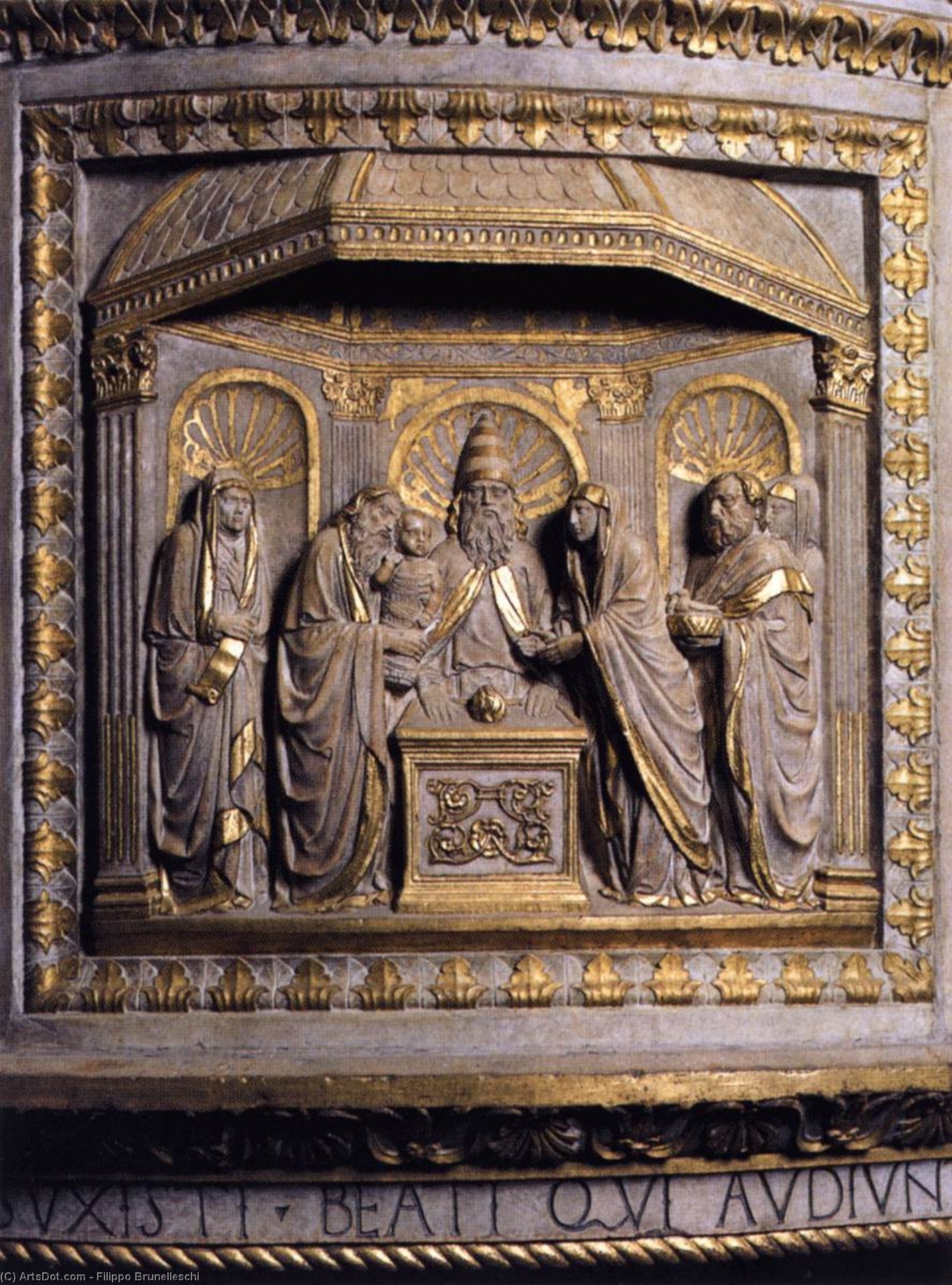
Pulpit (detail)


This detailed marble relief sculpture depicts religious figures within the ornate pulpit of Santa Maria Novella church, crafted by Filippo Brunelleschi in 1443. Recognized for his dome design at Florence Cathedral and groundbreaking use of linear perspective, Brunelleschi's 'Pulpit' exemplifies Gothic style and showcases exceptional craftsmanship.
 اقرأ المزيد
فليبو برونليسكي (1377-1446): مهندس معماري من عصر النهضة، اشتهر بقبة كاتدرائية فلورنسا وابتكار المنظور الخطي. مبتكر حقيقي صاغ ملامح عصر النهضة!
طباعة جيلي / مطبوعات فنية
طباعة جيكلي أو كانفاس بجودة المتاحف، مع سرعة في التنفيذ وخيارات متنوعة للتشطيب. ( اطلب نسخة مرسومة يدويًا التحويل إلى الصورة الرقمية)




































مقاس قياسي
مخصص
CM
INCH
اختر من بين أحجامنا المُعدّة مسبقاً والتي تتوافق مع النسب الأصلية للعمل الفني.
Loading sizes...

العرض
الارتفاع
أدخل العرض والارتفاع اللذين تحتاجهما، ليتناسب مع إطارك أو جدارك. يمكن قص المطبوعة فقط، ولا يمكن أبداً جعلها أكبر من الصورة الأصلية، لذا فإن أي مقاس بشكل مختلف سيؤدي إلى فقدان جزء من الصورة. سنرسل لك نموذجاً رقمياً تجريبياً لاعتماده قبل البدء في عملية الطباعة. الصورة المعروضة في هذه الصفحة لا توضح القص الفعلي — النموذج التجريبي فقط هو ما يظهر ذلك.
توصيل عالمي إلى خلال أسبوعين بدلاً من المدة القياسية البالغة 4/5 أسابيع. (29 أكتوبر)

شحن سريع ومجاني لجميع أنحاء العالم

قماش كتان فاخر

تأمين شامل على الشحن

ضمان استرداد الرسوم الجمركية

ضمان دقة مطابقة الألوان

سياسة الإرجاع خلال 100 يوم (في حالات العيوب فقط)

ضمان استرداد نقدي بنسبة 100%

عرض خصم الكميات
 خيار الزجاج متاح فقط للمقاسات التي تقل عن 110 سم

Pulpit (detail)
طباعة جيلي / مطبوعات فنية
مقاس النسخة المطبوعة
-


إجمالي السعر
E£ 3594
A Glimpse into Renaissance Devotion: The Pulpit Detail
To stand before this marble relief from the pulpit of Santa Maria Novella is to encounter a moment suspended in time—a tangible echo of 15th-century Florentine piety. Attributed to the masterful hand of Filippo Brunelleschi, this work, dating to 1443, transcends mere architectural decoration; it is a profound theological narrative carved into luminous stone. The very material, pristine white marble, seems imbued with the spiritual light of the Renaissance dawn. One cannot help but feel the weight of history pressing down, yet simultaneously lifted by the grace depicted within its intricate folds.
Mastery in Marble: Technique and Form
Brunelleschi’s technical prowess is breathtakingly evident here. The artist has achieved a remarkable illusionism, coaxing figures from solid stone as if they were emerging into life. Observe the drapery; the deep undercuts and varied textures capture the weight and flow of rich robes, suggesting both earthly materiality and heavenly transcendence. The composition itself is carefully orchestrated, framed by architectural elements—arches and columns—that lend a sense of monumental depth. This skillful handling of negative space against densely populated figures speaks to an understanding of form that was revolutionary for its time, bridging the lingering echoes of Gothic intricacy with the burgeoning clarity of Renaissance structure.
The Heart of the Scene: Symbolism and Narrative
At the core of the relief resides a scene rich with spiritual symbolism. A central figure, seated upon what appears to be an elevated throne, commands attention. This individual, holding a book—the very conduit of divine knowledge—is surrounded by supplicants, some standing in rapt attention, others kneeling in postures of humble devotion. The gathering suggests a moment of profound teaching or revelation. Every gesture, from the raised hand to the bowed head, is deliberate, guiding the viewer's eye through a carefully constructed hierarchy of spiritual importance. It speaks eloquently of the Church’s role as both teacher and sanctuary.
A Touch of Eternal Grandeur for Your Space
For those who seek to bring the gravitas and artistry of Italian Renaissance masters into their own homes or design spaces, this piece offers unparalleled depth. While the original possesses an undeniable aura of sacred grandeur, a high-quality reproduction allows you to incorporate its narrative power without altering your personal sanctuary. The interplay between the cool, smooth marble tones and the suggested warmth of the gold accents—visible in the ornate framework—creates an atmosphere of enduring elegance. It is not merely art; it is a conversation piece that whispers tales of genius, faith, and the dawn of modern artistic thought.
الأسئلة والأجوبة
كيف يمكن استخدام "Pulpit (detail)" للفنان فليبو برونليسكي في ديكور المنزل؟
يُعد استخدام (Accent) وتخصيص مساحة (Living Room) من أبرز التوصيات المقترحة لـ "Pulpit (detail)" للفنان فليبو برونليسكي.
ما هي المواد المستخدمة في صنع "Pulpit (detail)"؟
تعتمد التقنية المستخدمة في "Pulpit (detail)" للفنان فليبو برونليسكي على Marble. وتهدف النسخ المطبوعة إلى محاكاة مظهر هذه التقنية.
ما مستوى التباين الذي يظهره "Pulpit (detail)" للفنان فليبو برونليسكي؟
مستوى التباين في "Pulpit (detail)" للفنان فليبو برونليسكي هو Statement.
نبذة عن الفنان
رائد عصر النهضة: حياة وإرث فيليبو برونليسكي
يبرز فيليبو برونليسكي، الذي ولد في فلورنسا عام 1377، كشخصية صرحية جسرت الهوة بين عالم العصور الوسطى وعصر النهضة الناشئ. ورغم أن القدر كان يخطط له حياة تتماشى مع مهنة والده القانونية، إلا أن الميول الفنية للشاب فيليبو فرضت نفسها سريعاً؛ حيث التحق بتلمذة لدى صائغ ذهب، وهي حرفة صقلت لديه دقة متناهية في التفاصيل وإتقاناً للمواد، وهي مهارات ستثبت قيمتها التي لا تقدر بثمن في مساعيه المعمارية اللاحقة. لم يقتصر هذا التدريب المبكر على المهارة التقنية فحسب، بل عزز لديه فهماً عميقاً للشكل والتناسب والإمكانات التعبيرية الكامنة في تطويع المواد المادية. إن مشاركته في مسابقة عام 1401 لأبواب معمودية فلورنسا، رغم عدم نجاحها أمام لورينزو غيبيرتي، كشفت عن موهبة متنامية ورؤية فنية جريئة. هذه التجربة، رغم ما حملته من إحباط في البداية، كانت نقطة تحول جوهرية، حيث أعادت توجيه طاقاته نحو العمارة—المجال الذي سيترك فيه بصمة لا تُمحى في مسار الفن والهندسة الغربية.الابتكارات المعمارية وإعادة إحياء المبادئ الكلاسيكية
لم تكن الإنجازات المعمارية لبرونليسكي مجرد بناء هياكل، بل كانت ثورة حقيقية؛ فقد نجح في حل مشكلات بدت مستعصية، دافعاً بحدود الممكن إلى آفاق جديدة. ويظل أعظم انتصاراته بلا شك قبة كاتدرائية فلورنسا—ذلك الإنجاز الذي حير المعماريين لعقود من الزمن. لقد تطلب الحجم الهائل والتعقيد الشديد للمشروع حلولاً مبتكرة، وقد قدمها برونليسكي بوفرة؛ فمن خلال التخلي عن طرق السقالات التقليدية، ابتكر هيكلاً مزدوج القشرة ذاتي الدعم، مستخدماً آليات رفع عبقرية وأنماط طوب متداخلة لتوزيع الوزن وضمان الاستقرار. لم يكن هذا مجرد أعجوبة هندسية، بل كان شهادة على البراعة البشرية ورمزاً لطموح فلورنسا. وإلى جانب القبة، نادى برونليسكي بالعودة إلى المبادئ الكلاسيكية في تصاميمه، حيث درس الأطلال الرومانية بدقة، ممتصاً منها إحساسها بالتناسب والانسجام والتنظيم الفراغي. ويتجلى هذا التأثير بوضوح في أعمال مثل "الساكريستي القديمة" في سان لورينزو، حيث استخدم تخطيطات متناظرة، وأقواساً مستديرة، وزخارف كلاسيكية لخلق مساحات مفعمة بالسكينة والتوازن. كما تحمل مشاريع أخرى بارزة—مثل مستشفى "سبيدالي ديلي إينوتشينتي"، وقصر روتشيلاي، وكنيسة سان لورينزو—بصمات أسلوبه المتميز: مزيج متناغم بين الإلهام الكلاسيكي والحلول الإنشائية المبتكرة.فجر المنظور الخطي
يمتد تأثير برونليسكي إلى ما هو أبعد من العمارة؛ إذ يُنسب إليه الفضل في إعادة اكتشاف وصياغة مبادئ المنظور الخطي، وهي التقنية التي غيرت مسار تاريخ الفن بشكل جذري. فقبل برونليسكي، كانت تصويرات المساحات تفتقر إلى نظام ثابت لتمثيل العمق والواقعية. وقد قادته أبحاثه الدقيقة في البصريات والهندسة إلى تطوير طريقة لخلق أوهام المساحة ثلاثية الأبعاد على سطح ثنائي الأبعاد. تضمن ذلك تحديد "نقطة التلاشي"—وهي نقطة واحدة على خط الأفق تتلاقى عندها جميع الخطوط المتوازية—واستخدام الحسابات الرياضية لتمثيل العلاقات المكانية بدقة. كانت النتائج عميقة للغاية؛ فقد زود المنظور الخطي الفنانين بأداة قوية لتحقيق واقعية أكبر وتأثير عاطفي أعمق في أعمالهم، مما أثر على أجيال من الرسامين والنحاتين. لم يكن الأمر يتعلق بمجرد الدقة التقنية، بل بخلق تجربة بصرية أكثر انغماساً وإقناعاً للمشاهد.التأثيرات والأهمية التاريخية الخالدة
لم تظهر عبقرية برونليسكي من فراغ، بل استلهم من مصادر متنوعة وصهرها في كيان جديد تماماً. فقد وفرت العمارة الرومانية القديمة التي درسها أساساً للمبادئ الكلاسيكية، بينما غرس احتكاكه بالهياكل القوطية فهماً للتحديات الإنشائية وتقنيات البناء المبتكرة. والأهم من ذلك، أن الحركة الإنسانية الناشئة في عصر النهضة—بتركيزها على الإمكانات والإنجازات البشرية—تلاقت بعمق مع روح برونلسكي الابتكارية؛ فقد آمن بقوة العقل والملاحظة والتجربة، وهي الصفات التي ارتكز عليها عمله الرائد. إن إرثه هائل، فهو يُعتبر بحق أحد الآباء المؤسسين لعصر النهضة، وشخصية محورية دشنت حقبة جديدة من الازدهار الفني والفكري. ولا تزال ابتكاراته الهندسية تلهم ممارسات البناء الحديثة، بينما يظل تطويره للمنظور الخطي حجر الزاوية في الفن التمثيلي. ولكن ربما الأهم من ذلك كله، هو أن برونليسكي جسد طريقة تفكير جديدة—إيماناً بالبراعة البشرية، والتزاماً بالبحث العقلاني، واحتفاءً بالجمال والنظام المتأصلين في العالم الطبيعي. إنه لم يغير فقط أفق مدينة فلورنسا، بل غير الطريقة التي نرى بها العالم.
فليبو برونليسكي
1377 - 1446 , إيطاليا
لمحة سريعة
- Artistic Movement Or Style: عصر النهضة المبكر
- Artists Or Movements Influenced By This Artist:
- عمارة عصر النهضة
- فنانو المنظور الخطي
- Artists Who Influenced This Artist: ['معماريو روما القديمة']
- Date Of Birth: 1377
- Date Of Death: 1446
- Full Name: فليبو برونليسكي
- Nationality: إيطالي
- Notable Artworks:
- قبة كاتدرائية فلورنسا
- السكريستيا القديمة في سان لورينزو
- سبيدالي ديلي إينوتشينتي
- قصر روتشيلاي
- Place Of Birth: فلورنسا، إيطاليا
مقالات ذات صلة

Shadows & Splendor: A Journey Through the Soul of Gothic Art and Architectural Grandeur
Embark on a profound journey through the spiritual intensity of Gothic art. Explore the architectural marvels, luminous stained glass, and sacred sculptures that define this era of grandeur and human devotion.