


 معاينة الحجم الواقعي
 إرسال
إرسال مشاركة
 عرض التفاصيل
 دليل الأعمال الفنية للطلاب

 تحميل
تحميل
 قطع مشابهة
 الأشعة السينية
 عرض شرائح متتابع
 الإحصائيات
triptych, august, 1972 a


Triptych, August 1972 A - This unsettling painting depicts a man slumped on a chair with his head bowed, capturing Bacon's signature exploration of psychological torment and visceral emotion. Influenced by Surrealism and Expressionism, it showcases a haunting gaze and a desolate interior.
 اقرأ المزيد
فرانسيس بيكون: رسام بريطاني أيرلندي، اشتهر بلوحاته التعبيرية الصادمة التي تصور التشوهات الإنسانية والوجودية. استكشف أعماله المؤثرة مثل "ثلاث دراسات لصور عند قاعدة صليب" و"بورتريه البابا إينوسنت العاشر".
إن العمل الفني المعروض في هذه الصفحة محمي بموجب قوانين حقوق الطبع والنشر، مما يعني أنه لا يحق لنا قانوناً إنشاء أو بيع نسخ مطابقة له. وتُطبق هذه الحماية بموجب الاتفاقيات الدولية مثل الـ اتفاقية برن ووفقاً للقوانين الوطنية، بما في ذلك تلك المنصوص عليها في قانون حقوق الطبع والنشر في الولايات المتحدة - الباب 17.
تتوافق هذه الطريقة تماماً مع لوائح حقوق النشر لأنها لا تتضمن نسخ أو تكرار العمل الفني المحمي، بل هي إعادة تفسير إبداعية؛ أي أنها لوحة جديدة مستوحاة من الأصل ولكنها ليست مطابقة له.
طباعة جيلي / مطبوعات فنية
طباعة جيكلي أو كانفاس بجودة المتاحف، مع سرعة في التنفيذ وخيارات متنوعة للتشطيب. ( اطلب نسخة مرسومة يدويًا التحويل إلى الصورة الرقمية)




P118B E£10

P118H E£10

P118W E£10

P438Z E£10

P508JH E£12

P508YH E£12

P805H E£10

P805Z E£10

P919BZ E£10

P919G E£10

P919XJ E£10

P959ZH E£10

P968JZ E£12

W106C E£8

W218G E£10

W218JH E£8

W218Y E£10

W307PJ E£10

W316G E£10

W316PJ E£8

W316Y E£10

W398PJ E£8

W4111J E£10

W500HY E£15

W500JH E£15

W692G E£12

W849H E£8

W940BG E£15

W953PJ E£8




مقاس قياسي
مخصص
CM
INCH
اختر من بين أحجامنا المُعدّة مسبقاً والتي تتوافق مع النسب الأصلية للعمل الفني.
Loading sizes...

العرض
الارتفاع
أدخل العرض والارتفاع اللذين تحتاجهما، ليتناسب مع إطارك أو جدارك. يمكن قص المطبوعة فقط، ولا يمكن أبداً جعلها أكبر من الصورة الأصلية، لذا فإن أي مقاس بشكل مختلف سيؤدي إلى فقدان جزء من الصورة. سنرسل لك نموذجاً رقمياً تجريبياً لاعتماده قبل البدء في عملية الطباعة. الصورة المعروضة في هذه الصفحة لا توضح القص الفعلي — النموذج التجريبي فقط هو ما يظهر ذلك.
توصيل عالمي إلى خلال أسبوعين بدلاً من المدة القياسية البالغة 4/5 أسابيع. (25 أكتوبر)

شحن سريع ومجاني لجميع أنحاء العالم

قماش كتان فاخر

تأمين شامل على الشحن

ضمان استرداد الرسوم الجمركية

ضمان دقة مطابقة الألوان

سياسة الإرجاع خلال 100 يوم (في حالات العيوب فقط)

ضمان استرداد نقدي بنسبة 100%

عرض خصم الكميات
 خيار الزجاج متاح فقط للمقاسات التي تقل عن 110 سم

triptych, august, 1972 a
طباعة جيلي / مطبوعات فنية
مقاس النسخة المطبوعة
-


إجمالي السعر
E£ 3571
A Visceral Encounter with the Human Condition
In the hauntingly profound Triptych, August 1972 A, Francis Bacon invites the viewer into a space where the boundaries between the physical body and psychological torment dissolve. This masterpiece serves as a visceral confrontation with fear, vulnerability, and the inescapable awareness of mortality. Rather than offering the comfort of traditional portraiture, which seeks to capture a stable likeness, Bacon presents a fragmented reality. The central figure, seated in a state of profound isolation, appears caught in a moment of existential crisis, his posture slumped and his expression obscured by a sense of deep-seated dread. It is an artwork that does not merely ask to be seen, but demands to be felt, pulling the observer into a silent dialogue with the shadows of the human psyche.
The technique employed in this triptych is nothing short of masterful, characterized by a deliberate abrasiveness that mirrors the artist's internal struggles. Bacon utilizes a heavy, gestural application of oil paint, where thick impasto meets frantic scraping and manipulation with palette knives. This creates a rugged, fleshy surface texture that evokes the very sensation of decaying skin or wounded muscle. The color palette is intentionally somber, dominated by earthy ochres, bruised crimsons, and ghostly greys. These muted tones are not merely aesthetic choices; they act as conduits for an atmosphere of unease, ensuring that every brushstroke contributes to the pervasive sense of isolation and the weight of time passing.
The Echoes of History and Symbolism
To understand the profound emotional impact of this work, one must look toward the historical shadows that loomed over Bacon’s life. The pervasive atmosphere of dread within the triptych is inextricably linked to the collective trauma of the mid-2tem century, particularly the devastation witnessed during the London Blitz and the broader horrors of World War II. The distorted, fragmented figures are symbolic of a world shattered by conflict, reflecting a generation grappling with unprecedented uncertainty. In this work, the human form becomes a canvas for the scars of history, where the physical distortion of the subject serves as a metaphor for the psychological fragmentation caused by war and loss.
For the discerning collector or interior designer, Triptych, August 1972 A offers more than just a striking visual; it provides a profound intellectual and emotional anchor for a space. As a high-quality reproduction, this piece brings a sophisticated, avant-garde energy to any curated collection. It is an ideal selection for those who appreciate art that challenges the status quo and explores the deeper, often darker, layers of existence. Whether placed in a contemplative study or as a bold centerpiece in a modern gallery setting, this work continues to provoke thought, serving as a timeless testament to the power of expressionistic truth and the enduring complexity of the human spirit.
الأسئلة والأجوبة
هل يمكن إعادة إنتاج صورة "triptych, august, 1972 a" للفنان فرانسيس بيكون بحرية؟
حالة حقوق الطبع والنشر لـ "triptych, august, 1972 a" للفنان فرانسيس بيكون: العمل يقع ضمن لا تزال محمية بموجب حقوق الطبع والنشر. ويحدد هذا ما إذا كان يمكن إعادة إنتاج الصورة بحرية.
ما هي أنواع الألوان التي يستخدمها "triptych, august, 1972 a"؟
تُشكل ألوان "triptych, august, 1972 a" لوحة ألوان من نوع Earthy. ويصف هذا التصنيف عائلات الألوان المهيمنة.
ما هو اللون السائد في "triptych, august, 1972 a" للفنان فرانسيس بيكون؟
اللون السائد في "triptych, august, 1972 a" للفنان فرانسيس بيكون هو Walnut (#684934).
نبذة عن الفنان
نشأة فنان: فرانسيس بيكون
في قلب مدينة دبلن الأيرلندية، وُلد فرانسيس بيكون في الثامن والعشرين من أكتوبر عام 1909، ليمضي حياته الفنية في صياغة عالمٍ من الصور الخام والمؤثرة التي هزت أركان الفن الحديث. لم تكن طفولته هادئة أو مستقرة؛ فترحات عائلية متكررة بسبب صحة والدته زرعت فيه شعوراً بالغربة والضياع، وهو الشعور الذي سيشكل رؤيته للعالم وينعكس بشكلٍ مباشر على لوحاته. علاقة معقدة مع والده المتصلب، إلى جانب رابطة قوية مع مربيته جيسي Lightfoot، رسمت ملامح مسيرته العاطفية التي أثرت في أعماله الفنية. قبل أن يكرس نفسه للرسم في سن متأخرة نسبياً، انغمس بيكون في تجارب متنوعة، من سباقات الخيل إلى المقامرة، مما قد يكون زاد من حدة إحساسه بالإلحاح والعمق في لوحاته. لم يتلقَ تدريباً فنياً تقليدياً، بل سلك طريقه الخاص، مستوعباً التأثيرات المتنوعة ومطوراً لغة بصرية فريدة ومزعجة.بذور الإلهام: تأثيرات فنية مبكرة
لم تكن رحلة بيكون الفنية وليدة اللحظة، بل كانت تراكمًا تدريجيًا للانطباعات والتأثيرات. أثبتت أعمال بابلو بيكاسو، وخاصةً شخصياته المشوهة في الفترة التكعيبية المبكرة، أنها حاسمة في تحريره من التمثيل التقليدي. وجد مصدر إلهام آخر في تصوير إيجون شييله المؤثر، الذي صدى تشويهاته التعبيرية لاهتمامه المتزايد بضعف الوجود وهشاشته. ومع ذلك، كان اللقاء العرضي مع فيلم سيرجي آيزنشتاين *القطار المسحوق* بمثابة نقطة تحول حاسمة. أصبحت الصور المرئية المروعة للفيلم، وخاصةً وجه امرأة تصرخ، رمزًا دائمًا في عمل بيكون، يمثل الرعب الأولي وأعماق المعاناة البشرية. كما أعجب بيكون بالأساتذة القدامى، وعلى رأسهم دييغو فيلاسكيز، الذي أعاد تفسير لوحته *صورة البابا إنيوس العاشر* بشكل مشهور طوال حياته المهنية، محولاً الشخصية البابوية السلطوية إلى شبح مضطرب.أسلوب مميز: التشوه والعزلة
جاءت نقطة تحول بيكون مع عمل *ثلاث دراسات لشخصيات عند قاعدة صليب* (1944)، وهو عمل أثار الصدمة وأسر الجمهور في لندن ما بعد الحرب. أسس هذا العمل لأسلوبه المميز - شخصيات مشوهة ومجزأة معزولة داخل مساحات خانقة. لم تكن هذه الصور تمثيلات للشهادة الدينية، بل كانت استكشافات حية للمعاناة البشرية، مُجرّدة من أي سرد مريح أو عزاء روحي. غالبًا ما تتميز لوحات بيكون بأشكال ضبابية أو متلاشية، مما ينقل إحساسًا بالاضطراب النفسي والضعف الجسدي. استخدم بشكل متكرر هياكل هندسية - أقفاص، صناديق - لعزل مواضيعه، مؤكدًا عزلتهم وقوتهم الضعيفة. كان لوحة بيكون عادةً هادئة وكئيبة، مما يعكس الموضوعات المظلمة التي يستكشفها، وإن كانت تتخللها انفجارات من الألوان المكثفة التي تزيد من التأثير العاطفي. لم يكن استخدام هذه الأقفاص مجرد جهاز تكويني؛ بل رمز للقيود والقيود المتأصلة على الوجود البشري. سعى إلى التقاط ليس *كيف تبدو* الأشياء فحسب، بل *كيف تشعر*، وترجمة الحالات الداخلية من القلق والخوف واليأس إلى لوحة بصدق وحشي.مواضيع حول الفناء والضيق والحالة الإنسانية
على مر حياته المهنية المثمرة، عاد بيكون بشكل متكرر إلى مواضيع معينة: الصلب كرمز للمعاناة؛ صور شخصية تتعمق في الكثافة النفسية لموضوعاته، غالبًا الأصدقاء والعشاق مثل جورج داير؛ وصور ذاتية تعمل على استكشافات تأملية للهوية والفناء. تُعد سلسلته *دراسة بعد صورة فيلاسكيز للبابا إنيوس العاشر* (1953) ربما من بين إنجازاته الأكثر شهرة، حيث حولت صورة فيلاسكيز الموقرة إلى شبح يصرخ، مما يجسد الرعب الوجودي. صور جورج داير، حبه المضطرب، مؤثرة بشكل خاص، فهي تلتقط كلًا من كثافة علاقتهما وظل المأساة الوشيكة. لم يكن عمل بيكون يتعلق بتصوير أفراد محددين؛ بل كان يتعلق باستكشاف موضوعات عالمية للضعف البشري والعزلة وحتمية الموت. لم يتجنب الجوانب الأكثر قتامة من الوجود، بل واجهها بشكل مباشر، مما أجبر المشاهدين على مواجهة فنائهم الخاصة وقلقهم.إرث دائم: تحدي الأعراف
إن تأثير فرانسيس بيكون على فن القرن العشرين لا يمكن إنكاره. لقد تحدى المفاهيم التقليدية للتمثيل، ورفض الجمالية المثالية لصالح تصوير خام وصادق للحالة الإنسانية. أثر عمله بعمق في أجيال من الفنانين، ومهد الطريق لأشكال جديدة من التعبير وتحدي الحدود الفنية التقليدية.- التعبيرية ما بعد الحرب: يعتبر بيكون شخصية رئيسية في هذا التيار، حيث يؤثر على الفنانين بأسلوبه الجريء وعمقه النفسي.
- سجلات المزادات والمعارض المتحفية: لا يزال عمله يحقق أسعارًا مرتفعة في المزادات ويُعرض في المتاحف الكبرى حول العالم، مما يعزز مكانته في تاريخ الفن.
- مواجهة الحقائق: يكمن إرث بيكون في قدرته على مواجهة الحقائق المزعجة حول الوجود البشري وترجمة هذه التجارب إلى صور قوية ولا تُنسى.

فرانسيس بيكون
1909 - 1992 , أيرلندا
لمحة سريعة
- أعمال فنية بارزة:
- ثلاث دراسات لشخصيات عند قاعدة صليب
- سلسلة البابا
- صورة جورج داير
- الاسم الكامل: فرانسيس بيكون
- الجنسية: أيرلندي - بريطاني
- الحركة الفنية: التعبيرية الحديثة
- تاريخ الميلاد: 1909-10-28
- تاريخ الوفاة: 1992-04-28
- حركات أو فنانين تأثر بهم: ['التعبيرية بعد الحرب']
- فنانون أثروا فيه:
- بابلو بيكاسو
- إيغون شييله
- مكان الميلاد: دبلن، أيرلندا
مقالات ذات صلة

Lucian Freud: A Psychological Portraiture of Post-War Existence
Explore the profound psychological depth of Lucian Freud's portraits. Discover his unique realism, artistic evolution, and lasting influence on modern art. A collector’s guide to a master.

Surrealist Expressionism: A Definitive Guide to the Intersection of Dream Logic and Raw Emotion
Explore the profound history of Surrealist Expressionism. Discover how artists blended dream logic with raw emotion to navigate post-war trauma through masterful, evocative imagery and psychological depth.

Unveiling Inner Worlds: Exploring Psychological Depth in 20th & 21st Century Art
Explore the profound psychological themes within 20th & 21st-century art. Discover Expressionism, Surrealism & more – and learn how to collect impactful pieces with confidence. Expert insights for discerning collectors.
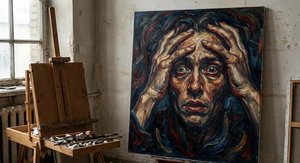
Figurative Expressionism: Emotional Intensity & Subjective Reality in 20th-Century Art
Explore the powerful world of Figurative Expressionism with TopImpressionists. Discover key artists like Kirchner & Beckmann, understand its emotional depth, and learn how to collect this influential 20th-century art movement.

أعمال فرانسيس باكون الخالدة: 25 تحفة فنية تعكس العاطفة والعمق الإنساني | TopImpressionists
اكتشف 25 تحفة فنية لفرانسيس باكون، الفنان المعاصر الذي أسر العاطفة والتشويه في لوحاته. استكشف قصص الأعمال الفنية الشهيرة وتقنيات الرسم المذهلة. احصل على نسخ فاخرة من لوحات باكون لتزيين منزلك مع TopImpressionists.
استكشف الأعمال الفنية المصنفة حسب الموضوعات والأنماط والخصائص.


