


 معاينة الحجم الواقعي
 إرسال
إرسال مشاركة
 عرض التفاصيل
 دليل الأعمال الفنية للطلاب

 تحميل
تحميل
 قطع مشابهة
 الأشعة السينية
 عرض شرائح متتابع
 الإحصائيات
Sulky Boy


Explore George Benjamin Luks’ ‘Sulky Boy,’ a captivating 1908 oil painting showcasing youthful innocence & Ashcan realism. Discover its brushstrokes, symbolism, and unique style.
 اقرأ المزيد
جورج لوكس (1867-1933): رائد مدرسة آشكان، اشتهر بتصويره الحيوي والواقعي للحياة الحضرية الأمريكية في أوائل القرن العشرين. استكشف أعماله القوية اليوم!
طباعة جيلي / مطبوعات فنية
طباعة جيكلي أو كانفاس بجودة المتاحف، مع سرعة في التنفيذ وخيارات متنوعة للتشطيب. ( اطلب نسخة مرسومة يدويًا التحويل إلى الصورة الرقمية)




P118B E£10

P118H E£10

P118W E£10

P438Z E£10

P508JH E£12

P508YH E£12

P805H E£10

P805Z E£10

P919BZ E£10

P919G E£10

P919XJ E£10

P959ZH E£10

P968JZ E£12

W106C E£8

W218G E£10

W218JH E£8

W218Y E£10

W307PJ E£10

W316G E£10

W316PJ E£8

W316Y E£10

W398PJ E£8

W4111J E£10

W500HY E£15

W500JH E£15

W692G E£12

W849H E£8

W940BG E£15

W953PJ E£8




مقاس قياسي
مخصص
CM
INCH
اختر من بين أحجامنا المُعدّة مسبقاً والتي تتوافق مع النسب الأصلية للعمل الفني.
Loading sizes...

العرض
الارتفاع
أدخل العرض والارتفاع اللذين تحتاجهما، ليتناسب مع إطارك أو جدارك. يمكن قص المطبوعة فقط، ولا يمكن أبداً جعلها أكبر من الصورة الأصلية، لذا فإن أي مقاس بشكل مختلف سيؤدي إلى فقدان جزء من الصورة. سنرسل لك نموذجاً رقمياً تجريبياً لاعتماده قبل البدء في عملية الطباعة. الصورة المعروضة في هذه الصفحة لا توضح القص الفعلي — النموذج التجريبي فقط هو ما يظهر ذلك.
توصيل عالمي إلى خلال أسبوعين بدلاً من المدة القياسية البالغة 4/5 أسابيع. (22 أكتوبر)

شحن سريع ومجاني لجميع أنحاء العالم

قماش كتان فاخر

تأمين شامل على الشحن

ضمان استرداد الرسوم الجمركية

ضمان دقة مطابقة الألوان

سياسة الإرجاع خلال 100 يوم (في حالات العيوب فقط)

ضمان استرداد نقدي بنسبة 100%

عرض خصم الكميات
 خيار الزجاج متاح فقط للمقاسات التي تقل عن 110 سم

Sulky Boy
طباعة جيلي / مطبوعات فنية
مقاس النسخة المطبوعة
-


إجمالي السعر
E£ 3548
A Moment Frozen in Time: The Soul of Sulky Boy
In the quiet intimacy of George Benjamin Luks’s 1908 masterpiece, Sulky Boy, we are invited into a private, domestic sanctuary where time seems to decelerate. The painting presents a poignant portrait of a young boy, seated at a table, his expression heavy with the unmistakable, brooding weight of childhood melancholy. This is not a staged, formal portrait intended for grandeur, but rather a tender observation of a fleeting emotional state. Luks, a master of capturing the unvarnximished truth of human character, utilizes a centered composition that draws the viewer directly into the child's orbit. The boy occupies the heart of the frame, his youthful form framed by the deep, shadowy recesses of a dark brown background, creating an atmosphere of profound introspection and quietude.
The scene is anchored by a vibrant foreground, where a table draped in a rich, blue tablecloth provides a cool contrast to the warmth of the subject. Upon this surface, a bountiful arrangement of fruit—oranges, apples, and pears—rests in a bowl, their rounded forms adding a sense of organic vitality to the composition. The boy holds a single red apple, a gesture that bridges the gap between the still life and the living subject. Through these elements, Luks weaves a subtle symbolic narrative; while the fruit serves as a classic emblem of abundance, nourishment, and the sweetness of life, the child’s sulky demeanor provides a poignant counterpoint, reminding us of the complex, often turbulent emotions that exist even within the innocence of youth.
The Mastery of American Realism and Impressionistic Light
Technically, Sulky Boy is a triumph of the American Realist tradition infused with an impressionistic sensibility. Luks does not rely on razor-sharp precision to define his subject; instead, he employs a loose, energetic application of oil paint that breathes life into the canvas. Visible brushstrokes dance across the surface, creating a tactile texture that suggests the weight of the fabric and the skin of the fruit. This painterly approach allows light to play a transformative role within the work. A soft, diffused illumination washes over the boy’s face, highlighting the subtle contours of his features and casting gentle shadows that lend depth to his pensive expression.
The artist’s technique involves a sophisticated layering of pigments, building up form through tonal variations rather than rigid outlines. This creates a sense of atmospheric depth, where the objects on the table seem to recede naturally into the dark, mysterious background. For the discerning collector or interior designer, this painting offers more than just visual beauty; it offers a profound emotional resonance. The interplay between the heavy, textured brushwork and the delicate subject matter makes it an extraordinary piece for any curated collection. Whether placed in a quiet study or as a focal point in a sophisticated living space, Sulky Boy commands attention through its ability to evoke nostalgia, empathy, and a deep appreciation for the quiet, beautiful struggles of the human experience.
الأسئلة والأجوبة
ما هي أنواع الألوان التي يستخدمها "Sulky Boy"؟
تُشكل ألوان "Sulky Boy" لوحة ألوان من نوع Earthy. ويصف هذا التصنيف عائلات الألوان المهيمنة.
هل يمكنني استخدام تقنية الواقع المعزز لرؤية "Sulky Boy" للفنان جورج لوكس في غرفتي؟
تستخدم صفحة معاينة الواقع المعزز لعمل "Sulky Boy" للفنان جورج لوكس تقنية الواقع المعزز لعرض العمل الفني في مساحتك الخاصة، عبر جهاز متوافق.
هل يمكن إعادة إنتاج صورة "Sulky Boy" للفنان جورج لوكس بحرية؟
تندرج لوحة "Sulky Boy" للفنان جورج لوكس ضمن ملك عام - انتهت مدة حماية حقوق الطبع والنشر الخاصة به. وتحدد هذه الحالة كيفية إعادة إنتاج صورة العمل الفني.


نبذة عن الفنان
حياة جورج بنجامين لوكس: نشأة فنان أمريكي واقعي
جورج بنجامين لوكس، الاسم المرادف للطاقة الخام والحقيقة الصارخة لأمريكا في أوائل القرن العشرين، لم يكن مجرد رسام؛ بل كان مؤرخًا لعصره. ولد في ويليامسبورت بولاية بنسلفانيا عام 1867 لأبوين مهاجرين – طبيب بولندي وأم ألمانية موسيقية – غرست نشأته فيه تعاطفًا عميقًا مع صراعات وانتصارات الناس العاديين. هذا الحسّ سيكون السمة المميزة لرؤيته الفنية. لم تكن حياته المبكرة تقليدية بأي حال من الأحوال؛ فقبل أن يكرس نفسه للقماش والفرشاة، تنقل هو وأخوه على خشبة المسرح كفنانين فودفيل، وصقلا مهارة الملاحظة وفهم الشخصية التي ستكون ذات قيمة لا تقدر بثمن لاحقًا. كان عالمًا من اللحظات العابرة والإيماءات المبالغ فيها والعواطف الخام – أرض تدريب لالتقاط جوهر الحياة نفسها. غرسّت هذه الفترة فيه حب الأداء والبهجة، وهما عنصران مضمّنان بشكل خفي في التكوينات الديناميكية لرسوماته.من الدراسات الأوروبية إلى مدرسة أشكان
بدأ تعليم لوكس الفني الرسمي في أكاديمية بنسلفانيا للفنون الجميلة، لكن رحلاته اللاحقة إلى أوروبا هي التي شكلت حساسيته الجمالية حقًا. انغمس في أعمال الأساتذة القدامى – كان فيلاسكيز وهالس يترددان بشكل خاص لديه – واستوعب إتقانهما للضوء والظل والتوصيف. ومع ذلك، لم يكن مجرد تقليد؛ بل كان يقوم بتركيب هذه التأثيرات في شيء فريد من نوعه. عند عودته إلى أمريكا، وجد لوكس عملاً كمحرر صحفي، أولاً في فيلادلفيا ثم في مدينة نيويورك. أثبتت هذه التجربة أنها محورية. عرّضته للشوارع الصاخبة والسكان المتنوعين والواقع القاسي للحياة الحضرية – وهي مواضيع ستهيمن على إنتاجه الفني لسنوات قادمة. ارتبط بدائرة من الفنانين ذوي التفكير المماثل – روبرت هنري وجون سلوان ووليام جلاكنز – الذين شاركوه رفض الاتفاقيات الأكاديمية والرغبة في تصوير العالم كما يرونه، بصدق ودون تظاهر. أدى هذا الروح الجماعية إلى ظهور ما عُرف بمدرسة أشكان، وهي حركة تحدت المعايير الفنية السائدة واحتفت بالجمال في الأمور العادية.تصوير نبض الحياة الحضرية
تتميز رسومات لوكس بضرباتها القوية وتكويناتها الجريئة وتصويرها الذي لا يرحم للحياة الحضرية. لم يتهرب من تصوير الفقر والمشقة وعدم المساواة الاجتماعية التي ابتلي بها أمريكا في أوائل القرن العشرين. غالبًا ما استمدت مواضيعه من شوارع مدينة نيويورك – سائقي سيارات الأجرة وفناني الشوارع والعمال والناس العاديين الذين يمارسون حياتهم اليومية. على سبيل المثال، سائق العربة هو تصوير قوي لرجل عامل، وجهه محفور بالتعب ولكنه يشع بكرامة هادئة. وبالمثل، يلتقط الصبي المتجهم ضعف وشخصانية الشباب بحساسية ملحوظة. كانت تقنية لوكس مميزة مثل موضوعه. استخدم أسلوبًا سميكًا من الإمباستو، ووضع الطلاء بسخاء على القماش، مما يخلق سطحًا محكمًا يبدو وكأنه يهتز بالطاقة. غالبًا ما كان استخدامه للون باهتًا، ويعكس الحقائق القذرة للحياة الحضرية، ولكنه يتخلله ومضات من التألق تجذب عين المشاهد.صوت للمهمشين وإرث دائم
بصفته عضوًا في "الثمانية"، لعب لوكس دورًا حاسمًا في تحدي عالم الفن الراسخ ومهد الطريق للحداثة الأمريكية. كان معرض المجموعة المستقل عام 1908 لحظة فاصلة، وأثار الجدل ولكنه جذب أيضًا الانتباه لنهجهم المبتكر في الرسم. لم يكن لوكس مهتمًا ببساطة بتوثيق الواقع؛ بل سعى إلى نقل وزنه العاطفي ودرامته المتأصلة. أراد أن يشعر بلوحاته بقدر ما يراها. بالإضافة إلى إنجازاته الفنية، كان لوكس أيضًا مدافعًا متحمسًا للفن والفنانين الأمريكيين. قام بالتدريس في رابطة طلاب الفنون، وألهم أجيالًا من الرسامين الشباب لتبني أصواتهم ووجهات نظرهم الفريدة. يمكن رؤى تأثيره في أعمال العديد من الفنانين اللاحقين الذين سعوا إلى التقاط روح التجربة الحضرية. توفي جورج بنجامين لوكس عام 1933، تاركًا وراءه مجموعة من الأعمال التي لا تزال تتردد صداها مع المشاهدين اليوم. رسوماته ليست مجرد وثائق تاريخية؛ إنها شهادات قوية على الحالة الإنسانية، وتذكيرات بصراعات وانتصارات أولئك الذين ربما تكون قصصهم قد نُسيت بخلاف ذلك. يظل شخصية حيوية في تاريخ الفن الأمريكي، ومدافعًا عن الواقعية وصوتًا للمهمشين.
جورج لوكس
1867 - 1933 , الولايات المتحدة الأمريكية
لمحة سريعة
- أعمال بارزة:
- The Cabby
- Sulky Boy
- Coal Mining Town
- الاسم الكامل: جورج بنجامين لوكس
- الجنسية: أمريكي
- الحركة الفنية: مدرسة أشكان, الواقعية
- تاريخ الميلاد: 1867
- تاريخ الوفاة: 1933
- حركات فنية متأثرة: ['الحداثة الأمريكية']
- فنانون مؤثرون:
- فيلاسكيز
- هالس
- مانيه
- مكان الميلاد: ويليامسبورت، الولايات المتحدة
مقالات ذات صلة

Capturing the Light: A Journey Through the Soul of American Impressionism and the Hudson River School
Explore the luminous beauty of American Impressionism and the Hudson River School. Discover a curated journey through light, landscape, and history, celebrating the enduring legacy of masters through exquisite, hand-painted oil reproductions for the discerning art lover.

The Unvarnished Truth: A Cultural Journey Through the Soul of American Realism
Explore the profound beauty of American Realism. From the Ashcan School's urban grit to intimate portraits, discover how artists captured the authentic soul of a nation through unvarnished truth and masterful observation.
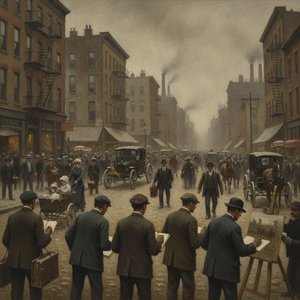
The Ashcan School: Capturing the Raw, Unfiltered Soul of Urban Life through American Realism
Discover the raw beauty of the Ashcan School. Explore how masters like Bellows and Henri captured the gritty, vibrant soul of early 20th-century New York through profound American Realism and evocative urban landscapes.
استكشف الأعمال الفنية المصنفة حسب الموضوعات والأنماط والخصائص.
