

 معاينة الحجم الواقعي
 إرسال
إرسال مشاركة
 عرض التفاصيل
 دليل الأعمال الفنية للطلاب

 تحميل
تحميل
 قطع مشابهة
 الأشعة السينية
 عرض شرائح متتابع
 الإحصائيات
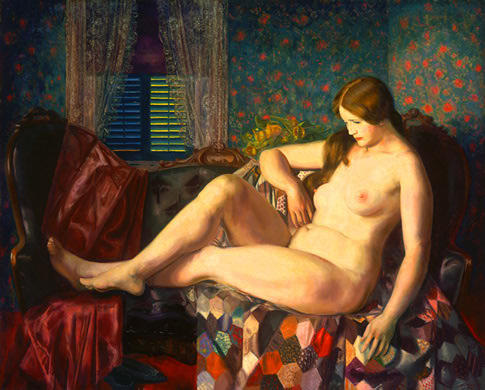
Nude with Hexagonal Quilt


Discover George Bellows’ iconic ‘Nude with Hexagonal Quilt’ (1924). This Ashcan School masterpiece features a unique quilt design and captures the raw energy of early 20th-century America.
 اقرأ المزيد
جورج بيلوز (1882-1925): رسام واقعي أمريكي بارز، اشتهر بتصويره الديناميكي للحياة الحضرية في نيويورك ومشاهد الملاكمة المثيرة. يجسد أسلوبه الجريء روح العصر.
طباعة جيلي / مطبوعات فنية
طباعة جيكلي أو كانفاس بجودة المتاحف، مع سرعة في التنفيذ وخيارات متنوعة للتشطيب. ( اطلب نسخة مرسومة يدويًا التحويل إلى الصورة الرقمية)




P118B $10

P118H $10

P118W $10

P438Z $10

P508JH $12

P508YH $12

P805H $10

P805Z $10

P919BZ $10

P919G $10

P919XJ $10

P959ZH $10

P968JZ $12

W106C $8

W218G $10

W218JH $8

W218Y $10

W307PJ $10

W316G $10

W316PJ $8

W316Y $10

W398PJ $8

W4111J $10

W500HY $15

W500JH $15

W692G $12

W849H $8

W940BG $15

W953PJ $8




مقاس قياسي
مخصص
CM
INCH
اختر من بين أحجامنا المُعدّة مسبقاً والتي تتوافق مع النسب الأصلية للعمل الفني.
Loading sizes...

العرض
الارتفاع
يمكنك إدخال أبعاد خاصة لتناسب إطاراً أو مساحة معينة. وفي حال عدم تطابق الحجم المختار مع نسب الصورة الأصلية، سنقوم إما بقص العمل الفني أو تمديد الصورة باستخدام حافة معكوسة أو لون مصمت. وسيتم إرسال نموذج تجريبي رقمي لاعتمادك قبل بدء عملية الإنتاج.
يرجى ملاحظة أن المعاينة على الشاشة لا تعكس عملية القص أو التمديد الفعلية؛ حيث سيوضح النموذج التجريبي فقط التكوين النهائي بدقة.
وعلى الرغم من توفر أحجام مخصصة، إلا أننا نوصي باختيار أبعاد من القائمة المحددة مسبقاً للحفاظ على النسب الأصلية.
توصيل عالمي إلى خلال أسبوعين بدلاً من المدة القياسية البالغة 4/5 أسابيع. (26 سبتمبر)

شحن سريع ومجاني لجميع أنحاء العالم

قماش كتان فاخر

تأمين شامل على الشحن

ضمان استرداد الرسوم الجمركية

ضمان دقة مطابقة الألوان

سياسة الإرجاع خلال 100 يوم (في حالات العيوب فقط)

ضمان استرداد نقدي بنسبة 100%

عرض خصم الكميات
 خيار الزجاج متاح فقط للمقاسات التي تقل عن 110 سم

Nude with Hexagonal Quilt
طباعة جيلي / مطبوعات فنية
مقاس النسخة المطبوعة
-


إجمالي السعر
$ 69
Nude with Hexagonal Quilt: A Study in Domesticity and Modernity
George Wesley Bellows’s “Nude with Hexagonal Quilt,” painted in 1924, is more than just a depiction of a reclining woman; it's a carefully constructed tableau that encapsulates the burgeoning complexities of American life at the cusp of the 20th century. Emerging from the heart of the Ashcan School movement, Bellows masterfully blends realism with a subtle undercurrent of social commentary and psychological depth, all within a remarkably intimate domestic setting. The painting immediately draws the eye to its central figure – a woman lying on a bed, her posture relaxed yet subtly defiant, radiating an aura of quiet contemplation. This isn’t a classical nude intended for idealized beauty; instead, Bellows presents a figure grounded in reality, her form rendered with a deliberate roughness that reflects the gritty textures of urban existence.
The Quilt as Symbol
The most striking element of the composition is undoubtedly the hexagonal quilt draped across the bed. This isn’t merely decorative; it's a potent symbol, layered with meaning. Quilts were traditionally associated with domesticity, warmth, and family – emblems of rural life and a connection to heritage. However, Bellows subverts this expectation by presenting a complex, geometric pattern, almost jarringly modern in its design. The hexagonal shape itself can be interpreted as representing the fractured nature of contemporary society, hinting at a sense of unease beneath the surface of apparent comfort. Some art historians suggest that the quilt’s intricate design reflects Bellows' own fascination with patterns and textures, mirroring his interest in capturing the visual richness of urban environments.
Contextualizing the Ashcan School
“Nude with Hexagonal Quilt” firmly places itself within the context of the Ashcan School. This movement, which flourished in New York City during the early 20th century, rejected the idealized subjects and polished surfaces of academic art, instead focusing on depicting everyday life – often the less glamorous aspects – with unflinching honesty. Bellows’ work aligns perfectly with this ethos, portraying a scene that feels remarkably unvarnished and authentic. The inclusion of the simple bed, the worn wallpaper, and the modest furnishings all contribute to this sense of realism, grounding the nude figure within a relatable, if slightly unconventional, domestic space. It's a deliberate departure from the heroic narratives typically found in art history.
Technique and Emotional Resonance
Bellows’ technique is characterized by bold brushstrokes and a masterful use of light and shadow. He employs a loose, expressive style that captures the immediacy of the scene while simultaneously conveying a sense of underlying tension. The colors are muted yet vibrant, creating a rich tapestry of textures and tones. Notice how he uses short, choppy strokes to define the quilt’s pattern, contrasting with the smoother application of paint on the woman's skin. This juxtaposition highlights the interplay between the familiar comfort of domesticity and the inherent vulnerability of the human form. The painting evokes a feeling of quiet introspection—a moment of stillness amidst the relentless energy of city life. It invites the viewer to contemplate the complexities of identity, sexuality, and the search for meaning in a rapidly changing world.
TopImpressionists offers meticulously hand-painted reproductions of “Nude with Hexagonal Quilt,” allowing you to bring this iconic work of art into your home or office. Each reproduction is created by skilled artists using archival quality materials, ensuring that it captures the original’s beauty and detail for generations to come.
نبذة عن الفنان
نشأة جورج ويسلي بيلوز: من الرياضة إلى الفن
جورج ويسلي بيلوز، الاسم المرادف للطاقة الخام والحداثة المتصاعدة في أمريكا أوائل القرن العشرين، برز كشخصية محورية في الرسم الواقعي. ولد في كولومبوس، أوهايو، في 12 أو 19 أغسطس 1882، وتمثل رحلته من الوعد الرياضي إلى الشهرة الفنية شهادة على قوة الشغف والتفاني الذي لا يتزعزع. حتى قبل التعليم الرسمي، أظهر جورج الصغير موهبة فطرية في الرسم، وملأ دفاتر الملاحظات برسومات تشير إلى العين الثاقبة والمهارة المتنامية بداخله. لم يركز نشأته على الفن فحسب؛ فقد تفوق في الرياضة، ولعب كل من البيسبول وكرة السلة في جامعة ولاية أوهايو - ازدواجية كان لها تأثير عميق على منظوره الفني، وغرست في عمله إحساسًا بالحركة الديناميكية والجسدية. أكسبته خلفيته الرياضية ليس الانضباط فحسب، بل أيضًا تقديرًا للشكل البشري أثناء الحركة، وهو موضوع سيصبح مركزيًا في لوحاته الأكثر شهرة. ترك الجامعة قبل التخرج مباشرة، مدفوعًا بجاذبية لا تقاوم لمدينة نيويورك ووعد التدريب الفني.تشكيل المسار: مدرسة أشكان وما وراءها
وصل بيلوز إلى نيويورك في عام 1904، وسرعان ما وجد الإرشاد تحت روبرت هنري، وهو شخصية رائدة في مدرسة أشكان. كانت هذه المجموعة من الفنانين - بما في ذلك جون سلوان ووليام جلاكنز وجورج لوكس - تتعمد الابتعاد عن الاتفاقيات الأكاديمية، واختارت بدلاً من ذلك تصوير الحقائق القاسية للحياة الحضرية: المباني المزدحمة، والشوارع الصاخبة، وصراعات العمال الأمريكيين اليومية. تبنى بيلوز هذا الروح بكل إخلاص، وعكس في البداية أسلوب هنري الفضفاض والتزامه بالواقعية الاجتماعية. ومع ذلك، لم يكتفِ بمجرد تكرار أسلوب معلمه؛ فقد كان لديه طموح لتشكيل صوته الفني المتميز. أسس استوديوًا مع زميله الفنان إدوارد كيفي في عام 1906، مما يمثل بداية فترة غزيرة من التجريب والنمو. لاقت أعماله المبكرة، مثل تلك التي عُرضت في عام 1908، ردود فعل متباينة - وجدها بعض النقاد فظة، بينما اعترف آخرون بجرأتها الجريئة وروحها المبتكرة. غالبًا ما كان موضوع بيلوز مثيرًا للجدل بالنسبة لوقته، حيث تحدى المفاهيم السائدة لما يشكل "فنًا مقبولاً". لم يتردد في تصوير الجوانب الأقل بهجة من الحياة الحضرية، والتقاط مشاهد الفقر والعمل والترف بصراحة لا هوادة فيها.ساحة الحياة: الملاكمة ومشهد المدينة
على الرغم من أن أعمال بيلوز شملت مجموعة واسعة من الموضوعات - صور، مناظر طبيعية، مناظر بحرية - إلا أنه ربما اشتهر بتصويره القوي لمباريات الملاكمة. لم تكن هذه مجرد أحداث رياضية بالنسبة له؛ بل كانت بمثابة مصغرات للدراما الإنسانية، تجسد موضوعات الصراع والمرونة والغ instincts البدائية التي تدفع المنافسة. كان يتردد على نوادي الملاكمة الدخانية، ويدرس بدقة حركات المقاتلين، وكثافة نظرتهم، والطاقة الخام للجمهور. تعتبر لوحات مثل *كلا العضوين في هذا النادي* (1909) و *الغزال في شاركي* (1909) أمثلة رائعة لقدرته على التقاط هذه الأجواء، باستخدام الإضاءة الدرامية والتكوينات الديناميكية والشعور الملموس بالتوتر. لم تكن مشاهد الملاكمة تدور حول الرياضة نفسها فحسب؛ بل كانت استعارات لمعارك الحياة، وتعكس الداروينية الاجتماعية السائدة في المجتمع الأمريكي في ذلك الوقت. بالإضافة إلى الملاكمة، وجد بيلوز الإلهام أيضًا في مناظر أخرى من الحياة الحضرية - المسيرات والسيرك والشوارع المزدحمة - وكلها توفر فرصًا لاستكشاف موضوعات الحركة والطاقة والتجربة الجماعية.الأسلوب المتطور والإرث الدائم
مع نضوج بيلوز كفنان، خضع أسلوبه لتطور دقيق ولكنه كبير. على الرغم من احتفاظه بالتزامه بالواقعية، بدأ في الابتعاد عن الأسلوب الفضفاض في سنواته الأولى، وتبنى جمالية أكثر أناقة تتميز بالمنحنيات السلسة والأشكال الضخمة والشعور المتزايد بالدراما. يتضح هذا التحول في الأعمال اللاحقة مثل *ديمبسي وفيربو* (1924)، وهي لوحة ضخمة تصور اللحظة الحاسمة في مباراة ملاكمة أسطورية بكثافة مذهلة. جرب أيضًا الطباعة الحجرية، وأنتج سلسلة من المطبوعات الجذابة التي عرضت إتقانه للخط والتدرج اللوني. على الرغم من تحقيق نجاح كبير خلال حياته - بما في ذلك انتخابه لأكاديمية التصميم الوطنية في عام 1913 - ظل بيلوز ملتزمًا بدفع الحدود الفنية وتحدي الأعراف التقليدية. أدت وفاته المبكرة في عام 1925 عن عمر يناهز 42 عامًا إلى قطع مسيرة واعدة، لكن إرثه يستمر كواحد من أهم رسامي الواقعية الأمريكية. ترك وراءه مجموعة أعمال تواصل صدى لدى الجماهير اليوم، وتقدم صورة قوية وصريحة للحياة الأمريكية في أوائل القرن العشرين - عالم يعج بالطاقة والصراع والروح الإنسانية الدائمة. يمكن رؤى تأثيره في أجيال لاحقة من الفنانين الذين سعوا إلى التقاط الديناميكية والتعقيد للتجربة الحضرية الحديثة. لم يكن جورج بيلوز يرسم صورًا فحسب؛ بل كان يوثق حقبة.الأعمال الرئيسية والتقدير
- *كلا العضوين في هذا النادي* (1909) - عمل أساسي يلتقط أجواء نادي الملاكمة.
- *الغزال في شاركي* (1909) - تصوير أيقوني آخر لمباراة ملاكمة، معروف بإضاءته وتكوينه الدراميين.
- *رجال الأرصفة* (1912) - تصوير قوي للعمال، يوضح مهارة بيلوز في التقاط الجسدية والملمس.
- *وصول الألمان* (1918) - سلسلة من المطبوعات الحجرية تصور الفظائع التي ارتكبت خلال الحرب العالمية الأولى، مما يدل على مشاركته في القضايا الاجتماعية والسياسية.
- *ديمبسي وفيربو* (1924) - لوحة ضخمة تصور لحظة محورية في تاريخ الملاكمة، تعرض أسلوب بيلوز المتطور وإتقانه للتكوين.

جورج ويسلي بيلوز
1882 - 1925 , الولايات المتحدة الأمريكية
لمحة سريعة
- أعمال بارزة:
- Central Park
- The Germans Arrive
- الاسم الكامل: جورج ويسلي بيلوز
- الجنسية: أمريكي
- الحركة الفنية: مدرسة أشكان، الواقعية
- تاريخ الميلاد: 1882
- تاريخ الوفاة: 1925
- فنانون مؤثرون: ['روبرت هنري']
- مكان الميلاد: كولومبوس، الولايات المتحدة
مقالات ذات صلة

Capturing the Soul of Nature: A Journey Through the Sublime Majesty of American Romanticism
Explore the breathtaking beauty of American Romanticism. Discover how Hudson River School masters captured the sublime spirit of the wilderness through luminous oil landscapes and emotional depth. A journey into the soul of nature for the true art enthusiast.

The Unvarnished Truth: A Cultural Journey Through the Soul of American Realism
Explore the profound beauty of American Realism. From the Ashcan School's urban grit to intimate portraits, discover how artists captured the authentic soul of a nation through unvarnished truth and masterful observation.
The Ashcan School: Capturing the Raw, Unfiltered Soul of Urban Life through American Realism
Discover the raw beauty of the Ashcan School. Explore how masters like Bellows and Henri captured the gritty, vibrant soul of early 20th-century New York through profound American Realism and evocative urban landscapes.

Capturing the Light: A Journey Through the Soul of American Impressionism and the Hudson River School
Explore the luminous beauty of American Impressionism and the Hudson River School. Discover a curated journey through light, landscape, and history, celebrating the enduring legacy of masters through exquisite, hand-painted oil reproductions for the discerning art lover.
استكشف الأعمال الفنية المصنفة حسب الموضوعات والأنماط والخصائص.
