

 معاينة الحجم الواقعي
 مشاركة
 مشاركة
 التفاصيل
 دليل
دليل

 تحميل الملف
 قطع مشابهة
 الأشعة السينية
 عرض شرائح
 الأسئلة والأجوبة
 الإحصائيات
Ritz Tower


Georgia O'Keeffe’s iconic "Ritz Tower" captures the grandeur of New York City at night, showcasing her unique modernist style and masterful use of light & shadow. Explore this captivating cityscape painting.
 عرض المزيد
اكتشفوا عالم جورجيا أوكييف! فنانة أمريكية رائدة في الحداثة، اشتهرت بلوحاتها الزهرية المذهلة ومناظرها الطبيعية في نيو مكسيكو. أسلوبها التجريدي الجريء ورؤيتها الفريدة أعادت تعريف الفن الأمريكي.
إن العمل الفني المعروض في هذه الصفحة محمي بموجب قوانين حقوق الطبع والنشر، مما يعني أنه لا يحق لنا قانوناً إنشاء أو بيع نسخ مطابقة له. وتُطبق هذه الحماية بموجب الاتفاقيات الدولية مثل الـ اتفاقية برن ووفقاً للقوانين الوطنية، بما في ذلك تلك المنصوص عليها في قانون حقوق الطبع والنشر في الولايات المتحدة - الباب 17.
تتوافق هذه الطريقة تماماً مع لوائح حقوق النشر لأنها لا تتضمن نسخ أو تكرار العمل الفني المحمي، بل هي إعادة تفسير إبداعية؛ أي أنها لوحة جديدة مستوحاة من الأصل ولكنها ليست مطابقة له.
طباعة جيلي / مطبوعات فنية
طباعة جيكلي أو كانفاس بجودة المتاحف، مع سرعة في التنفيذ وخيارات متنوعة للتشطيب. ( شراء لوحة مرسومة يدويًا الانتقال إلى الصورة الرقمية)




P118B E£10

P118H E£10

P118W E£10

P438Z E£10

P508JH E£12

P508YH E£12

P805H E£10

P805Z E£10

P919BZ E£10

P919G E£10

P919XJ E£10

P959ZH E£10

P968JZ E£12

W106C E£8

W218G E£10

W218JH E£8

W218Y E£10

W307PJ E£10

W316G E£10

W316PJ E£8

W316Y E£10

W398PJ E£8

W4111J E£10

W500HY E£15

W500JH E£15

W692G E£12

W849H E£8

W940BG E£15

W953PJ E£8




قياسي
حسب الطلب
CM
INCH
اختر من بين أحجامنا المُعدّة مسبقاً والتي تتوافق مع النسب الأصلية للعمل الفني.
Loading sizes...

العرض
الارتفاع
أدخل العرض والارتفاع المطلوبين ليتناسب المقاس مع إطارك أو جدارك. يرجى الملاحظة أن المطبوعة يمكن قصها فقط ولا يمكن تكبيرها لتتجاوز أبعاد الصورة الأصلية، لذا فإن اختيار مقاس بأبعاد مختلفة سيؤدي إلى فقدان جزء من الصورة. سنرسل لك نموذجاً رقمياً تجريبياً لاعتماده قبل البدء في عملية الطباعة. الصورة المعروضة في هذه الصفحة لا توضح شكل القص الفعلي — النموذج التجريبي فقط هو ما يظهر ذلك بدقة.
توصيل عالمي إلى خلال أسبوعين بدلاً من المدة القياسية البالغة 4/5 أسابيع. (8 نوفمبر)

شحن سريع ومجاني لجميع أنحاء العالم

قماش كتان عالي الجودة

تأمين شامل على الشحن

ضمان استرداد الرسوم الجمركية

ضمان مطابقة الألوان الحقيقية

سياسة الإرجاع خلال 100 يوم (في حالات العيوب فقط)

ضمان استرداد نقدي بنسبة 100%

خصم عند طلب كميات
 خيار الزجاج متاح فقط للمقاسات التي تقل عن 110 سم

Ritz Tower
طباعة جيلي / مطبوعات فنية
مقاس النسخة المطبوعة
-


إجمالي السعر النهائي
E£ 3667
The Genesis of a Vertical Dream
Georgia O’Keeffe’s 1928 painting, “Ritz Tower,” isn’t merely a depiction of a building; it's a distilled essence of ambition, modernity, and the burgeoning energy of New York City at the dawn of the Jazz Age. Born from a commission for journalist Arthur Brisbane, the Ritz Tower was intended to be a symbol of opulent luxury – a testament to the city’s relentless drive upward. O’Keeffe, already establishing her unique visual language, wasn't simply recording an architectural marvel; she was translating its imposing presence into a powerfully evocative nocturne.
The painting captures a pivotal moment in New York’s urban landscape – a time of rapid construction and soaring skyscrapers. Brisbane envisioned a hotel that would redefine luxury living, and O'Keeffe, with her keen eye for form and light, seized upon the challenge to imbue this monumental structure with an emotional resonance. The painting is not a literal representation but rather a subjective interpretation, filtered through O’Keeffe’s distinctive style.
A Symphony of Shadow and Light
O'Keeffe’s masterful technique lies in her manipulation of light and shadow. The dominant color palette is dominated by deep blacks and grays, creating a sense of dramatic intensity. The towering skyscraper is rendered as a monolithic silhouette against the cloudy sky, its sharp edges softened by the atmospheric haze. Notice how she uses subtle gradations of tone to suggest depth and volume – the building appears to recede into the darkness, yet simultaneously commands attention with its sheer scale.
- Brushwork: O’Keeffe employs a loose, expressive brushstroke, avoiding precise detail. This contributes to the painting's dreamlike quality, blurring the lines between reality and imagination.
- Color Theory: The strategic use of complementary colors – the cool blues and grays against the warm blacks – creates visual tension and dynamism.
- Composition: The verticality of the skyscraper is emphasized through careful placement within the frame, drawing the viewer’s eye upward and reinforcing its imposing presence.
Symbolism in Steel and Stone
Beyond a simple cityscape scene, “Ritz Tower” carries layers of symbolic meaning. The skyscraper itself represents the relentless pursuit of progress and ambition – a tangible manifestation of New York’s aspirations to become a global center of commerce and culture. The dark, brooding sky hints at the challenges and uncertainties inherent in this rapid transformation. Furthermore, the painting can be interpreted as an exploration of scale and perspective, reflecting O'Keeffe's fascination with the relationship between human beings and monumental structures.
Some art historians have suggested that the tower’s stark verticality may also allude to themes of power, dominance, and even a certain sense of isolation – fitting metaphors for the burgeoning metropolis of New York City at the time.A Legacy of Modernism
“Ritz Tower” stands as a significant work in O’Keeffe's oeuvre, exemplifying her evolving style during this period. It demonstrates her ability to transform an ordinary subject – a building – into a powerful and emotionally resonant image. The painting is not just a record of a specific place and time; it’s a meditation on the nature of modernity, ambition, and the human experience within a rapidly changing world. Reproductions of this iconic piece offer a window into O'Keeffe’s artistic vision and her enduring influence on American art.
الأسئلة والأجوبة
ما نوع العمل الفني "Ritz Tower"؟
تُصنف "Ritz Tower" للفنان جورجيا أو كييف ضمن فئة WallArt، ويحدد هذا التصنيف نوع العمل الفني الأصلي.
ما مدى شهرة العمل الفني "Ritz Tower" للفنان جورجيا أو كييف؟
تُصنف لوحة "Ritz Tower" على أنها Iconic.
ما هو الحجم والاتجاه الموصى بهما لطباعة "Ritz Tower"؟
مقاس Medium، واتجاه Tall: هذا هو إعداد الطباعة المقترح لـ "Ritz Tower" للفنان جورجيا أو كييف.
السيرة الذاتية للفنان
جورجيا أو كييف: حياة الفنانة وتشكيلها الفني
جورجيا توتو أو كييف، اسم يتردد صداه في عالم الفن الحديث الأمريكي، ظهرت من خلف المناظر الطبيعية الهادئة في صن برايري، ويسكونسن، عام 1887. ولدت في عائلة إيرلندية ومجرية تعمل في مجال الألبان، أظهرت الشابة جورجيا ميله إلى الفنون منذ سن مبكرة، وقررت بتوجيه من والدتها أن تكرس حياتها للفن، وتحديدًا بعد أن بدأت تعلم الرسم مع الفنانة المحلية سارة مان، ثم استكملت دراستها في أكاديمية الفنون في شيكاغو بين عامي 1905 و 1906، وفي جامعة فرجينيا العظمى لاحقًا. لكن لقاءها بآرثر ويستلي دوجو، الذي شدد على التعبير الشخصي والتوازن بين الألوان والخط، كان بمثابة الشرارة التي أشعلت مسارها الفني حقًا، حيث قادت أو كييف بعيدًا عن الواقعية الصارمة نحو أسلوب أكثر ذاتية وعاطفية، وهو الأسلوب الذي حدد مسيرتها المهنية. لم تكن سنواتها الأولى خالية من التحديات؛ إذ أدت فترات مرض وتشتت إلى تركها الرسم مؤقتًا، لكن شغف الفن دائمًا ما يجذبها مرة أخرى، ويتطور مع كل تجربة جديدة وتأثير ملهم.المدينة الجديدة وعقد ستيلجيتس
حدث التحول الذي لا يُضاهى عام 1916 عندما تم اكتشاف رسومات أو كييف الزخرفية المجردة بواسطة آلفرد ويستلي دوجو، وهو مصور ومجار تجاري مرموق، الذي عرض أعمالها دون علمها مسبقًا، مما أثار حوارًا عميقًا بينهما وشكل مسار الفن الأمريكي بشكل جذري. رأى دوجو في أو كييف موهبة استثنائية تتوافق مع رؤيته الفنية الحديثة، ودعاها إلى مدينة نيويورك عام 1918، حيث لم يوفر لها فقط الدعم المهني بل عزز أيضًا علاقة شخصية عميقة بينهما. وتطورت علاقتهما إلى زواج في عام 1924، مما أسس شراكة فنية وعقلية ديناميكية، وحفز حوارًا ثقافيًا بين الطرفين. وكان دوجو قد أثمن عمل أو كييف بشدة، وعرضها في معرضه الذي يحمل اسم "291"، وروج لها كأحد أبرز الشخصيات الفنية في التيار الحديث الأمريكي، وتحديدًا بعد أن بدأت أو كييف بتطوير أسلوبها المميز - وهو الأسلوب الذي يتميز بالبساطة الجريئة والتكوينات المبسطة والألوان الزاهية بشكل استثنائي - والذي تم التعبير عنه في البداية من خلال تصوير مباني مدينة نيويورك، وفي ذلك ما يُعرف بـ "المدينة الجديدة"، وأكثرها شهرة هي لوحات الزهور الكبيرة التي قام بها أو كييف، والتي غالبًا ما تفسر بطرق مختلفة، لكن أو كييف دائمًا ما رفضت تفسيرًا محددًا لها. كانت هذه الفترة بمثابة نقطة تحول حاسمة في مسيرة أو كييف الفنية، حيث أدت فترات المرض والتشتت إلى تركها الرسم مؤقتًا، لكن الشغف بالفن استمر دائمًا في سحبها مرة أخرى، ويتحول مع كل تجربة جديدة وتأثير ملهم.الجنوب الغربي: مصدر الإلهام الجديد
في حين أن نيويورك قدمت لها منصة مبكرة للنجاح المهني، إلا أن المناظر الطبيعية الأمريكية الغربية هي التي استحوذت حقًا على خيال أو كييف وعززت رؤيتها الفنية الفريدة. كانت زيارتها لأمريكا اللاتينية في عام 1929 بداية علاقة حب دائم مع جمال المنطقة الخلابة الألوان الزاهية وتراثها الثقافي الفريد، حيث استجابت المساحات الشاسعة للصحراء والتكوينات الصخرية الدرامية والهندسة المعمارية القديمة لروح الأرض، وألهمت أو كييف سلسلة جديدة من اللوحات تعكس هذا الجو، وحولت الأشياء البسيطة إلى رموز أيقونية للغرب الأمريكي، وتحديدًا في لوحة "جمجمة البقر الأحمر والأبيض والأسود"، التي تم عرضها عام 1931، والتي تجسد الموت والروح الأمريكية، وتعتبر من أبرز أعمال الفن الحديث. وقد استمرت أو كييف بالرسم بنهم طوال حياتها، واستكشفت موضوعات جديدة ودفعت حدود التجريد، وأصبحت رمزًا للثقافة الأمريكية والتجديد الفني، حيث رفضت القيود والتعريفات التي تفرضها الحركات الفنية السائدة في ذلك العصر، وتحديدًا بعد أن استقرت في منطقة نيومكسيكو عام 1949، إثر وفاة زوجها آلفرد دوجو، وعملت على تأسيس منزل وورشة فنية أصبحت جزءًا لا يتجزأ من هويتها الفنية وشخصيتها.إرث وتأثير دائم
لم تكن أو كييف مجرد فنانة استثنائية، بل كانت أيقونة للإبداع والروح الإنسانية، ألهمت الأجيال القادمة من الفنانات لتحدي الأعراف الاجتماعية والتعبير عن صوتها الخاص في مجال يهيمن عليه الذكور، وتحديدًا بعد أن أصبحت إحدى أبرز الشخصيات الفنية في القرن العشرين، حيث فتحت الطريق لجيل جديد من الفنانين، وحافظت على هويتها الفنية الفريدة، وعرضت رؤيتها للعالم، وتحدت التقاليد الفنية السائدة في ذلك العصر. وقد تركت أو كييف بصمة لا تُضاهى على تاريخ الفن الأمريكي، حيث أصبحت رمزًا للثقافة الأمريكية والتجديد الفني، وحفزت الأجيال القادمة من الفنانين لتحدي الأعراف الاجتماعية والتعبير عن صوتها الخاص في مجال يهيمن عليه الذكور، وتحديدًا بعد أن استقرت في منطقة نيومكسيكو عام 1949، إثر وفاة زوجها آلفرد دوجو، وعملت على تأسيس منزل وورشة فنية أصبحت جزءًا لا يتجزأ من هويتها الفنية وشخصيتها. وقد استمرت أو كييف بالرسم بنهم طوال حياتها، واستكشفت موضوعات جديدة ودفعت حدود التجريد، وأصبحت رمزًا للثقافة الأمريكية والتجديد الفني، وحافظت على هويتها الفنية الفريدة، وعرضت رؤيتها للعالم، وتحدت التقاليد الفنية السائدة في ذلك العصر. وقد تركت أو كييف بصمة لا تُضاهى على تاريخ الفن الأمريكي، حيث أصبحت رمزًا للثقافة الأمريكية والتجديد الفني، وحفزت الأجيال القادمة من الفنانات لتحدي الأعراف الاجتماعية والتعبير عن صوتها الخاص في مجال يهيمن عليه الذكور، وتحديدًا بعد أن استقرت في منطقة نيومكسيكو عام 1949، إثر وفاة زوجها آلفرد دوجو، وعملت على تأسيس منزل وورشة فنية أصبحت جزءًا لا يتجزأ من هويتها الفنية وشخصيتها. وقد استمرت أو كييف بالرسم بنهم طوال حياتها، واستكشفت موضوعات جديدة ودفعت حدود التجريد، وأصبحت رمزًا للثقافة الأمريكية والتجديد الفني، وحافظت على هويتها الفنية الفريدة، وعرضت رؤيتها للعالم، وتحدت التقاليد الفنية السائدة في ذلك العصر.إرث أو كييف وتأثيرها الدائم
تعتبر أو كييف من أهم الفنانات في القرن العشرين، حيث فتحت الطريق لجيل جديد من الفنانات لتحدي الأعراف الاجتماعية والتعبير عن صوتها الخاص في مجال يهيمن عليه الذكور، وحافظت على هويتها الفنية الفريدة، وعرضت رؤيتها للعالم، وتحدت التقاليد الفنية السائدة في ذلك العصر. وقد تركت أو كييف بصمة لا تُضاهى على تاريخ الفن الأمريكي، حيث أصبحت رمزًا للثقافة الأمريكية والتجديد الفني، وحفزت الأجيال القادمة من الفنانات لتحدي الأعراف الاجتماعية والتعبير عن صوتها الخاص في مجال يهيمن عليه الذكور، وتحديدًا بعد أن استقرت في منطقة نيومكسيكو عام 1949، إثر وفاة زوجها آلفرد دوجو، وعملت على تأسيس منزل وورشة فنية أصبحت جزءًا لا يتجزأ من هويتها الفنية وشخصيتها. وقد استمرت أو كييف بالرسم بنهم طوال حياتها، واستكشفت موضوعات جديدة ودفعت حدود التجريد، وأصبحت رمزًا للثقافة الأمريكية والتجديد الفني، وح
جورجيا أو كييف
1887 - 1986 , الولايات المتحدة الأمريكية
حقائق سريعة
- Artistic Movement Or Style: الحديثة، الدقة النمطية
- Artists Who Influenced This Artist:
- آرثر ويستلي داو
- ألفريد ستيلتيز
- Date Of Birth: 1887
- Date Of Death: 1986
- Full Name: جورجيا توتو أو كييف
- Nationality: أمريكية
- Notable Artworks:
- ججمة البقر الأحمر والأبيض والأسود
- أيام الصيف
- زهرة الكانا الحمراء والبيضاء
- Place Of Birth: صن برايري، الولايات المتحدة الأمريكية
مقالات ذات صلة

The Soul of Modernism: Exploring the Bold Colors and New Perspectives of American Abstract Art
Embark on a cultural journey through American Modernism. Explore the evolution from light-drenched Impressionism to the bold, emotional landscapes of Abstract Expressionism with our expert art history insights and museum-quality fine art reproductions.
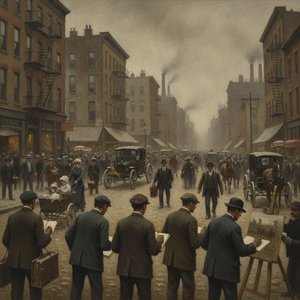
The Ashcan School: Capturing the Raw, Unfiltered Soul of Urban Life through American Realism
Discover the raw beauty of the Ashcan School. Explore how masters like Bellows and Henri captured the gritty, vibrant soul of early 20th-century New York through profound American Realism and evocative urban landscapes.
استكشف الأعمال الفنية المصنفة حسب الموضوعات والأنماط والخصائص.


