


 معاينة الحجم الواقعي
 إرسال
إرسال مشاركة
 عرض التفاصيل
 دليل الأعمال الفنية للطلاب

 تحميل
تحميل
 قطع مشابهة
 الأشعة السينية
 عرض شرائح متتابع
 الإحصائيات
Christ before the High Priest
 Oil On Canvas
- WallArt
- Dutch Baroque
 1617
1617 272.0 x 183.0 cm
 المعرض الوطني
Experience the dramatic intensity of Gerard van Honthorst’s ‘Christ Before the High Priest.’ This 1617 oil painting, rich with chiaroscuro and biblical drama, captures a pivotal moment in art history. Own a stunning reproduction today!
 اقرأ المزيد
جيرارد فان هونثورست: رسام باروكي هولندي متميز، اشتهر بأسلوبه الواقعي واستخدامه المبتكر للضوء والظل (التينبريزمو). اكتشف لوحاته الدينية والصور الشخصية التي تعكس روح العصر الذهبي الهولندي.
طباعة جيلي / مطبوعات فنية
طباعة جيكلي أو كانفاس بجودة المتاحف، مع سرعة في التنفيذ وخيارات متنوعة للتشطيب. ( اطلب نسخة مرسومة يدويًا التحويل إلى الصورة الرقمية)




P118B E£10

P118H E£10

P118W E£10

P438Z E£10

P508JH E£12

P508YH E£12

P805H E£10

P805Z E£10

P919BZ E£10

P919G E£10

P919XJ E£10

P959ZH E£10

P968JZ E£12

W106C E£8

W218G E£10

W218JH E£8

W218Y E£10

W307PJ E£10

W316G E£10

W316PJ E£8

W316Y E£10

W398PJ E£8

W4111J E£10

W500HY E£15

W500JH E£15

W692G E£12

W849H E£8

W940BG E£15

W953PJ E£8




مقاس قياسي
مخصص
CM
INCH
اختر من بين أحجامنا المُعدّة مسبقاً والتي تتوافق مع النسب الأصلية للعمل الفني.
Loading sizes...

العرض
الارتفاع
أدخل العرض والارتفاع اللذين تحتاجهما، ليتناسب مع إطارك أو جدارك. يمكن قص المطبوعة فقط، ولا يمكن أبداً جعلها أكبر من الصورة الأصلية، لذا فإن أي مقاس بشكل مختلف سيؤدي إلى فقدان جزء من الصورة. سنرسل لك نموذجاً رقمياً تجريبياً لاعتماده قبل البدء في عملية الطباعة. الصورة المعروضة في هذه الصفحة لا توضح القص الفعلي — النموذج التجريبي فقط هو ما يظهر ذلك.
توصيل عالمي إلى خلال أسبوعين بدلاً من المدة القياسية البالغة 4/5 أسابيع. (26 أكتوبر)

شحن سريع ومجاني لجميع أنحاء العالم

قماش كتان فاخر

تأمين شامل على الشحن

ضمان استرداد الرسوم الجمركية

ضمان دقة مطابقة الألوان

سياسة الإرجاع خلال 100 يوم (في حالات العيوب فقط)

ضمان استرداد نقدي بنسبة 100%

عرض خصم الكميات
 خيار الزجاج متاح فقط للمقاسات التي تقل عن 110 سم

Christ before the High Priest
طباعة جيلي / مطبوعات فنية
مقاس النسخة المطبوعة
-


إجمالي السعر
E£ 3568
A Dramatic Encounter: Gerard van Honthorst’s “Christ Before the High Priest”
Gerard van Honthorst's "Christ Before the High Priest," painted in 1617, is more than just a biblical scene; it’s a masterclass in Baroque drama rendered in oil on canvas. Currently residing within the esteemed National Gallery in London, this work immediately commands attention with its masterful manipulation of light and shadow – a signature technique that firmly establishes Honthorst as a key figure in the Dutch Golden Age. The painting depicts a pivotal moment: Jesus Christ facing interrogation by High Priest Caiaphas, just hours before his crucifixion. It’s a scene brimming with tension, spiritual weight, and an undeniable sense of impending doom, all expertly conveyed through the artist's keen eye for detail and profound understanding of human emotion.
The Language of Light: Tenebrism and Chiaroscuro
Honthorst’s artistic journey was profoundly shaped by his time in Rome, where he encountered the revolutionary work of Caravaggio. This encounter ignited within him a passion for tenebrism – an approach to painting that utilizes stark contrasts between light and dark to create a theatrical effect. In “Christ Before the High Priest,” this technique is flawlessly executed. A single, unseen light source illuminates Christ’s face and upper body, casting the surrounding figures and the shadowed room in deep darkness. This dramatic interplay of light and shadow isn't merely aesthetic; it serves to draw the viewer’s eye directly to the central figure, emphasizing his vulnerability and the gravity of the situation. The use of chiaroscuro – a specific type of chiaroscuro focusing on subtle gradations of light – adds depth and volume to the figures, making them appear almost tangible within the space.
Composition and Symbolism: A Triangular Narrative
The composition of the painting is carefully constructed, employing a deliberate triangular arrangement that lends stability and balance to the scene. Christ occupies the apex of this triangle, immediately establishing him as the focal point. To his left stands an elderly man, gesturing emphatically towards the figure of Christ – a gesture laden with judgment and perhaps even accusation. Opposite him is a young woman, her expression one of quiet contemplation or perhaps apprehensive interest. These figures, along with the high priest (though not explicitly depicted), contribute to a complex narrative that speaks to themes of faith, betrayal, and divine justice. The dark background, adorned with what appear to be classical sculptures and paintings – remnants of the Marquis Giustiniani’s collection in Rome – subtly references the artistic traditions Honthorst encountered during his formative years, creating a dialogue between Italian Baroque influences and Dutch realism.
A Window into the Dutch Golden Age: Faith, Drama, and Artistic Innovation
“Christ Before the High Priest” stands as a powerful testament to the artistic flourishing of the Dutch Golden Age. Beyond its technical brilliance, the painting reflects the era’s fascination with religious themes and dramatic storytelling. Honthorst wasn't simply replicating biblical scenes; he was imbuing them with an emotional intensity that resonated deeply with his audience. His work exemplifies the period’s commitment to realism while simultaneously embracing theatricality and a heightened sense of drama – qualities that would become hallmarks of Dutch Baroque painting. The piece offers a compelling glimpse into the spiritual and artistic climate of 17th-century Holland, showcasing a dynamic interplay between faith, art, and social context.
TopImpressionists is proud to offer exquisite, hand-painted reproductions of Gerard van Honthorst’s “Christ Before the High Priest.” Each reproduction captures the original's dramatic intensity and meticulous detail, allowing you to bring this iconic masterpiece into your home or office. Explore our collection today and experience the power of Baroque art firsthand.
الأسئلة والأجوبة
أين تقع لوحة "Christ before the High Priest" ضمن الموضوعات المتكررة لدى جيرارد فان هونثورست؟
من بين الثيمات المسجلة لـ جيرارد فان هونثورست - وهي caravaggio’s tenebrism, roman influence, religious interrogation, biblical scene, marquis giustiniani’s collection piece, dramatic light, emotional intensity, honthorst's signature baroque style - يركز عمل "Christ before the High Priest" بشكل خاص على christ, high priest, drama, light, shadow, biblical, baroque, tension.
هل تسمح حقوق الطبع والنشر لـ "Christ before the High Priest" للفنان جيرارد فان هونثورست بإعادة الإنتاج؟
إن الوضع القانوني لحقوق الطبع والنشر لعمل "Christ before the High Priest" للفنان جيرارد فان هونثورست واضح: فالعمل يندرج ضمن ملك عام - انتهت مدة حماية حقوق الطبع والنشر الخاصة به. ولا يغير وجوده في المعرض الوطني من هذا الوضع شيئاً.
هل يمكنني رؤية "Christ before the High Priest" للفنان جيرارد فان هونثورست تحت إضاءات مختلفة؟
يمكن فحص "Christ before the High Priest" طبقة تلو الأخرى عبر صفحة الأشعة السينية الخاصة بالعمل الفني، وهو عرض تفاعلي مستوحى من طاولة الإضاءة التي يستخدمها المرممون، ويقدم إحدى عشرة قراءة بصرية للصورة.
نبذة عن الفنان
نشأة جيرارد فان هونثورست وبداياته الفنية
ظهر جيرارد فان هونثورست في أوتريخت عام 1592، كشخصية محورية تستعد لإضاءة العصر الذهبي الهولندي بفنه الدرامي. بدأ تعليمه على يد والده، وهو رسام زخرفي، لكن موهبة جيرارد الشابة ازدهرت تحت إشراف أبراهام بلومارت، مما وضع أساسًا متينًا له في الرسم والتكوين. ومع ذلك، كانت رحلة تحويلية إلى روما هي التي غيرت مسار تطوره الفني بشكل لا رجعة فيه. هناك، وسط الطاقة المتوقدة للباروك الإيطالي، واجه عمل كارافاجيو الرائد – وهو لقاء سيحدد أسلوبه المميز ويكسبه اللقب المؤثر "جيراردو ديلي نوتي"، أو جيرارد ليال. أصبح الاستخدام الدرامي لتقنية التينبريسم، وهي تقنية تستخدم تباينات حادة بين الضوء والظلام، علامة هونثورست المميزة، مما يضفي على لوحاته إحساسًا ملموسًا بالدراما والعاطفة الشديدة. لم يكن هونثورست مجرد تقليد لكارافاجيو؛ بل كان يترجم ابتكارات الفنان الإيطالي إلى حساسية هولندية مميزة، مع التركيز على المشاهد الحميمة التي تضيئها مصادر الضوء الاصطناعي – الشموع والمصابيح والنيران – مما يخلق جوًا واقعيًا وعميقًا في نفس الوقت. لم يكن هذا الإتقان للضوء مجرد مهارة تقنية؛ بل كان وسيلة للكشف عن الشخصية، لجذب المشاهد إلى صميم المشهد العاطفي لكل لوحة.من الاعتراف الروماني إلى الإتقان الهولندي
تميزت فترة هونثورست في روما بنجاح كبير ورعاية. حظي بتقدير النخبة في المدينة، بما في ذلك فينتشينزو جوستينياني، الذي أنشأ له لوحة "المسيح أمام رئيس الكهنة"، وهي عمل يجسد إتقانه المذهل للضوء والظل. تُظهر هذه اللوحة، الموجودة الآن في المعرض الوطني بلندن، ليس فقط مهارته التقنية ولكن أيضًا قدرته على نقل العمق النفسي العميق داخل شخصياته. عزز سمعته بشكل أكبر من خلال العمل لكوزيمو الثاني دي ميديشي، دوق توسكانا الكبير، مما يدل على قابليته للتكيف وتنوعه الذي سيخدمه جيدًا طوال حياته المهنية. عند عودته إلى أوتريخت حوالي عام 1620، رسخ هونثورست بسرعة مكانته كرسام بورتريه رائد في الجمهورية الهولندية. جعلته قدرته على التقاط ليس فقط الشبه الجسدي ولكن أيضًا شخصية وسلوك اجتماعي لجلسته مرغوبًا فيه للغاية من قبل التجار الأثرياء والنبلاء وحتى الملوك. أصبح رئيس نقابة القديس لوقا في أوتريخت عام 1623، وهو دليل على نفوذه المتزايد داخل المجتمع الفني. شهدت هذه الفترة ازدهارًا للعمولات، مما سمح لهونثورست بتحسين أسلوبه وتأسيس صوت مميز في الرسم الهولندي.فنان بلاط: العمولات والتعاون
امتد نطاق موهبة هونثورست إلى ما وراء هولندا. جذب عمله انتباه السير دادلي كارلتون، الذي أوصى به بحماس للنبلاء الإنجليز البارزين مثل إيرل أrundel ولورد دورشستر. أدى ذلك إلى عمولات من الملكة إليزابيث بوهيميا، شقيقة تشارلز الأول، التي وظفته كرسام ومعلم رسم لأطفالها. بلغت هذه الروابط الملكية ذروتها في أعمال مهمة مثل التصوير المجازي لتشارلز وهنريتا ماريا على أنهما ديانا وأبولو، الموجود الآن في قصر هامبتون. إن استعداد هونثورست للتعاون مع فنانين آخرين يتحدث أيضًا عن انفتاحه وكرمه الفني. استضاف بيتر بول روبنز الشهير خلال زيارته لأوتريخت، ورسمه حتى في مشهد مرح يصور ديوجينيس يبحث عن رجل صادق – وهو دليل على الاحترام المتبادل بين هذين العملاقين الباروكيين. في حين أن بعض الأعمال التعاونية، مثل "أخذ المسيح"، نُسبت في الأصل إلى هونثورست وحده، فقد كشفت الدراسات الحديثة عن مساهمات فنانين آخرين، مما يسلط الضوء على الديناميكيات المعقدة للإنتاج الفني خلال هذه الفترة. لم يكن هذا التعاون يتعلق ببساطة بتقاسم عبء العمل؛ بل كانت تبادلات فكرية أثرت المشهد الفني.الإرث و *أوتريخت كارافاجيستي*
تردد صدى تأثير جيرارد فان هونثورست بعيدًا عن حياته. كان شخصية رئيسية في حركة *أوتريخت كارافاجيستي* – وهي مجموعة من الرسامين الهولنديين الذين تبنوا الواقعية الدرامية والتينبريسم لكارافاجيو. جنبًا إلى جنب مع فنانين مثل هندريك تير بروجن وديرك فان بابورين، ساعد في تأسيس تفسير هولندي متميز للأسلوب الباروكي الإيطالي. ترك تأكيده على مشاهد النوعية التي يضيئها الضوء الاصطناعي وصوره الشخصية المتقنة وقدرته على نقل العمق العاطفي من خلال الاستخدام الماهر للضوء والظل بصمة لا تمحى على تطور الرسم الهولندي الذهبي. حتى شقيقه، ويليم فان هونثورست، اتبع خطاه، وإن كان غالبًا بأعمال نُسبت في الأصل إلى جيرارد بسبب أوجه التشابه الأسلوبية.- لوحات هونثورست تستمر في إبهار الجماهير اليوم.
- جماله الدرامي والبصيرة النفسية هي صفات دائمة.
- رسخ مكانته كشخصية محورية في تاريخ الفن.

جيرارد فان هونثورست
1590 - 1656 , هولندا
لمحة سريعة
- الأعمال البارزة:
- المسيح في الحديقة
- عشاء فاخر
- ديانا وأبولو
- الاسم الكامل: جيرارد فان هونثورست
- الجنسية: هولندي
- الحركة الفنية: باروكي، كرافاجيزم
- الفنانون المؤثرون: ['كارافاجيو']
- الفنانون المتأثرون: ['رسامو أوترخت']
- تاريخ الميلاد: 1590
- مكان الميلاد: أوترخت، هولندا
مقالات ذات صلة

Early Netherlandish Masters: 10 Paintings That Revolutionized Art & Decor
Journey into the world of Early Netherlandish painting! Explore 10 masterpieces by Jan van Eyck, Rogier van der Weyden & more. Discover stunning detail, symbolism & Renaissance art for your home decor. Find museum-quality reproductions on TopImpressionists.com

أعمال ريمبراند فان راين الخالدة: 25 تحفة فنية آسرة لديكور منزلك
اكتشف 25 تحفة فنية لريمبراند فان راين، رائد العصر الذهبي الهولندي. استكشف قصص لوحاته الشهيرة وتقنيات الرسم المذهلة. احصل على إعادة إنتاج عالية الجودة لديكور منزلك الفاخر على TopImpressionists.com

Early Netherlandish Masters: 10 Paintings That Revolutionized Art & Decor
Journey into the Early Netherlandish Renaissance! Explore 10 iconic paintings by Jan van Eyck, Rogier van der Weyden & more. Discover stunning detail, symbolism, and oil painting techniques. Find museum-quality art reproductions for your home at TopImpressionists.com.

Charles-André van Loo: A Study in Rococo Portraiture & the French Court's Artistic Dynamics
Explore the elegant world of Charles-André van Loo, a master of Rococo portraiture at the French court. Discover his life, techniques, and enduring influence on 18th-century art. Hand-painted reproductions available.
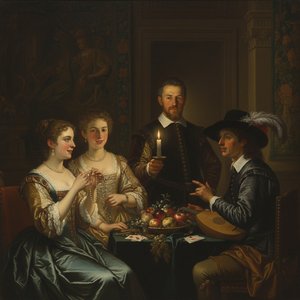
Gerard van Honthorst: Illuminating the Dutch Golden Age with Caravaggism & Courtly Grace
Explore the captivating world of Gerard van Honthorst, a Dutch Golden Age master renowned for his dramatic chiaroscuro & courtly portraits. Discover his life, art, and lasting influence on Baroque painting.
استكشف الأعمال الفنية المصنفة حسب الموضوعات والأنماط والخصائص.
