

المعروض: · بالإطار:
 معاينة الحجم الواقعي
 مشاركة
 مشاركة
 التفاصيل
 دليل
دليل

 تحميل الملف
 قطع مشابهة
 الأشعة السينية
 عرض شرائح
 الأسئلة والأجوبة
 الإحصائيات
- 578.0 x 406.0 cm


E£ 14089
نسخة زيتية مرسومة يدوياً
لوحة زيتية مرسومة يدوياً على الكانفاس بالمقاس والإطار الذي تفضله، تُنفذ حسب الطلب على أيدي فنانينا. ( التبديل إلى نسخة مطبوعة الانتقال إلى الصورة الرقمية)
المقاس
·قياسي
حسب الطلب
CM
INCH
اختر من بين أحجامنا المُعدّة مسبقاً والتي تتوافق مع النسب الأصلية للعمل الفني.
جاري تحميل المقاسات...

العرض
الارتفاع
أدخل العرض والارتفاع اللذين تحتاجهما ليتناسب العمل مع إطارك أو جدارك. وبما أن هذه اللوحة مرسومة يدوياً، ففي حال اختيار مقاس بأبعاد مختلفة، يمكن للفنان رسم مساحة إضافية حول الصورة أو تقليصها قليلاً — الخيار لك. سنرسل لك نموذجاً رقمياً تجريبياً لاعتماده قبل البدء في الرسم. علماً بأن الصورة المعروضة في هذه الصفحة لا تعكس النتيجة النهائية الحقيقية، فالنموذج التجريبي هو الوحيد الذي يوضح ذلك بدقة.
 للمزيد من المعلومات
إنهاء
·
أبيض E£1

حواف ضبابية E£1

ممتد الحواف E£1

P118B E£10

P118H E£10

P118W E£10

P438Z E£10

P508JH E£12

P508YH E£12

P805H E£10

P805Z E£10

P919BZ E£10

P919G E£10

P919XJ E£10

P959ZH E£10

P968JZ E£12

W106C E£8

W218G E£10

W218JH E£8

W218Y E£10

W307PJ E£10

W316G E£10

W316PJ E£8

W316Y E£10

W398PJ E£8

W4111J E£10

W500HY E£15

W500JH E£15

W692G E£12

W849H E£8

W940BG E£15

W953PJ E£8

H24-GOLD E£30

H24-SILVER E£30

H36-GOLD E£45

H36-SILVER E£45
تُشحن في أنبوب واقٍ، لتكون جاهزة للتأطير لدى فني الإطارات الخاص بك.
للقطع التي يتجاوز طولها ١٠٥ سم، يتم شحن الإطار كمجموعة مخصصة لخبراء التأطير — اقرأ التفاصيل.
خدمات إضافية
اختياريماذا تشمل الإضافات؟
أمثلة على ما يمكن تغييره: استبدال الوجه بصورة العميل؛ إضافة حيوان أليف (على سبيل المثال، استبدال قطة بكلب)؛ تضمين رسالة مخفية في الخلفية؛ تغيير المناظر الطبيعية أو العناصر في الخلفية.
بعد الطلب، سيقوم فريق TopImpressionists.com بمراسلة العميل عبر البريد الإلكتروني للحصول على التعليمات وتزويده بمعاينة تجريبية للعمل
بعد الطلب، سيقوم فريق TopImpressionists.com بمراسلة العميل عبر البريد الإلكتروني للحصول على التعليمات وتزويده بمعاينة تجريبية للعمل
توصيل عالمي إلى خلال 3 إلى 4 أسابيع بدلاً من المدة المعتادة البالغة 5 أسابيع. (7 نوفمبر). جودة لا تهاون فيها.
ورنيش واقٍ
بطاقة التعريف
تفاصيل اللوحة البرونزية المحفورة
This elegant plaque features the artist's name and the title of the artwork, finely engraved for a timeless presentation.
It is made from bronze with a refined, elegant finish. The text is precisely laser-engraved for a sharp and permanent result. Measuring 9x2 cm, the plaque is compact yet easy to read. It's built to be durable and scratch-resistant, offering a professional, museum-quality look. Mounting is simple thanks to the included adhesive backing.
تفاصيل اللوحة الأكريليكية الشفافة
The plaque includes essential engraved details such as the artist's name, the title of the artwork, the date it was created, the type of media used-like oil on canvas or watercolor-a brief description of the piece, and a QR code that links to the complete artwork information.
It is crafted from clear acrylic, offering a sleek, modern appearance. The text is UV-engraved in black to ensure strong visual contrast. With a size of 10x15 cm, it ensures optimal readability. It comes equipped with two metal hooks for secure wall mounting. The plaque is designed to be weather-resistant, making it suitable for various environments, and it includes interactive features that work seamlessly with smartphone scanning.
تفاصيل اللوحة الأكريليكية السوداء
This elegant plaque includes engraved information such as the artist's name, the title of the artwork, the date it was created, the type of media used (like oil on canvas or watercolor), a short description of the artwork, and a QR code for quick access to more information.
The plaque itself is made from refined black acrylic with a premium finish. The text is laser-engraved in white for high contrast and readability. Its size is 10x15 cm, designed to be easy to read. It comes with two metal hooks for professional mounting. The design is sleek and fits any interior style. It is also weather-resistant and durable, with built-in digital integration for mobile compatibility.
خيار الزجاج متاح فقط للمقاسات التي تقل عن 110 سم
 خيار الزجاج متاح فقط للمقاسات التي تقل عن 110 سم
- شحن سريع ومجاني لجميع أنحاء العالم
- قماش كتان عالي الجودة
- تأمين شامل على الشحن
- ضمان استرداد الرسوم الجمركية
- ضمان مطابقة الألوان الحقيقية
- سياسة الإرجاع خلال 100 يوم (في حالات العيوب فقط)
- ضمان استرداد نقدي بنسبة 100%
- خصم عند طلب كميات


وصف القطعة المقتناة
Explore Giotto di Bondone (1267-1337), the revolutionary Italian painter! Discover his proto-Renaissance frescoes, naturalism & emotional depth in works like the Scrovegni Chapel. A key figure in art history.
السيرة الذاتية للفنان
اكتشف جيوتو دي بوندوني (1267-1337)، الرائد الإيطالي الذي أحدث ثورة في الفن! استكشف أعماله الجدارية الأولية من عصر النهضة، وطبيعته، وعمقه العاطفي في أعمال مثل كنيسة سكروفيني. شخصية أساسية في تاريخ الفن.
عن اللوحة
The Dawn of Humanism: Giotto’s Revolutionary Vision
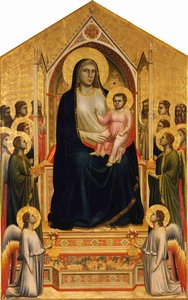
In the quiet, hallowed nave of the Santa Maria Novella basilica in Florence, a monumental presence commands the gaze of all who enter. The Crucifix (11), a masterpiece birthed around 1290 by the Florentine visionary Giotto di Bondone, stands as more than just a religious icon; it is a profound threshold between two worlds. At a time when the art of Europe was largely defined by the rigid, flattened, and ethereal conventions of the Byzantine style, Giotto dared to introduce the weight of humanity. This massive tempera on wood panel, measuring an awe-inspiring 578 x 406 cm, captures the precise moment when the spiritual began to embrace the physical, marking the first tremors of the Renaissance.
The composition is a masterclass in dramatic tension and emotional gravity. At its heart, the figure of Jesus hangs upon the cross, yet he is not the stylized, weightless icon of previous centuries. Instead, Giotto employs a revolutionary naturalism, emphasizing the earthly heaviness of the body. The subtle anatomical details and the palpable sense of physical suffering invite the viewer to empathize with the divine. Flanking the central figure are Mary Magdalene and John, whose presence provides a poignant emotional anchor. Through their gestures and expressions, Giotto weaves a narrative of grief and devotion that transcends the wood and pigment, pulling the observer into the very heart of the tragedy.
A Symphony of Technique and Light
To behold this work is to witness the mastery of traditional media pushed to new expressive heights. Using tempera and gold on a vast wood panel, Giotto utilized the luminosity of gold not merely for ornamentation, but to create a celestial backdrop that contrasts sharply with the visceral reality of the crucifixion. The ornate design above Christ’s head adds an element of elegance, yet it never distracts from the raw, human drama unfolding below. His ability to manipulate color and light creates a sense of three-dimensional depth that was radical for the late 13th century, effectively breaking away from the two-dimensional flatness of his predecessors.
For the discerning collector or interior designer, a high-quality reproduction of this Crucifix offers more than just a decorative element; it brings a piece of art history’s most significant turning point into a contemporary space. The painting's scale and its ability to command attention make it an ideal focal point for grand halls or curated galleries. It serves as a conversation piece that speaks to the enduring power of human emotion and the timeless beauty of Florentine craftsmanship. Whether placed in a setting of classical elegance or modern minimalism, the Crucifix (11) radiates a profound sense of history, depth, and spiritual resonance.
الأسئلة والأجوبة
ما هي لوحة الألوان واللون الطاغي الذي يميز "Crucifix (11)"؟
الهوية اللونية لـ "Crucifix (11)" للفنان جوتو دي بوندوني: لوحة ألوان ألوان ترابية، يطغى عليها لون بني إسبريسو (#40231b).
إلى أي حركة فنية ينتمي العمل "Crucifix (11)" للفنان جوتو دي بوندوني؟
تنتمي "Crucifix (11)" للفنان جوتو دي بوندوني إلى حركة Proto-Renaissance، التي تمنح العمل سياقه الأسلوبي.
هل تُعد "Crucifix (11)" من الأعمال الشهيرة في حركة Proto-Renaissance؟
تندرج لوحة "Crucifix (11)" ضمن حركة Proto-Renaissance، وتتمتع بمستوى شعبية أيقوني.
حقائق سريعة واختبار فني
عن جوتو دي بوندوني

جوتو دي بوندوني
1267 - 1337, إيطاليا
السيرة الذاتية للفنان
جوتو دي بوندوني: رائد الواقعية والتعبير في الفن الإيطالي
في قلب توسكانا، وعلى سفوح التلال التي تحتضن فلورنسا، وُلد جوتو دي بوندوني حوالي عام 1267، ليصبح أحد أكثر الشخصيات تأثيرًا في تاريخ الفن. لم يكن مجرد فنان، بل كان ثورة بصرية، جسد التحول من القيود الأسلوبية للعصور الوسطى إلى آفاق عصر النهضة. تقول الأسطورة أن جوتو، وهو صبي يرعى الغنم، رسم أغنامه على الصخور بدقة مذهلة، لفتت انتباه الفنان العظيم تشيمابوي، الذي أخذه تحت رعايته. سواء كانت هذه القصة حقيقية أم مجرد رمز، فإنها تلخص جوهر موهبة جوتو: قدرة فطرية على التقاط العالم الطبيعي بعمق عاطفي وواقعية لم يسبق لها مثيل.
تعلم جوتو من تشيمابوي تقنيات الرسم، لكنه سرعان ما تجاوز أستاذه. كان الفن البيزنطي السائد في ذلك الوقت يعتمد على شخصيات مجردة، ومنظور مسطح، وخلفيات ذهبية فاخرة – رموز للتسامي الروحي أكثر من كونها تمثيلات دنيوية. بينما سعى جوتو إلى تصوير البشرية ليس كأيقونات أثيرية، بل كأفراد يتمتعون بمشاعر حقيقية، ويعيشون في فضاء ملموس. بدأ يلاحظ الضوء والظل ليس كمجرد عناصر زخرفية، بل كأدوات لنحت الأشكال وخلق العمق. هذا الميل نحو الواقعية الناشئة كان واضحًا في مساهماته في الفسيفساء في الكنيسة العلوية لسان فرانسيس في أسيزي – على الرغم من أن نسبة جوتو فيها لا تزال موضع نقاش، إلا أن العديد من العلماء يعترفون بلمسته في مشاهد تظهر انحرافًا ملحوظًا عن الجماليات البيزنطية السائدة. لم يكن جوتو يرفض التقاليد فحسب، بل كان يبني عليها، ويغرس الأشكال الراسخة بحس إنساني جديد ورنين عاطفي.
الفضاء والعمق: الفسيفساء في كنيسة سكروفيجي
تعتبر الفسيفساء في كنيسة سكروفيجي (المعروفة أيضًا باسم كنيسة الساحة) في بادوا تحفة فنية لا مثيل لها، وهي تتويج لرحلة جوتو الفنية. بين عامي 1305 و 1310، حول جوتو هذه الكنيسة الصغيرة إلى عالم من المشاهد المذهلة التي تصور قصة حياة المسيح والعذراء مريم. لم تكن هذه الفسيفساء مجرد زخرفة دينية؛ بل كانت سردًا بصريًا قويًا، مليئًا بالعواطف والتفاصيل الواقعية. الشخصيات ليست مجرد رموز مقدسة، بل هي بشر حقيقيون يعانون ويحبون ويفرحون ويحزنون. يستخدم جوتو المنظور بطريقة مبتكرة لخلق وهم بالعمق، مما يجذب المشاهد إلى قلب الحدث. المشهد الجذّاب للحكم الأخير، الذي يغطي أحد جدران الكنيسة بأكملها، هو شهادة قوية على مهارة جوتو في تصوير كل من العظمة الإلهية والضعف البشري.
ما وراء الفسيفساء: الهندسة المعمارية والتأثير الدائم
لم يقتصر إبداع جوتو على الفسيفساء؛ فقد كان أيضًا مهندسًا معماريًا موهوبًا. في عام 1334، تم تكليفه بتصميم الجرس (البرج) لكاتدرائية فلورنسا، وهو مشروع أظهر نهجه المبتكر في الشكل المعماري. على الرغم من وفاته قبل اكتماله، إلا أن تصاميمه وضعت الأساس لهذا المعلم الفلورنسي الشهير. كان تأثيره على الأجيال اللاحقة من الفنانين لا يُقاس. لقد جسر الفجوة بين العصور الوسطى وعصر النهضة، ومهد الطريق لإنجازات فنانين عظماء مثل ماساشيو وليوناردو دا فينشي ومايكل أنجلو. وصف جورجيو فاساري، في كتابه "حياة الفنانين"، جوتو بأنه "منحه الفن العظيم تقنية الرسم من الحياة"، وهو شهادة على تأثيره العميق على مسار الفن الغربي.
إرث جوتو: نقطة تحول في تاريخ الفن
لم يقتصر إرث جوتو على التقنيات الجديدة التي قدمها، بل امتد إلى تغيير الطريقة التي نظر بها الناس إلى الفن. لقد أظهر أن الفن يمكن أن يكون أكثر من مجرد تمثيل رمزي للعالم الروحي؛ يمكن أن يكون وسيلة للتعبير عن المشاعر الإنسانية، ورواية القصص، والاحتفاء بجمال العالم المادي.
- ثورة في الرسم: تحول من التجريد البيزنطي إلى الواقعية والتعبير العاطفي.
- رائد المنظور: قدم تقنيات لخلق العمق والوعي المكاني في اللوحات.
- سرد القصص الماهر: ابتكر حكايات مقنعة من خلال دورات الفسيفساء، مثل كنيسة سكروفيجي.
- مساهمات معمارية: صمم الجرس لكاتدرائية فلورنسا، مما يدل على مهاراته المعمارية.
حقائق سريعة عن جوتو دي بوندوني
- أعمال فنية بارزة:
- كنيسة سكروفيني
- الماドンنا في أوجنيسانتي
- برج الجرس
- الاسم الكامل: جيوتو دي بوندوني
- الجنسية: إيطالي
- الحركة الفنية: النهضة المبكرة
- الفنانون المؤثرون: ['سيمابوي']
- الفنانون المتأثرون:
- ماسّاشيو
- النهضة الفنية
- تاريخ الميلاد: ج. 1267
- مكان الميلاد: فلورنسا، إيطاليا
استكشف الأعمال الفنية المصنفة حسب الموضوعات والأنماط والخصائص.




![سكروفيني - [05] - حلم يواكيم](/media/artworks/images-thumb/8f/67/8f67bb5da87296bd452b3f0b237b528d.jpg)


جوتو دي بوندوني
Crucifix (11)
() ·
بالإطار: · رُسمت يدوياً بالزيت على الكتان
الإجمالي