

 معاينة الحجم الواقعي
 إرسال
إرسال مشاركة
 عرض التفاصيل
 دليل الأعمال الفنية للطلاب

 تحميل
تحميل
 قطع مشابهة
 الأشعة السينية
 عرض شرائح متتابع
 Q&A
Q&A الإحصائيات
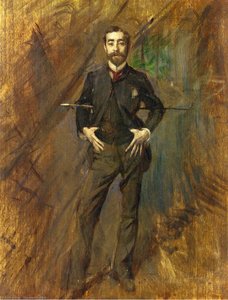
A Midsummer Night's Dream

- 81.0 x 116.0 cm


Experience the elegance of Giovanni Boldini's 'A Midsummer Night's Dream.' This Impressionist masterpiece captures a graceful scene with dynamic brushwork and Parisian charm – a timeless portrait.
 اقرأ المزيد
جيوفاني بولديني (1842-1931) رسام إيطالي انطباعي اشتهر بصور الباريسيين الأنيقة وأسلوبه الديناميكي الساحر. اكتشف فن "سيد الانسياب"! #بولديني #انطباعية #باريس
طباعة جيلي / مطبوعات فنية
طباعة جيكلي أو كانفاس بجودة المتاحف، مع سرعة في التنفيذ وخيارات متنوعة للتشطيب. ( اطلب نسخة مرسومة يدويًا التحويل إلى الصورة الرقمية)




P118B E£10

P118H E£10

P118W E£10

P438Z E£10

P508JH E£12

P508YH E£12

P805H E£10

P805Z E£10

P919BZ E£10

P919G E£10

P919XJ E£10

P959ZH E£10

P968JZ E£12

W106C E£8

W218G E£10

W218JH E£8

W218Y E£10

W307PJ E£10

W316G E£10

W316PJ E£8

W316Y E£10

W398PJ E£8

W4111J E£10

W500HY E£15

W500JH E£15

W692G E£12

W849H E£8

W940BG E£15

W953PJ E£8




مقاس قياسي
مخصص
CM
INCH
اختر من بين أحجامنا المُعدّة مسبقاً والتي تتوافق مع النسب الأصلية للعمل الفني.
Loading sizes...

العرض
الارتفاع
أدخل العرض والارتفاع اللذين تحتاجهما، ليتناسب مع إطارك أو جدارك. يمكن قص المطبوعة فقط، ولا يمكن أبداً جعلها أكبر من الصورة الأصلية، لذا فإن أي مقاس بشكل مختلف سيؤدي إلى فقدان جزء من الصورة. سنرسل لك نموذجاً رقمياً تجريبياً لاعتماده قبل البدء في عملية الطباعة. الصورة المعروضة في هذه الصفحة لا توضح القص الفعلي — النموذج التجريبي فقط هو ما يظهر ذلك.
توصيل عالمي إلى خلال أسبوعين بدلاً من المدة القياسية البالغة 4/5 أسابيع. (1 نوفمبر)

شحن سريع ومجاني لجميع أنحاء العالم

قماش كتان فاخر

تأمين شامل على الشحن

ضمان استرداد الرسوم الجمركية

ضمان دقة مطابقة الألوان

سياسة الإرجاع خلال 100 يوم (في حالات العيوب فقط)

ضمان استرداد نقدي بنسبة 100%

عرض خصم الكميات
 خيار الزجاج متاح فقط للمقاسات التي تقل عن 110 سم

A Midsummer Night's Dream
طباعة جيلي / مطبوعات فنية
مقاس النسخة المطبوعة
-


إجمالي السعر
E£ 3610
A Midsummer Night's Dream: A Glimpse of Parisian Elegance
Giovanni Boldini’s "A Midsummer Night's Dream," painted in 1897, is more than just a depiction of a woman on horseback; it's an embodiment of late 19th-century Parisian elegance and the vibrant spirit of Impressionism. The painting captures a fleeting moment – a graceful figure seemingly suspended between movement and stillness, surrounded by a lively scene that hints at a nocturnal celebration. Boldini’s mastery lies in his ability to convey both dynamism and refinement within a single frame, making this artwork a captivating subject for art enthusiasts and collectors alike.Impressionistic Technique and Artistic Details
The painting itself measures 81 x 116 cm and is executed with oil on canvas, showcasing Boldini’s signature style. The loose brushstrokes characteristic of Impressionism are evident throughout the piece, creating a sense of movement and spontaneity. Notice how the artist doesn't meticulously define every detail but instead uses color and light to suggest form and atmosphere. The central figure, a woman in a flowing white dress, is balanced atop a horse, her posture conveying both control and grace. The surrounding figures are less sharply defined, contributing to the overall impression of a lively, perhaps slightly chaotic, gathering. A bird perched in the upper left corner and a clock visible on the wall add intriguing details that enrich the narrative possibilities within the scene. The color palette is dominated by soft hues – creams, whites, and muted browns – with splashes of red and blue adding visual interest and depth.Historical Context: Boldini's Parisian Era
"A Midsummer Night’s Dream" was created during a pivotal period in Boldini’s career, when he had firmly established himself as one of the leading portrait painters in Paris. The late 1890s were a time of great social and artistic ferment in Paris, marked by a flourishing Belle Époque culture that celebrated beauty, leisure, and innovation. Boldini's work perfectly reflects this atmosphere, capturing the essence of Parisian high society with his characteristic flair for elegance and sophistication. His ability to portray not just likeness but also personality made him highly sought after by wealthy patrons eager to immortalize themselves in art. This painting is a testament to that era’s appreciation for beauty and refined living.Symbolism and Emotional Impact
While seemingly straightforward, "A Midsummer Night's Dream" carries layers of symbolic meaning. The title itself evokes Shakespearean themes of fantasy, enchantment, and transformation – suggesting a world beyond the ordinary. The woman on horseback can be interpreted as a symbol of power, freedom, or perhaps even a journey through life’s complexities. The surrounding figures contribute to a sense of revelry and celebration, hinting at a night filled with music, laughter, and romance. Emotionally, the painting evokes feelings of joy, lightness, and a touch of mystery. The overall impression is one of fleeting beauty and ephemeral moments – capturing the essence of a dreamlike experience.Boldini's Legacy: Other Notable Works
Giovanni Boldini was a prolific artist whose career spanned several decades. Beyond "A Midsummer Night’s Dream," he created numerous other masterpieces that showcase his unique talent. Some notable works include “Madame Veil-Picard,” which exemplifies his skill in portraiture, and “Reclining Nude,” demonstrating his exploration of the human form. "The Two Children" offers a glimpse into his ability to capture intimate family moments with tenderness and sensitivity. These paintings, along with "A Midsummer Night's Dream," can be found on TopImpressionists.com, alongside works by other renowned artists, offering a comprehensive view of Boldini’s artistic contributions. The Museum BOZAR in Belgium is also worth exploring for its diverse collection of art and cultural events.الأسئلة والأجوبة
من هو مؤلف "A Midsummer Night's Dream"، وفي أي مدرسة فنية؟
أبدع جيوفاني بولديني لوحة "A Midsummer Night's Dream" بأسلوب Impressionism. ويحدد الفنان والمدرسة الفنية التراث الذي ينتمي إليه هذا العمل.
ما هي الغرفة التي يُنصح بوضع "A Midsummer Night's Dream" للفنان جيوفاني بولديني فيها، بالنظر إلى ألوانه؟
بالنظر إلى ألوانه التي تتميز بـ Earthy، يُقترح وضع لوحة "A Midsummer Night's Dream" في Living Room.
ما هي الأجواء التي يضفيها "A Midsummer Night's Dream"؟
تتمثل الحالة المزاجية العامة لـ "A Midsummer Night's Dream" للفنان جيوفاني بولديني في Romantic. وتصف هذه الحالة الأجواء العامة للعمل الفني.
أعمال فنية مشابهة




نبذة عن الفنان
سيد الانسيابية: حياة وفن جيوفاني بولديني
جيوفاني بولديني، الاسم الذي اقترن بالأناقة والجاذبية في عصر "بيل إيبوك"، كان فناناً إيطالياً استطاع أن يحفر لنفسه مكانة مرموقة في المجتمع الباريسي كرسام بورتريه شهير. ولد في 31 ديسمبر 1842، في فيرارا بإيطاليا، وبدأت رحلته الفنية تحت إشراف والده، الذي كان رساماً متخصصاً في المواضيع الدينية. هذا التعرض المبكر غرس فيه فهماً تأسيسياً للتقنية والتكوين، ومع ذلك، فإن انتقاله إلى فلورنسا عام 1862 هو ما أشعل روحه الإبداعية حقاً؛ فهناك التقى بمجموعة "ماكيايولي"، وهم رسامون واقعيون إيطاليون مهدوا الطريق للانطباعية من خلال تركيزهم على الضوء واللون والتنفيذ العفوي. كان هذا اللقاء محورياً، حيث أضفى حيوية جديدة واستجابة للطبيعة على لوحاته الطبيعية، لكنه في نهاية المطاف حقق شهرة دائمة من خلال التقاط جوهر شخصياته عبر فن البورتريه.من فلورنسا إلى المجتمع الباريسي
قاد المسار الفني لبولديني أولاً إلى لندن، حيث نال سريعاً الاعتراف من خلال صوره لشخصيات بارزة مثل الليدي هولاند ودوقة وستمنستر. مهد هذا النجاح المبكر الطريق لانتقاله إلى باريس عام 1872، المدينة التي أصبحت موطناً وملهمة له في آن واحد. في باريس، انغمس بولديني في الوسط الفني، وصادق إدغار ديغا، وتغلغل في المشهد الاجتماعي المعقد للعاصمة الفرنسية. طور أسلوباً مميزاً يتسم بالسيولة والديناميكية ولمسة مسرحية تقريباً؛ فلم تكن ضربات فرشاته مجرد وصف للملامح، بل بدت وكأنها تلتقط الحركة والشخصية وحتى الهواء المحيط بموضوعاته. هذا النهج الفريد أكسبه لقب "سيد الانسيابية" في عام 1933، وهو شهادة على الطاقة الرشيقة التي تخللت أعماله. لقد أصبح رسام البورتريه المفضل للطبقة الراقية في باريس، حيث خلد الحياة البراقة للممثلات، والاجتماعيات، وأفراد الطبقة الأرستقراطية.التقنية والمؤثرات
كانت تقنية بولديني ساحرة بقدر الشخصيات التي صورها؛ فلوحاته كانت غالباً ذات أبعاد كبيرة، مما سمح له بنقل إحساس بالعظمة والحضور. استخدم ضربات فرشاة حرة وتعبيرية، حيث كان يبني طبقات من الألوان لخلق الملمس والعمق. هذا النهج، مقترناً بعينه الثاقبة للتفاصيل وقدرته على التقاط التعبيرات العابرة، نتج عنه صور بورتريه واقعية بشكل مذهل ومشبعة بإحساس لا ينكر بالأناقة. وبينما تأثر بتركيز جماعة "ماكيايولي" على الضوء والعفوية، استمد بولديني الإلهام أيضاً من فنانين مثل جون سينجر سارجنت وبول هيليو، الذين تماهت ضربات فرشاتهم الديناميكية مع حساسياته الفنية. لم يكن مجرد إعادة إنتاج للملامح، بل كان يخلق انطباعات—تمثيلات موحية للشخصية والمكانة الاجتماعية. لم تكن صوره مجرد صور؛ بل كانت تعبيرات فنية قوية.الإرث وإعادة الاكتشاف
طوال مسيرته المهنية، عرض بولديني أعماله على نطاق واسع، بما في ذلك بينالي البندقية في أعوام 1895، 1903، 1905، و1912. وقد نال وسام جوقة الشرف (Légion d'honneur) تقديراً لإسهاماته في الفنون، مما عزز مكانته كشخصية رائدة في عالم الفن الباريسي. ومع ذلك، مع نهاية حياته، تراجعت شعبية بولديني مع تغير الأذواق الفنية؛ ورغم استمراره في الرسم، إلا أن أعماله غابت نوعاً ما عن الأنظار حتى شهدت العقود الأخيرة انتعاشاً ملحوظاً في الاهتمام به. إن إعادة اكتشاف الأعمال المفقودة، مثل البورتريه الساحر لـ "مارث دي فلوريان" الذي عُثر عليه مخبأً في شقة باريسية عام 2010، قد أعادت إشعال التقدير لفن بولديني وجذبت انتباهاً متجدداً لمساهمته الكبيرة في فن عصر "بيل إيبوك". إن القصة المحيطة بهذه اللوحة—كنز منسي تم استخراجه بعد عقود من العزلة—تزيد فقط من الغموض الذي يحيط بكل من الفنان وموضوعاته.أثر لا يمحى
رحل جيوفاني بولديني عن عالمنا في باريس في 11 يناير 1931، تاركاً وراءه إرثاً كواحد من أكثر رسامي البورتريه أناقة وابتكاراً في عصره. ولا تزال أعماله تلهم الفنانين وعشاق الفن على حد سواء، حيث تقدم لمحة عن عصر مضى من الأناقة والرقي والبراعة الفنية. لم يكن مجرد موثق للمجتمع؛ بل كان يحتفي به—ملتقطاً جماله وطاقته وجاذبيته الخالدة على قماش اللوحة. تظل بورتريهات بولديني شهادات قوية على مهارته، ورؤيته، وقدرته على تحويل فعل الرسم إلى عرض فني آسر.- يمكن رؤية تأثير بولديني في فن البورتريه المعاصر.
- تُعرض أعماله في المتاحف الكبرى حول العالم.
- يستمر إعادة اكتشاف الأعمال المفقودة في تغذية الاهتمام الأكاديمي والبحثي.

جيوفاني بولديني
1842 - 1931 , إيطاليا
لمحة سريعة
- أعمال بارزة:
- كونتيسة راستي
- الآلة في مارلي
- الاسم الكامل: جيوفاني بولديني
- الجنسية: إيطالي
- الحركة الفنية: انطباعية
- تاريخ الميلاد: 31 ديسمبر 1842
- تاريخ الوفاة: 11 يوليو 1931
- فنانون أثروا به: ['مجموعة الماكيايولي']
- فنانون تأثروا به: ['جون سينجر سارجنت']
- مكان الميلاد: فيرارا، إيطاليا
مقالات ذات صلة

Capturing the Light: A Journey Through the Ethereal Magic of Impressionism and Post-Impressionism
Embark on a cultural journey through the luminous world of Impressionism. Discover the profound beauty of Monet, Van Gogh, and Cézanne through expert art history insights and explore how to bring these timeless masterpieces into your home with museum-quality hand-painted reproductions.