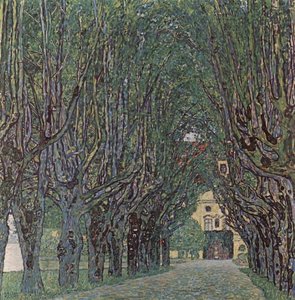
A Vision of Tranquility: Exploring Gustave Klimt’s Idylle
Gustave Klimt, born July 14, 1862, in Baumgarten near Vienna, stands as a cornerstone of Austrian Symbolist art and arguably the most celebrated practitioner of Art Nouveau. His artistic journey began amidst modest beginnings—his father, Ernst Klimt, was a goldsmith, instilling within young Gustav an appreciation for meticulous craftsmanship and the transformative power of precious metals—a fascination that would permeate his oeuvre.
- Early Influences: Klimt’s formative years were marked by frequent relocations within Vienna, fostering a keen observational eye and sensitivity to human experience.
- Formal Training: He pursued architectural painting under Ferdinand Laufberger at the Vienna Kunstgewerbeschule, gaining invaluable technical skills while simultaneously encountering the prevailing academic styles of his time.
However, Klimt swiftly transcended these conventions, forging a path toward artistic innovation that would propel him to international acclaim. His embrace of Art Nouveau—characterized by flowing lines, organic forms, and opulent ornamentation—represented a radical departure from traditional aesthetics.
The Artistic Essence of Idylle
"Idylle," completed in 1884, exemplifies Klimt’s masterful command of Symbolist principles. This painting isn't merely a depiction of figures; it’s an exploration of emotion and spiritual resonance—a testament to Klimt’s ability to convey profound psychological depth.
- Composition & Technique: The artwork showcases three nude figures arranged in a circular embrace, creating a dynamic interplay of movement and stability. Klimt's signature technique—the incorporation of gold leaf—elevates the piece beyond mere representation, imbuing it with luminosity and conveying an aura of sacredness.
- Symbolism & Narrative: The central figure embodies femininity, cradling a child – a motif frequently revisited by Klimt – symbolizing fertility and nurturing. Surrounding her are two women engaged in conversation, representing the complexities of human relationships and hinting at unspoken desires.
Vienna Secession and Artistic Legacy
Klimt’s involvement with the Vienna Secession—a group of avant-garde artists who challenged artistic dogma—solidified his position as a pioneer of modern art. This movement championed individualism, rejecting academic constraints in favor of expressive freedom.
"Idylle" stands alongside Klimt's other celebrated works like “Poppy Field” and “The Virgin,” demonstrating a consistent stylistic vision rooted in Symbolism’s exploration of mythic themes and psychological introspection. Its enduring beauty continues to inspire artists and collectors alike, securing Klimt’s place as one of the most influential figures in European art history.
Discover stunning reproductions of Idylle at TopImpressionists.com and delve deeper into Klimt's artistic journey on TopImpressionists.com/@/Gustave-Klimt.



 معاينة الحجم الحقيقي
 التحويل إلى لوحة مرسومة يدوياً
 مشاركة
 مشاركة
 التفاصيل

 تحميل الملف
 قطع مشابهة
 الأشعة السينية
 عرض شرائح

 عرض المزيد






































 خيار الزجاج متاح فقط للمقاسات التي تقل عن 110 سم