A Vision of Renewal: Gustav Klimt’s Januar
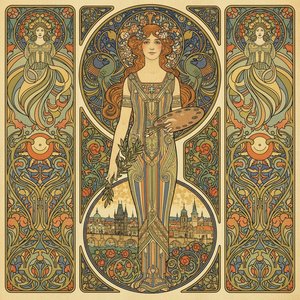
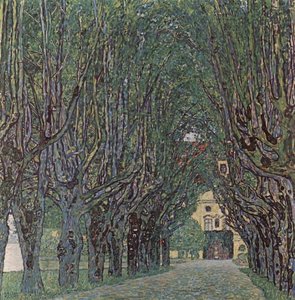
Gustav Klimt's “Januar,” painted in 1901, stands as a quintessential emblem of the Art Nouveau movement—a stylistic revolution that sought to fuse organic forms with decorative grandeur. More than just a depiction of a winter landscape, this artwork delves into profound themes of transformation and spiritual aspiration, reflecting Klimt’s fascination with mythology and symbolism.
- Subject Matter: The painting portrays an intimate scene featuring a man and woman entwined in affectionate embrace. Surrounding them are winged figures—angels—representing divine protection and guiding forces, alongside birds symbolizing freedom and hope.
- Style: Klimt’s signature Art Nouveau style dominates the composition. Flowing lines characterize every element, from the drapery of the figures to the intricate patterns adorning the borders, creating a mesmerizing visual experience that prioritizes beauty and craftsmanship.
Technique and Material Considerations
Executed in pen and ink with meticulous detail, “Januar” exemplifies Klimt’s mastery of line work—a technique honed through years of artistic practice. The artist skillfully employs hatching and cross-hatching to achieve tonal variations, adding depth and texture to the artwork. The predominant medium is black ink on paper, chosen for its ability to convey subtle nuances of shading and create a striking contrast between light and dark.
- Line Work: Klimt’s use of lines—fine, delicate hatching and bold outlines—is paramount in establishing the artwork's aesthetic. These lines delineate shapes with precision while simultaneously conveying movement and dynamism.
- Texture: Texture is achieved through varying densities of ink lines, resulting in surfaces that range from smooth to rough, mirroring the organic forms prevalent throughout the piece.
Symbolic Resonance and Emotional Depth
Beyond its formal beauty, “Januar” resonates with rich symbolic meaning. The angelic figures embody divine benevolence and safeguard the lovers’ union, while birds represent aspiration and the promise of a fresh start—perfectly aligning with the significance of January as the beginning of a new year. Klimt's deliberate use of color—or lack thereof—further enhances the artwork’s emotional impact, fostering contemplation on themes of love, spirituality, and the cyclical nature of existence.
- Symbolism: Angels symbolize divine protection and guidance; birds represent freedom and hope – motifs central to Klimt's artistic vision.
- Emotional Impact: The artwork evokes feelings of serenity, intimacy, and wonder—capturing the essence of Art Nouveau’s pursuit of sublime beauty.
Historical Context and Artistic Legacy
"Januar" was created during Klimt's “Golden Phase,” a period marked by opulent ornamentation and an obsession with gold leaf—a technique that elevates the artwork to a level of unparalleled splendor. This piece stands alongside other masterpieces from Klimt’s oeuvre, cementing his position as one of Austria’s most celebrated artists and securing his place within the annals of Art Nouveau history. Its enduring appeal continues to inspire collectors and interior designers alike who seek to infuse their spaces with elegance and artistic sophistication.



 Preview
 اطلب نسخة مرسومة يدوياً
 مشاركة
 مشاركة
 التفاصيل

 تحميل الملف
 قطع مشابهة
 الأشعة السينية
 عرض شرائح
 عرض المزيد






































 خيار الزجاج متاح فقط للمقاسات التي تقل عن 110 سم