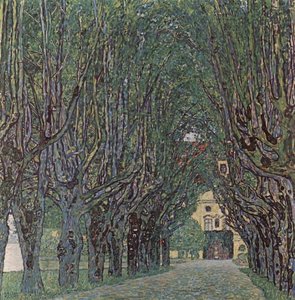
وصف القطعة الفنية
A Tender Embrace: Exploring Klimt’s “Love”
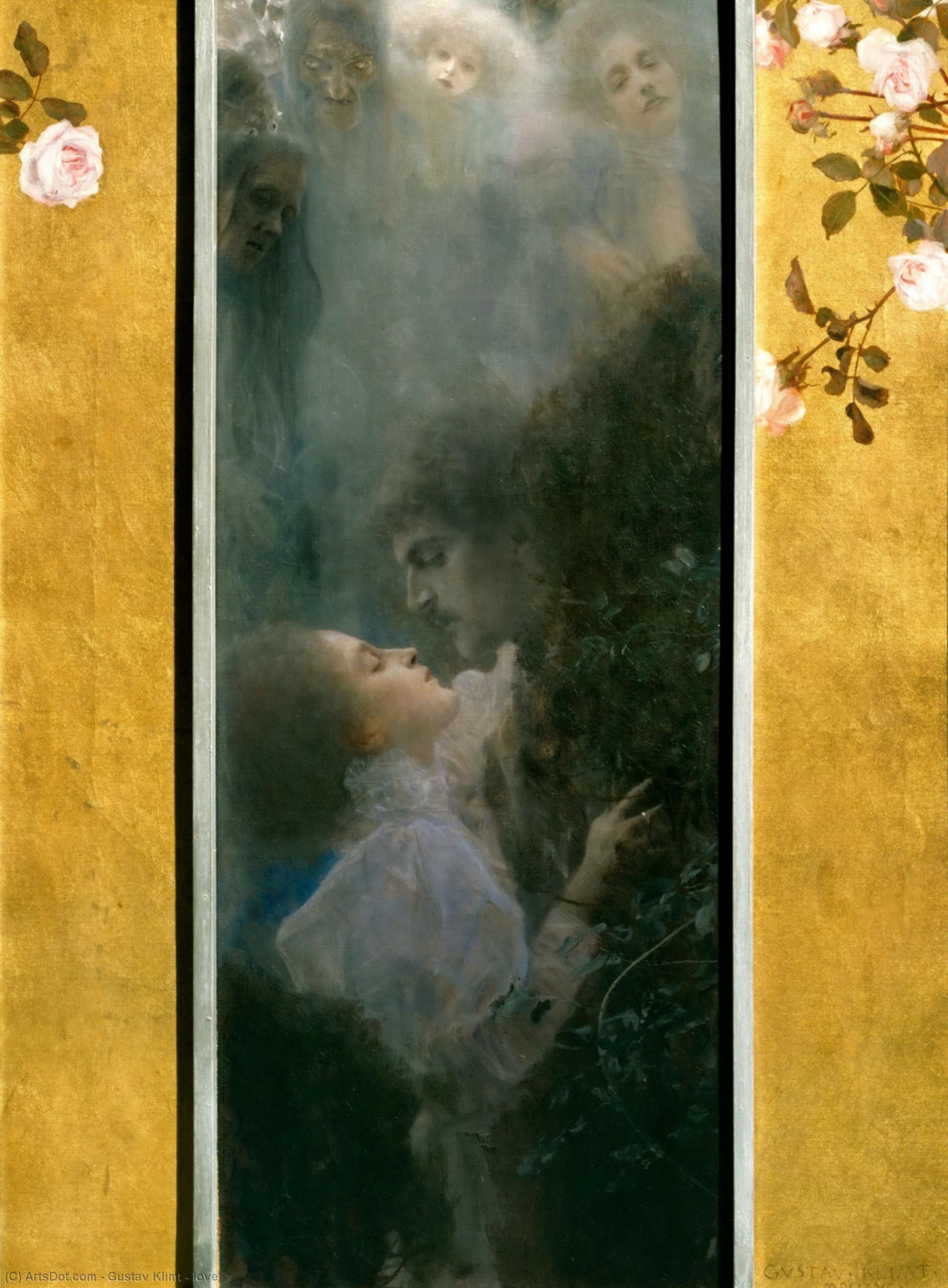
This captivating artwork by Gustav Klimt presents a deeply moving scene of intimacy between a young girl and an older man. The composition immediately draws the viewer into a world steeped in nostalgia, quiet contemplation, and perhaps a touch of melancholy. It's a piece that resonates with emotional depth, inviting us to ponder themes of connection, memory, and the passage of time.
Stylistic Influences & Technique
Klimt’s “Love” is demonstrably influenced by both the Pre-Raphaelite and Symbolist movements. The meticulous detail in rendering figures and objects, coupled with a rich color palette, echoes the aesthetic principles of the Pre-Raphaelites. However, the artwork transcends mere representation through its symbolic elements and dreamlike atmosphere – hallmarks of Symbolism. Oil paint on canvas is the apparent medium, evidenced by visible brushstrokes and masterful blending that create soft transitions and textural variations. The technique allows for a luminosity that enhances the ethereal quality of the scene.
Composition & Visual Elements
The artwork’s vertical composition emphasizes height and stature, drawing the eye upwards. A swirling background of textured gold panels interspersed with delicate pink roses creates an otherworldly backdrop. These aren't merely decorative elements; they contribute to a sense of movement and emotional turbulence. Ghostly figures subtly appear in the upper section, adding a layer of mystery and suggesting unseen observers or perhaps memories haunting the present moment. The central focus remains on the intimate connection between the two figures, their faces partially obscured yet conveying profound emotion through posture and gesture.
Symbolism & Interpretation
Klimt was renowned for his use of symbolism, and “Love” is no exception. Roses, traditionally associated with love and beauty, are present but tinged with a sense of fragility – perhaps hinting at the ephemeral nature of affection or the inevitability of loss. The inclusion of ghostly figures could represent past loves, ancestral memories, or even mortality itself. The embrace between the girl and man is open to interpretation; it may symbolize familial love, mentorship, or a more complex relationship laden with unspoken emotions.
Historical Context & Klimt’s Oeuvre
Gustav Klimt (1862-1918) was a leading figure in the Vienna Secession movement, which challenged traditional academic art and embraced new artistic freedoms. He is celebrated for his distinctive “golden phase,” characterized by opulent surfaces adorned with gold leaf – though this work doesn’t overtly display that technique, it shares the same sensibility of rich color and decorative detail. While Klimt often explored themes of female sensuality and mythology (as seen in works like "Judith II"), pieces like “Love” demonstrate his ability to convey profound emotional depth through more intimate and understated scenes. His work frequently explores the complexities of human relationships, mortality, and the search for meaning – themes that are powerfully present in this artwork.
Emotional Impact & Aesthetic Appeal
“Love” evokes a sense of quiet contemplation and poignant beauty. The soft lighting, muted color palette, and intimate subject matter create an atmosphere of vulnerability and tenderness. It’s a piece that invites viewers to reflect on their own experiences with love, loss, and the enduring power of human connection. This artwork would be a stunning addition to any collection, lending a touch of romanticism and intellectual depth to both classic and contemporary interiors.


 Preview
 اطلب نسخة مرسومة يدوياً
 مشاركة
 مشاركة
 التفاصيل

 تحميل الملف
 قطع مشابهة
 الأشعة السينية
 عرض شرائح

 عرض المزيد






































 خيار الزجاج متاح فقط للمقاسات التي تقل عن 110 سم