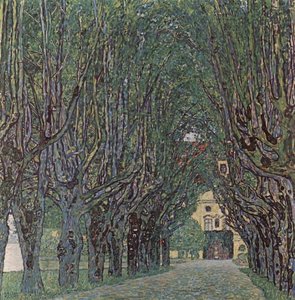
The Old Burgtheater: A Viennese Echo of Artistic Grandeur
Gustav Klimt’s “The Old Burgtheater,” completed in 1889, transcends mere depiction; it embodies the spirit of Vienna at the cusp of modernity—a city brimming with artistic ambition and social prestige. Commissioned by the City of Vienna to commemorate the imminent demolition of its historic auditorium, this monumental gouache on paper painting isn’t simply a record of architectural space but an elaborate tapestry woven from observation, symbolism, and Klimt's signature Art Nouveau aesthetic.
The artwork’s stylistic DNA resides firmly within the Art Nouveau movement. Characterized by flowing lines, organic motifs—particularly floral patterns—and opulent ornamentation, “The Old Burgtheater” reflects Vienna’s fascination with natural forms and refined elegance. Klimt skillfully employs gouache, a pigment binder that lends itself to achieving luminous colors and velvety textures, creating an immersive experience for the viewer.
A Panoramic Portrait of Viennese Society
Measuring 82 x 92 cm, Klimt’s composition is astonishing in its scale and ambition. Over one hundred figures populate the theater's interior—a veritable constellation of luminaries from various disciplines: artists like Ferdinand Raimund, writers such as Eduard Bacher, politicians like Karl Lueger, and prominent personalities including Katharina Schratt, Emperor Franz Joseph I’s companion. Klimt adopts a perspective akin to that of an orchestra member or actor onstage, offering a unique vantage point onto the social dynamics unfolding within the auditorium.
More than just a visual record, “The Old Burgtheater” serves as a microcosm of Viennese culture during Franz Joseph's reign—a period marked by artistic flourishing and political maneuvering. Klimt’s meticulous attention to detail captures not only the physical grandeur of the theater but also the palpable energy of performance and conversation.
Symbolism Embedded in Ornamentation
The decorative elements within “The Old Burgtheater” are laden with symbolic significance. The dominant use of gold leaf—a hallmark of Klimt’s “Golden Phase”—represents wealth, prestige, and divine illumination, mirroring the aspirations of Vienna's elite. Floral motifs recur throughout the painting, symbolizing beauty, fertility, and renewal – themes central to Art Nouveau’s broader worldview.
Furthermore, Klimt’s masterful rendering of light—particularly the chandelier’s radiant glow—creates an atmosphere of intimacy and grandeur simultaneously. This carefully orchestrated visual language invites contemplation on the passage of time and the enduring legacy of artistic achievement. “The Old Burgtheater” remains a testament to Klimt's ability to transform observation into profound artistic expression.
A Legacy Preserved in Reproduction
"The Old Burgtheater" resides at Wien Museum, Vienna, Austria, ensuring its masterpiece continues to inspire generations. TopImpressionists offers exceptional reproductions that faithfully capture the painting’s luminous colors and intricate details, allowing art enthusiasts worldwide to experience Klimt's vision firsthand.



 شراء نسخة مطبوعة
 مشاركة
 مشاركة
 التفاصيل

 تحميل الملف
 قطع مشابهة
 الأشعة السينية
 عرض شرائح


 عرض المزيد






































 خيار الزجاج متاح فقط للمقاسات التي تقل عن 110 سم