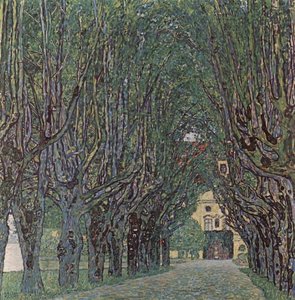
Orpheus and Eurydice – A Symphony of Gold and Sorrow
Gustav Klimt’s *Orpheus and Eurydice*, completed in 1885, stands as an emblem of the Viennese Secession’s fascination with Symbolism and its rejection of academic conventions. More than just a depiction of mythic figures—the legendary musician Orpheus and his beloved Eurydice—it's a profound meditation on love, loss, and the yearning for transcendence, rendered in Klimt’s signature opulent style.
- Subject Matter: The painting portrays Orpheus serenading Eurydice as she emerges from Hades, symbolizing reconciliation between life and death. This narrative draws heavily upon Greek mythology, specifically Eurydice's descent into the underworld after being bitten by a serpent and Klimt’s masterful use of visual metaphors to convey complex emotions.
- Style: Klimt firmly established himself as a pioneer of Art Nouveau—also known as Jugendstil—characterized by flowing lines, organic motifs, and intricate ornamentation. *Orpheus and Eurydice* exemplifies this aesthetic perfectly, eschewing geometric precision for curvilinear forms that evoke the natural world.
- Technique: Klimt employed tempera paint on canvas, a technique favored by artists of his time for its luminosity and durability. However, what truly distinguishes *Orpheus and Eurydice* is Klimt’s groundbreaking application of gold leaf—a technique he pioneered and perfected—creating shimmering surfaces that imbue the artwork with an ethereal quality.
The historical context surrounding the painting is crucial to understanding its significance. Vienna in 1885 was a hub of artistic innovation, fueled by intellectual currents questioning traditional values and embracing esoteric ideas. Klimt’s Secessionists sought to forge a new path for Austrian art, rejecting the conservative tastes of the Austro-Hungarian Empire.
Symbolism: Klimt infused *Orpheus and Eurydice* with rich symbolism. The golden leaf represents divine grace and immortality—a visual affirmation of hope amidst despair. Eurydice’s pale skin symbolizes purity and vulnerability, while Orpheus' lyre embodies artistic expression and the power to communicate emotions beyond words. The bird perched atop the composition serves as a reminder of resurrection and rebirth.
Emotional Impact: Viewing *Orpheus and Eurydice* evokes a palpable sense of melancholy beauty. Klimt’s masterful use of color—primarily gold, ivory, and muted blues—creates an atmosphere of solemn contemplation. The painting's delicate rendering captures the tender intimacy between Orpheus and Eurydice, conveying the profound sorrow associated with loss while simultaneously hinting at the possibility of reunion beyond earthly existence. It remains a testament to Klimt’s ability to transform myth into emotionally resonant art.
The Museo d’Arte Moderna Ca’ Pesaro in Venice houses a remarkable collection of Klimt's works, offering visitors an unparalleled opportunity to immerse themselves in his artistic vision. Furthermore, exploring the Croatian National Theatre Ivan pl. Zajc and Rijeka provides insight into how Klimt’s masterpiece was originally displayed—a poignant reminder of its enduring legacy.



 شراء نسخة مطبوعة
 مشاركة
 مشاركة
 التفاصيل

 تحميل الملف
 قطع مشابهة
 الأشعة السينية
 عرض شرائح

 عرض المزيد






































 خيار الزجاج متاح فقط للمقاسات التي تقل عن 110 سم