Sumpf Der: A Journey into Klimt's Erotic Landscape
Gustav Klimt, the celebrated Austrian symbolist painter, is renowned for his opulent and evocative works that blend sensuality with intricate patterns. Among his lesser-known yet equally captivating paintings is Sumpf der (The Swamp), a masterpiece created in 1907 that exemplifies Klimt's unique artistic vision and mastery of symbolism. This article will explore the history, style, technique, and significance of this remarkable painting, now available as a hand-painted reproduction on TopImpressionists.com.
Historical Context and Significance
Klimt’s artistic journey began with studies in architectural painting at the Vienna School of Arts and Crafts. He later became a pivotal figure in the Wiener Sezession (Vienna Secession), a progressive group championing unconventional young artists and introducing significant foreign art to Vienna. Sumpf der embodies Klimt's fascination with the female form and his exploration of complex psychological themes prevalent during the fin-de-siècle era, a period marked by societal anxieties and artistic experimentation.
Style and Technique: A Decorative Symphony
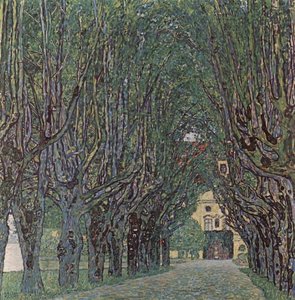
Klimt’s style is instantly recognizable for its decorative approach to painting. He seamlessly integrates organic forms with abstract shapes and intricate patterns, creating visually stunning compositions. In Sumpf der, Klimt employs a flattened perspective, reducing both the figure and background to a single plane. This technique fosters an intimate connection between the central female figure and her environment, blurring the boundaries between reality and symbolism. The painting depicts a woman walking along a path leading into a swampy landscape. A bird flies overhead, adding a sense of movement and life to the scene. The use of gold leaf, though less prominent than in some of his more famous works like *The Kiss*, still adds a subtle layer of opulence and mystique, enhancing the painting's dreamlike quality.
Symbolism and Emotional Impact
Sumpf der is rich with symbolic meaning. The swamp itself can be interpreted as representing the subconscious mind or the complexities of female sexuality – themes Klimt frequently explored in his work. The path leading into the swamp suggests a journey, perhaps an exploration of inner desires or hidden truths. The woman's posture and expression convey a sense of quiet contemplation and perhaps even melancholy. While the scene appears serene on the surface, there’s an underlying tension created by the ambiguous nature of the landscape and the implied isolation of the figure. The painting evokes feelings of introspection, mystery, and a subtle undercurrent of eroticism characteristic of Klimt's oeuvre.
Acquiring Your Own Reproduction
To bring the captivating beauty of Sumpf der into your home or collection, visit TopImpressionists.com. Skilled artists meticulously recreate Klimt's masterpiece using high-quality materials, ensuring a faithful reproduction that captures the original’s essence and artistic brilliance. Explore other notable works by Gustav Klimt such as Friends (Water serpants) and Portrait of a Lady (Frau Heymann) also available as hand-painted reproductions.



 معاينة الحجم الحقيقي
 التحويل إلى لوحة مرسومة يدوياً
 مشاركة
 مشاركة
 التفاصيل

 تحميل الملف
 قطع مشابهة
 الأشعة السينية
 عرض شرائح

 عرض المزيد






































 خيار الزجاج متاح فقط للمقاسات التي تقل عن 110 سم