


 معاينة الحجم الواقعي
 إرسال
إرسال مشاركة
 عرض التفاصيل
 دليل الأعمال الفنية للطلاب

 تحميل
تحميل
 قطع مشابهة
 الأشعة السينية
 عرض شرائح متتابع
 الإحصائيات
untitled (9861)

Discover Klimt’s ‘untitled (9861)’ – a hazy, impressionistic landscape of purple & grey hues. Explore this unique oil painting's dreamy quality and symbolic depth.
 اقرأ المزيد
اكتشف جوستاف كليمت (1862-1918)، الفنان النمساوي الرائد في فن الآرت نوفو! استكشف أعماله الشهيرة مثل "قبلة"، وصورته الأنثوية الساحرة، وإرثه الفني الذي أحدث ثورة في الفن.
طباعة جيلي / مطبوعات فنية
طباعة جيكلي أو كانفاس بجودة المتاحف، مع سرعة في التنفيذ وخيارات متنوعة للتشطيب. ( اطلب نسخة مرسومة يدويًا التحويل إلى الصورة الرقمية)




P118B $10

P118H $10

P118W $10

P438Z $10

P508JH $12

P508YH $12

P805H $10

P805Z $10

P919BZ $10

P919G $10

P919XJ $10

P959ZH $10

P968JZ $12

W106C $8

W218G $10

W218JH $8

W218Y $10

W307PJ $10

W316G $10

W316PJ $8

W316Y $10

W398PJ $8

W4111J $10

W500HY $15

W500JH $15

W692G $12

W849H $8

W940BG $15

W953PJ $8




مقاس قياسي
مخصص
CM
INCH
اختر من بين أحجامنا المُعدّة مسبقاً والتي تتوافق مع النسب الأصلية للعمل الفني.
Loading sizes...

العرض
الارتفاع
يمكنك إدخال أبعاد خاصة لتناسب إطاراً أو مساحة معينة. وفي حال عدم تطابق الحجم المختار مع نسب الصورة الأصلية، سنقوم إما بقص العمل الفني أو تمديد الصورة باستخدام حافة معكوسة أو لون مصمت. وسيتم إرسال نموذج تجريبي رقمي لاعتمادك قبل بدء عملية الإنتاج.
يرجى ملاحظة أن المعاينة على الشاشة لا تعكس عملية القص أو التمديد الفعلية؛ حيث سيوضح النموذج التجريبي فقط التكوين النهائي بدقة.
وعلى الرغم من توفر أحجام مخصصة، إلا أننا نوصي باختيار أبعاد من القائمة المحددة مسبقاً للحفاظ على النسب الأصلية.
توصيل عالمي إلى خلال أسبوعين بدلاً من المدة القياسية البالغة 4/5 أسابيع. (25 سبتمبر)

شحن سريع ومجاني لجميع أنحاء العالم

قماش كتان فاخر

تأمين شامل على الشحن

ضمان استرداد الرسوم الجمركية

ضمان دقة مطابقة الألوان

سياسة الإرجاع خلال 100 يوم (في حالات العيوب فقط)

ضمان استرداد نقدي بنسبة 100%

عرض خصم الكميات
 خيار الزجاج متاح فقط للمقاسات التي تقل عن 110 سم

untitled (9861)
طباعة جيلي / مطبوعات فنية
مقاس النسخة المطبوعة
-


إجمالي السعر
$ 69
A Whisper of Lavender Dreams: Exploring Klimt’s ‘untitled (9861)’
Gustav Klimt's 'untitled (9861)' isn’t merely a landscape; it’s an invitation into a realm where color dances with atmosphere, mirroring the very essence of Impressionism and hinting at the profound influence of Japanese aesthetics on Klimt’s artistic vision. Painted sometime in the early 1900s—precise dating remains elusive—this piece embodies Klimt's signature style during his “Golden Phase,” marking a pivotal moment in Art Nouveau and solidifying his reputation as one of Austria’s most celebrated artists.- Subject Matter: The painting captures a serene vista dominated by towering trees – their trunks reaching upwards like silent guardians against the muted sky—and a distant expanse bathed in hazy luminescence. Klimt eschews detailed representation, prioritizing instead the conveyance of mood and sensation.
- Style & Technique: Characteristic of Impressionism, ‘untitled (9861)’ employs loose brushstrokes that prioritize capturing fleeting light effects over precise delineation. The artist skillfully blends shades of purple, blue, and grey to create a palpable sense of depth and distance—a technique honed during Klimt’s formative years studying architectural painting under Ferdinand Laufberger.
- Material & Medium: Executed in oil paint on canvas or panel, the texture is subtly grainy, achieved through layering pigment – a testament to Klimt's meticulous attention to craftmanship. The use of gold leaf, though absent in this particular reproduction, speaks volumes about Klimt’s broader artistic preoccupation with opulent materiality and symbolic richness.
- Interior Design Inspiration: Imagine incorporating this evocative landscape into a calming bedroom palette – lavender cushions paired with grey linen bedding would beautifully complement Klimt’s ethereal vision.
- Collector’s Perspective: Own a piece of Art Nouveau history and experience the captivating emotional depth of Klimt's masterpiece through a high-quality reproduction, bringing a touch of Viennese grandeur into your home.
أعمال فنية مشابهة


نبذة عن الفنان
نشأة غوستاف كليمت وبداياته الفنية
ولد غوستاف كليمت في الرابع عشر من يوليو عام 1862، في منطقة باومغارتن بالقرب من فيينا، ونشأ في أسرة تميزت بالتوجه نحو الفن والمعاناة المالية. كان والده إرنست كليمت نحاتًا للذهب، وهو مهنة تركت بصمة خفية ولكنها عميقة على حساسية غوستاف الجمالية – سحر أوراق الذهب، والتفاصيل الدقيقة، والترف الهائل. أدت صعوبات الأسرة إلى انتقالات متكررة داخل فيينا، مما ربما غذى لدى كليمت ملاحظة دقيقة لبيئته وحساسيته للتجربة الإنسانية. حتى وهو طفل صغير، كانت مهاراته في الرسم ملحوظة، حيث ازدهرت بفضل مهنة والده وموهبة فطرية واضحة. في عام 1876، التحق بمدرسة فيينا للفنون التطبيقية (Kunstgewerbeschule)، وانطلق في تدريب رسمي على الرسم المعماري تحت إشراف فرديناند لاوفبيرغر. قدمت له هذه المرحلة أساسًا تقنيًا قويًا، لكنها عرّضته أيضًا للأنماط الأكاديمية السائدة – أنماط كان كليمت سيتحدىها ويتجاوزها في نهاية المطاف. هنا أيضًا، كون صداقة فنية مهمة مع أخيه إرنست وفرانز فون ماتش، وهو تعاون ضمن إطار "شركة الفنانين" أمن لهم أوائل العملاء للفسيفساء والأسقف الزخرفية، ومهد الطريق لنجاحه المستقبلي.صعود حركة الانفصال فيينا
بحلول التسعينيات من القرن التاسع عشر، أصبح كليمت يشعر بخيبة أمل متزايدة تجاه المؤسسة الفنية المحافظة في فيينا. اشتاق إلى حرية إبداعية أكبر، ومساحة يمكن أن تزدهر فيها الابتكارات دون قيود التقاليد. بلغت هذه الرغبة ذروتها في تشكيل الانفصال فيينا عام 1897، وهو لحظة محورية في تاريخ الفن النمساوي. انتخب كليمت رئيسًا لها، ليصبح الشخصية البارزة للحركة التي سعت إلى الابتعاد عن الأعراف الأكاديمية الصارمة واحتضان التيارات الفنية الجديدة التي اجتاحت أوروبا – فن الآرت نوفو والرمزية والطباعة اليابانية. أصبح مبنى المعارض الخاص بالانفصال، الذي صممه يوزيف ماريا أولبريش، رمزًا لهذا التمرد، وهو معبد مخصص للفن الحديث. كانت أعمال كليمت جوهرية لروح الانفصال، حيث تجسد رفضه للجماليات التقليدية واحتضانه للعناصر الزخرفية والألوان الجريئة والصور الرمزية. بدأ لوحاته في استكشاف موضوعات الحب والموت والجنسية بصدق غير مسبوق، مما تحدى الأعراف المجتمعية وأثار الإعجاب والغضب على حد سواء.المرحلة الذهبية والنضج الفني
في حوالي عام 1900، دخل كليمت ما يُعرف الآن باسم "المرحلة الذهبية"، وهي فترة تميزت باستخدام باهظ من أوراق الذهب مستوحاة من فسيفساء بيزنطية والنسخ المخطوطة القروسطية. حولت هذه التقنية لوحاته إلى رؤى متلألئة وغريبة، تنبض بعمق روحي وجاذبية حسية. *قبلة* (1907-1908)، ربما تكون أشهر أعماله، تجسد هذا النمط – زوج مقفول في عناق، محاط بهالة ذهبية، وأجسادهم مزينة بأنماط معقدة. شهدت هذه الفترة أيضًا إنتاج كليمت لسلسلة من الصور البارزة المذهلة، بما في ذلك *صورة أديل بلوش باور الأولى* (1907)، والتي أظهرت قدرته على التقاط ليس فقط الشبه الجسدي ولكن أيضًا التعقيد النفسي لموضوعاته. لقد طمس بشكل متزايد الخطوط الفاصلة بين الرسم والزخرفة، ودمج عناصر زخرفية في تركيباته لإنشاء اندماج هارموني بين الشكل والمحتوى. كان تأثير فن الطباعة اليابانية – الطباعة اليابانية – واضحًا بشكل خاص في منظوره المسطح وتأكيده على الخط واستخدامه للأنماط الزخرفية.الجدل والتأثيرات والإرث الدائم
لم تخلُ مسيرة كليمت من الجدل. في عام 1900، تلقى مهمة مرموقة لتزيين جدران قاعة الاجتماعات الكبرى بجامعة فيينا، والتي تمثل الفلسفة والقانون واللاهوت. ومع ذلك، اعتبرت هذه الأعمال – وخاصة *الفلسفة* – رمزية استفزازية وحتى إباحية من قبل النقاد المحافظين، مما أدى إلى صدمة عامة وأجبر كليمت في النهاية على رفض المزيد من المهام العامة. شكل هذا الحادث نقطة تحول في حياته المهنية، ودفعته نحو الرعاية الخاصة والسماح له بمزيد من الحرية الفنية. طوال حياته، تأثر كليمت بمجموعة متنوعة من الفنانين والأنماط – من لوحات هانس مكارت التاريخية إلى فنون الزخرفة البيزنطية واليابانية. كما استلهم من حركة الرمزية، واستكشف موضوعات الأساطير والاستعارة والعالم الفرعي. واصل غوستاف كليمت الرسم بكثافة حتى وفاته في السادس من فبراير عام 1918 بسبب سكتة دماغية أثناء جائحة الإنفلونزا الإسبانية. تُعرف أعماله اللاحقة الآن باستكشاف أشكال أكثر تجريدًا ومناظر طبيعية، مما يدل على التطور الفني المستمر. يُعترف به الآن كواحد من أهم الشخصيات في تاريخ الفن النمساوي، ورائد في حركة الانفصال فيينا ورمز دائم لأناقة فن الآرت نوفو. تأخذ لوحاته أسعارًا مرتفعة في المزادات، ويستمر تأثيره في صدى الفن والتصميم المعاصرين.الخصائص الرئيسية والأسلوب الفني
- الرمزية: أعمال كليمت رمزية بعمق، غالبًا ما تستكشف موضوعات الحب والموت والجنسانية والحالة الإنسانية.
- فن الآرت نوفو: كان شخصية رائدة في حركة فن الآرت نوفو، والتي تتميز بخطوطها العضوية وأنماطها الزخرفية وتأكيدها على الجمال.
- المرحلة الذهبية: أدى استخدامه لأوراق الذهب إلى إنشاء أسطح متلألئة وباهرة أصبحت نمطه المميز.
- العناصر الزخرفية: دمج كليمت عناصر زخرفية في تركيباته، وطمس الخطوط الفاصلة بين الرسم والزخرفة.
- الشكل الأنثوي: كان الجسم الأنثوي موضوعًا مركزيًا في عمله، وغالبًا ما يتم تصويره بالحسية والعمق النفسي.

غوستاف كليمت
1862 - 1918 , النمسا
لمحة سريعة
- أعمال فنية بارزة:
- قبلة
- بورتريه أديل بلوش باور الأولى
- ثعبانات الماء
- الاسم الكامل: غوستاف كليمت
- الجنسية: نمساوي
- الحركة الفنية: الانفصالية الفنية، الرمزية
- الفنانون المؤثرون:
- هانز مكارت
- فن ياباني
- الفنانون المتأثرون:
- إغون شيلي
- أوسكار كوشكا
- تاريخ الميلاد: 14 يوليو 1862
- مكان الميلاد: بومغارتن، النمسا
مقالات ذات صلة

The Soul of Color: A Journey into the Emotional Resonance of Lyrical Abstraction
Embark on a cultural journey through Lyrical Abstraction. Explore how masters like Kandinsky used color and motion to translate emotion into visual poetry. Discover the profound beauty of abstract expressionism and learn to curate emotional resonance in your own art collection.
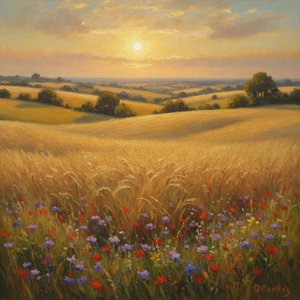
Golden Fields & Sun-Drenched Meadows: Capturing the Soul of Impressionist Landscapes
Immerse yourself in the luminous world of Impressionist landscapes. Discover how masters like Monet and Gauguin captured ephemeral light through plein air painting, and learn to bring the soul of sun-drenched meadows into your home with exquisite, hand-painted oil reproductions.

The Beauty of Impermanence: Capturing Decay through Impressionist Eyes
Explore the profound beauty of impermanence through Impressionist and Post-Impressionist eyes. Discover how masters like Monet and Van Gogh captured fleeting light and the poetic essence of nature's transitions in our deep dive into art history and emotional landscapes.

Capturing the Soul: The Most Emotionally Moving Impressionist and Post-Impressionist Masterpieces
Discover the profound emotional depth of Impressionist and Post-Impressionist masterpieces. Explore how legends like Monet, Van Gogh, and Gauguin captured light and soul through evocative landscapes and vibrant brushwork for a timeless connection to art history.

Beyond the Light: Capturing Raw Emotion and Subjective Vision in Post-Impressionist Landscapes
Explore the profound emotional depth of Post-Impressionist landscapes. Discover how masters like Van Gogh moved beyond light to capture raw human feeling through vibrant color and expressive texture in this expert art history retrospective.
استكشف الأعمال الفنية المصنفة حسب الموضوعات والأنماط والخصائص.


