

 معاينة الحجم الواقعي
 إرسال
إرسال مشاركة
 عرض التفاصيل
 دليل الأعمال الفنية للطلاب

 تحميل
تحميل
 قطع مشابهة
 الأشعة السينية
 عرض شرائح متتابع
 Q&A
Q&A الإحصائيات
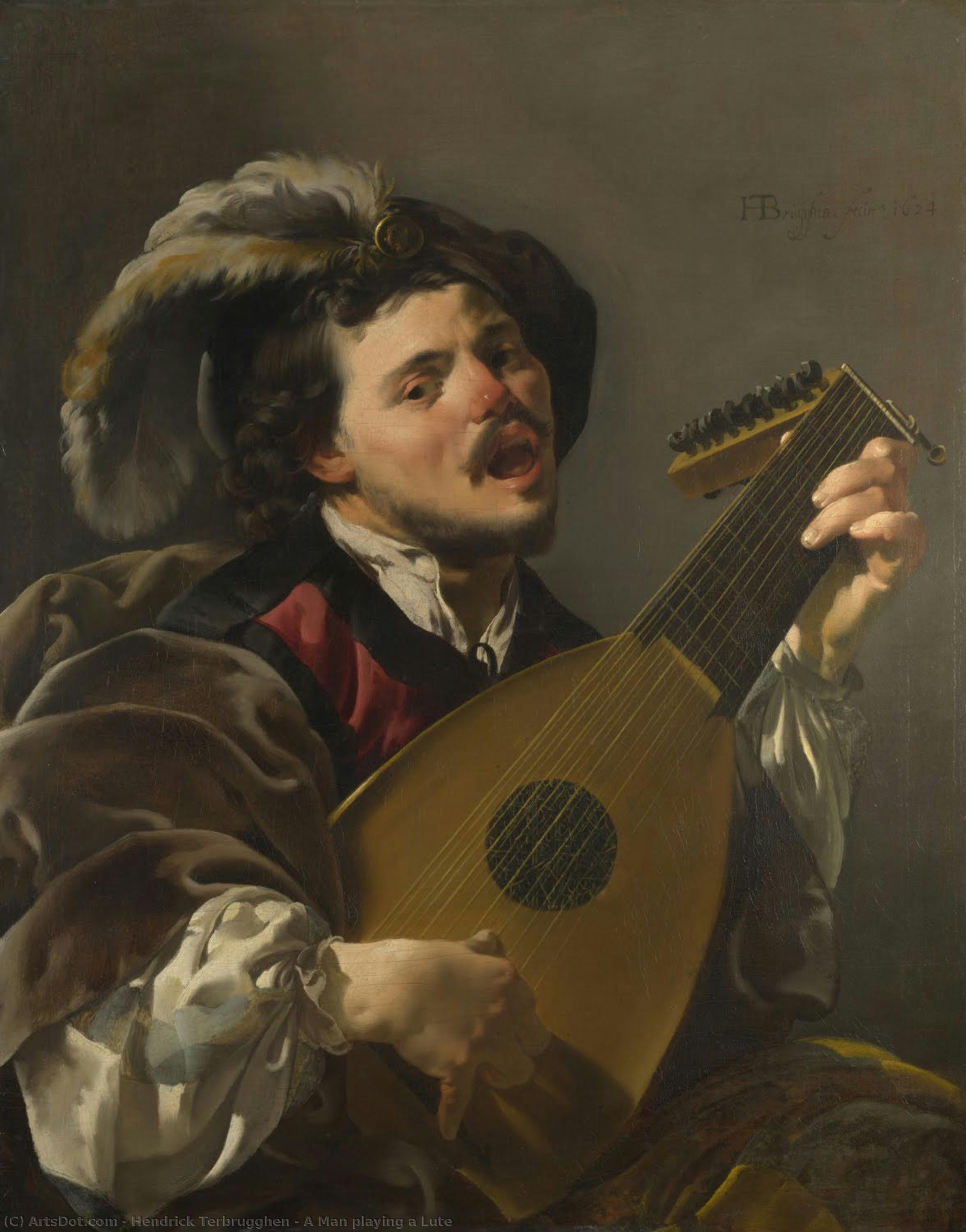
A Man playing a Lute
 Oil
Oil- WallArt
- Baroque
 1624
1624- Early Modern
 100.0 x 78.0 cm
 المعرض الوطني
Hendrick Terbrugghen's masterpiece, ‘A Man Playing a Lute,’ exemplifies the Utrecht Caravaggisti movement. Painted in 1624, it captures a male musician engrossed in his instrument—a lute—with masterful use of chiaroscuro reminiscent of Caravaggio’s style.
 اقرأ المزيد
اكتشف هيندريك تيربروخن: رسام العصر الذهبي الهولندي المعروف بأسلوب الضوء والظل الدرامي والمستوحى من كارافاجيو. استكشف لوحاته 'البشارة' و'عازف اللوت المغني'. #الفن_الهولندي #كارافاجيستي
طباعة جيلي / مطبوعات فنية
طباعة جيكلي أو كانفاس بجودة المتاحف، مع سرعة في التنفيذ وخيارات متنوعة للتشطيب. ( اطلب نسخة مرسومة يدويًا التحويل إلى الصورة الرقمية)




P118B E£10

P118H E£10

P118W E£10

P438Z E£10

P508JH E£12

P508YH E£12

P805H E£10

P805Z E£10

P919BZ E£10

P919G E£10

P919XJ E£10

P959ZH E£10

P968JZ E£12

W106C E£8

W218G E£10

W218JH E£8

W218Y E£10

W307PJ E£10

W316G E£10

W316PJ E£8

W316Y E£10

W398PJ E£8

W4111J E£10

W500HY E£15

W500JH E£15

W692G E£12

W849H E£8

W940BG E£15

W953PJ E£8




مقاس قياسي
مخصص
CM
INCH
اختر من بين أحجامنا المُعدّة مسبقاً والتي تتوافق مع النسب الأصلية للعمل الفني.
Loading sizes...

العرض
الارتفاع
أدخل العرض والارتفاع اللذين تحتاجهما، ليتناسب مع إطارك أو جدارك. يمكن قص المطبوعة فقط، ولا يمكن أبداً جعلها أكبر من الصورة الأصلية، لذا فإن أي مقاس بشكل مختلف سيؤدي إلى فقدان جزء من الصورة. سنرسل لك نموذجاً رقمياً تجريبياً لاعتماده قبل البدء في عملية الطباعة. الصورة المعروضة في هذه الصفحة لا توضح القص الفعلي — النموذج التجريبي فقط هو ما يظهر ذلك.
توصيل عالمي إلى خلال أسبوعين بدلاً من المدة القياسية البالغة 4/5 أسابيع. (30 أكتوبر)

شحن سريع ومجاني لجميع أنحاء العالم

قماش كتان فاخر

تأمين شامل على الشحن

ضمان استرداد الرسوم الجمركية

ضمان دقة مطابقة الألوان

سياسة الإرجاع خلال 100 يوم (في حالات العيوب فقط)

ضمان استرداد نقدي بنسبة 100%

عرض خصم الكميات
 خيار الزجاج متاح فقط للمقاسات التي تقل عن 110 سم

A Man playing a Lute
طباعة جيلي / مطبوعات فنية
مقاس النسخة المطبوعة
-


إجمالي السعر
E£ 3586
The Melodic Shadows of the Utrecht Caravaggisti
In the quiet intimacy of 1624, Hendrick Terbrugghen captured a moment of profound musical devotion that transcends the centuries. A Man playing a Lute is not merely a portrait of a musician; it is a masterclass in the dramatic interplay of light and shadow, a hallmark of the Utrecht Caravaggisti movement. As the man cradles his instrument, the viewer is drawn into a private world where the only sound is the imagined resonance of plucked strings. The composition breathes with an elegance that speaks to the sophisticated tastes of the Dutch Golden Age, offering a window into a period where art sought to bridge the gap between the earthly and the divine through the visceral beauty of everyday life.
The technique employed by Terbrugghen is nothing short of breathtaking. Utilizing the chiaroscuro method—a technique perfected by Caravaggio and brought to the Netherlands by artists like Terbrugghen—the painter uses deep, velvety shadows to sculpt the figure from the darkness. This high-contrast approach directs our gaze toward the vibrant textures of the subject's attire: the rich, crimson fabric of his clothing and the soft, tactile presence of his fur-trimmed hat. Every brushstroke serves to highlight the intricate craftsmanship of the lute itself, making the instrument feel heavy, tangible, and central to the soul of the painting.
A Symphony of Color and Texture
For the discerning collector or interior designer, this piece offers a magnificent palette of warm tones that can anchor a room with a sense of historical prestige. The deep reds and earthy ochres create an atmosphere of warmth and luxury, making it an ideal centerpiece for a study, a library, or a formal dining area. The visual weight of the lute, which occupies a significant portion of the canvas, provides a structural focal point that commands attention without overwhelming the surrounding decor. It is a work that invites contemplation, encouraging guests to linger on the fine details of the man's concentrated expression and the delicate anatomy of his hands.
Beyond its aesthetic appeal, the painting carries a symbolic weight common in seventeenth-century Dutch art. The lute often served as a metaphor for harmony—both musical and social. To possess such a work is to invite a sense of balance and refined culture into one's space. Whether viewed as a historical artifact or a stunning decorative element, A Man playing a Lute remains a timeless testament to the power of light to reveal the hidden beauty in a single, fleeting moment of artistic expression.
الأسئلة والأجوبة
هل توجد أعمال مشابهة لـ "A Man playing a Lute"؟
تُجمع الأعمال الفنية المشابهة لـ "A Man playing a Lute" للفنان هندريك تيربروخن في صفحة أعمال مشابهة الخاصة بالعمل الفني.
من هو مؤلف "A Man playing a Lute"، وفي أي مدرسة فنية؟
يقف وراء "A Man playing a Lute" كل من هندريك تيربروخن وحركة Baroque.
أين يجب تعليق نسخة من "A Man playing a Lute" للفنان هندريك تيربروخن؟
تتمثل حقيقة التنسيق (Portrait) والمساحة الموصى بها (Living Room) في المعلومات المسجلة لـ "A Man playing a Lute" للفنان هندريك تيربروخن.
نبذة عن الفنان
البدايات المبكرة والمؤثرات الأولى
هيندريك يانسز تير بروغين، ذلك الاسم اللامع في سجلات العصر الذهبي الهولندي، أبصر النور عام 1588 في منطقة أوفرايسل بهولندا. لم تكن نشأته عادية، فقد كان والده، يان إيجبرتس تير بروغين، يشغل منصب سكرتير بلاط أوتريخت تحت رعاية الأمير ويليام الصامت؛ وهذا القرب من مراكز القوة والثقافة ربما كان الشرارة الأولى التي أشعلت شغف هيندريك المبكر بعالم الفنون الساحر.الرحلة الفنية والأسلوب الإبداعي
بدأت رحلة تير بروغين الفنية تحت إشراف المعلم أبراهام بلومرت، الرائد في المدرسة المانييرية، ومن هنا بدأت ملامح عبقريته تتشكل. سرعان ما برز تير بروغين كأحد الأعمدة الأساسية لمجموعة "كارافاجيستي أوتريخت"، وهم نخبة من الرسامين الهولنديين الذين استلهموا روح الدراما من أعمال كارافاجيو. وتتجلى عبقريته في ذلك التوظيف المسرحي المذهل للتضاد بين الضوء والظلال، وهو ما نلمسه بوضوح في لوحاته الخالدة مثل البشارة (الموجودة في متحف ألت بيناكوتيك، ميونيخ، ألمانيا) ولوحة المحتفل (أيضاً في ألت بيناكوتيك).أعمال خالدة وإرث لا يمحى
تتجلى براعة تير بروغhen في استخدام الألوان الغنية من خلال لوحة عازف اللوت المغني (ضمن مجموعة كريمر، أمستردام)، وهي نسخة أصلية رائعة للوحة موجودة في المعرض الوطني بلندن. كما تظل لوحة البشارة شاهداً حياً على تمكنه من محاكاة أسلوب كارافاجيو بلمسة خاصة. إن تأثيره على فناني الأجيال اللاحقة كان عميقاً، حيث امتدت أصداء أعماله لتصل إلى رمبرانت فان راين، الذي تعد لوحته الشهيرة دورية الليل (في ريكسموزيم، أمستردام) برهاناً ساطعاً على الإرث المستدام لمدرسة كارافاجيستي أوتريخت.المتاحف والمجموعات التي تحتضن أعمال تير بروغين
يمكن لعشاق الفن العثور على كنوزه في أماكن عدة، منها متحف موريتسهاوس (لاهاي، هولندا)، الذي يضم أعمالاً مذهلة مثل الحورية والساتير للفنان سير بيتر بول روبنز، بالإضافة إلى مجموعة كريمر (أمستردام، هولندا)، التي تحتفظ بلوحة عازف اللوت المغني.- استكشف المزيد من أعمال تير بروغين عبر TopImpressionists.com
- اكتشف سحر العصر الذهبي الهولندي وتأثيراته في قسم تاريخ الفن بموقع TopImpressionists.com
- تعرف على فنانين آخرين مثل ديرك فان بابورين، رفيق درب تير بروغين في مدرسة أوتريخت، عبر TopImpressionists.com
خاتمة
إن حياة تير بروغين المليئة بالغموض وإسهاماته الجوهرية في فن العصر الذهبي الهولندي قد تركت بصمة لا تمحى في تاريخ الفن. فما زال استخدامه الدرامي للضوء والظلال يلهم الفنانين ومتذوقي الجمال على حد سواء، مما يجعله شخصية ساحرة وخالدة في عالم الفنون الجميلة.
هندريك تيربروخن
1627 - 1629 , هولندا
لمحة سريعة
- Artistic Movement Or Style: رسم الكارافاجيست
- Artists Or Movements Influenced By This Artist: رامبرانت فان راين
- Artists Who Influenced This Artist: أبراهام بلوميرت
- Date Of Birth: 1588
- Date Of Death: نوفمبر 1629
- Full Name: هندريك يانسز تير بروغين
- Nationality: هولندي
- Notable Artworks:
- عازف العود المغني
- البشارة
- داود يمدحه النساء الإسرائيليات
- Place Of Birth: أوفرايسل، هولندا
مقالات ذات صلة

Mastering Light & Shadow: A Journey Through the Dutch Golden Age's Luminous Legacy
Embark on a cultural journey through the Dutch Golden Age. Explore the masterful interplay of light and shadow in 17th-century masterpieces, from Rembrandt to Vermeer, and discover how this era of profound realism continues to inspire fine art collectors today.

Golden Light & Dutch Skies: The Timeless Magic of Dutch Golden Age Landscapes
Discover the breathtaking beauty of Dutch Golden Age landscapes. Explore the mastery of light, chiaroscuro, and 17th-century realism through an expert art history lens, celebrating the enduring legacy of the Dutch Masters for discerning collectors and art lovers.
استكشف الأعمال الفنية المصنفة حسب الموضوعات والأنماط والخصائص.
