


 معاينة الحجم الواقعي
 إرسال
إرسال مشاركة
 عرض التفاصيل
 دليل الأعمال الفنية للطلاب

 تحميل
تحميل
 قطع مشابهة
 الأشعة السينية
 عرض شرائح متتابع
 الإحصائيات
not identified (17)

Henri Matisse (1869-1954) revolutionized modern art with his bold palette and expressive draughtsmanship, establishing Fauvism and influencing generations of artists. Known for masterpieces like ‘The Joy of Life,’ he championed decorative forms and simplified shapes, leaving an indelible mark on the artistic landscape.
 اقرأ المزيد
استكشف عالم هنري ماتيس (1869-1954)، رائد الفوفية وإتقان الألوان! اكتشف لوحاته الشهيرة، أعمال الكولاج الورقي، وتأثيره العميق على الفن الحديث. رسام فرنسي بارز.
طباعة جيلي / مطبوعات فنية
طباعة جيكلي أو كانفاس بجودة المتاحف، مع سرعة في التنفيذ وخيارات متنوعة للتشطيب. ( اطلب نسخة مرسومة يدويًا التحويل إلى الصورة الرقمية)




P118B E£10

P118H E£10

P118W E£10

P438Z E£10

P508JH E£12

P508YH E£12

P805H E£10

P805Z E£10

P919BZ E£10

P919G E£10

P919XJ E£10

P959ZH E£10

P968JZ E£12

W106C E£8

W218G E£10

W218JH E£8

W218Y E£10

W307PJ E£10

W316G E£10

W316PJ E£8

W316Y E£10

W398PJ E£8

W4111J E£10

W500HY E£15

W500JH E£15

W692G E£12

W849H E£8

W940BG E£15

W953PJ E£8




مقاس قياسي
مخصص
CM
INCH
اختر من بين أحجامنا المُعدّة مسبقاً والتي تتوافق مع النسب الأصلية للعمل الفني.
Loading sizes...

العرض
الارتفاع
أدخل العرض والارتفاع اللذين تحتاجهما، ليتناسب مع إطارك أو جدارك. يمكن قص المطبوعة فقط، ولا يمكن أبداً جعلها أكبر من الصورة الأصلية، لذا فإن أي مقاس بشكل مختلف سيؤدي إلى فقدان جزء من الصورة. سنرسل لك نموذجاً رقمياً تجريبياً لاعتماده قبل البدء في عملية الطباعة. الصورة المعروضة في هذه الصفحة لا توضح القص الفعلي — النموذج التجريبي فقط هو ما يظهر ذلك.
توصيل عالمي إلى خلال أسبوعين بدلاً من المدة القياسية البالغة 4/5 أسابيع. (25 أكتوبر)

شحن سريع ومجاني لجميع أنحاء العالم

قماش كتان فاخر

تأمين شامل على الشحن

ضمان استرداد الرسوم الجمركية

ضمان دقة مطابقة الألوان

سياسة الإرجاع خلال 100 يوم (في حالات العيوب فقط)

ضمان استرداد نقدي بنسبة 100%

عرض خصم الكميات
 خيار الزجاج متاح فقط للمقاسات التي تقل عن 110 سم

not identified (17)
طباعة جيلي / مطبوعات فنية
مقاس النسخة المطبوعة
-


إجمالي السعر
E£ 3571
A Window into Matisse’s Vision
Henri Matisse, born December 31st, 1869, in the unassuming French town of Le Cateau-Cambrésis, wasn't initially destined for a career bathed in vibrant hues. His early aspirations leaned towards law—a path meticulously charted by circumstance and ambition—until an unexpected illness forced him to reconsider his trajectory. This convalescence proved transformative; it ignited within him a passion for painting that would reshape his life’s artistic journey.
The Fauvist Breakthrough: Bold Color as Expression
Matisse's formative years in Bohain-en-Vermandois, surrounded by grain merchants and steeped in the traditions of rural France, belied the revolutionary spirit he was about to unleash. His enrollment at the Académie Julian followed by studies at École Nationale des Beaux-Arts cemented his grounding in artistic principles while simultaneously preparing him for a confrontation with prevailing aesthetic conventions. It was during this period that he encountered Maurice Denis and embraced the tenets of Fauvism—a movement characterized by its audacious use of color, divorced from naturalistic representation.
“Woman With A Hat”: Symbolism Within Simplification
"Woman With A Hat," painted in 1906, exemplifies Matisse’s masterful distillation of artistic ideas. The portrait captures a woman seated at a table, engrossed in reading amidst a carefully curated composition. Two books—one prominent in the center and another positioned to the right—suggest contemplation and intellectual engagement. However, it is the woman's hair adorned with flowers that commands immediate attention; these blossoms aren’t merely decorative elements but potent symbols of femininity, beauty, and renewal – mirroring Matisse’s broader exploration of themes related to nature and emotion.
Decorative Pattern and Artistic Intent
Matisse’s technique—characterized by flattened forms and simplified contours—served as a deliberate rejection of academic realism. He prioritized conveying feeling and atmosphere above meticulous detail, prioritizing color as the primary vehicle for artistic expression. The inclusion of potted plants in the background reinforces this aesthetic sensibility, grounding the portrait within a natural setting while simultaneously elevating it to the realm of decorative art.
Legacy: An Influence That Endures
Henri Matisse’s impact on 20th-century art is undeniable. His unwavering commitment to color and form established him as a pivotal figure in Modernism, influencing generations of artists who followed. Reproductions of “Woman With A Hat,” like this exquisite print offered by iArtPrints.com, allow viewers to experience the profound beauty and contemplative spirit of Matisse’s vision—a testament to his enduring legacy as one of the most influential painters of his time.
الأسئلة والأجوبة
ما مدى التناغم بين ألوان "not identified (17)"؟
تُظهر لوحة "not identified (17)" للفنان هنري ماتيس تناغماً لونياً Discordant Palette.
ما هي الألوان المهيمنة في "not identified (17)" للفنان هنري ماتيس؟
تتميز لوحة "not identified (17)" بمجموعة ألوان تتألف من Neutrals ويبرز فيها اللون Putty (#cdcbbd).
أين يمكنني شراء نسخة مطبوعة من "not identified (17)" للفنان هنري ماتيس؟
للحصول على نسخة مطبوعة من "not identified (17)" للفنان هنري ماتيس، ما عليك سوى طلبها عبر صفحة مطبوعة فنية فاخرة الخاصة بها: مطبوعة فنية فاخرة على قماش قطني أو ورق كانفاس أرشيفي.


نبذة عن الفنان
هنري ماتيس: رائد الألوان وعبقري التكوين
من قلب مدينة لوكاتو كامبريزيس الصغيرة في شمال فرنسا، بزغ هنري إميل بنوا ماتيس (31 ديسمبر 1869 – 3 نوفمبر 1954) ليرسم لنفسه مسارًا فنيًا فريدًا، بعيدًا عن المسارات التقليدية. بعد دراسة القانون في باريس، تغيرت حياته بشكل جذري إثر إصابته بالتهاب الزائدة الدودية عام 1889. خلال فترة نقاهة طويلة، اكتشف شغفًا دفينًا بالرسم، هدية بسيطة من والدته أشعلت شرارة الإبداع فيه. لم يكن هذا مجرد ترفيه عابر، بل كان بمثابة كشف عن موهبة كامنة، قادته نحو عالم الألوان والأشكال، حيث أصبحت اللوحة نافذته على العالم واللون لغته الخاصة. بعد تلك الفترة، التحق بأكاديمية جوليان ثم بكلية الفنون الجميلة الوطنية، حيث درس على يد ويليام أدولف بوغريه وغوستاف مورو، مستوعبًا التقنيات الكلاسيكية التي ستشكل أساس ابتكاراته المستقبلية. تعكس أعماله المبكرة هذا التدريب الأكاديمي، مع إظهار براعة فنية واضحة، لكنها تفتقر إلى الصوت المميز الذي سيحدد هويته الفنية لاحقًا.الفن التعبيري واندفاع الألوان: ظهور الفوفية
شكلت زيارته لجزيرة بيل إيل عام 1896 برفقة الرسام الأسترالي جون راسل نقطة تحول حاسمة في مسيرته الفنية. قدم له راسل عالم الانطباعية النابض بالحياة، والأهم من ذلك، لوحات فينست فان جوخ العاطفية المشحونة. كان التأثير عميقًا؛ إذ حطم استخدام فان جوخ للتعبير عن الألوان لوحة ماتيس اللونية المقيدة سابقًا، وحثه على تبني نهج أكثر جرأة وذاتية. بدأ في الابتعاد عن الألوان الترابية، معانقًا درجات لونية تت resonate مع المشاعر بدلًا من التمثيل الدقيق للواقع. بلورت هذه الاستكشافات ظهور الفوفية عام 1905 – حركة فنية قادها ماتيس، حيث أصبحت الألوان هي المحرك الأساسي للتعبير. الاسم نفسه، الذي يعني "الوحوش البرية"، كان في البداية ساخرًا، مُنحَبًّا على المجموعة بسبب لوحاتهم النابضة بالحياة وغير الطبيعية التي عُرضت في صالون الخريف. إلى جانب فنانين مثل أندريه ديراني وموريس دي فلامينك، احتفى ماتيس بالألوان الصافية كعنصر مستقل للتعبير، وبسّط الأشكال لتضخيم تأثيرها. أعمال مثل "اليقطين" (1905) تجسد هذا النمط – انفجار من الأحمر والأخضر والأصفر مطبق بجرأة تتجاهل المنظور التقليدي والدقة التصويرية.التأمل والانسجام الزخرفي
بعد زخم الفوفية الأولي، خضع أسلوب ماتيس لتطور دقيق ولكنه كبير. وبينما لم يتخل عن حبه للألوان، أصبح عمله أكثر دقة، مائلًا نحو جمالية زخرفية تؤكد على الأشكال المسطحة والأنماط المعقدة. استكشف موضوعات الراحة والحياة المنزلية والشخصيات البشرية في بيئات هادئة، مما أدى إلى إنشاء تركيبات تبدو متناغمة وعاطفية في آن واحد. ساهم انتقاله إلى نيس على الريفيرا الفرنسية عام 1917 في هذا التحول، حيث أضفى إحساسًا بالهدوء والتوازن الكلاسيكي على عمله. بدأ في التركيز على إنشاء بيئات – لوحات ومنحوتات وأشياء زخرفية – تغمر المشاهد في جو من الجمال والسكينة. لم يكن يصور ببساطة مشاهد؛ بل كان يبني عوالم مصممة لإثارة استجابة عاطفية محددة.سنوات متأخرة: الابتكار من خلال القيود: فن القص
مع تدهور صحته وتقليل قدرته على الرسم بالطريقة التقليدية، شرع ماتيس في فصل جديد مذهل في رحلته الفنية – إنشاء أعمال فنية باستخدام تقنيات القص الورقية أو "ديكوباج". بدءًا من حوالي عام 1947، ولدت هذه الأعمال كنتيجة للحاجة. مقيدًا على كرسي متحرك، لم يتمكن جسديًا من الوقوف والرسم، لكنه كان لا يزال قادرًا على معالجة الورق بالمقص. ما بدأ كحل عملي تطور إلى تقنية فنية رائدة. كان سيطلي أوراقًا كبيرة بألوان نابضة بالحياة، ثم يقصها إلى أشكال – أشكال عضوية وأوراق وشخصيات – ويرتبها على القماش، مما يخلق تركيبات ديناميكية وبسيطة بشكل خادع. لم تكن هذه "الديكوباج" مجرد بدائل للرسم؛ بل كانت طريقة جديدة للتفكير في اللون والشكل والتكوين. لقد واصل استكشافه لهذه العناصر، وعرض رؤية فنية دائمة حتى في مواجهة القيود الجسدية.- سمحت له تقنية القص الورقية بتحقيق نقاء في الشكل واللون يصعب تحقيقه باستخدام الطلاء.
- غالبًا ما أشار هذا العمل إلى الموضوعات والمواضيع السابقة من لوحاته، لكنه قدمها بطريقة جديدة ومبتكرة.
- لقد أظهر قدرته على التكيف والتطور كفنان طوال حياته المهنية.
إرث دائم: تأثير ماتيس على الفن الحديث
توفي هنري ماتيس في نيس عام 1954، تاركًا وراءه أعمالًا فنية لا تزال تلهم وتأسر الجماهير حول العالم. تأثيره على عالم الفن لا يمكن إنكاره؛ لقد تحدى المفاهيم التقليدية للتمثيل، ودعا إلى القوة التعبيرية للألوان، ومهد الطريق لأجيال مستقبلية من الفنانين. غالبًا ما يُعتبر إلى جانب بابلو بيكاسو أحد أهم الشخصيات في فن القرن العشرين، فقد شكل ماتيس بشكل أساسي الحداثة. يمتد إرثه إلى أبعد من أعماله الفنية نفسها – فهو يشمل فلسفة تحتفي بالبهجة والجمال والإمكانات التحويلية للون. لم يكن يرسم ببساطة ما يراه؛ بل كان يخلق تجربة عاطفية للمشاهد، ويدعوه إلى مشاركة رؤيته لعالم غارق في الضوء والألوان النابضة بالحياة. تأثير ماتيس يمكن رؤيته في أعمال فنانين عبر مختلف التخصصات، مما يعزز مكانته كعبقري حقيقي للفن الحديث – رسام تجرأ على أن يرى العالم ليس كما هو، بل كما يمكن أن يكون، مليئًا بالألوان والانسجام والإمكانات التي لا حدود لها.
هنري ماتيس
1869 - 1954 , فرنسا
لمحة سريعة
- أعمال فنية بارزة:
- القرع
- لوريت في طوق أبيض
- السعادة في الحياة
- استوديو أحمر
- الاسم الكامل: هنري إميل بنوا ماتيس
- الجنسية: فرنسي
- الحركة الفنية: الفوفية, التعبيرية
- تاريخ الميلاد: 31 ديسمبر 1869
- حركات فنية متأثرة:
- الحديثية
- التعبيرية
- فنانون مؤثرون:
- فنسنت فان جوخ
- جان-بابتيست سيمون شاردن
- جون راسل
- مكان الميلاد: لو كاتو-كامبريزي، فرنسا
مقالات ذات صلة

أعمال هنري ماتيس الرائعة: 25 تحفة فنية تزين منزلك بجمال الألوان والابتكار
اكتشف 25 تحفة فنية لهنري ماتيس، رائد التعبيرية وFauvism. استكشف قصص لوحاته المذهلة وألوانه الجريئة. احصل على مطبوعات عالية الجودة لديكور منزلي فاخر. اكتشف جميع الروائع على TopImpressionists.com
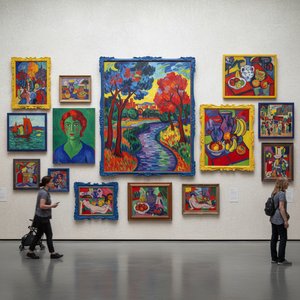
أعلى 10 روائع تحدد ملامح الفوية: رحلة في عالم الألوان الجريئة و الفن الراقي
اكتشف روائع الفوية! استكشف 10 لوحات أيقونية تحدد هذا التيار الفني الجريء مع ماتيس وديرين. قصص فنانين، تقنيات فريدة، وألوان آسرة. احصل على إعادة إنتاج عالية الجودة وابتكر ديكورًا فنيًا راقيًا. استكشف المجموعة الكاملة على TopImpressionists.com

Fauvism Unveiled: The Wild Revolution of Color and Emotion in Modern Art
Explore the vibrant revolution of Fauvism. Discover how masters like Henri Matisse liberated color from reality to express pure emotion. An expert guide into the 'Wild Beasts' of modern art history for collectors and enthusiasts.

Chromatic Masterpieces: 10 Artworks That Define Color & Inspire Your Home Decor
Explore 10 iconic artworks – from Monet to Matisse – that masterfully use color! Discover the stories behind these vibrant paintings, their techniques & emotional impact. Find museum-quality art reproductions and inspiring decor ideas on TopImpressionists.com.

Fauvism's Boldest Visions: 10 Masterpieces That Revolutionized Modern Art | TopImpressionists
Explore 10 Fauvist masterpieces by Matisse, Derain & Vlaminck that ignited Modern Art! Discover bold colors, expressionist landscapes & the history of this revolutionary movement. Find museum-quality prints at TopImpressionists.com.
استكشف الأعمال الفنية المصنفة حسب الموضوعات والأنماط والخصائص.


