


 معاينة الحجم الواقعي
 إرسال
إرسال مشاركة
 عرض التفاصيل
 دليل الأعمال الفنية للطلاب

 تحميل
تحميل
 قطع مشابهة
 الأشعة السينية
 عرض شرائح متتابع
 الإحصائيات
Still Life

 اقرأ المزيد
استكشف عالم هنري ماتيس (1869-1954)، رائد الفوفية وإتقان الألوان! اكتشف لوحاته الشهيرة، أعمال الكولاج الورقي، وتأثيره العميق على الفن الحديث. رسام فرنسي بارز.
طباعة جيلي / مطبوعات فنية
طباعة جيكلي أو كانفاس بجودة المتاحف، مع سرعة في التنفيذ وخيارات متنوعة للتشطيب. ( اطلب نسخة مرسومة يدويًا التحويل إلى الصورة الرقمية)




P118B E£10

P118H E£10

P118W E£10

P438Z E£10

P508JH E£12

P508YH E£12

P805H E£10

P805Z E£10

P919BZ E£10

P919G E£10

P919XJ E£10

P959ZH E£10

P968JZ E£12

W106C E£8

W218G E£10

W218JH E£8

W218Y E£10

W307PJ E£10

W316G E£10

W316PJ E£8

W316Y E£10

W398PJ E£8

W4111J E£10

W500HY E£15

W500JH E£15

W692G E£12

W849H E£8

W940BG E£15

W953PJ E£8




مقاس قياسي
مخصص
CM
INCH
اختر من بين أحجامنا المُعدّة مسبقاً والتي تتوافق مع النسب الأصلية للعمل الفني.
Loading sizes...

العرض
الارتفاع
يمكنك إدخال أبعاد خاصة لتناسب إطاراً أو مساحة معينة. وفي حال عدم تطابق الحجم المختار مع نسب الصورة الأصلية، سنقوم إما بقص العمل الفني أو تمديد الصورة باستخدام حافة معكوسة أو لون مصمت. وسيتم إرسال نموذج تجريبي رقمي لاعتمادك قبل بدء عملية الإنتاج.
يرجى ملاحظة أن المعاينة على الشاشة لا تعكس عملية القص أو التمديد الفعلية؛ حيث سيوضح النموذج التجريبي فقط التكوين النهائي بدقة.
وعلى الرغم من توفر أحجام مخصصة، إلا أننا نوصي باختيار أبعاد من القائمة المحددة مسبقاً للحفاظ على النسب الأصلية.
توصيل عالمي إلى خلال أسبوعين بدلاً من المدة القياسية البالغة 4/5 أسابيع. (14 أكتوبر)

شحن سريع ومجاني لجميع أنحاء العالم

قماش كتان فاخر

تأمين شامل على الشحن

ضمان استرداد الرسوم الجمركية

ضمان دقة مطابقة الألوان

سياسة الإرجاع خلال 100 يوم (في حالات العيوب فقط)

ضمان استرداد نقدي بنسبة 100%

عرض خصم الكميات
 خيار الزجاج متاح فقط للمقاسات التي تقل عن 110 سم

Still Life
طباعة جيلي / مطبوعات فنية
مقاس النسخة المطبوعة
-


إجمالي السعر
E£ 3574
A Symphony of Color: Unpacking the Essence of Matisse’s Still Life
Henri Matisse's "Still Life," a work often imbued with the quiet intensity of observation, invites us into a world where form and color coalesce to create an experience far richer than mere representation. This particular iteration, though its precise provenance remains elusive, embodies the core tenets of Matisse’s mature style – a deliberate rejection of academic realism in favor of a vibrant, emotionally charged exploration of shape and hue. Born in 1869 in Le Cateau-Cambrésis, France, Matisse's artistic journey was initially marked by legal studies before a pivotal illness redirected him toward the world he would ultimately dominate. This shift wasn’t simply a change of profession; it represented a profound embrace of intuition and a radical reimagining of painting as a vehicle for expressing joy and sensation.
The composition itself is deceptively simple, yet profoundly effective. A table serves as the stage for an arrangement of familiar objects: a vase, books, a bottle, an orange, and a bowl. However, these aren’t presented with photographic accuracy. Instead, Matisse employs a flattened perspective, characteristic of his “Fauvist” period (roughly 1905-1908), where the illusion of depth is sacrificed in favor of heightened color and simplified forms. The objects are not rendered as three-dimensional entities but rather as blocks of color – a bold red for the vase, a warm ochre for the books, a vibrant orange for the fruit. This deliberate abstraction allows Matisse to focus on the pure visual impact of each element, creating a dynamic interplay between them.
The Language of Color: Fauvism and Beyond
Matisse’s use of color is undeniably central to understanding this work. He wasn't simply applying pigments; he was wielding them as instruments of emotion. The palette is deliberately intense – saturated reds, yellows, blues, and greens dominate the scene. This chromatic boldness was a defining feature of Fauvism, a movement Matisse co-founded alongside André Derain and Maurice de Vlaminck. Fauvist paintings were initially met with shock and disapproval by critics who found their use of color jarring and unnatural. However, Matisse recognized that color could transcend mere representation and directly communicate feeling. He famously stated, “I want to paint what I see – not what I think I should see.”
The arrangement itself subtly echoes the principles of decorative art. The objects are carefully positioned to create a balanced composition, reminiscent of still life arrangements found in Renaissance paintings, but imbued with Matisse’s distinctly modern sensibility. Notice how the diagonal lines created by the table and the placement of the objects guide the viewer's eye across the canvas, drawing attention to each element individually before uniting them within the overall harmony.
Symbolism and Emotional Resonance
While seemingly straightforward, "Still Life" is rich in symbolic potential. The inclusion of books suggests a connection to intellect and knowledge, while the fruit – particularly the orange – can be interpreted as representing abundance, vitality, and perhaps even pleasure. The bowl, often associated with nourishment and hospitality, adds another layer of meaning. However, Matisse rarely offered explicit explanations for his symbolism; he preferred that viewers interpret the work through their own emotional lens.
Ultimately, "Still Life" is a testament to Matisse’s belief in the power of color to evoke emotion and create a sense of joy. It's a painting that invites us to slow down, to appreciate the beauty of everyday objects, and to experience the world through a vibrant, optimistic perspective. A reproduction captures this essence beautifully, allowing you to bring this captivating work into your own space – a source of visual delight and emotional resonance for years to come.
Technical Details & Reproduction Quality
TopImpressionists offers meticulously crafted hand-painted reproductions of Henri Matisse’s “Still Life,” ensuring the preservation of the artist's original vision. Our skilled artisans utilize archival-quality pigments and techniques that faithfully replicate the nuances of Matisse’s brushstrokes, color palette, and textural qualities. We offer a range of sizes to suit your needs, from intimate tabletop pieces to large-scale statement artworks. Each reproduction is created with the utmost care and attention to detail, guaranteeing an authentic representation of this iconic masterpiece.
الأسئلة والأجوبة
هل يتوفر عرض مسبق بتقنية الواقع المعزز لـ "Still Life"؟
يمكنك معاينة "Still Life" للفنان هنري ماتيس على جدارك الخاص عبر صفحة معاينة الواقع المعزز الخاصة بالعمل الفني، وذلك باستخدام تقنية الواقع المعزز على جهاز متوافق.
أين يمكنني مشاهدة معاينة لـ "Still Life"؟
تتيح لك صفحة معاينة الخاصة بـ "Still Life" معاينة العمل الفني قبل الطلب.
هل يُعرف هنري ماتيس، مبدع "Still Life"، بأسماء أخرى؟
يُعرف هنري ماتيس أيضاً باسم هنري إميل بنوا ماتيس.
ما هو اللون السائد في "Still Life" للفنان هنري ماتيس؟
اللون الأكثر بروزاً في "Still Life" هو Cobalt Violet (#938ea5). ويعد اللون السائد مفيداً عند تنسيق العمل الفني مع التصميم الداخلي.
ما الذي يفسر الوضع المتعلق بحقوق الطبع والنشر لـ "Still Life" للفنان هنري ماتيس؟
إن عمل "Still Life" للفنان هنري ماتيس يندرج ضمن ملك عام - انتهت مدة حماية حقوق الطبع والنشر الخاصة به. وتبدأ مدة حماية حقوق الطبع والنشر من تاريخ وفاة الفنان، والتي حدثت في عام 1954.
ما هو الشعور الذي تعبر عنه لوحة "Still Life" للفنان هنري ماتيس ضمن حركة Fauvism and Modernism؟
يحمل "Still Life" نبرة عاطفية Reflective ضمن حركة Fauvism and Modernism.
هل يغلب على "Still Life" الطابع الفاتح أم الداكن بشكل عام؟
القيم المسجلة لـ "Still Life" للفنان هنري ماتيس هي: سطوع بمقدار brilliant، وإضاءة بمقدار Bright Balance.
هل يتوفر "Still Life" كنسخة مطبوعة فنية فاخرة؟
يمكن طلب نسخة مطبوعة من "Still Life" للفنان هنري ماتيس مباشرة عبر هذه الصفحة: مطبوعة فنية فاخرة على قماش قطني أو ورق كانفاس أرشيفي.


نبذة عن الفنان
هنري ماتيس: رائد الألوان وعبقري التكوين
من قلب مدينة لوكاتو كامبريزيس الصغيرة في شمال فرنسا، بزغ هنري إميل بنوا ماتيس (31 ديسمبر 1869 – 3 نوفمبر 1954) ليرسم لنفسه مسارًا فنيًا فريدًا، بعيدًا عن المسارات التقليدية. بعد دراسة القانون في باريس، تغيرت حياته بشكل جذري إثر إصابته بالتهاب الزائدة الدودية عام 1889. خلال فترة نقاهة طويلة، اكتشف شغفًا دفينًا بالرسم، هدية بسيطة من والدته أشعلت شرارة الإبداع فيه. لم يكن هذا مجرد ترفيه عابر، بل كان بمثابة كشف عن موهبة كامنة، قادته نحو عالم الألوان والأشكال، حيث أصبحت اللوحة نافذته على العالم واللون لغته الخاصة. بعد تلك الفترة، التحق بأكاديمية جوليان ثم بكلية الفنون الجميلة الوطنية، حيث درس على يد ويليام أدولف بوغريه وغوستاف مورو، مستوعبًا التقنيات الكلاسيكية التي ستشكل أساس ابتكاراته المستقبلية. تعكس أعماله المبكرة هذا التدريب الأكاديمي، مع إظهار براعة فنية واضحة، لكنها تفتقر إلى الصوت المميز الذي سيحدد هويته الفنية لاحقًا.الفن التعبيري واندفاع الألوان: ظهور الفوفية
شكلت زيارته لجزيرة بيل إيل عام 1896 برفقة الرسام الأسترالي جون راسل نقطة تحول حاسمة في مسيرته الفنية. قدم له راسل عالم الانطباعية النابض بالحياة، والأهم من ذلك، لوحات فينست فان جوخ العاطفية المشحونة. كان التأثير عميقًا؛ إذ حطم استخدام فان جوخ للتعبير عن الألوان لوحة ماتيس اللونية المقيدة سابقًا، وحثه على تبني نهج أكثر جرأة وذاتية. بدأ في الابتعاد عن الألوان الترابية، معانقًا درجات لونية تت resonate مع المشاعر بدلًا من التمثيل الدقيق للواقع. بلورت هذه الاستكشافات ظهور الفوفية عام 1905 – حركة فنية قادها ماتيس، حيث أصبحت الألوان هي المحرك الأساسي للتعبير. الاسم نفسه، الذي يعني "الوحوش البرية"، كان في البداية ساخرًا، مُنحَبًّا على المجموعة بسبب لوحاتهم النابضة بالحياة وغير الطبيعية التي عُرضت في صالون الخريف. إلى جانب فنانين مثل أندريه ديراني وموريس دي فلامينك، احتفى ماتيس بالألوان الصافية كعنصر مستقل للتعبير، وبسّط الأشكال لتضخيم تأثيرها. أعمال مثل "اليقطين" (1905) تجسد هذا النمط – انفجار من الأحمر والأخضر والأصفر مطبق بجرأة تتجاهل المنظور التقليدي والدقة التصويرية.التأمل والانسجام الزخرفي
بعد زخم الفوفية الأولي، خضع أسلوب ماتيس لتطور دقيق ولكنه كبير. وبينما لم يتخل عن حبه للألوان، أصبح عمله أكثر دقة، مائلًا نحو جمالية زخرفية تؤكد على الأشكال المسطحة والأنماط المعقدة. استكشف موضوعات الراحة والحياة المنزلية والشخصيات البشرية في بيئات هادئة، مما أدى إلى إنشاء تركيبات تبدو متناغمة وعاطفية في آن واحد. ساهم انتقاله إلى نيس على الريفيرا الفرنسية عام 1917 في هذا التحول، حيث أضفى إحساسًا بالهدوء والتوازن الكلاسيكي على عمله. بدأ في التركيز على إنشاء بيئات – لوحات ومنحوتات وأشياء زخرفية – تغمر المشاهد في جو من الجمال والسكينة. لم يكن يصور ببساطة مشاهد؛ بل كان يبني عوالم مصممة لإثارة استجابة عاطفية محددة.سنوات متأخرة: الابتكار من خلال القيود: فن القص
مع تدهور صحته وتقليل قدرته على الرسم بالطريقة التقليدية، شرع ماتيس في فصل جديد مذهل في رحلته الفنية – إنشاء أعمال فنية باستخدام تقنيات القص الورقية أو "ديكوباج". بدءًا من حوالي عام 1947، ولدت هذه الأعمال كنتيجة للحاجة. مقيدًا على كرسي متحرك، لم يتمكن جسديًا من الوقوف والرسم، لكنه كان لا يزال قادرًا على معالجة الورق بالمقص. ما بدأ كحل عملي تطور إلى تقنية فنية رائدة. كان سيطلي أوراقًا كبيرة بألوان نابضة بالحياة، ثم يقصها إلى أشكال – أشكال عضوية وأوراق وشخصيات – ويرتبها على القماش، مما يخلق تركيبات ديناميكية وبسيطة بشكل خادع. لم تكن هذه "الديكوباج" مجرد بدائل للرسم؛ بل كانت طريقة جديدة للتفكير في اللون والشكل والتكوين. لقد واصل استكشافه لهذه العناصر، وعرض رؤية فنية دائمة حتى في مواجهة القيود الجسدية.- سمحت له تقنية القص الورقية بتحقيق نقاء في الشكل واللون يصعب تحقيقه باستخدام الطلاء.
- غالبًا ما أشار هذا العمل إلى الموضوعات والمواضيع السابقة من لوحاته، لكنه قدمها بطريقة جديدة ومبتكرة.
- لقد أظهر قدرته على التكيف والتطور كفنان طوال حياته المهنية.
إرث دائم: تأثير ماتيس على الفن الحديث
توفي هنري ماتيس في نيس عام 1954، تاركًا وراءه أعمالًا فنية لا تزال تلهم وتأسر الجماهير حول العالم. تأثيره على عالم الفن لا يمكن إنكاره؛ لقد تحدى المفاهيم التقليدية للتمثيل، ودعا إلى القوة التعبيرية للألوان، ومهد الطريق لأجيال مستقبلية من الفنانين. غالبًا ما يُعتبر إلى جانب بابلو بيكاسو أحد أهم الشخصيات في فن القرن العشرين، فقد شكل ماتيس بشكل أساسي الحداثة. يمتد إرثه إلى أبعد من أعماله الفنية نفسها – فهو يشمل فلسفة تحتفي بالبهجة والجمال والإمكانات التحويلية للون. لم يكن يرسم ببساطة ما يراه؛ بل كان يخلق تجربة عاطفية للمشاهد، ويدعوه إلى مشاركة رؤيته لعالم غارق في الضوء والألوان النابضة بالحياة. تأثير ماتيس يمكن رؤيته في أعمال فنانين عبر مختلف التخصصات، مما يعزز مكانته كعبقري حقيقي للفن الحديث – رسام تجرأ على أن يرى العالم ليس كما هو، بل كما يمكن أن يكون، مليئًا بالألوان والانسجام والإمكانات التي لا حدود لها.
هنري ماتيس
1869 - 1954 , فرنسا
لمحة سريعة
- أعمال فنية بارزة:
- القرع
- لوريت في طوق أبيض
- السعادة في الحياة
- استوديو أحمر
- الاسم الكامل: هنري إميل بنوا ماتيس
- الجنسية: فرنسي
- الحركة الفنية: الفوفية, التعبيرية
- تاريخ الميلاد: 31 ديسمبر 1869
- حركات فنية متأثرة:
- الحديثية
- التعبيرية
- فنانون مؤثرون:
- فنسنت فان جوخ
- جان-بابتيست سيمون شاردن
- جون راسل
- مكان الميلاد: لو كاتو-كامبريزي، فرنسا
مقالات ذات صلة

أعمال هنري ماتيس الرائعة: 25 تحفة فنية تزين منزلك بجمال الألوان والابتكار
اكتشف 25 تحفة فنية لهنري ماتيس، رائد التعبيرية وFauvism. استكشف قصص لوحاته المذهلة وألوانه الجريئة. احصل على مطبوعات عالية الجودة لديكور منزلي فاخر. اكتشف جميع الروائع على TopImpressionists.com
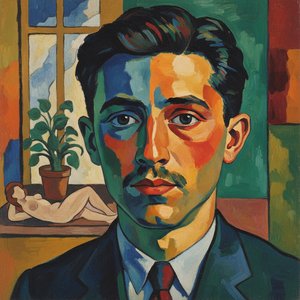
Henri Matisse: A Revolutionary Use of Color and Form in Modern Art
Explore the revolutionary art of Henri Matisse! Discover his bold use of color, Fauvist origins, and lasting impact on modern painting. A comprehensive guide for art enthusiasts.
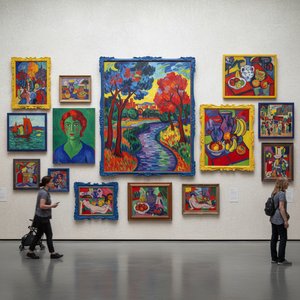
أعلى 10 روائع تحدد ملامح الفوية: رحلة في عالم الألوان الجريئة و الفن الراقي
اكتشف روائع الفوية! استكشف 10 لوحات أيقونية تحدد هذا التيار الفني الجريء مع ماتيس وديرين. قصص فنانين، تقنيات فريدة، وألوان آسرة. احصل على إعادة إنتاج عالية الجودة وابتكر ديكورًا فنيًا راقيًا. استكشف المجموعة الكاملة على TopImpressionists.com

Fauvism's Boldest Visions: 10 Masterpieces That Revolutionized Modern Art | TopImpressionists
Explore 10 Fauvist masterpieces by Matisse, Derain & Vlaminck that ignited Modern Art! Discover bold colors, expressionist landscapes & the history of this revolutionary movement. Find museum-quality prints at TopImpressionists.com.

The Wild Beast Within: Exploring Fauvism's Revolutionary Use of Color and Form
Explore the revolutionary Fauvism movement & Henri Matisse's bold use of color! Discover key characteristics, iconic artworks, and its lasting impact on modern art history with TopImpressionists.
استكشف الأعمال الفنية المصنفة حسب الموضوعات والأنماط والخصائص.


