وصف القطعة الفنية
A Window into Matisse’s Vibrant Vision
Henri Matisse (1869-1954) stands as a monumental figure in the annals of modern art, forever enshrined alongside Picasso as one of the architects of artistic revolution. Yet, his journey to artistic prominence wasn't marked by grand pronouncements or academic acclaim; it began with a serendipitous convalescence following an appendicitis attack—a moment that irrevocably altered the trajectory of his life and propelled him toward a singular pursuit: color. Born in Le Cateau-Cambrésis, France, Matisse’s early inclinations leaned towards law, but fate intervened swiftly, gifting him with a newfound passion for painting through the generosity of his mother. This formative experience instilled within him an unwavering belief in the transformative power of pigment and form—a conviction that would define his artistic output for decades to come.
The Painting: Untitled (4279) – A Symphony of Hue
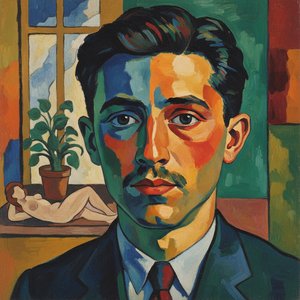
“Untitled (4279)” exemplifies Matisse’s signature style, a breathtaking distillation of Fauvist principles. The artwork depicts a simple yet profoundly evocative scene—a doorway framing a brick wall bathed in sunlight. Above the doorway rests a window, subtly enhancing the overall luminosity and inviting contemplation. Careful observation reveals a meticulously crafted composition featuring elements like lush grass, mature trees, and blossoming flowers – details that speak to Matisse’s fascination with capturing the beauty of the natural world. A bench occupies the left side of the canvas, grounding the scene and providing a visual anchor for the eye.
Technique and Color Palette: Bold Strokes and Radiant Light
Matisse's technique is characterized by loose, expressive brushstrokes—a deliberate rejection of academic conventions favoring spontaneity and immediacy. He employed tempera on canvas, achieving remarkable textural richness and vibrancy. The color palette is undeniably arresting; Matisse eschewed muted tones in favor of bold hues – reds, yellows, blues – applied with unrestrained confidence. These colors aren’t merely decorative; they are imbued with emotional significance, conveying feelings of joy, warmth, and vitality. The artist skillfully manipulated light and shadow to create depth and dimension, emphasizing the interplay between illumination and darkness—a technique that underscores Matisse's masterful command of visual language.
Historical Context: Fauvism – A Rebellion Against Impressionism
“Untitled (4279)” emerged during the burgeoning movement known as Fauvism, which arose in France around 1905-1908. Rejecting the Impressionists’ focus on capturing fleeting moments of light and atmosphere, Fauvist artists prioritized color above all else—treating it as an independent expressive element rather than merely reflecting reality. Matisse spearheaded this artistic rebellion, alongside André Derain and Maurice Denis, challenging established aesthetic norms and paving the way for a new era in painting. This bold stylistic choice signaled a decisive break from traditional representation, prioritizing emotional impact and visual pleasure.
Symbolism and Emotional Resonance: Capturing Essence Through Color
Beyond its formal qualities, “Untitled (4279)” resonates with profound symbolic meaning. The doorway represents transition—a passage between interiority and exteriority—while the window symbolizes openness and connection to the world beyond. The vibrant colors evoke feelings of optimism and exuberance, mirroring Matisse’s belief in the transformative power of art to uplift the human spirit. Ultimately, this artwork transcends mere visual depiction; it embodies Matisse's unwavering commitment to conveying emotion through color—a legacy that continues to inspire artists and captivate audiences worldwide.



 معاينة الحجم الحقيقي
 اشترِ لوحة مرسومة يدويًا
 مشاركة
 مشاركة
 التفاصيل

 تحميل الملف
 قطع مشابهة
 الأشعة السينية
 عرض شرائح
 عرض المزيد






































 خيار الزجاج متاح فقط للمقاسات التي تقل عن 110 سم