A Symphony of Color: Exploring Henri Matisse’s Untitled (8220)
Henri Matisse, a titan amongst Fauvist painters, gifted the art world with an oeuvre characterized by audacious color palettes and deceptively simple forms. “Untitled (8220),” created sometime between 1906 and 1913 – though its precise date remains elusive – exemplifies this artistic philosophy perfectly. This striking monochrome artwork transcends mere visual representation; it’s a meditation on emotion conveyed through masterful compositional choices.
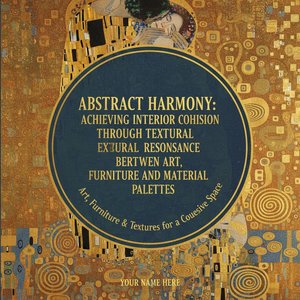
The image depicts a woman seated in repose, her arms outstretched as if embracing the expansive space around her. While her face is deliberately obscured—a stylistic hallmark of Matisse’s oeuvre—her posture exudes serenity and contemplation. The dress she wears is rendered with subtle tonal variations, hinting at textural depth despite the absence of color. Most notably, a prominent heart-shaped motif graces her chest, symbolizing love and compassion – themes recurrent throughout Matisse's artistic explorations.
The Language of Circles: Compositional Innovation
What immediately captivates the viewer is not just the figure itself but the intricate pattern of circles that envelop it. These circles aren’t merely decorative; they serve as a crucial element in conveying mood and rhythm. Scattered across the canvas, some positioned near the upper edge and others descending towards the bottom, they create an illusion of movement and subtly guide the eye. This technique aligns with Matisse's broader interest in geometric abstraction—a departure from Impressionistic realism that sought to capture fleeting moments of light and color.
Fauvism’s Bold Embrace: Artistic Context
“Untitled (8220)” firmly establishes Matisse within the movement known as Fauvism, which emerged in France around 1905. Artists like Matisse rebelled against academic conventions, prioritizing expressive color over accurate depiction. They deliberately flattened perspective and eschewed blending techniques, opting instead for vibrant hues applied directly to the canvas—colors that appeared almost unnatural, hence “wild beast.” This stylistic decision was driven by a desire to liberate painting from representational constraints and tap into primal emotions.
Symbolism Beyond Surface Appearance
Beyond its formal qualities, "Untitled (8220)" resonates with deeper symbolic significance. The heart motif speaks to universal human values—affection, empathy, and vulnerability—values that Matisse consistently championed in his art. Furthermore, the woman’s upward gaze suggests a yearning for transcendence, hinting at an aspiration beyond earthly concerns. These subtle gestures invite contemplation and imbue the artwork with emotional resonance.
A Legacy of Color: Matisse's Enduring Influence
Henri Matisse’s influence extends far beyond his own lifetime. His pioneering use of color paved the way for subsequent artistic movements, including Abstract Expressionism and Pop Art. “Untitled (8220)” stands as a testament to his unwavering commitment to artistic innovation—a masterpiece that continues to inspire artists and captivate audiences worldwide. Its enduring beauty lies not only in its visual splendor but also in its profound exploration of human emotion.



 معاينة الحجم الحقيقي
 اشترِ لوحة مرسومة يدويًا
 مشاركة
 مشاركة
 التفاصيل

 تحميل الملف
 قطع مشابهة
 الأشعة السينية
 عرض شرائح
 عرض المزيد






































 خيار الزجاج متاح فقط للمقاسات التي تقل عن 110 سم