

 معاينة الحجم الواقعي
 مشاركة
 مشاركة
 التفاصيل
 دليل
دليل

 تحميل الملف
 قطع مشابهة
 الأشعة السينية
 عرض شرائح
 Q&A
Q&A الإحصائيات
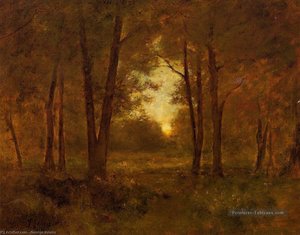
Connecticut Woods

- 72.0 x 92.0 cm


Henry Ward Ranger’s "Connecticut Woods" (1899) captures autumnal beauty in a Romantic landscape. Explore this tonalist masterpiece's impasto texture & serene scene.
Henry Ward Ranger (1858-1916) was a leading American Tonalist & Barbizon School painter known for evocative landscapes, forest interiors, and atmospheric scenes of nature. Explore his art & legacy.
 عرض المزيد
طباعة جيلي / مطبوعات فنية
طباعة جيكلي أو كانفاس بجودة المتاحف، مع سرعة في التنفيذ وخيارات متنوعة للتشطيب. ( شراء لوحة مرسومة يدويًا الانتقال إلى الصورة الرقمية)




































قياسي
حسب الطلب
CM
INCH
اختر من بين أحجامنا المُعدّة مسبقاً والتي تتوافق مع النسب الأصلية للعمل الفني.
Loading sizes...

العرض
الارتفاع
أدخل العرض والارتفاع المطلوبين ليتناسب المقاس مع إطارك أو جدارك. يرجى الملاحظة أن المطبوعة يمكن قصها فقط ولا يمكن تكبيرها لتتجاوز أبعاد الصورة الأصلية، لذا فإن اختيار مقاس بأبعاد مختلفة سيؤدي إلى فقدان جزء من الصورة. سنرسل لك نموذجاً رقمياً تجريبياً لاعتماده قبل البدء في عملية الطباعة. الصورة المعروضة في هذه الصفحة لا توضح شكل القص الفعلي — النموذج التجريبي فقط هو ما يظهر ذلك بدقة.
توصيل عالمي إلى خلال أسبوعين بدلاً من المدة القياسية البالغة 4/5 أسابيع. (2 نوفمبر)

شحن سريع ومجاني لجميع أنحاء العالم

قماش كتان عالي الجودة

تأمين شامل على الشحن

ضمان استرداد الرسوم الجمركية

ضمان مطابقة الألوان الحقيقية

سياسة الإرجاع خلال 100 يوم (في حالات العيوب فقط)

ضمان استرداد نقدي بنسبة 100%

خصم عند طلب كميات
 خيار الزجاج متاح فقط للمقاسات التي تقل عن 110 سم

Connecticut Woods
طباعة جيلي / مطبوعات فنية
مقاس النسخة المطبوعة
-


إجمالي السعر النهائي
E£ 3609
أعمال فنية ذات صلة




السيرة الذاتية للفنان
Early Life and Artistic Beginnings
Henry Ward Ranger, born in Sunbury, Pennsylvania, in 1858, was an artist deeply rooted in the American landscape long before it became a fashionable subject for art collectors. His early life wasn’t one of immediate artistic privilege; rather, it was steeped in the practicalities of working-class existence. He initially pursued studies at the Pennsylvania Academy of the Fine Arts in Philadelphia, but found its rigid academic style stifling to his burgeoning vision. Ranger sought a more direct connection with nature, and this led him on a path that would ultimately define his career as a pivotal figure in American Tonalism and the Barbizon School tradition.
His initial training focused on illustration, providing him with a solid technical foundation but failing to ignite his passion. A crucial turning point came during travels through Europe in the 1880s. He wasn’t drawn to the grand historical paintings or opulent portraits that dominated European salons; instead, he found himself captivated by the works of the Barbizon painters – artists like Théodore Rousseau and Jean-François Millet – who depicted rural life and landscapes with a quiet dignity and profound sense of atmosphere. This encounter proved transformative, shaping his aesthetic sensibilities and setting him on a course to capture the essence of the American wilderness.
The Embrace of Tonalism and Barbizon Influences
Upon returning to America, Ranger began to forge his own artistic identity, heavily influenced by the principles of both the Barbizon School and the emerging Tonalist movement. Tonalism, characterized by its subdued palettes, emphasis on atmospheric effects, and evocative mood, resonated deeply with Ranger’s desire to convey the spiritual qualities of nature. He wasn't interested in meticulous detail or photographic realism; instead, he sought to capture the *feeling* of a place – the stillness of a forest, the melancholy beauty of twilight, the weight of history embedded within the land.
His early works from this period often feature dark, brooding forests and quiet river scenes. He employed a limited range of colors—primarily browns, grays, greens, and blues—creating a harmonious sense of unity and emphasizing the play of light and shadow. This technique wasn’t merely about replicating visual appearances; it was about evoking an emotional response in the viewer, inviting them to contemplate the mysteries and grandeur of the natural world. He deliberately avoided bright colors or dramatic contrasts, preferring instead to create a meditative atmosphere that encouraged introspection.
Development of Style and Subject Matter
Ranger’s artistic development wasn't static; he continually refined his technique and expanded his subject matter throughout his career. While landscapes remained central to his work, he also explored scenes of rural life, depicting farmers, laborers, and the simple rhythms of agricultural existence. He became particularly known for his paintings of the Connecticut countryside, where he established a home and studio in Old Lyme.
Old Lyme quickly became an artistic haven, attracting a community of painters who shared Ranger’s appreciation for nature and commitment to Tonalist principles. He played a pivotal role in establishing the Lyme Art Colony, fostering a collaborative environment that encouraged experimentation and innovation. His influence extended beyond his own paintings; he was also a respected teacher, mentoring numerous artists and shaping the course of American landscape painting.
He experimented with different techniques to achieve his desired effects, often using a palette knife to apply thick layers of paint, creating textured surfaces that added depth and richness to his compositions. His later works demonstrate a greater emphasis on abstraction, moving away from representational accuracy towards a more expressive interpretation of nature.
Major Achievements and Historical Significance
Ranger achieved considerable recognition during his lifetime, exhibiting widely in prestigious galleries and museums across the United States. He was elected an Academician of the National Academy of Design in 1897, a testament to his artistic skill and influence. His paintings were highly sought after by collectors, and he played a significant role in popularizing American landscape painting.
However, Ranger’s historical significance extends beyond his commercial success. He was instrumental in establishing Tonalism as a distinctively American art movement, breaking away from European traditions and forging a new aesthetic identity rooted in the unique qualities of the American wilderness. His work reflects a deep reverence for nature, a commitment to artistic integrity, and a desire to capture the spiritual essence of the land.
- Pioneering Tonalism: Ranger is considered one of the founders of American Tonalism, influencing generations of landscape painters.
- The Lyme Art Colony: His role in establishing and nurturing the Old Lyme Art Colony was crucial to the development of American Impressionism and Tonalism.
- Evocative Landscapes: His paintings are celebrated for their atmospheric effects, subdued palettes, and emotional depth.
- Influence on American Identity: Ranger’s work helped to shape a distinctly American artistic vision, celebrating the beauty and grandeur of the native landscape.
Legacy and Lasting Impact
Henry Ward Ranger died in 1916, leaving behind a rich legacy that continues to inspire artists and captivate audiences today. His paintings are held in major museums across the United States, including the Metropolitan Museum of Art, the Smithsonian American Art Museum, and the Library of Congress.
Ranger’s influence can be seen in the work of numerous subsequent landscape painters, who adopted his techniques and shared his appreciation for nature. His commitment to artistic integrity and his ability to capture the spiritual qualities of the land continue to resonate with contemporary audiences, reminding us of the enduring power of art to connect us with the natural world.

Henry Ward Ranger
1858 - 1916
مقالات ذات صلة

The Magic of Tonalism: Capturing Mood, Mist, and Atmospheric Emotion in Landscape Art
Discover the ethereal beauty of Tonalism. Explore how master artists use mist, soft light, and muted palettes to capture profound emotion and atmospheric mood in landscape painting. A deep dive into this quiet, introspective art movement for true connoisseurs.