

 معاينة الحجم الواقعي
 إرسال
إرسال مشاركة
 عرض التفاصيل
 دليل الأعمال الفنية للطلاب

 تحميل
تحميل
 قطع مشابهة
 الأشعة السينية
 عرض شرائح متتابع
 الإحصائيات
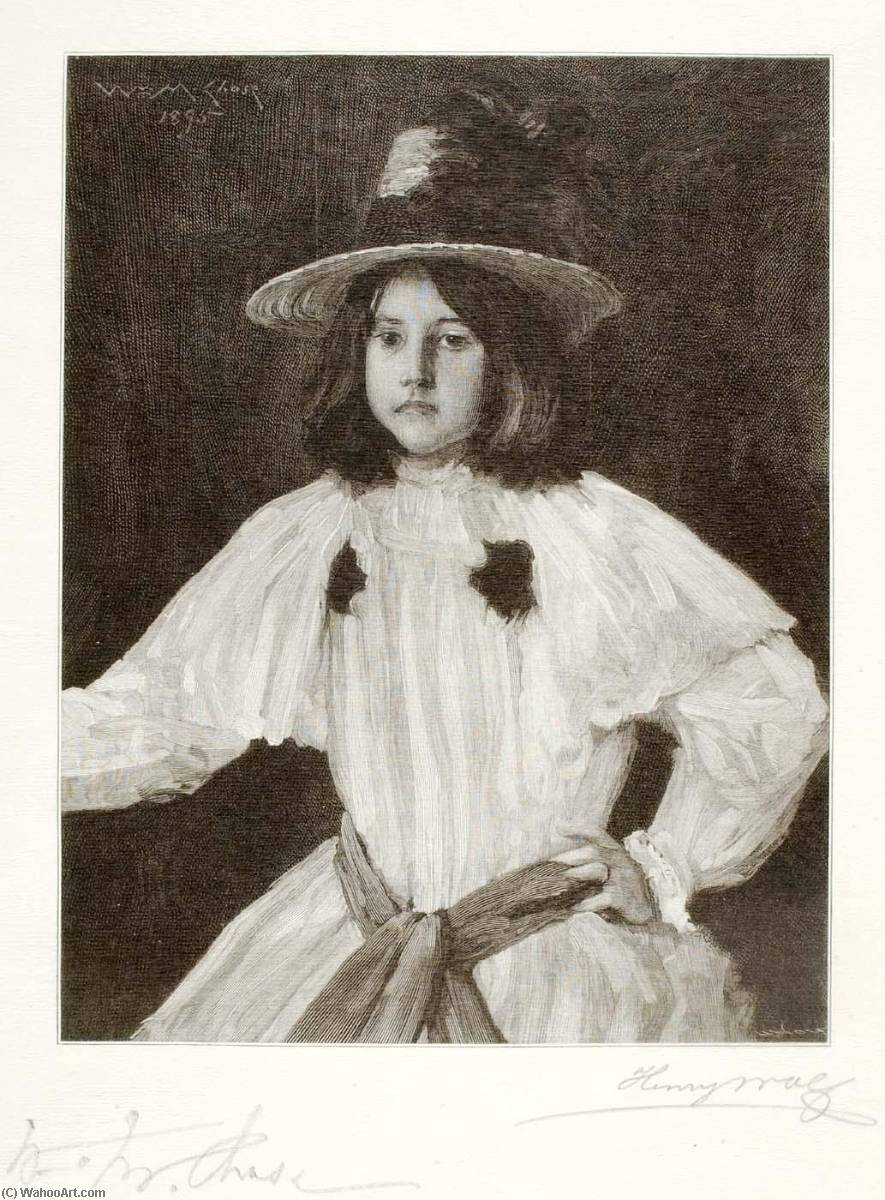
Alice
 Woodcut
- Academic Portraiture
 1892
1892- 19th Century
 18.0 x 14.0 cm
Discover 'Alice' by Henry Wolf - a captivating 1892 wood engraving from the Smithsonian! Admire intricate detail & Victorian charm in this stunning portrait.
 اقرأ المزيد
هنري وولف (1925-2005): مصمم جرافيك ومخرج فني نمساوي أمريكي أحدث ثورة في تصميم المجلات في Esquire و Harper's Bazaar وغيرها، بأساليبه الجريئة وتصويره الآسر. ترك إرثًا دائمًا في عالم الاتصال البصري.
إن العمل الفني المعروض في هذه الصفحة محمي بموجب قوانين حقوق الطبع والنشر، مما يعني أنه لا يحق لنا قانوناً إنشاء أو بيع نسخ مطابقة له. وتُطبق هذه الحماية بموجب الاتفاقيات الدولية مثل الـ اتفاقية برن ووفقاً للقوانين الوطنية، بما في ذلك تلك المنصوص عليها في قانون حقوق الطبع والنشر في الولايات المتحدة - الباب 17.
تتوافق هذه الطريقة تماماً مع لوائح حقوق النشر لأنها لا تتضمن نسخ أو تكرار العمل الفني المحمي، بل هي إعادة تفسير إبداعية؛ أي أنها لوحة جديدة مستوحاة من الأصل ولكنها ليست مطابقة له.
طباعة جيلي / مطبوعات فنية
طباعة جيكلي أو كانفاس بجودة المتاحف، مع سرعة في التنفيذ وخيارات متنوعة للتشطيب. ( اطلب نسخة مرسومة يدويًا التحويل إلى الصورة الرقمية)




































مقاس قياسي
مخصص
CM
INCH
اختر من بين أحجامنا المُعدّة مسبقاً والتي تتوافق مع النسب الأصلية للعمل الفني.
Loading sizes...

العرض
الارتفاع
أدخل العرض والارتفاع اللذين تحتاجهما، ليتناسب مع إطارك أو جدارك. يمكن قص المطبوعة فقط، ولا يمكن أبداً جعلها أكبر من الصورة الأصلية، لذا فإن أي مقاس بشكل مختلف سيؤدي إلى فقدان جزء من الصورة. سنرسل لك نموذجاً رقمياً تجريبياً لاعتماده قبل البدء في عملية الطباعة. الصورة المعروضة في هذه الصفحة لا توضح القص الفعلي — النموذج التجريبي فقط هو ما يظهر ذلك.
توصيل عالمي إلى خلال أسبوعين بدلاً من المدة القياسية البالغة 4/5 أسابيع. (28 أكتوبر)

شحن سريع ومجاني لجميع أنحاء العالم

قماش كتان فاخر

تأمين شامل على الشحن

ضمان استرداد الرسوم الجمركية

ضمان دقة مطابقة الألوان

سياسة الإرجاع خلال 100 يوم (في حالات العيوب فقط)

ضمان استرداد نقدي بنسبة 100%

عرض خصم الكميات
 خيار الزجاج متاح فقط للمقاسات التي تقل عن 110 سم

Alice
طباعة جيلي / مطبوعات فنية
مقاس النسخة المطبوعة
-


إجمالي السعر
E£ 3594
Alice by Henry Wolf: A Victorian Portrait in Wood Engraving
“Alice,” created by Henry Wolf in 1892, is a captivating wood engraving that transports viewers to the elegance of the Victorian era. This piece, currently residing at the Smithsonian American Art Museum, exemplifies Wolf’s skill and attention to detail, offering a glimpse into a bygone time through a beautifully rendered portrait.
Artist Background: Henry Wolf's Journey
Henry Wolf (1852-1916) was a French-born wood engraver who significantly contributed to American art. Born in Eckwersheim, France, he studied under Jacques Levy and exhibited his work in Paris before immigrating to New York City in 1871. He became renowned for his ability to reproduce works by prominent artists through the intricate medium of wood engraving. Wolf’s legacy extends beyond this single piece; he was a master craftsman who helped popularize art reproduction during an era when access to original artworks was limited.
Description and Technique: A Study in Detail
The artwork depicts a young girl, presumably named Alice, wearing a hat and gazing directly at the viewer with a serious expression. The engraving showcases Wolf’s mastery of woodcutting techniques. He meticulously carved lines into blocks of wood, which were then inked and pressed onto paper to create the image. This process required immense precision and skill, as each line contributed to the overall tonal range and texture of the portrait. The grayscale palette enhances the sense of timelessness and adds a touch of solemnity to the subject’s demeanor. The level of detail in the girl's clothing and facial features is remarkable, demonstrating Wolf’s dedication to realism.
Historical Context and Symbolism
“Alice” reflects the artistic trends prevalent during the late 19th century, a period characterized by academic portraiture and a focus on realistic representation. Wood engraving was a popular medium for reproducing illustrations in magazines and books, making art more accessible to a wider audience. The subject’s attire suggests a middle-class Victorian upbringing, while her direct gaze conveys a sense of quiet dignity and perhaps introspection. While overt symbolism is minimal, the portrait evokes feelings of nostalgia and reverence for traditional values.
Similar Artists and Styles
For those appreciating Wolf's style and skill, exploring works by other artists from this period can provide further context and enjoyment:
- James McNeill Whistler: Known for his atmospheric landscapes and portraits, Whistler’s emphasis on tonal harmony resonates with the subtle gradations of tone in “Alice.”
- Boris Gorelick: Gorelick's expressive style and use of texture offer a contrasting yet complementary perspective on portraiture.
- Gabor Peterdi: A master printmaker, Peterdi’s work shares Wolf’s dedication to technical precision and detailed observation.
“Alice” by Henry Wolf is more than just a portrait; it's a testament to the artistry of wood engraving and a window into Victorian society. Its enduring appeal lies in its exquisite detail, historical significance, and ability to evoke a sense of quiet contemplation.
الأسئلة والأجوبة
إلى أي مرحلة من مسيرة هنري وولف الفنية تنتمي لوحة "Alice"؟
ضمن مسيرة هنري وولف المهنية، تندرج لوحة "Alice" ضمن مرحلة Early Period. وتساعد هذه المرحلة في مقارنتها بأعمال الفنان الأخرى.
ما هي الغرفة التي يُنصح بوضع "Alice" للفنان هنري وولف فيها، بالنظر إلى ألوانه؟
تتناغم ألوان Neutrals في لوحة "Alice" للفنان هنري وولف مع المساحة الموصى بها لها: وهي Living Room.
ما نوع العمل الفني "Alice" للفنان هنري وولف؟
تُصنف "Alice" للفنان هنري وولف ضمن فئة wall art. ويصف هذا التصنيف نوع العمل الفني الأصلي.
نبذة عن الفنان
حياة مضطربة، ورؤية تشكلت: قصة هنري وولف
كان مسار حياة هنري وولف مشكلاً بشكل كبير بالتهجير والولادة من جديد، وهي قصة أثرت بعمق في عمله الرائد في التصميم الجرافيكي وتوجيه الفن. ولد في فيينا عام 1925 لعائلة يهودية آمنة ومتميزة، عاش هنري الصغير راحة الحياة المرفهة وترعرع في بيئة ثقافية حتى الوصول المروع للانضمام في عام 1938. اقتحم هذا التدخل المفاجئ عالمًا هادئًا، مما أجبر عائلته على خوض رحلة محفوفة بالمخاطر عبر فرنسا وشمال إفريقيا، بحثًا عن ملاذ من الاضطهاد. سنواته هذه، التي اتسمت بالشك والمعاناة – بما في ذلك الاحتجاز في معسكرات الاعتقال – غرست فيه حساسية عميقة للتواصل البصري، ربما كوسيلة للتنقل في واقع فوضوي متزايد. قدم نقله النهائي إلى الولايات المتحدة عام 1941 ملاذًا آمنًا، ولكنه تطلب أيضًا التكيف وإعادة الاختراع. لم تكن هذه التجربة المبكرة مجرد تفصيل سيرة ذاتية؛ بل كانت البوتقة التي تشكل فيها حس وولف الجمالي – مزيج من الرقي الأوروبي والديناميكية الأمريكية. خدم في الجيش من عام 1943 إلى عام 1946، مما وسع نطاق وجهة نظره قبل الشروع في حياته المهنية الفنية.من الإرشاد الفوتوغرافي إلى ثورة المجلات
أصبحت نيويورك التي ما بعد الحرب مختبر وولف الإبداعي. بدأ رحلته المهنية تحت إشراف عمالقة العالم الفوتوغرافي: ريتشارد أفيدون، وملفين سوكولسكي، وآرت كين. لم يمنح هؤلاء الأساتذة مهارة تقنية فحسب، بل أيضًا عينًا حريصة على التكوين والإضاءة ورواية القصص – وهي العناصر التي أصبحت سمات مميزة لأسلوب وولف الخاص. جاء اختراقه في عام 1952 بتعيينه مديرًا فنيًا لمجلة Esquire. في ذلك الوقت، كانت Esquire تخضع لتحول تحت قيادة أرنولد جينجريتش، وتسعى إلى الارتقاء بصورتها بما يتجاوز الإثارة البحتة. اغتنم وولف هذه الفرصة، وحقن هوية بصرية جديدة في المنشور، مبتعدًا عن الخطوط الجديدة العاطفية والرسوم التوضيحية العاطفية، واعتنق تخطيطات جريئة ونوعًا أنيقًا وتصويرًا مذهلاً. كانت أغلفته مبتكرة بشكل خاص، وغالبًا ما تستخدم مفاهيم فوتوغرافية ذكية تشير ضمنيًا إلى تميمة المجلة الشهيرة ذات الشارب، إيسكي. لم يكن هذا يتعلق بالجماليات فحسب؛ بل كان ذلك محاولة واعية لتحديد معيار جديد للمجلات الرجالية – معيار يقدر الذكاء والأسلوب والفن البصري.ثلاثية التأثير: Harper’s Bazaar، Show وما وراءها
لم يقتصر تأثير وولف على Esquire. في عام 1958، خلف أليكسي برودوفيتش كمدير فني لـ Harper’s Bazaar، وهو منصب سمح له بتحسين حساسيته الجمالية بشكل أكبر في عالم الأزياء الراقية. تعاون مع مصورين ورسامين بارزين، وخلق صفحات مرئية آسرة دفعت حدود التصميم التحريري. بعد ثلاث سنوات، تولى مشروعًا طموحًا آخر: إطلاق مجلة Show لهنتنغتون هارتفورد. منح هذا المشروع الجديد وولف حرية إبداعية غير مسبوقة لاستكشاف مفاهيم مرئية مبتكرة وتحدي الأعراف التقليدية. ومع ذلك، أظهر وقته في مجال الإعلان – أولاً في McCann-Erickson عام 1965، ثم كشريك في Trahey/Wolf – تنوعه. جلب نفس الاهتمام الدقيق بالتفاصيل والصرامة المفاهيمية للحملات للعلامات التجارية مثل Alka Seltzer و Buick و Gillette و Coca-Cola، مما يثبت أن مبادئه التصميمية تجاوزت حدود العمل التحريري.الإرث والتعليم: نقل رؤية
في عام 1971، أسس هنري وولف برودكشنز، وهو استوديو مخصص للتصوير الفوتوغرافي والأفلام والتصميم، مما سمح له بمتابعة مشاريع شخصية واستكشاف طرق إبداعية جديدة. في الوقت نفسه، أدرك أهمية رعاية الأجيال القادمة من المصممين. شارك بسخاء خبرته كمدرب في Parsons School of Design و School of Visual Arts و Cooper Union، ملهمًا عددًا لا يحصى من الطلاب بشغفه بالتواصل البصري. أكد فلسفة تدريسه على حل المشكلات والتفكير المفاهيمي والسعي الدؤوب لتحقيق التميز. حظيت مساهمات وولف بالاعتراف على نطاق واسع طوال حياته المهنية، وبلغت ذروتها بجوائز مثل ميدالية المعهد الأمريكي للتصميم الجرافيكي للإنجاز مدى الحياة (1976) وإدخاله في قاعة مشاهير نادي مديري الفن (1980). وضع وفاته عام 2005 نهاية لعصر، لكن إرثه لا يزال صداه في عالم التصميم الجرافيكي. ترك وراءه عملاً يقف بمثابة شهادة على قوة رواية القصص المرئية والطباعة الأنيقة والتخطيط المبتكر – وهي المبادئ التي تظل ذات صلة وملهمة حتى اليوم.تأثير دائم على الثقافة البصرية
يمتد تأثير هنري وولف إلى ما هو أبعد من صفحات المجلات التي حولها. لقد غير بشكل أساسي مشهد التصميم التحريري، ورفعه من مجرد حرفة وظيفية إلى شكل فني متطور. يستمر تركيزه على الوضوح البصري والصرامة المفاهيمية والجماليات الأنيقة في إعلام ممارسات التصميم الجرافيكي المعاصرة.- أظهر عمله أن التواصل الفعال لم يكن يتعلق فقط بنقل المعلومات؛ بل كان يتعلق بخلق اتصال عاطفي مع الجمهور.
- دعا إلى التعاون بين المصممين والمصورين والرسامين، معترفًا بأن الروايات المرئية الأكثر إقناعًا ظهرت من توليفة المواهب المتنوعة.
- إن تفاني وولف في التدريس ضمن أن مبادئه ستنتقل إلى الأجيال القادمة من المصممين، مما عزز مكانته كرائد حقيقي في هذا المجال.

هنري وولف
1925 - 2005 , النمسا
لمحة سريعة
- أعمال بارزة:
- تخطيطات Esquire
- تصاميم Harper's Bazaar
- الاسم الكامل: هنري وولف
- الجنسية: نمساوي أمريكي
- الحركة الفنية: تصميم المجلات
- تاريخ الميلاد: 23 مايو 1925
- تاريخ الوفاة: 14 فبراير 2005
- فنانون مؤثرون:
- ريتشارد أفيدون
- ميلفين سوكولسكي
- آرت كين
- مكان الميلاد: فيينا، النمسا
مقالات ذات صلة

Henry Wolf: A Legacy of Abstract Expressionism & Emotional Resonance in Post-War Art
Explore the profound legacy of Henry Wolf, a pivotal figure in Abstract Expressionism and post-war visual culture. Discover his impact on graphic design, photography, and art collecting with TopImpressionists.

أعمال هنري ماتيس الرائعة: 25 تحفة فنية تزين منزلك بجمال الألوان والابتكار
اكتشف 25 تحفة فنية لهنري ماتيس، رائد التعبيرية وFauvism. استكشف قصص لوحاته المذهلة وألوانه الجريئة. احصل على مطبوعات عالية الجودة لديكور منزلي فاخر. اكتشف جميع الروائع على TopImpressionists.com

Engraving's Golden Age: 10 Masterpieces That Redefined Art | TopImpressionists
Journey through art history with our Top 10 Legendary Engravings! Explore masterpieces by Dürer, Rembrandt & Goya. Discover the stories behind these iconic prints and find museum-quality reproductions for your home at TopImpressionists.com.

Engraving: A Historical Survey of Technique, Artistic Expression & Enduring Legacy
Explore the rich history of engraving with TopImpressionists. Discover techniques, iconic artists like Dürer & Callot, collecting tips, and expert guidance for preserving your art investment. Learn about intaglio printing & more!

The Intricate World of Engraving: A Historical Survey of Technique, Artistic Expression & Enduring Legacy
Explore the rich history of engraving with TopImpressionists. Discover techniques, iconic artists like Dürer & Callot, collecting tips, and expert guidance for preserving your art investment. Learn about intaglio printing & more!