

المعروض: · بالإطار:
 معاينة الحجم الواقعي
 مشاركة
 مشاركة
 التفاصيل
 دليل
دليل

 تحميل الملف
 قطع مشابهة
 الأشعة السينية
 عرض شرائح
 الأسئلة والأجوبة
 الإحصائيات
- 125.0 x 85.0 cm


E£ 15399
نسخة زيتية مرسومة يدوياً
لوحة زيتية مرسومة يدوياً على الكانفاس بالمقاس والإطار الذي تفضله، تُنفذ حسب الطلب على أيدي فنانينا. ( التبديل إلى نسخة مطبوعة الانتقال إلى الصورة الرقمية)
المقاس
·قياسي
حسب الطلب
CM
INCH
اختر من بين أحجامنا المُعدّة مسبقاً والتي تتوافق مع النسب الأصلية للعمل الفني.
جاري تحميل المقاسات...

العرض
الارتفاع
أدخل العرض والارتفاع اللذين تحتاجهما ليتناسب العمل مع إطارك أو جدارك. وبما أن هذه اللوحة مرسومة يدوياً، ففي حال اختيار مقاس بأبعاد مختلفة، يمكن للفنان رسم مساحة إضافية حول الصورة أو تقليصها قليلاً — الخيار لك. سنرسل لك نموذجاً رقمياً تجريبياً لاعتماده قبل البدء في الرسم. علماً بأن الصورة المعروضة في هذه الصفحة لا تعكس النتيجة النهائية الحقيقية، فالنموذج التجريبي هو الوحيد الذي يوضح ذلك بدقة.
 للمزيد من المعلومات
إنهاء
·
أبيض E£1

حواف ضبابية E£1

ممتد الحواف E£1

P118B E£10

P118H E£10

P118W E£10

P438Z E£10

P508JH E£12

P508YH E£12

P805H E£10

P805Z E£10

P919BZ E£10

P919G E£10

P919XJ E£10

P959ZH E£10

P968JZ E£12

W106C E£8

W218G E£10

W218JH E£8

W218Y E£10

W307PJ E£10

W316G E£10

W316PJ E£8

W316Y E£10

W398PJ E£8

W4111J E£10

W500HY E£15

W500JH E£15

W692G E£12

W849H E£8

W940BG E£15

W953PJ E£8

H24-GOLD E£30

H24-SILVER E£30

H36-GOLD E£45

H36-SILVER E£45
تُشحن في أنبوب واقٍ، لتكون جاهزة للتأطير لدى فني الإطارات الخاص بك.
للقطع التي يتجاوز طولها ١٠٥ سم، يتم شحن الإطار كمجموعة مخصصة لخبراء التأطير — اقرأ التفاصيل.
خدمات إضافية
اختياريماذا تشمل الإضافات؟
أمثلة على ما يمكن تغييره: استبدال الوجه بصورة العميل؛ إضافة حيوان أليف (على سبيل المثال، استبدال قطة بكلب)؛ تضمين رسالة مخفية في الخلفية؛ تغيير المناظر الطبيعية أو العناصر في الخلفية.
بعد الطلب، سيقوم فريق TopImpressionists.com بمراسلة العميل عبر البريد الإلكتروني للحصول على التعليمات وتزويده بمعاينة تجريبية للعمل
بعد الطلب، سيقوم فريق TopImpressionists.com بمراسلة العميل عبر البريد الإلكتروني للحصول على التعليمات وتزويده بمعاينة تجريبية للعمل
توصيل عالمي إلى خلال 3 إلى 4 أسابيع بدلاً من المدة المعتادة البالغة 5 أسابيع. (7 نوفمبر). جودة لا تهاون فيها.
ورنيش واقٍ
بطاقة التعريف
تفاصيل اللوحة البرونزية المحفورة
This elegant plaque features the artist's name and the title of the artwork, finely engraved for a timeless presentation.
It is made from bronze with a refined, elegant finish. The text is precisely laser-engraved for a sharp and permanent result. Measuring 9x2 cm, the plaque is compact yet easy to read. It's built to be durable and scratch-resistant, offering a professional, museum-quality look. Mounting is simple thanks to the included adhesive backing.
تفاصيل اللوحة الأكريليكية الشفافة
The plaque includes essential engraved details such as the artist's name, the title of the artwork, the date it was created, the type of media used-like oil on canvas or watercolor-a brief description of the piece, and a QR code that links to the complete artwork information.
It is crafted from clear acrylic, offering a sleek, modern appearance. The text is UV-engraved in black to ensure strong visual contrast. With a size of 10x15 cm, it ensures optimal readability. It comes equipped with two metal hooks for secure wall mounting. The plaque is designed to be weather-resistant, making it suitable for various environments, and it includes interactive features that work seamlessly with smartphone scanning.
تفاصيل اللوحة الأكريليكية السوداء
This elegant plaque includes engraved information such as the artist's name, the title of the artwork, the date it was created, the type of media used (like oil on canvas or watercolor), a short description of the artwork, and a QR code for quick access to more information.
The plaque itself is made from refined black acrylic with a premium finish. The text is laser-engraved in white for high contrast and readability. Its size is 10x15 cm, designed to be easy to read. It comes with two metal hooks for professional mounting. The design is sleek and fits any interior style. It is also weather-resistant and durable, with built-in digital integration for mobile compatibility.
خيار الزجاج متاح فقط للمقاسات التي تقل عن 110 سم
 خيار الزجاج متاح فقط للمقاسات التي تقل عن 110 سم
- شحن سريع ومجاني لجميع أنحاء العالم
- قماش كتان عالي الجودة
- تأمين شامل على الشحن
- ضمان استرداد الرسوم الجمركية
- ضمان مطابقة الألوان الحقيقية
- سياسة الإرجاع خلال 100 يوم (في حالات العيوب فقط)
- ضمان استرداد نقدي بنسبة 100%
- خصم عند طلب كميات


وصف القطعة المقتناة
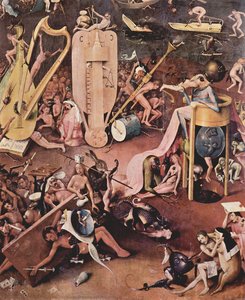
Hieronymus Bosch's "Two Witches" depicts two enigmatic figures amidst a dark, symbolic scene—a haunting exploration of morality and the supernatural from the Renaissance master.
السيرة الذاتية للفنان
اكتشف هيرونيموس بوش (حوالي 1450-1516)، رائد الرسم الهولندي من عصر النهضة، وأعماله السريالية والرمزية المذهلة. استكشف لوحاته الشهيرة مثل 'حديقة المتعة الأرضية' ورؤاه الكابوسية وتأثيره الدائم على تاريخ الفن.
عن اللوحة
A Glimpse into a Twisted World: The Enigmatic "Two Witches"
Hieronymus Bosch's “Two Witches,” painted circa 1480-1490, isn’t merely a depiction of two figures; it’s an immersion into a meticulously crafted nightmare. Born in ’s-Hertogenbosch, Netherlands, during a period rife with religious anxieties and burgeoning folklore, Bosch developed a singular artistic vision—one that fused the unsettling realities of his time with fantastical imagery and profound psychological depth. This particular work, often considered a preparatory study for a larger altarpiece, offers a concentrated dose of his signature style: a world brimming with symbolic excess, moral warnings, and a pervasive sense of impending doom. The painting’s power lies not in its narrative clarity—it deliberately avoids straightforward storytelling—but rather in the unsettling atmosphere it generates through carefully orchestrated details and an almost unbearable tension between the two central figures.
The composition itself is deceptively simple. Two women, draped in long, flowing robes of indeterminate color, occupy a starkly minimalist background. Their faces are obscured by elaborate head coverings—a deliberate choice that heightens their anonymity and emphasizes their role as archetypal figures rather than individuals. One holds a book or manuscript, its contents tantalizingly out of view, while the other carries a staff topped with what appears to be an animal skull – a potent symbol of death and decay. The positioning of the figures, slightly off-center, creates a dynamic imbalance, drawing the viewer’s eye into the heart of this unsettling tableau. Bosch masterfully uses negative space to amplify the sense of isolation and foreboding, suggesting that these women exist within a larger, unseen drama.
The Language of Line and Shadow: Technique and Style
Bosch's technique is instantly recognizable—a testament to his painstaking attention to detail. The work is executed entirely in pen and ink on paper, utilizing a remarkably precise hand that renders the figures’ forms with astonishing accuracy. He employs hatching and cross-hatching to create subtle gradations of tone, suggesting depth and volume without resorting to traditional shading techniques. This meticulous approach lends a remarkable sense of realism to the fantastical elements within the scene—the intricate folds of the robes, the unsettling details of the skull, even the suggestion of texture in the women’s garments. The monochromatic palette – shades of gray – further enhances the painting's somber mood and focuses attention on the interplay of line and shadow.
The influence of Bosch’s artistic training is evident in his mastery of perspective, though it’s deliberately flattened, creating a sense of claustrophobia. He doesn’t attempt to create an illusion of depth; instead, he uses overlapping lines and carefully positioned elements to suggest spatial relationships within the scene. The figures are presented as if trapped within a confined space—a visual metaphor for the psychological constraints imposed by sin and temptation. Bosch's style is deeply rooted in the Northern Renaissance tradition, yet it transcends conventional artistic boundaries, forging a uniquely personal and profoundly unsettling vision.
Decoding the Symbols: A Journey into Morality and Madness
“Two Witches” is saturated with symbolism, inviting endless interpretation. The book held by one figure likely represents knowledge—but perhaps also dangerous or forbidden knowledge. The skull atop the staff is a clear reference to mortality and the transience of earthly pleasures. The women themselves can be seen as allegorical figures representing temptation, sin, and the perils of indulging in worldly desires. Bosch’s work frequently served as moralistic warnings, depicting the consequences of straying from religious piety. The overall atmosphere evokes a sense of impending judgment—a reminder that even seemingly innocuous actions can lead to devastating outcomes.
Furthermore, the painting resonates with themes of madness and delusion. Bosch's art often explores the boundaries between reality and fantasy, sanity and insanity. The unsettling expressions on the women’s faces, combined with the bizarre setting, suggest a descent into psychological turmoil—a reflection of the anxieties and uncertainties that plagued Renaissance society. The scene feels like a carefully constructed dreamscape, populated by figures caught in a perpetual state of unease.
A Timeless Masterpiece: Reproduction and Legacy
“Two Witches” remains one of Hieronymus Bosch’s most compelling works, captivating viewers with its unsettling beauty and profound psychological depth. Reproductions offer an accessible way to experience the power of this extraordinary painting, allowing us to contemplate its complex symbolism and appreciate Bosch's unparalleled artistic vision. Whether displayed in a grand salon or a smaller study, a high-quality reproduction of “Two Witches” serves as a constant reminder of the enduring fascination with darkness, morality, and the mysteries of the human psyche.
الأسئلة والأجوبة
هل "Two Witches" للفنان إيرونيموس بوش لوحة زيتية، أم رسم، أم مطبوعة؟
تُصنف "Two Witches" للفنان إيرونيموس بوش ضمن فئة WallArt، ويحدد هذا التصنيف نوع العمل الفني الأصلي.
ما هي الألوان الطاغية في "Two Witches" للفنان إيرونيموس بوش؟
تتميز لوحة "Two Witches" للفنان إيرونيموس بوش بمجموعة ألوان Neutrals، مع بروز اللون Putty (#dedede) كلون مهيمن.
كيف ترتبط حركة Northern Renaissance في عمل "Two Witches" بالوطن الأم للفنان؟
أُنجز العمل الذي ينتمي إلى مدرسة Northern Renaissance بعنوان "Two Witches" على يد فنان وُلد في هولندا.
حقائق سريعة واختبار فني
عن إيرونيموس بوش

إيرونيموس بوش
1450 - 1516, هولندا
السيرة الذاتية للفنان
هيرونيموس بوش: إحياء الرؤى السريالية والرمزية في عصر النهضة
كان هيرونيموس بوش، الذي ولد حوالي عام 1450 في مدينة ’س هرتوجينبوشك الهولندية، وهي جزء من برابانك آنذاك، أحد أكثر الشخصيات الفنية إثارة للجدل والغموض في تاريخ الفن، ويُعرف بأنه جيرونيموس فان أكن. كان العالم الذي ينتمي إليه غارقًا في الإرشاد الديني المتأخر في العصور الوسطى والفولكلور والقلق الاجتماعي المتزايد، كل ذلك ما سيؤثر بعمق على رؤيته الفنية الفريدة والمزعجة. كان ينتمي إلى عائلة ذات تقاليد طويلة في الرسم، حيث كان جده جان فان أكن وبدوره والده أنطونيوس فان أكن فنانين، مما يعني على الأرجح أنه تلقى تدريبه الأولي في ورشة العائلة، واكتسب تقنيات وتقاليد الرسم الهولندي، لكن حتى في سنواته الأولى بدأ بالتخلي عن المعايير الراسخة، مما يشير إلى الخيال الاستثنائي الذي سيحدد مسيرته الفنية. التفاصيل البيوجرافية غير كافية بشكل محبط؛ السجلات متفرقة، مما يترك الكثيرًا مفتوحًا للتكهنات والتفسيرات، ويضيف إلى الهالة الغامضة المحيطة بالفنان نفسه وعمله. تزوج هيرونيموس بوش من أليت غويارتس فان دين ميرفين قبل عام 1481 تقريبًا، وهي تحالف يقدم له بعض الاستقرار المالي من خلال ثروات عائلتها، لكن لا شيء آخر يُعرف عنه في حياته الشخصية.الأسلوب الفني الفريد: مزيج بين التفصيل الدقيق والرؤى الخيالية الجامحة
كان الأسلوب الفني لبوش على الفور مميزًا - مزيجًا ساحرًا بين التفصيل الدقيق والتصويرات الخيالية الجامحة. كان يستخدم زيتًا على ألواح خشبية، مما يدل على إتقانه للمادة وتحقيقه للألوان اللامعة والنقوش المعقدة. في حين أن أعماله المبكرة تظهر تأثيرات الرسم الهولندي التقليدي، خاصة في واقعيته واهتمامه بالتفصيل، إلا أنه سرعان ما تجاوز مجرد تقليد، وتطوير رؤية فريدة بعمق لم يسبقه أحد. لم تكن لوحات بوش تمثيلات للواقع فحسب؛ بل كانت مناظر طبيعية رمزية يسكنها مخلوقات غريبة ومخلوقات هجينة ومشاهد مقلقة تبدو وكأنها مسروقة من الأحلام - أو الكوابيس. شكلت الموضوعات الدينية جوهر الكثير من عمله، لكن هذه ليست تمثيلات مباشرة للقصص الكتابية. بدلًا من ذلك، يستخدم بوش الرمز لتقييم مفاهيم ومبادئ دينية معقدة، وغالبًا ما يركز على مخاطر الخطيئة والهشاشة اللذين تسببا في الملذات الأرضية وتحديدًا على حتمية الحكم الإلهي. كانت المخلوقات التي رسمها - الشياطين الغريبة والمخلوقات الأسطورية والشخصيات البشرية بشكل غريب - ليست مجرد عناصر زخرفية؛ بل هي تجسيدات للرذيلة والتملق والفساد الروحي. كان التداخل بين المقدس والبراني تأثيرًا فريدًا ومزعجًا يثير إعجاب المشاهدين لقرون عديدة، ويشكل طريقة جديدة للتعبير الفني يتجاوز حدود الفنان نفسه ويفتح الطريق لمواقف فنية جديدة.الرمزية والتفسير الروحي: استكشاف العقل الباطن
تتميز لوحات بوش بتوازنها بين التفصيل الدقيق والرؤى الخيالية الجامحة، وتُظهر إتقانه للمادة وتحقيقه للألوان اللامعة والنقوش المعقدة. كان يستخدم زيتًا على ألواح خشبية، مما يدل على إتقانه للمادة وتحقيقه للألوان اللامعة والنقوش المعقدة. في حين أن أعماله المبكرة تظهر تأثيرات الرسم الهولندي التقليدي، خاصة في واقعيته واهتمامه بالتفصيل، إلا أنه سرعان ما تجاوز مجرد تقليد، وتطوير رؤية فريدة بعمق لم يسبقه أحد. لم تكن لوحات بوش تمثيلات للواقع فحسب؛ بل كانت مناظر طبيعية رمزية يسكنها مخلوقات غريبة ومخلوقات هجينة ومشاهد مقلقة تبدو وكأنها مسروقة من الأحلام - أو الكوابيس. كان التداخل بين المقدس والبراني تأثيرًا فريدًا ومزعجًا يثير إعجاب المشاهدين لقرون عديدة، ويشكل طريقة جديدة للتعبير الفني يتجاوز حدود الفنان نفسه ويفتح الطريق لمواقف فنية جديدة. كانت هذه الملاحظة التي أشار إليها العديد من الباحثين هي أن بوش استطاع دائمًا مواجهة أسئلة عميقة حول الإيمان والأخلاق والحالة الإنسانية، وتحدي المعايير التقليدية وتوفير طريقة جديدة للتعبير الفني يتجاوز حدود الفنان نفسه ويفتح الطريق لمواقف فنية جديدة. كان يستخدم زيتًا على ألواح خشبية، مما يدل على إتقانه للمادة وتحقيقه للألوان اللامعة والنقوش المعقدة. في حين أن أعماله المبكرة تظهر تأثيرات الرسم الهولندي التقليدي، خاصة في واقعيته واهتمامه بالتفصيل، إلا أنه سرعان ما تجاوز مجرد تقليد، وتطوير رؤية فريدة بعمق لم يسبقه أحد. كان يستخدم زيتًا على ألواح خشبية، مما يدل على إتقانه للمادة وتحقيقه للألوان اللامعة والنقوش المعقدة. في حين أن أعماله المبكرة تظهر تأثيرات الرسم الهولندي التقليدي، خاصة في واقعيته واهتمامه بالتفصيل، إلا أنه سرعان ما تجاوز مجرد تقليد، وتطوير رؤية فريدة بعمق لم يسبقه أحد. كان يستخدم زيتًا على ألواح خشبية، مما يدل على إتقانه للمادة وتحقيقه للألوان اللامعة والنقوش المعقدة. في حين أن أعماله المبكرة تظهر تأثيرات الرسم الهولندي التقليدي، خاصة في واقعيته واهتمامه بالتفصيل، إلا أنه سرعان ما تجاوز مجرد تقليد، وتطوير رؤية فريدة بعمق لم يسبقه أحد. كان يستخدم زيتًا على ألواح خشبية، مما يدل على إتقانه للمادة وتحقيقه للألوان اللامعة والنقوش المعقدة. في حين أن أعماله المبكرة تظهر تأثيرات الرسم الهولندي التقليدي، خاصة في واقعيته واهتمامه بالتفصيل، إلا أنه سرعان ما تجاوز مجرد تقليد، وتطوير رؤية فريدة بعمق لم يسبقه أحد. كان يستخدم زيتًا على ألواح خشبية، مما يدل على إتقانه للمادة وتحقيقه للألوان اللامعة والنقوش المعقدة. في حين أن أعماله المبكرة تظهر تأثيرات الرسم الهولندي التقليدي، خاصة في واقعيته واهتمامه بالتفصيل، إلا أنه سرعان ما تجاوز مجرد تقليد، وتطوير رؤية فريدة بعمق لم يسبقه أحد. كان يستخدم زيتًا على ألواح خشبية، مما يدل على إتقانه للمادة وتحقيقه للألوان اللامعة والنقوش المعقدة. في حين أن أعماله المبكرة تظهر تأثيرات الرسم الهولندي التقليدي، خاصة في واقعيته واهتمامه بالتفصيل، إلا أنه سرعان ما تجاوز مجرد تقليد، وتطوير رؤية فريدة بعمق لم يسبقه أحد. كان يستخدم زيتًا على ألواح خشبية، مما يدل على إتقانه للمادة وتحقيقه للألوان اللامعة والنقوش المعقدة. في حين أن أعماله المبكرة تظهر تأثيرات الرسم الهولندي التقليدي، خاصة في واقعيته واهتمامه بالتفصيل، إلا أنه سرعان ما تجاوز مجرد تقليد، وتطوير رؤية فريدة بعمق لم يسبقه أحد. كان يستخدم زيتًا على ألواح خشبية، مما يدل على إتقانه للمادة وتحقيقه للألوان اللامعة والنقوش المعقدة. في حين أن أعماله المبكرة تظهر تأثيرات الرسم الهولندي التقليدي، خاصة في واقعيته واهتمامه بالتفصيل، إلا أنه سرعان ما تجاوز مجرد تقليد، وتطوير رؤية فريدة بعمق لم يسبقه أحد. كان يستخدم زيتًا على ألواح خشبية، مما يدل على إتقانه للمادة وتحقيقه للألوان اللامعة والنقوش المعقدة. في حين أن أعماله المبكرة تظهر تأثيرات الرسم الهولندي التقليدي، خاصة في واقعيته واهتمامه بالتفصيل، إلا أنه سرعان ما تجاوز مجرد تقليد، وتطوير رؤية فريدة بعمق لم يسبقه أحد. كان يستخدم زيتًا على ألواح خشبية، مما يدل على إتقانه للمادة وتحقيقه للألوان اللامعة والنقوش المعقدة. في حين أن أعماله المبكرة تظهر تأثيرات الرسمحقائق سريعة عن إيرونيموس بوش
- Artistic Movement Or Style: سريالية، رمزية
- Artists Or Movements Influenced By This Artist: ['بيتر بروجيل الأكبر']
- Date Of Birth: تقريبًا 1450
- Date Of Death: 1516
- Full Name: هيرونيموس بوش
- Nationality: هولندي
- Notable Artworks: ['جنة الملذات الأرضية"، "المحاسبة الأبدية تريبتيخ"، "الصعود المطهّر"، "إظهار العشاء']
- Place Of Birth: إنسبروك، هولندا
استكشف الأعمال الفنية المصنفة حسب الموضوعات والأنماط والخصائص.




إيرونيموس بوش
Two Witches
() ·
بالإطار: · رُسمت يدوياً بالزيت على الكتان
الإجمالي