


 معاينة الحجم الواقعي
 إرسال
إرسال مشاركة
 عرض التفاصيل
 دليل الأعمال الفنية للطلاب

 تحميل
تحميل
 قطع مشابهة
 الأشعة السينية
 عرض شرائح متتابع
 الإحصائيات
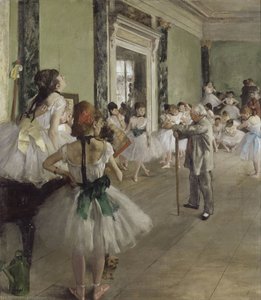
Dance Class


Experience Edgar Degas's 'Dance Class'! This iconic 1871 painting captures ballet rehearsals with stunning detail & movement. Part of the Met’s collection, it showcases Degas’s unique artistic vision.
 اقرأ المزيد
إدغار ديغا: فنان فرنسي ثوري اشتهر بلوحاته الساحرة لراقصات الباليه ومشاهده الباريسية وتقنياته المبتكرة - سيد حقيقي للفن الحديث!
احصل على صورة رقمية عالية الدقة ومعزّزة، بجودة تفوق بكثير المعاينة عبر الإنترنت.
يتم إعداد كل ملف بعناية فائقة على أيدي متخصصينا باستخدام أدوات متقدمة ولمسات يدوية خبيرة، لضمان تمتع كل صورة بوضوح استثنائي، ودقة لونية متناهية، وتفاصيل دقيقة.
يتم تسليم الملف النهائي عبر البريد الإلكتروني في غضون 72 ساعة، وهو مُحسَّن للاستخدام الفوري في المجالات المهنية والتحريرية ومجالات الطباعة؛ وهي ذات الجودة التي تعتمد عليها كبرى استوديوهات التصميم ودور النشر والمعارض الفنية المرموقة.
صورة رقمية
حمّل ملفاً عالي الدقة للعرض الشخصي، والطباعة، والمشاريع الإبداعية. ( التبديل إلى المطبوعات اطلب نسخة مرسومة يدويًا)
مزايا مُضمّنة مع كل طلب صورة رقمية
خدمة تسليم رقمي احترافية ومضمونة
عندما تختار TopImpressionists.com، فأنت لا تحصل على مجرد صورة فحسب، بل ستحصل على عمل فني رقمي مُحسّن باحترافية، صُمم بدقة متناهية ومصحوب بضمان الرضا. إليك كل ما يتضمنه طلبك تلقائياً:

تسليم سريع عبر البريد الإلكتروني
ستصلك ملفات صورك الرقمية عالية الدقة عبر البريد الإلكتروني في غضون 72 ساعة من إتمام الطلب - لتكون جاهزة للاستخدام الفوري.

ملف رقمي مُعزز بالذكاء الاصطناعي
يتم تحسين عملك الفني باحترافية باستخدام أدوات الذكاء الاصطناعي المتقدمة والتحرير اليدوي، لضمان أقصى درجات التفاصيل والوضوح ودقة الألوان.

إعادة إرسال مجانية مدى الحياة
هل حذفت ملفك أو فقدته عن طريق الخطأ؟ لا تقلق - سنعيد إرساله إليك في أي وقت، مجاناً.

بدون رسوم استيراد - على الإطلاق
استمتع بأعمالك الفنية فوراً دون أي رسوم جمركية أو ضرائب أو مصاريف شحن - فالتحميلات الرقمية دائماً ما تكون معفاة من الضرائب.

ضمان دقة الألوان
نضمن لك دقة انعكاس الألوان الأصلية في صورتك الرقمية بأقصى قدر ممكن، وذلك باستخدام أدوات احترافية وتقنيات متطورة لإدارة الألوان.

ضمان الرضا لمدة 100 يوم
إذا لم تكن راضياً عن صورتك الرقمية، فسنقوم بتعديلها أو استرداد 100% من قيمتها خلال 100 يوم - دون طرح أي أسئلة.

ضمان استعادة الأموال بنسبة 100%
لم تكن راضياً؟ استرد كامل المبلغ خلال 100 يوم من استلام ملفك الرقمي - دون طرح أي أسئلة.

خصومات الطلبات الكبيرة
اشتري 3 صور، ووفر 10% - اشتري 5، ووفر 15% - اشتري +10، ووفر 20%. مثالية للمشاريع الإبداعية، والمعارض، والوكالات.
The Captivating World of “Dance Class”
Edgar Degas’s Dance Class, a remarkable oil painting created in 1871 and now residing within the hallowed halls of the Metropolitan Museum of Art, is far more than just a depiction of ballerinas practicing. It's a meticulously observed snapshot of a vibrant microcosm – a ballet studio brimming with youthful energy, quiet anticipation, and the subtle tensions inherent in the pursuit of artistic perfection. Degas, a master of capturing fleeting moments and unconventional subjects, doesn’t offer a grand spectacle; instead, he presents an intimate scene, inviting us to observe the dedication, discipline, and unspoken camaraderie of these young dancers preparing for their performances.
The painting immediately draws the eye with its dynamic composition. Degas eschews traditional, formal arrangements in favor of a horizontal format that emphasizes the space itself – a modestly sized room bathed in diffused light. The arrangement of the dancers is deliberately asymmetrical, creating a sense of movement and suggesting an ongoing process rather than a static pose. Notice how some figures are clustered together, engaged in conversation or instruction, while others stand alone, lost in their own thoughts or focused intently on perfecting a particular step. This deliberate imbalance contributes to the painting’s overall feeling of realism and immediacy.
A Masterclass in Impressionistic Technique
Degas's signature style is powerfully evident in Dance Class. He employs a broken brushstroke technique, applying paint in short, visible dashes that capture the texture of the dancers’ costumes, the worn floorboards, and the subtle play of light and shadow. The color palette is restrained yet remarkably evocative – muted blues, browns, and greys dominate, punctuated by flashes of scarlet in the jackets and emerald green in the ribbons. This deliberate use of color not only reflects the atmosphere of the studio but also subtly emphasizes the dancers’ attire, highlighting their elegance and grace.
Furthermore, Degas's mastery of perspective is remarkable. He skillfully uses atmospheric perspective – a technique where objects appear less distinct and more bluish in the distance – to create a sense of depth within the relatively shallow space. The figures in the background are rendered with softer edges and paler colors, subtly receding into the distance while those closer to the viewer retain greater detail and vibrancy. This careful attention to detail demonstrates Degas’s commitment to accurately portraying his subject matter.
The Ballet Class: A Reflection of Parisian Society
Dance Class offers a fascinating glimpse into the social context of 19th-century Paris, specifically the burgeoning world of ballet. The presence of the piano player, a common fixture in ballet studios at the time, underscores the importance of music in shaping the dancers’ movements and expressions. The watchful instructor, positioned centrally within the composition, represents the rigorous training and discipline required to succeed in this demanding profession. The inclusion of the “stage mothers” observing from the background hints at the social pressures and expectations surrounding ballet performance.
Beyond its depiction of a specific scene, Dance Class speaks to Degas’s broader fascination with movement, beauty, and the human condition. He wasn't simply painting dancers; he was capturing their essence – their grace, their dedication, and their vulnerability. The painting resonates with an emotional depth that transcends mere representation, inviting viewers to contemplate the challenges and rewards of pursuing artistic excellence. It is a testament to Degas’s ability to transform everyday moments into works of enduring beauty and significance.
A Legacy of Impressionism
As part of the Metropolitan Museum of Art's esteemed collection, Dance Class continues to inspire art lovers worldwide. Degas’s innovative approach to subject matter, his masterful technique, and his profound understanding of human emotion have cemented his place as one of the most influential artists of the Impressionist movement. For those seeking a captivating work of art that embodies both technical brilliance and emotional resonance, Dance Class is an unparalleled masterpiece.
الأسئلة والأجوبة
من هو الفنان الذي أبدع "Dance Class"؟
تم إبداع "Dance Class" بواسطة هيليار جيرمين إدغار ديفا. وتصف المعلومات الواردة في هذه الصفحة العمل الأصلي لـ هيليار جيرمين إدغار ديفا.
ما هي لوحة الألوان واللون الطاغي الذي يميز "Dance Class"؟
تتميز لوحة "Dance Class" بمجموعة ألوان تتألف من Earthy ويبرز فيها اللون Driftwood (#a87c59).
كيف ترتبط ألوان "Dance Class" للفنان هيليار جيرمين إدغار ديفا بالعاطفة التي تعبر عنها؟
تتناغم لوحة ألوان Earthy في عمل "Dance Class" للفنان هيليار جيرمين إدغار ديفا مع نبرته العاطفية Romantic؛ فاللون هو أحد السبل التي يعبّر بها العمل الفني عن المشاعر.
أعمال فنية مشابهة



سيرة الفنان
هilaire جيرمين إدغار دغا: رائد الفن الحديث
كان هilaire جيرمين إدغار دغا، الذي ولد في باريس عام 1834، فنانًا فرنسيًا يتميز بتناقضات جمة. على الرغم من تصنيفه غالبًا مع الإمبراطورية الفرنسية، إلا أنه رفض هذا التسمية، واعتبر نفسه واقعيًا بدلاً من ذلك، وهذا الالتزام ينبع من مراقبته الدقيقة للعالم المحيط به وتزوده بشغف غير متزعرف لتقديمه بصدق لاذع. كان طفوله ميسورًا بالمال، حيث كان والده بنكًا، وأمه من عائلة كريولية في نيو أويلانز، مما أكسبه الوصول إلى التعليم والتكوين الفني، على الرغم من أنه غالبًا ما كان يكره القيود الأكاديمية. بدأ مسيرته الأكاديمية في مدرسة ليسييه لو روي، لكن تعليمه الحقيقي بدأ عندما بدأ بنسخ الأعمال في اللوفر، مما عزز مهاراته وأشعل شغفه بالرسم الكلاسيكي على الدوام. ومع ذلك، لم تكن مساره حافلة بالتزام صارم بالتقاليد؛ بل كانت محطمة باستمرار للتساؤل وإعادة تقييم المعايير الفنية، وكان يتمتع بروح استقلالية ستحدد مسيرته بأكملها.النشأة والتعليم المبكرة
وُلد هilaire جيرمين إدغار دغا في باريس جنوبًا عن منطقة مونمارتر، وتوفي عام 1917، تاركًا وراءه مجموعة من الأعمال الفنية تستمر في جذب الجمهور وإلهامهم حتى يومنا هذا. كان أسلوبه الفني ثوريًا ومتميزًا، حيث تحدى التقاليد الأكاديمية وأسس الأساس لمجموعة من الفنانين لاحقين سعوا إلى التحرر من المعايير التقليدية واستكشاف طرق جديدة لتمثيل العالم المحيط بهم. لقد كان دغا رائدًا في مجال الرسم الكلاسيكي، حيث أظهر براعة استثنائية في الخط والتشكيل، وتجاوز حدود الأساليب الفنية السائدة في عصره. لم يكن يهدف إلى تحقيق الجمال السطحي؛ بل سعى إلى الكشف عن الحقيقة تحت السطح، وهو ما يميز فنه ويساهم في تحديد مكانته التاريخية كواحد من أهم الفنانين الذين أثروا في مسار الفن لعدة قرون قادمة. كان دغا قد بدأ تعليمه الأكاديمي في مدرسة ليسييه لو روي، لكن شغفه بالرسم الكلاسيكي بدأ يتجسد عندما بدأ بنسخ الأعمال الكلاسيكية في اللوفر، مما عزز مهاراته وأشعل شغفه بالرسم الكلاسيكي على الدوام. كان يرى أن الفن يجب أن يكون أكثر من مجرد تجميل للعين؛ بل يجب أن يعكس حقيقة العالم ويقدم رؤية جديدة للعالم المحيط به، وهو ما أثبت أنه قادر على تحقيقه ببراعة وتفوق فني لا مثيل لهما.الرسم الكلاسيكي والواقعية
على الرغم من أن العديد من الفنانين الإمبراطورية الفرنسية كانوا يركزون على تأثير الضوء الخارجي، إلا أن دغا كان يعمل بشكل أساسي في استوديوه، ويقوم بتكوين المشاهد من الملاحظة والذاكرة بدقة وعناية فائقة، وكان يهدف إلى تقديم صورة حقيقية للعالم المحيط به دون تجميل أو إضفاء طابع زائف عليه. لم يكن دغا مهتمًا بالبحث عن الجمال السطحي؛ بل كان يسعى إلى الكشف عن الحقيقة تحت السطح، وهو ما أثبت أنه قادر على تحقيقه ببراعة وتفوق فني لا مثيل لهما، ويتميز هذا الأسلوب بتجاوز الحدود التقليدية للرسم في عصره، حيث استلهم الإلهام من التقاليد الفنية الكلاسيكية والواقعية، و كان يرى أن الفن يجب أن يكون أكثر من مجرد تجميل للعين؛ بل يجب أن يعكس حقيقة العالم ويقدم رؤية جديدة للعالم المحيط به، وهو ما أثبت أنه قادر على تحقيقه ببراعة وتفوق فني لا مثيل لهما. كان دغا قد بدأ تعليمه الأكاديمي في مدرسة ليسييه لو روي، لكن شغفه بالرسم الكلاسيكي بدأ يتجسد عندما بدأ بنسخ الأعمال الكلاسيكية في اللوفر، مما عزز مهاراته وأشعل شغفه بالرسم الكلاسيكي على الدوام. كان يرى أن الفن يجب أن يكون أكثر من مجرد تجميل للعين؛ بل يجب أن يعكس حقيقة العالم ويقدم رؤية جديدة للعالم المحيط به، وهو ما أثبت أنه قادر على تحقيقه ببراعة وتفوق فني لا مثيل لهما. كان دغا قد بدأ تعليمه الأكاديمي في مدرسة ليسييه لو روي، لكن شغفه بالرسم الكلاسيكي بدأ يتجسد عندما بدأ بنسخ الأعمال الكلاسيكية في اللوفر، مما عزز مهاراته وأشعل شغفه بالرسم الكلاسيكي على الدوام. كان يرى أن الفن يجب أن يكون أكثر من مجرد تجميل للعين؛ بل يجب أن يعكس حقيقة العالم ويقدم رؤية جديدة للعالم المحيط به، وهو ما أثبت أنه قادر على تحقيقه ببراعة وتفوق فني لا مثيل لهما. كان دغا قد بدأ تعليمه الأكاديمي في مدرسة ليسييه لو روي، لكن شغفه بالرسم الكلاسيكي بدأ يتجسد عندما بدأ بنسخ الأعمال الكلاسيكية في اللوفر، مما عزز مهاراته وأشعل شغفه بالرسم الكلاسيكي على الدوام. كان يرى أن الفن يجب أن يكون أكثر من مجرد تجميل للعين؛ بل يجب أن يعكس حقيقة العالم ويقدم رؤية جديدة للعالم المحيط به، وهو ما أثبت أنه قادر على تحقيقه ببراعة وتفوق فني لا مثيل لهما. كان دغا قد بدأ تعليمه الأكاديمي في مدرسة ليسييه لو روي، لكن شغفه بالرسم الكلاسيكي بدأ يتجسد عندما بدأ بنسخ الأعمال الكلاسيكية في اللوفر، مما عزز مهاراته وأشعل شغفه بالرسم الكلاسيكي على الدوام. كان يرى أن الفن يجب أن يكون أكثر من مجرد تجميل للعين؛ بل يجب أن يعكس حقيقة العالم ويقدم رؤية جديدة للعالم المحيط به، وهو ما أثبت أنه قادر على تحقيقه ببراعة وتفوق فني لا مثيل لهما. كان دغا قد بدأ تعليمه الأكاديمي في مدرسة ليسييه لو روي، لكن شغفه بالرسم الكلاسيكي بدأ يتجسد عندما بدأ بنسخ الأعمال الكلاسيكية في اللوفر، مما عزز مهاراته وأشعل شغفه بالرسم الكلاسيكي على الدوام. كان يرى أن الفن يجب أن يكون أكثر من مجرد تجميل للعين؛ بل يجب أن يعكس حقيقة العالم ويقدم رؤية جديدة للعالم المحيط به، وهو ما أثبت أنه قادر على تحقيقه ببراعة وتفوق فني لا مثيل لهما. كان دغا قد بدأ تعليمه الأكاديمي في مدرسة ليسييه لو روي، لكن شغفه بالرسم الكلاسيكي بدأ يتجسد عندما بدأ بنسخ الأعمال الكلاسيكية في اللوفر، مما عزز مهاراته وأشعل شغفه بالرسم الكلاسيكي على الدوام. كان يرى أن الفن يجب أن يكون أكثر من مجرد تجميل للعين؛ بل يجب أن يعكس حقيقة العالم ويقدم رؤية جديدة للعالم المحيط به، وهو ما أثبت أنه قادر على تحقيقه ببراعة وتفوق فني لا مثيل لهما. كان دغا قد بدأ تعليمه الأكاديمي في مدرسة ليسييه لو روي، لكن شغفه بالرسم الكلاسيكي بدأ يتجسد عندما بدأ بنسخ الأعمال الكلاسيكية في اللوفر، مما عزز مهاراته وأشعل شغفه بالرسم الكلاسيكي على الدوام. كان يرى أن الفن يجب أن يكون أكثر من مجرد تجميل للعين؛ بل يجب أن يعكس حقيقة العالم ويقدم رؤية جديدة للعالم المحيط به، وهو ما أثبت أنه قادر على تحقيقه ببراعة وتفوق فني لا مثيل لهما. كان دغا قد بدأ تعليمه الأكاديمي في مدرسة ليسييه لو روي، لكن شغفه بالرسم الكلاسيكي بدأ يتجسد عندما بدأ بنسخ الأعمال الكلاسيكية في اللوفر، مما عزز مهاراته وأشعل شغفه بالرسم الكلاسيكي على الدوام. كان يرى أن الفن يجب أن يكون أكثر من مجرد تجميل للعين؛ بل يجب أن يعكس حقيقة العالم ويقدم رؤية جديدة للعالم المحيط به، وهو ما أثبت أنه قادر على تحقيقه ببراعة وتفوق فني لا
هيليار جيرمين إدغار ديفا
1834 - 1917 , فرنسا
حقائق سريعة
- Artistic Movement Or Style: إمبراسنيون، رياليون
- Artists Or Movements Influenced By This Artist:
- بيكاثو
- ماتيس
- Artists Who Influenced This Artist:
- جان أغسطس دومينيق إنجرس
- غوستاف كوربيه
- كاميل بيسارو
- Date Of Birth: 1834
- Date Of Death: 1917
- Full Name: Hilaire Germain Edgar De Gas
- Nationality: فرنسي
- Notable Artworks:
- الراقصة والتنبورين
- صف الدancers
- دوجاس في سترة خضراء
- المجمع
- نساء تلوين شعرهن
- Place Of Birth: باريس، فرنسا