


 معاينة الحجم الواقعي
 إرسال
إرسال مشاركة
 عرض التفاصيل
 دليل الأعمال الفنية للطلاب

 تحميل
تحميل
 قطع مشابهة
 الأشعة السينية
 عرض شرائح متتابع
 الإحصائيات
Jerome Ottoz


Experience Edgar Degas’s masterful Impressionist portrait of Jerome Ottoz, a sophisticated man in a black-brimmed hat. This 1876 oil on canvas captures the artist's unique style and detailed observation, perfect for art lovers.
 اقرأ المزيد
إدغار ديغا: فنان فرنسي ثوري اشتهر بلوحاته الساحرة لراقصات الباليه ومشاهده الباريسية وتقنياته المبتكرة - سيد حقيقي للفن الحديث!
طباعة جيلي / مطبوعات فنية
طباعة جيكلي أو كانفاس بجودة المتاحف، مع سرعة في التنفيذ وخيارات متنوعة للتشطيب. ( اطلب نسخة مرسومة يدويًا التحويل إلى الصورة الرقمية)




P118B E£10

P118H E£10

P118W E£10

P438Z E£10

P508JH E£12

P508YH E£12

P805H E£10

P805Z E£10

P919BZ E£10

P919G E£10

P919XJ E£10

P959ZH E£10

P968JZ E£12

W106C E£8

W218G E£10

W218JH E£8

W218Y E£10

W307PJ E£10

W316G E£10

W316PJ E£8

W316Y E£10

W398PJ E£8

W4111J E£10

W500HY E£15

W500JH E£15

W692G E£12

W849H E£8

W940BG E£15

W953PJ E£8




مقاس قياسي
مخصص
CM
INCH
اختر من بين أحجامنا المُعدّة مسبقاً والتي تتوافق مع النسب الأصلية للعمل الفني.
Loading sizes...

العرض
الارتفاع
أدخل العرض والارتفاع اللذين تحتاجهما، ليتناسب مع إطارك أو جدارك. يمكن قص المطبوعة فقط، ولا يمكن أبداً جعلها أكبر من الصورة الأصلية، لذا فإن أي مقاس بشكل مختلف سيؤدي إلى فقدان جزء من الصورة. سنرسل لك نموذجاً رقمياً تجريبياً لاعتماده قبل البدء في عملية الطباعة. الصورة المعروضة في هذه الصفحة لا توضح القص الفعلي — النموذج التجريبي فقط هو ما يظهر ذلك.
توصيل عالمي إلى خلال أسبوعين بدلاً من المدة القياسية البالغة 4/5 أسابيع. (25 أكتوبر)

شحن سريع ومجاني لجميع أنحاء العالم

قماش كتان فاخر

تأمين شامل على الشحن

ضمان استرداد الرسوم الجمركية

ضمان دقة مطابقة الألوان

سياسة الإرجاع خلال 100 يوم (في حالات العيوب فقط)

ضمان استرداد نقدي بنسبة 100%

عرض خصم الكميات
 خيار الزجاج متاح فقط للمقاسات التي تقل عن 110 سم

Jerome Ottoz
طباعة جيلي / مطبوعات فنية
مقاس النسخة المطبوعة
-


إجمالي السعر
E£ 3571
A Study in Quiet Confidence: Edgar Degas' Jerome Ottoz
Edgar Degas’s “Jerome Ottoz,” painted in 1876, is more than just a portrait; it’s a carefully constructed moment of observation, a testament to the artist’s profound understanding of human character and his masterful manipulation of light and form. This oil on canvas work offers a glimpse into the world of Parisian society during the Impressionist era, capturing not merely an appearance but a subtle sense of dignity and contemplation within the subject himself. The painting's power resides in its intimate scale – a close-up view that demands attention to every detail, from the meticulously rendered texture of Ottoz’s attire to the thoughtful cast of his gaze.
The Artist's Vision: Impressionism Refined
Degas, though often associated with the Impressionist movement, maintained a distinct artistic philosophy. He resisted the label, preferring to describe himself as a realist, driven by an unwavering commitment to honest observation. This dedication is vividly apparent in “Jerome Ottoz.” The artist’s bold brushstrokes, characteristic of his style, don't simply depict; they convey a sense of movement and atmosphere. Notice how Degas utilizes broken color – small, distinct strokes layered upon one another – to create an illusion of shimmering light and shadow, particularly around the hat brim and the folds of Ottoz’s clothing. This technique, crucial to Impressionism, elevates the portrait beyond a static representation, imbuing it with a dynamic quality.
A Portrait of Character: Subject and Symbolism
Jerome Ottoz himself is presented as a man of quiet sophistication. His attire – a dark hat, tie, and likely formal jacket – speaks to his status within Parisian society. The artist’s deliberate focus on the subject's face, with its subtle expression and carefully rendered beard and mustache, invites us to contemplate his inner life. There’s an air of seriousness in Ottoz’s gaze, suggesting a thoughtful or perhaps even melancholic disposition. While the painting lacks overt symbolism, it embodies the Impressionist fascination with capturing everyday moments and the complexities of human experience. The hat itself can be interpreted as a symbol of status and profession, further grounding the portrait within its historical context.
Technique and Legacy
"Jerome Ottoz" exemplifies Degas’s technical prowess with oil on canvas. The layering of paint creates depth and texture, allowing light to play across the surface in a captivating manner. The painting's composition—a tight cropping that forces the viewer into an intimate relationship with the subject—is a hallmark of Degas’s approach. This work stands as a significant example of his contribution to the Impressionist movement, showcasing his ability to capture not just likeness but also mood and character. It is a piece that continues to resonate with viewers today, demonstrating the enduring power of observation and artistic skill.
الأسئلة والأجوبة
ما هو الطابع العاطفي لـ "Jerome Ottoz" للفنان هيليار جيرمين إدغار ديفا؟
ينقل عمل "Jerome Ottoz" للفنان هيليار جيرمين إدغار ديفا نبرة عاطفية Reflective.
هل يمكنني فحص "Jerome Ottoz" بمزيد من التفصيل؟
يمكن فحص "Jerome Ottoz" طبقة تلو الأخرى عبر صفحة الأشعة السينية الخاصة بالعمل الفني، وهو عرض تفاعلي مستوحى من طاولة الإضاءة التي يستخدمها المرممون، ويقدم إحدى عشرة قراءة بصرية للصورة.
هل تُعد "Jerome Ottoz" من الأعمال الشهيرة في حركة Impressionist Movement؟
تُصنف "Jerome Ottoz" للفنان هيليار جيرمين إدغار ديفا ضمن فئة Recognized وتنتمي إلى حركة Impressionist Movement.
أعمال فنية مشابهة


نبذة عن الفنان
هilaire جيرمين إدغار دغا: رائد الفن الحديث
كان هilaire جيرمين إدغار دغا، الذي ولد في باريس عام 1834، فنانًا فرنسيًا يتميز بتناقضات جمة. على الرغم من تصنيفه غالبًا مع الإمبراطورية الفرنسية، إلا أنه رفض هذا التسمية، واعتبر نفسه واقعيًا بدلاً من ذلك، وهذا الالتزام ينبع من مراقبته الدقيقة للعالم المحيط به وتزوده بشغف غير متزعرف لتقديمه بصدق لاذع. كان طفوله ميسورًا بالمال، حيث كان والده بنكًا، وأمه من عائلة كريولية في نيو أويلانز، مما أكسبه الوصول إلى التعليم والتكوين الفني، على الرغم من أنه غالبًا ما كان يكره القيود الأكاديمية. بدأ مسيرته الأكاديمية في مدرسة ليسييه لو روي، لكن تعليمه الحقيقي بدأ عندما بدأ بنسخ الأعمال في اللوفر، مما عزز مهاراته وأشعل شغفه بالرسم الكلاسيكي على الدوام. ومع ذلك، لم تكن مساره حافلة بالتزام صارم بالتقاليد؛ بل كانت محطمة باستمرار للتساؤل وإعادة تقييم المعايير الفنية، وكان يتمتع بروح استقلالية ستحدد مسيرته بأكملها.النشأة والتعليم المبكرة
وُلد هilaire جيرمين إدغار دغا في باريس جنوبًا عن منطقة مونمارتر، وتوفي عام 1917، تاركًا وراءه مجموعة من الأعمال الفنية تستمر في جذب الجمهور وإلهامهم حتى يومنا هذا. كان أسلوبه الفني ثوريًا ومتميزًا، حيث تحدى التقاليد الأكاديمية وأسس الأساس لمجموعة من الفنانين لاحقين سعوا إلى التحرر من المعايير التقليدية واستكشاف طرق جديدة لتمثيل العالم المحيط بهم. لقد كان دغا رائدًا في مجال الرسم الكلاسيكي، حيث أظهر براعة استثنائية في الخط والتشكيل، وتجاوز حدود الأساليب الفنية السائدة في عصره. لم يكن يهدف إلى تحقيق الجمال السطحي؛ بل سعى إلى الكشف عن الحقيقة تحت السطح، وهو ما يميز فنه ويساهم في تحديد مكانته التاريخية كواحد من أهم الفنانين الذين أثروا في مسار الفن لعدة قرون قادمة. كان دغا قد بدأ تعليمه الأكاديمي في مدرسة ليسييه لو روي، لكن شغفه بالرسم الكلاسيكي بدأ يتجسد عندما بدأ بنسخ الأعمال الكلاسيكية في اللوفر، مما عزز مهاراته وأشعل شغفه بالرسم الكلاسيكي على الدوام. كان يرى أن الفن يجب أن يكون أكثر من مجرد تجميل للعين؛ بل يجب أن يعكس حقيقة العالم ويقدم رؤية جديدة للعالم المحيط به، وهو ما أثبت أنه قادر على تحقيقه ببراعة وتفوق فني لا مثيل لهما.الرسم الكلاسيكي والواقعية
على الرغم من أن العديد من الفنانين الإمبراطورية الفرنسية كانوا يركزون على تأثير الضوء الخارجي، إلا أن دغا كان يعمل بشكل أساسي في استوديوه، ويقوم بتكوين المشاهد من الملاحظة والذاكرة بدقة وعناية فائقة، وكان يهدف إلى تقديم صورة حقيقية للعالم المحيط به دون تجميل أو إضفاء طابع زائف عليه. لم يكن دغا مهتمًا بالبحث عن الجمال السطحي؛ بل كان يسعى إلى الكشف عن الحقيقة تحت السطح، وهو ما أثبت أنه قادر على تحقيقه ببراعة وتفوق فني لا مثيل لهما، ويتميز هذا الأسلوب بتجاوز الحدود التقليدية للرسم في عصره، حيث استلهم الإلهام من التقاليد الفنية الكلاسيكية والواقعية، و كان يرى أن الفن يجب أن يكون أكثر من مجرد تجميل للعين؛ بل يجب أن يعكس حقيقة العالم ويقدم رؤية جديدة للعالم المحيط به، وهو ما أثبت أنه قادر على تحقيقه ببراعة وتفوق فني لا مثيل لهما. كان دغا قد بدأ تعليمه الأكاديمي في مدرسة ليسييه لو روي، لكن شغفه بالرسم الكلاسيكي بدأ يتجسد عندما بدأ بنسخ الأعمال الكلاسيكية في اللوفر، مما عزز مهاراته وأشعل شغفه بالرسم الكلاسيكي على الدوام. كان يرى أن الفن يجب أن يكون أكثر من مجرد تجميل للعين؛ بل يجب أن يعكس حقيقة العالم ويقدم رؤية جديدة للعالم المحيط به، وهو ما أثبت أنه قادر على تحقيقه ببراعة وتفوق فني لا مثيل لهما. كان دغا قد بدأ تعليمه الأكاديمي في مدرسة ليسييه لو روي، لكن شغفه بالرسم الكلاسيكي بدأ يتجسد عندما بدأ بنسخ الأعمال الكلاسيكية في اللوفر، مما عزز مهاراته وأشعل شغفه بالرسم الكلاسيكي على الدوام. كان يرى أن الفن يجب أن يكون أكثر من مجرد تجميل للعين؛ بل يجب أن يعكس حقيقة العالم ويقدم رؤية جديدة للعالم المحيط به، وهو ما أثبت أنه قادر على تحقيقه ببراعة وتفوق فني لا مثيل لهما. كان دغا قد بدأ تعليمه الأكاديمي في مدرسة ليسييه لو روي، لكن شغفه بالرسم الكلاسيكي بدأ يتجسد عندما بدأ بنسخ الأعمال الكلاسيكية في اللوفر، مما عزز مهاراته وأشعل شغفه بالرسم الكلاسيكي على الدوام. كان يرى أن الفن يجب أن يكون أكثر من مجرد تجميل للعين؛ بل يجب أن يعكس حقيقة العالم ويقدم رؤية جديدة للعالم المحيط به، وهو ما أثبت أنه قادر على تحقيقه ببراعة وتفوق فني لا مثيل لهما. كان دغا قد بدأ تعليمه الأكاديمي في مدرسة ليسييه لو روي، لكن شغفه بالرسم الكلاسيكي بدأ يتجسد عندما بدأ بنسخ الأعمال الكلاسيكية في اللوفر، مما عزز مهاراته وأشعل شغفه بالرسم الكلاسيكي على الدوام. كان يرى أن الفن يجب أن يكون أكثر من مجرد تجميل للعين؛ بل يجب أن يعكس حقيقة العالم ويقدم رؤية جديدة للعالم المحيط به، وهو ما أثبت أنه قادر على تحقيقه ببراعة وتفوق فني لا مثيل لهما. كان دغا قد بدأ تعليمه الأكاديمي في مدرسة ليسييه لو روي، لكن شغفه بالرسم الكلاسيكي بدأ يتجسد عندما بدأ بنسخ الأعمال الكلاسيكية في اللوفر، مما عزز مهاراته وأشعل شغفه بالرسم الكلاسيكي على الدوام. كان يرى أن الفن يجب أن يكون أكثر من مجرد تجميل للعين؛ بل يجب أن يعكس حقيقة العالم ويقدم رؤية جديدة للعالم المحيط به، وهو ما أثبت أنه قادر على تحقيقه ببراعة وتفوق فني لا مثيل لهما. كان دغا قد بدأ تعليمه الأكاديمي في مدرسة ليسييه لو روي، لكن شغفه بالرسم الكلاسيكي بدأ يتجسد عندما بدأ بنسخ الأعمال الكلاسيكية في اللوفر، مما عزز مهاراته وأشعل شغفه بالرسم الكلاسيكي على الدوام. كان يرى أن الفن يجب أن يكون أكثر من مجرد تجميل للعين؛ بل يجب أن يعكس حقيقة العالم ويقدم رؤية جديدة للعالم المحيط به، وهو ما أثبت أنه قادر على تحقيقه ببراعة وتفوق فني لا مثيل لهما. كان دغا قد بدأ تعليمه الأكاديمي في مدرسة ليسييه لو روي، لكن شغفه بالرسم الكلاسيكي بدأ يتجسد عندما بدأ بنسخ الأعمال الكلاسيكية في اللوفر، مما عزز مهاراته وأشعل شغفه بالرسم الكلاسيكي على الدوام. كان يرى أن الفن يجب أن يكون أكثر من مجرد تجميل للعين؛ بل يجب أن يعكس حقيقة العالم ويقدم رؤية جديدة للعالم المحيط به، وهو ما أثبت أنه قادر على تحقيقه ببراعة وتفوق فني لا مثيل لهما. كان دغا قد بدأ تعليمه الأكاديمي في مدرسة ليسييه لو روي، لكن شغفه بالرسم الكلاسيكي بدأ يتجسد عندما بدأ بنسخ الأعمال الكلاسيكية في اللوفر، مما عزز مهاراته وأشعل شغفه بالرسم الكلاسيكي على الدوام. كان يرى أن الفن يجب أن يكون أكثر من مجرد تجميل للعين؛ بل يجب أن يعكس حقيقة العالم ويقدم رؤية جديدة للعالم المحيط به، وهو ما أثبت أنه قادر على تحقيقه ببراعة وتفوق فني لا
هيليار جيرمين إدغار ديفا
1834 - 1917 , فرنسا
لمحة سريعة
- Artistic Movement Or Style: إمبراسنيون، رياليون
- Artists Or Movements Influenced By This Artist:
- بيكاثو
- ماتيس
- Artists Who Influenced This Artist:
- جان أغسطس دومينيق إنجرس
- غوستاف كوربيه
- كاميل بيسارو
- Date Of Birth: 1834
- Date Of Death: 1917
- Full Name: Hilaire Germain Edgar De Gas
- Nationality: فرنسي
- Notable Artworks:
- الراقصة والتنبورين
- صف الدancers
- دوجاس في سترة خضراء
- المجمع
- نساء تلوين شعرهن
- Place Of Birth: باريس، فرنسا
مقالات ذات صلة

Capturing the Drama: How Impressionist Light and Shadow Transform Your Living Space
Discover how the luminous light and dramatic shadows of Impressionist masterpieces can transform your home. Explore expert insights on using Renoir, Monet, and Cézanne to create a serene, culturally rich sanctuary through museum-quality, hand-painted oil reproductions.
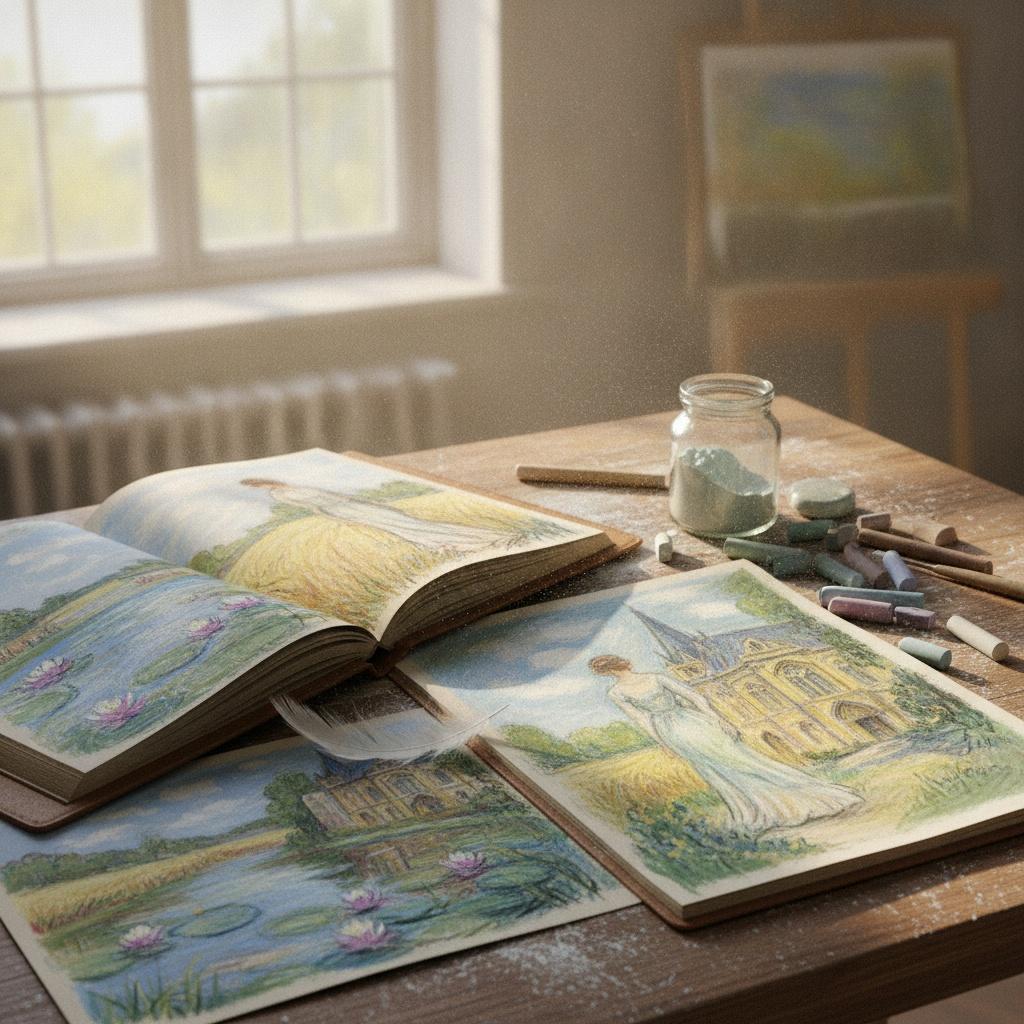
The Soft Magic of Chalk: Capturing Light, Texture, and the Ethereal Soul of Impressionist Masterpieces
Discover the ethereal beauty of pastel and chalk art. Explore how Impressionist masters like Van Gogh and Degas captured light and texture to create timeless, soulful masterpieces for the discerning collector.

Capturing the Soul: The Ethereal Magic and Timeless Technique of Impressionist Portraiture
Discover the ethereal beauty of Impressionist portraiture. Explore how masters like Monet and Renoir captured light and soul through brushwork, and learn how to bring this timeless magic into your home with exquisite, hand-painted oil reproductions from TopImpressionists.com.

Dining Room Elegance: Transforming Your Space with Impressionist Masterpieces
Elevate your dining room with the luminous beauty of Impressionist masterpieces. Discover how hand-painted Claude Monet and Renoir reproductions can transform your space into a sanctuary of light, color, and timeless elegance for your home.

Capturing the Light of Amsterdam: A Journey Through Impressionist Masterpieces of the Dutch Canals
Embark on a visual journey through the luminous Amsterdam canals. Discover how Impressionist masters captured the fleeting light of the Dutch landscape through evocative brushwork and color. Explore the timeless beauty of these masterpieces for your private art collection.
استكشف الأعمال الفنية المصنفة حسب الموضوعات والأنماط والخصائص.


