


 معاينة الحجم الواقعي
 إرسال
إرسال مشاركة
 عرض التفاصيل
 دليل الأعمال الفنية للطلاب

 تحميل
تحميل
 قطع مشابهة
 الأشعة السينية
 عرض شرائح متتابع
 الإحصائيات
The Dance Class
 Oil On Canvas
- WallArt
- Realist Impressionism
 1873
1873- 19th Century
 72.0 x 88.0 cm
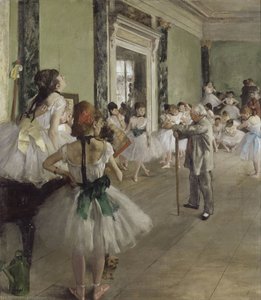
Captured in exquisite monochrome by Degas during the Impressionist era, ‘The Dance Class’ portrays a ballet studio brimming with youthful energy and focused movement—a testament to artistic observation and unwavering realism.
 اقرأ المزيد
إدغار ديغا: فنان فرنسي ثوري اشتهر بلوحاته الساحرة لراقصات الباليه ومشاهده الباريسية وتقنياته المبتكرة - سيد حقيقي للفن الحديث!
نسخة زيتية مصنوعة يدوياً
لوحة زيتية مرسومة يدوياً على الكانفاس بالمقاس والإطار الذي تفضله، تُنفذ حسب الطلب على أيدي فنانينا. ( التبديل إلى المطبوعات التحويل إلى الصورة الرقمية)




P118B $10

P118H $10

P118W $10

P438Z $10

P508JH $12

P508YH $12

P805H $10

P805Z $10

P919BZ $10

P919G $10

P919XJ $10

P959ZH $10

P968JZ $12

W106C $8

W218G $10

W218JH $8

W218Y $10

W307PJ $10

W316G $10

W316PJ $8

W316Y $10

W398PJ $8

W4111J $10

W500HY $15

W500JH $15

W692G $12

W849H $8

W940BG $15

W953PJ $8




مقاس قياسي
مخصص
CM
INCH
اختر من بين أحجامنا المُعدّة مسبقاً والتي تتوافق مع النسب الأصلية للعمل الفني.
Loading sizes...

العرض
الارتفاع
يمكنك إدخال أبعاد خاصة لتناسب إطاراً أو مساحة معينة. وفي حال عدم تطابق الحجم المختار مع نسب الصورة الأصلية، سنقوم إما بقص العمل الفني أو توسيع اللوحة عبر إضافة عناصر مرسومة يدوياً. وسيتم إرسال نموذج رقمي إليك للموافقة عليه قبل بدء عملية الإنتاج.
يرجى ملاحظة أن المعاينة على الشاشة لا تعكس عملية القص أو التوسيع الفعلية؛ إذ إن النموذج الرقمي هو الوحيد الذي يوضح التكوين النهائي بدقة.
وعلى الرغم من توفر أحجام مخصصة، إلا أننا نوصي باختيار أبعاد من القائمة المحددة مسبقاً للحفاظ على النسب الأصلية للعمل الفني.
أمثلة على التعديلات الممكنة: استبدال الوجه بصورة العميل؛ إضافة حيوان أليف (مثل استبدال قطة بكلب)؛ تضمين رسالة مخفية في الخلفية؛ تغيير المناظر الطبيعية أو العناصر في الخلفية.
بعد إتمام الطلب، سيرسل فريق TopImpressionists.com بريداً إلكترونياً للعميل لطلب التعليمات وتزويده بمعاينة تجريبية (mockup).
بعد إتمام الطلب، سيرسل فريق TopImpressionists.com بريداً إلكترونياً للعميل لطلب التعليمات وتزويده بمعاينة تجريبية (mockup).
توصيل عالمي إلى خلال 3 إلى 4 أسابيع بدلاً من المدة المعتادة البالغة 5 أسابيع. (27 سبتمبر). جودة لا تهاون فيها.

شحن سريع ومجاني لجميع أنحاء العالم

قماش كتان فاخر

تأمين شامل على الشحن

ضمان استرداد الرسوم الجمركية

ضمان دقة مطابقة الألوان

سياسة الإرجاع خلال 100 يوم (في حالات العيوب فقط)

ضمان استرداد نقدي بنسبة 100%

عرض خصم الكميات
 خيار الزجاج متاح فقط للمقاسات التي تقل عن 110 سم

The Dance Class
وسيط إعادة الإنتاج
مقاس النسخة المطبوعة
-


إجمالي السعر
$ 269
A Glimpse into the Soul of the Studio
In the quiet, focused atmosphere of a Parisian rehearsal hall, Edgar Degas captures something far more profound than a mere ballet lesson. The Dance Class is not just a depiction of movement; it is an intimate study of the discipline, exhaustion, and quiet anticipation that define the life of a dancer. As we gaze upon this masterpiece, we are transported to 1873, stepping into a world where the soft rustle of tulle and the rhythmic breathing of young women fill the air. Degas, a master of observing the unvarnished truth, avoids the grand, theatrical spectacle often associated with the opera, choosing instead to present a candid snapshot of preparation. The composition draws the eye through a labyrinth of bodies—some stretching limbs, others adjusting ribbons or resting momentarily—creating a sense of lived-in reality that feels as though we have just walked through the studio door.
The emotional resonance of the piece lies in its ability to balance the grace of the ballet with the grueling physical labor behind it. There is a palpable tension between the elegance of the tutus and the weary, slumped shoulders of dancers caught in moments of repose. For the collector or the lover of fine art, this painting offers a window into the Belle Époque, capturing a period of intense cultural transformation. Degas’s ability to find beauty in the mundane—in the tilt of a head or the way light catches a stray strand of hair—makes this work an enduring symbol of human aspiration and the relentless pursuit of perfection.
Mastery of Light and Realist Precision
While often whispered about in the same breath as the Impressionists, Degas’s technique in The Dance Class reveals a soul deeply rooted in Realism. He does not rely on the fleeting, broken light of Monet; rather, he employs a purposeful, structured brushstroke that lends weight and volume to the dancers' forms. The palette is a sophisticated arrangement of muted tones, punctuated by the delicate pinks and soft whites of the costumes, which allows the viewer to focus on the subtle interplay of shadow and depth within the studio space. This careful use of tonal variation creates an atmospheric dimension, making the confined room feel expansive yet intimate.
The composition itself is a marvel of classical arrangement disguised as spontaneity. By utilizing architectural elements—such as the staircase and the arched doorway—Degas directs our gaze in a sweeping motion across the canvas. This prevents the eye from resting too long on any single figure, instead encouraging a continuous journey through the scene. For interior designers seeking to anchor a room with a sense of movement and history, this painting provides a dynamic focal point. It possesses a unique ability to breathe life into a space, offering a sophisticated narrative that complements both classical and contemporary decor with its timeless elegance and profound psychological depth.
أعمال فنية مشابهة




نبذة عن الفنان
هilaire جيرمين إدغار دغا: رائد الفن الحديث
كان هilaire جيرمين إدغار دغا، الذي ولد في باريس عام 1834، فنانًا فرنسيًا يتميز بتناقضات جمة. على الرغم من تصنيفه غالبًا مع الإمبراطورية الفرنسية، إلا أنه رفض هذا التسمية، واعتبر نفسه واقعيًا بدلاً من ذلك، وهذا الالتزام ينبع من مراقبته الدقيقة للعالم المحيط به وتزوده بشغف غير متزعرف لتقديمه بصدق لاذع. كان طفوله ميسورًا بالمال، حيث كان والده بنكًا، وأمه من عائلة كريولية في نيو أويلانز، مما أكسبه الوصول إلى التعليم والتكوين الفني، على الرغم من أنه غالبًا ما كان يكره القيود الأكاديمية. بدأ مسيرته الأكاديمية في مدرسة ليسييه لو روي، لكن تعليمه الحقيقي بدأ عندما بدأ بنسخ الأعمال في اللوفر، مما عزز مهاراته وأشعل شغفه بالرسم الكلاسيكي على الدوام. ومع ذلك، لم تكن مساره حافلة بالتزام صارم بالتقاليد؛ بل كانت محطمة باستمرار للتساؤل وإعادة تقييم المعايير الفنية، وكان يتمتع بروح استقلالية ستحدد مسيرته بأكملها.النشأة والتعليم المبكرة
وُلد هilaire جيرمين إدغار دغا في باريس جنوبًا عن منطقة مونمارتر، وتوفي عام 1917، تاركًا وراءه مجموعة من الأعمال الفنية تستمر في جذب الجمهور وإلهامهم حتى يومنا هذا. كان أسلوبه الفني ثوريًا ومتميزًا، حيث تحدى التقاليد الأكاديمية وأسس الأساس لمجموعة من الفنانين لاحقين سعوا إلى التحرر من المعايير التقليدية واستكشاف طرق جديدة لتمثيل العالم المحيط بهم. لقد كان دغا رائدًا في مجال الرسم الكلاسيكي، حيث أظهر براعة استثنائية في الخط والتشكيل، وتجاوز حدود الأساليب الفنية السائدة في عصره. لم يكن يهدف إلى تحقيق الجمال السطحي؛ بل سعى إلى الكشف عن الحقيقة تحت السطح، وهو ما يميز فنه ويساهم في تحديد مكانته التاريخية كواحد من أهم الفنانين الذين أثروا في مسار الفن لعدة قرون قادمة. كان دغا قد بدأ تعليمه الأكاديمي في مدرسة ليسييه لو روي، لكن شغفه بالرسم الكلاسيكي بدأ يتجسد عندما بدأ بنسخ الأعمال الكلاسيكية في اللوفر، مما عزز مهاراته وأشعل شغفه بالرسم الكلاسيكي على الدوام. كان يرى أن الفن يجب أن يكون أكثر من مجرد تجميل للعين؛ بل يجب أن يعكس حقيقة العالم ويقدم رؤية جديدة للعالم المحيط به، وهو ما أثبت أنه قادر على تحقيقه ببراعة وتفوق فني لا مثيل لهما.الرسم الكلاسيكي والواقعية
على الرغم من أن العديد من الفنانين الإمبراطورية الفرنسية كانوا يركزون على تأثير الضوء الخارجي، إلا أن دغا كان يعمل بشكل أساسي في استوديوه، ويقوم بتكوين المشاهد من الملاحظة والذاكرة بدقة وعناية فائقة، وكان يهدف إلى تقديم صورة حقيقية للعالم المحيط به دون تجميل أو إضفاء طابع زائف عليه. لم يكن دغا مهتمًا بالبحث عن الجمال السطحي؛ بل كان يسعى إلى الكشف عن الحقيقة تحت السطح، وهو ما أثبت أنه قادر على تحقيقه ببراعة وتفوق فني لا مثيل لهما، ويتميز هذا الأسلوب بتجاوز الحدود التقليدية للرسم في عصره، حيث استلهم الإلهام من التقاليد الفنية الكلاسيكية والواقعية، و كان يرى أن الفن يجب أن يكون أكثر من مجرد تجميل للعين؛ بل يجب أن يعكس حقيقة العالم ويقدم رؤية جديدة للعالم المحيط به، وهو ما أثبت أنه قادر على تحقيقه ببراعة وتفوق فني لا مثيل لهما. كان دغا قد بدأ تعليمه الأكاديمي في مدرسة ليسييه لو روي، لكن شغفه بالرسم الكلاسيكي بدأ يتجسد عندما بدأ بنسخ الأعمال الكلاسيكية في اللوفر، مما عزز مهاراته وأشعل شغفه بالرسم الكلاسيكي على الدوام. كان يرى أن الفن يجب أن يكون أكثر من مجرد تجميل للعين؛ بل يجب أن يعكس حقيقة العالم ويقدم رؤية جديدة للعالم المحيط به، وهو ما أثبت أنه قادر على تحقيقه ببراعة وتفوق فني لا مثيل لهما. كان دغا قد بدأ تعليمه الأكاديمي في مدرسة ليسييه لو روي، لكن شغفه بالرسم الكلاسيكي بدأ يتجسد عندما بدأ بنسخ الأعمال الكلاسيكية في اللوفر، مما عزز مهاراته وأشعل شغفه بالرسم الكلاسيكي على الدوام. كان يرى أن الفن يجب أن يكون أكثر من مجرد تجميل للعين؛ بل يجب أن يعكس حقيقة العالم ويقدم رؤية جديدة للعالم المحيط به، وهو ما أثبت أنه قادر على تحقيقه ببراعة وتفوق فني لا مثيل لهما. كان دغا قد بدأ تعليمه الأكاديمي في مدرسة ليسييه لو روي، لكن شغفه بالرسم الكلاسيكي بدأ يتجسد عندما بدأ بنسخ الأعمال الكلاسيكية في اللوفر، مما عزز مهاراته وأشعل شغفه بالرسم الكلاسيكي على الدوام. كان يرى أن الفن يجب أن يكون أكثر من مجرد تجميل للعين؛ بل يجب أن يعكس حقيقة العالم ويقدم رؤية جديدة للعالم المحيط به، وهو ما أثبت أنه قادر على تحقيقه ببراعة وتفوق فني لا مثيل لهما. كان دغا قد بدأ تعليمه الأكاديمي في مدرسة ليسييه لو روي، لكن شغفه بالرسم الكلاسيكي بدأ يتجسد عندما بدأ بنسخ الأعمال الكلاسيكية في اللوفر، مما عزز مهاراته وأشعل شغفه بالرسم الكلاسيكي على الدوام. كان يرى أن الفن يجب أن يكون أكثر من مجرد تجميل للعين؛ بل يجب أن يعكس حقيقة العالم ويقدم رؤية جديدة للعالم المحيط به، وهو ما أثبت أنه قادر على تحقيقه ببراعة وتفوق فني لا مثيل لهما. كان دغا قد بدأ تعليمه الأكاديمي في مدرسة ليسييه لو روي، لكن شغفه بالرسم الكلاسيكي بدأ يتجسد عندما بدأ بنسخ الأعمال الكلاسيكية في اللوفر، مما عزز مهاراته وأشعل شغفه بالرسم الكلاسيكي على الدوام. كان يرى أن الفن يجب أن يكون أكثر من مجرد تجميل للعين؛ بل يجب أن يعكس حقيقة العالم ويقدم رؤية جديدة للعالم المحيط به، وهو ما أثبت أنه قادر على تحقيقه ببراعة وتفوق فني لا مثيل لهما. كان دغا قد بدأ تعليمه الأكاديمي في مدرسة ليسييه لو روي، لكن شغفه بالرسم الكلاسيكي بدأ يتجسد عندما بدأ بنسخ الأعمال الكلاسيكية في اللوفر، مما عزز مهاراته وأشعل شغفه بالرسم الكلاسيكي على الدوام. كان يرى أن الفن يجب أن يكون أكثر من مجرد تجميل للعين؛ بل يجب أن يعكس حقيقة العالم ويقدم رؤية جديدة للعالم المحيط به، وهو ما أثبت أنه قادر على تحقيقه ببراعة وتفوق فني لا مثيل لهما. كان دغا قد بدأ تعليمه الأكاديمي في مدرسة ليسييه لو روي، لكن شغفه بالرسم الكلاسيكي بدأ يتجسد عندما بدأ بنسخ الأعمال الكلاسيكية في اللوفر، مما عزز مهاراته وأشعل شغفه بالرسم الكلاسيكي على الدوام. كان يرى أن الفن يجب أن يكون أكثر من مجرد تجميل للعين؛ بل يجب أن يعكس حقيقة العالم ويقدم رؤية جديدة للعالم المحيط به، وهو ما أثبت أنه قادر على تحقيقه ببراعة وتفوق فني لا مثيل لهما. كان دغا قد بدأ تعليمه الأكاديمي في مدرسة ليسييه لو روي، لكن شغفه بالرسم الكلاسيكي بدأ يتجسد عندما بدأ بنسخ الأعمال الكلاسيكية في اللوفر، مما عزز مهاراته وأشعل شغفه بالرسم الكلاسيكي على الدوام. كان يرى أن الفن يجب أن يكون أكثر من مجرد تجميل للعين؛ بل يجب أن يعكس حقيقة العالم ويقدم رؤية جديدة للعالم المحيط به، وهو ما أثبت أنه قادر على تحقيقه ببراعة وتفوق فني لا
هيليار جيرمين إدغار ديفا
1834 - 1917 , فرنسا
لمحة سريعة
- Artistic Movement Or Style: إمبراسنيون، رياليون
- Artists Or Movements Influenced By This Artist:
- بيكاثو
- ماتيس
- Artists Who Influenced This Artist:
- جان أغسطس دومينيق إنجرس
- غوستاف كوربيه
- كاميل بيسارو
- Date Of Birth: 1834
- Date Of Death: 1917
- Full Name: Hilaire Germain Edgar De Gas
- Nationality: فرنسي
- Notable Artworks:
- الراقصة والتنبورين
- صف الدancers
- دوجاس في سترة خضراء
- المجمع
- نساء تلوين شعرهن
- Place Of Birth: باريس، فرنسا
مقالات ذات صلة

Edgar Degas: Capturing Modern Life – A Study of Movement, Observation, and the Parisian Belle Époque
Explore the captivating world of Edgar Degas! Discover his innovative techniques, iconic ballet paintings, and unique portrayal of Parisian life in this insightful art history study.

Monochrome Visions: Exploring the Aesthetic & Historical Significance of Black & White Photography
Explore the rich history & artistic power of black and white photography. From early techniques to iconic masters like Ansel Adams, discover why monochrome continues to captivate art lovers today. Expert insights for collectors.

Mars Black Masterpieces: 10 Iconic Paintings & Timeless Art Decor Ideas
Delve into the power of 'Mars Black' with 10 iconic paintings by masters like Rembrandt & Caravaggio. Explore dramatic chiaroscuro, gothic art, and timeless beauty. Find museum-quality reproductions & elevate your home decor on .

White on Canvas: 10 Masterpieces & Timeless Elegance for Your Home Decor
Explore 10 iconic white paintings by Monet, Whistler & Rothko! Discover the stories behind these serene masterpieces and their impact on art history. Find museum-quality reproductions for your home decor at .

Dark Masterpieces: 10 Iconic Paintings Dominated by Black Tones |
Explore 10 iconic paintings dominated by black tones, from Rembrandt’s chiaroscuro to Goya's dark expressions. Discover the stories behind these masterpieces & find museum-quality art reproductions for your home at .
استكشف الأعمال الفنية المصنفة حسب الموضوعات والأنماط والخصائص.


