

 معاينة الحجم الواقعي
 إرسال
إرسال مشاركة
 عرض التفاصيل
 دليل الأعمال الفنية للطلاب

 تحميل
تحميل
 قطع مشابهة
 الأشعة السينية
 عرض شرائح متتابع
 الإحصائيات
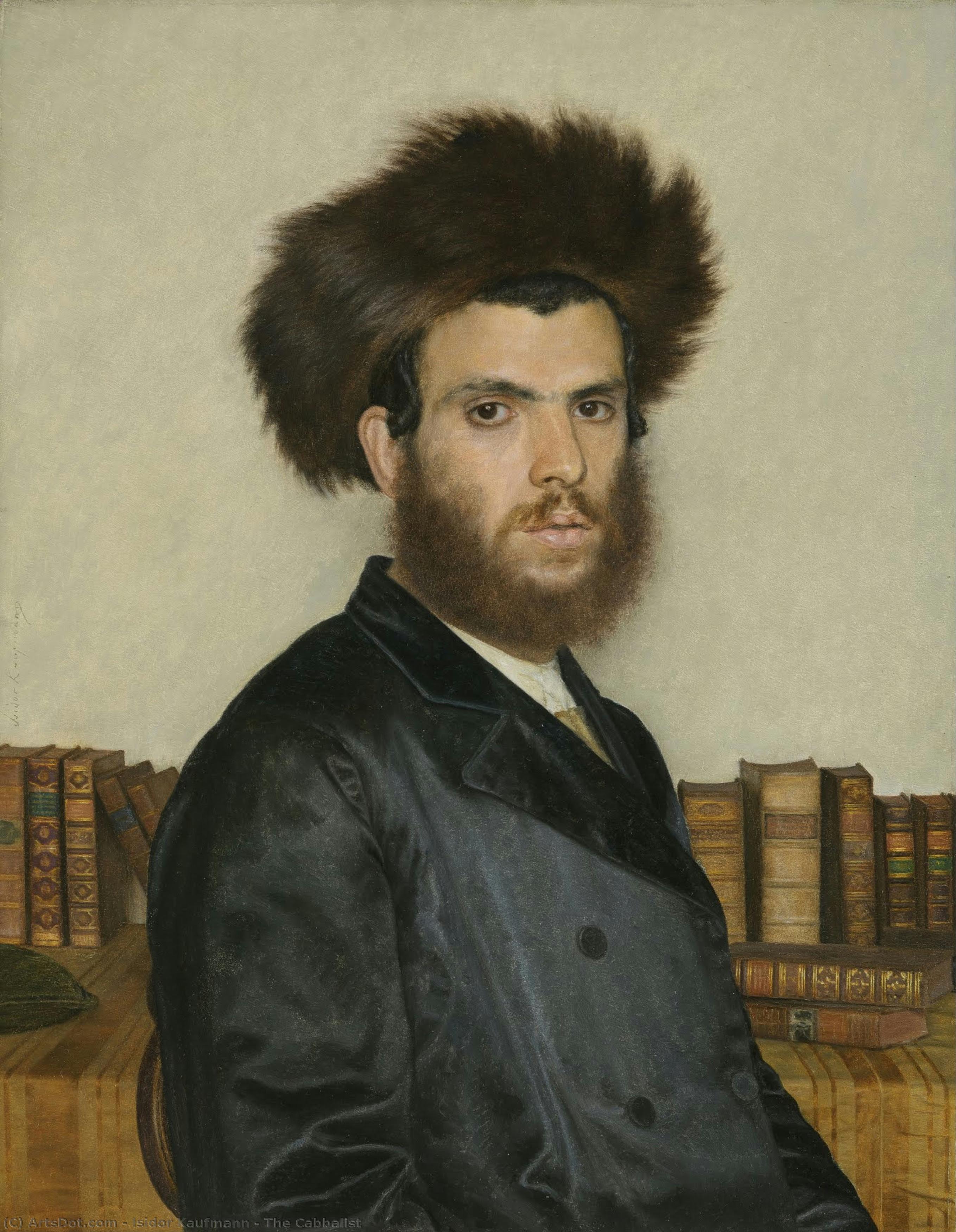
The Cabbalist
 Acrylic On Canvas
- WallArt
- Realism
 1910
1910- 19th Century
 44.0 x 35.0 cm
 The Jewish Museum
A poignant 1910 portrait by Isidor Kaufmann captures a Jewish scholar immersed in Cabbalistic studies, showcasing the artist’s masterful depiction of Hasidic life in Eastern Europe. Discover this evocative artwork and bring its rich history into your space.
 اقرأ المزيد
اكتشف لوحات إيسيدور كوفمان المؤثرة عن الحياة اليهودية في أوروبا الشرقية. استكشف أعماله الموحية التي تصور المجتمعات الحسيدية ولحظات تاريخية خالدة.
نسخة زيتية مصنوعة يدوياً
لوحة زيتية مرسومة يدوياً على الكانفاس بالمقاس والإطار الذي تفضله، تُنفذ حسب الطلب على أيدي فنانينا. ( التبديل إلى المطبوعات التحويل إلى الصورة الرقمية)




P118B $10

P118H $10

P118W $10

P438Z $10

P508JH $12

P508YH $12

P805H $10

P805Z $10

P919BZ $10

P919G $10

P919XJ $10

P959ZH $10

P968JZ $12

W106C $8

W218G $10

W218JH $8

W218Y $10

W307PJ $10

W316G $10

W316PJ $8

W316Y $10

W398PJ $8

W4111J $10

W500HY $15

W500JH $15

W692G $12

W849H $8

W940BG $15

W953PJ $8




مقاس قياسي
مخصص
CM
INCH
اختر من بين أحجامنا المُعدّة مسبقاً والتي تتوافق مع النسب الأصلية للعمل الفني.
Loading sizes...

العرض
الارتفاع
يمكنك إدخال أبعاد خاصة لتناسب إطاراً أو مساحة معينة. وفي حال عدم تطابق الحجم المختار مع نسب الصورة الأصلية، سنقوم إما بقص العمل الفني أو توسيع اللوحة عبر إضافة عناصر مرسومة يدوياً. وسيتم إرسال نموذج رقمي إليك للموافقة عليه قبل بدء عملية الإنتاج.
يرجى ملاحظة أن المعاينة على الشاشة لا تعكس عملية القص أو التوسيع الفعلية؛ إذ إن النموذج الرقمي هو الوحيد الذي يوضح التكوين النهائي بدقة.
وعلى الرغم من توفر أحجام مخصصة، إلا أننا نوصي باختيار أبعاد من القائمة المحددة مسبقاً للحفاظ على النسب الأصلية للعمل الفني.
أمثلة على التعديلات الممكنة: استبدال الوجه بصورة العميل؛ إضافة حيوان أليف (مثل استبدال قطة بكلب)؛ تضمين رسالة مخفية في الخلفية؛ تغيير المناظر الطبيعية أو العناصر في الخلفية.
بعد إتمام الطلب، سيرسل فريق TopImpressionists.com بريداً إلكترونياً للعميل لطلب التعليمات وتزويده بمعاينة تجريبية (mockup).
بعد إتمام الطلب، سيرسل فريق TopImpressionists.com بريداً إلكترونياً للعميل لطلب التعليمات وتزويده بمعاينة تجريبية (mockup).
توصيل عالمي إلى خلال 3 إلى 4 أسابيع بدلاً من المدة المعتادة البالغة 5 أسابيع. (26 سبتمبر). جودة لا تهاون فيها.

شحن سريع ومجاني لجميع أنحاء العالم

قماش كتان فاخر

تأمين شامل على الشحن

ضمان استرداد الرسوم الجمركية

ضمان دقة مطابقة الألوان

سياسة الإرجاع خلال 100 يوم (في حالات العيوب فقط)

ضمان استرداد نقدي بنسبة 100%

عرض خصم الكميات
 خيار الزجاج متاح فقط للمقاسات التي تقل عن 110 سم

The Cabbalist
وسيط إعادة الإنتاج
مقاس النسخة المطبوعة
-


إجمالي السعر
$ 269
Isidor Kaufmann’s ‘The Cabbalist’: A Window into Eastern European Jewish Life
TopImpressionists presents a meticulously crafted hand-painted reproduction of Isidor Kaufmann's “The Cabbalist,” an arresting portrait painted in 1910 that offers a rare and intimate glimpse into the world of Hasidic scholarship. Measuring 44 x 35 cm, this work transcends a simple likeness; it’s a carefully constructed tableau brimming with symbolic weight and reflecting the profound spiritual life of a community largely untouched by the sweeping changes of the early 20th century.
- Subject & Composition: The painting centers on a man – presumably a ‘Cabbalist,’ as the title suggests – seated in what appears to be a study. His weathered face, framed by a neatly trimmed beard and a worn hat, speaks of years spent immersed in contemplation and learning. The arrangement of books surrounding him isn’t merely decorative; it's a deliberate composition that underscores his intellectual pursuits and connection to ancient wisdom.
- Artistic Style & Technique: Kaufmann’s style is firmly rooted in the traditions of Austro-Hungarian genre painting, characterized by its realism and attention to detail. The brushwork is precise yet imbued with a subtle warmth, suggesting a deep understanding of his subject's character and environment. He employs a muted color palette – predominantly browns, grays, and ochres – which contributes to the painting’s solemn and contemplative mood.
A Portrait of Faith: Historical Context & Kaufmann’s Vision
Painted in 1910, “The Cabbalist” captures a pivotal moment in the history of Hasidic Judaism. Isidor Kaufmann (1853-1921), born in Arad, Romania, dedicated his artistic career to documenting the lives and traditions of these communities, primarily in Poland and Romania. His work emerged during a period of significant social and religious change, as traditional Jewish life faced increasing pressure from modernity. Kaufmann’s portraits weren't simply representations; they were acts of preservation, meticulously recording a way of life on the verge of disappearing.
Born to Hungarian Jewish parents, Kaufmann initially pursued commerce before discovering his true calling in painting. His training at the Landes-Zeichenschule in Budapest and subsequent studies at the Vienna Academy of Fine Arts – though initially met with rejection – ultimately shaped his distinctive artistic voice. He was profoundly influenced by Professor Trenkwald, who guided him toward a more focused approach to depicting Jewish life.
Symbolism & Interpretation
The inclusion of numerous books is laden with symbolic meaning within the context of Kabbalah, the mystical branch of Judaism. These volumes represent not just knowledge but also a connection to generations of scholarship and spiritual tradition. The man’s posture – seated, absorbed in his studies – embodies the contemplative nature of this pursuit. The hat, a traditional Jewish head covering, further reinforces his identity and religious devotion. Kaufmann's ability to capture such nuanced details speaks volumes about his deep respect for his subject and his commitment to portraying authentic Jewish life.
Emotional Impact & Collecting
"The Cabbalist" is more than just a beautiful painting; it’s a poignant reminder of a vanishing world. This hand-painted reproduction offers collectors and interior designers alike the opportunity to own a piece of art history, imbued with spiritual significance and artistic merit. Its evocative depiction of scholarly devotion will undoubtedly add depth and character to any space, serving as a constant source of contemplation and appreciation for the rich tapestry of human culture.
نبذة عن الفنان
مؤرخ عالمٍ غاب عن الوجود
يبرز إيزيدور كوفمان كشخصية فريدة في تاريخ الفن النمساوي المجري، حيث ذاع صيته بلوحاته النوعية المؤثرة التي تجسد تفاصيل الحياة اليومية والتقاليد الروحية للمجتمعات الحسيدية في أنحاء بولندا ورومانيا. وُلد كوفمان في مدينة أراد بالمجر — التي تعد الآن جزءاً من رومانيا — لأبوين يهوديين مجريين في عام 1853، وقد اتسمت رحلته الفنية بظروف قدرية دفعت به في نهاية المطacak ليصبح أحد أبرز مؤرخي الثقافة اليهودية في أواخر القرن التاسع عشر. ورغم أنه سعى في البداية نحو مسيرة مهنية تجارية، إلا أن شغفه الحقيقي تجلى من خلال فترة دراسة قصيرة في مدرسة "لانديس-تسايشنشوله" في بودابست؛ تلك الشرارة الأولى التي أشعلت حماساً استمر مدى الحياة، وقادته إلى أكاديمية فيينا العريقة للفنون الجميلة، حيث صقل مهاراته تحت الإشراف الصارم للبروفيسور ترينكوالد رغم العقبات الأولية.
ومع ترسيخ مكانته كرسام بورتريه بارع في أجواء فيينا النابضة بالحياة، استوعب كوفمان التأثيرات الأسلوبية لكبار الفنانين مثل جوزيف ماتيوس آينر. وبدأت أعماله تعكس مزيجاً متطوراً بين التقاليد الأكاديمية والواقعية الصاعدة التي تبنتها المدرسة الانطباعية. هذا الأساس التقني الفريد سمح له بتجاوز مجرد التمثيل البصري، مما مكنه من التقاط العمق النفسي الرهيب والثقل الروحي لموضوعاته. كما أصبح إتقانه لأسلوب الكياروسكورو (التضاد بين الضوء والظلال) — ذلك التفاعل الدرامي بين النور والعتمة — علامة فارقة في أسلوبه، مما أضفى أجواءً مقدسة تقريباً على تصويره للدراسات الدينية والطقوس الجماعية.
تحفة فنية نالت اعترافاً إمبراطورياً
جاءت نقطة التحول في مسيرة كوفمان المهنية مع التكليف التاريخي بلوحة “Der Besuch des Rabbi” (زيارة الحاخام)، وهي عمل بالغ الأهمية لدرجة أن الإمبراطور فرانس جوزيف الأول هو من أمر بتنفيذه لصالح متحف تاريخ الفنون في فيينا. وتعد هذه اللوحة شهادة قاطعة على قدرته على نسج التفاصيل الدقيقة مع الرنين العاطفي العميق؛ فمن خلال هذه اللوحة، أثبت كوفمان أنه لم يكن مجرد مراقب للتقاليد، بل كان سيداً قادراً على التقاط جوهر التجربة الإنسانية ضمن سياقات ثقافية محددة. وقد عزز نجاح هذا العمل سمعته في جميع أنحاء أوروبا، واضعاً إياه في مصاف الفنانين الذين استطاعوا الارتقاء بالموضوعات الإثنوغرافية إلى قمم الفن الرفيع.
تتميز مجموعة أعماله بنظرة حميمية في قلب الحياة اليهودية في أوروبا الشرقية. وسواء كان يصور السكون التأملي لعالم أو الحدة الهادئة للشباب، فإن لوحات كوفمان تعمل كنوافذ تطل على عالم كان يمر بتحولات تاريخية عميقة. وتتضمن أعماله البارزة ما يلي:
- لاعبو الشطرنج (Schachspieler): تصوير آسر للحظة تأمل في لعبة طقسية، مما يظهر قدرته على إيجاد الجمال في التفاعلات المجتمعية اليومية.
- الكباليست (The Cabbalist): بورتريه من عام 1910 يجسد عالماً يهودياً غارقاً في الدراسات الصوفية، مما يبرز مهارة الفنان في تصوير التفاني الروحي.
- بورتريه شاب (Portrait of a Young Man): لوحة نوعية حميمية من عام 1901 تستخدم نظرة حادة لتقديم لمحة عن الهوية الثقافية لتلك الحقبة.
- بورتريه إيزيدور غيفيتش (Portrait of Isidor Gewitsch): نموذج بارع للواقعية الأكاديمية، يجسد وقار وتأمل رجل مسن بأناقة خالدة.
الإرث والأهمية التاريخية
تكمن الأهمية التاريخية لإيزيدور كوفمان في دوره كمؤرخ بصري؛ إذ تعمل لوحاته كسجل حي ومثير للحياة الحسيدية والتقاليد اليهودية خلال سنواتها الأخيرة النابضة بالحياة في أوروبا الشرقية، قبل الاضطرابات التي شهدها القرن العشرين. فمن خلال ريشته، يتم الحفاظ على ملامس المعاطف السوداء الثقيلة، وتوهج ضوء الشموع على النصوص القديمة، ومهابة الطقوس الدينية بوضوح يكاد يكون ملموساً. لم يكتفِ كوفمان برسم المشاهد فحسب، بل استطاع التقاط روح ثقافة بأكملها، لضمان بقاء وقار هذه المجتمعات وفكرها وثرائها الروحي محفوراً في سجلات تاريخ الفن إلى الأبد.

إيسيدور كوفمان
1853 - 1921 , رومانيا
لمحة سريعة
- Artistic Movement Or Style: الرسم النوعي
- Artists Or Movements Influenced By This Artist: ['جائزة بارون كونيغسوارتر للفنانين']
- Artists Who Influenced This Artist: ['جوزيف ماتيوس آينر']
- Date Of Birth: 1853
- Full Name: إيزيدور كوفمان
- Nationality: النمسا-المجر
- Notable Artworks:
- بورتريه إيزيدور غيفيتش
- بورتريه شاب يهودي
- Place Of Birth: أراد، رومانيا
مقالات ذات صلة

TopImpressionists.com F.A.Q.: Discover the Vibrant Beauty of Our Premium Art Poster Prints
Explore the technical excellence of TopImpressionists.com's premium art poster prints. Discover how our 12-color pigment system and archival inks capture the luminous beauty of Impressionist masterpieces with unmatched color fidelity and museum-grade durability for the discerning collector.