

 معاينة الحجم الواقعي
 إرسال
إرسال مشاركة
 عرض التفاصيل
 دليل الأعمال الفنية للطلاب

 تحميل
تحميل
 قطع مشابهة
 الأشعة السينية
 عرض شرائح متتابع
 الإحصائيات
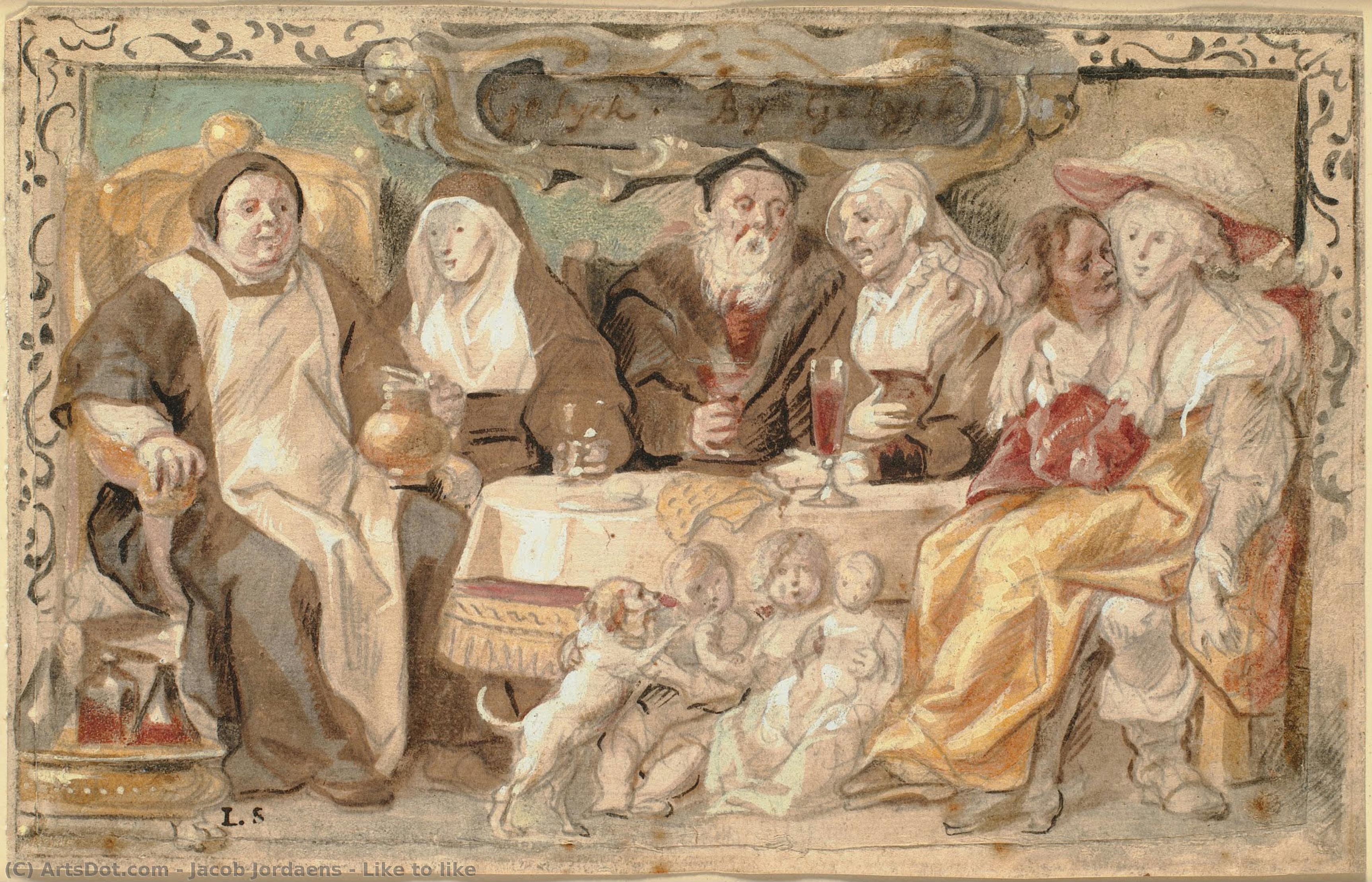
Like to like
 Oil On Canvas
- WallArt
- Baroque
 1645
1645- Renaissance
 21.0 x 13.0 cm
 National Gallery of Denmark
Jacob Jordaens’ ‘Like to Like’ captures a vibrant 17th-century Dutch proverb scene with richly detailed figures and a bustling dining table. This Baroque masterpiece celebrates everyday life, offering a timeless depiction of human connection and social order.
 اقرأ المزيد
جاكوب جوردانز (1593-1678)، رسام باروكي فلامنكي شهير بلوحاته الديناميكية والحياة اليومية النابضة بالحياة. اشتهر بمشاهد المهرجانات الفلاحية وأعماله الأسطورية الرائعة، وأثر في فنانين مثل يان ستين.
طباعة جيلي / مطبوعات فنية
طباعة جيكلي أو كانفاس بجودة المتاحف، مع سرعة في التنفيذ وخيارات متنوعة للتشطيب. ( اطلب نسخة مرسومة يدويًا التحويل إلى الصورة الرقمية)




P118B $10

P118H $10

P118W $10

P438Z $10

P508JH $12

P508YH $12

P805H $10

P805Z $10

P919BZ $10

P919G $10

P919XJ $10

P959ZH $10

P968JZ $12

W106C $8

W218G $10

W218JH $8

W218Y $10

W307PJ $10

W316G $10

W316PJ $8

W316Y $10

W398PJ $8

W4111J $10

W500HY $15

W500JH $15

W692G $12

W849H $8

W940BG $15

W953PJ $8




مقاس قياسي
مخصص
CM
INCH
اختر من بين أحجامنا المُعدّة مسبقاً والتي تتوافق مع النسب الأصلية للعمل الفني.
Loading sizes...

العرض
الارتفاع
يمكنك إدخال أبعاد خاصة لتناسب إطاراً أو مساحة معينة. وفي حال عدم تطابق الحجم المختار مع نسب الصورة الأصلية، سنقوم إما بقص العمل الفني أو تمديد الصورة باستخدام حافة معكوسة أو لون مصمت. وسيتم إرسال نموذج تجريبي رقمي لاعتمادك قبل بدء عملية الإنتاج.
يرجى ملاحظة أن المعاينة على الشاشة لا تعكس عملية القص أو التمديد الفعلية؛ حيث سيوضح النموذج التجريبي فقط التكوين النهائي بدقة.
وعلى الرغم من توفر أحجام مخصصة، إلا أننا نوصي باختيار أبعاد من القائمة المحددة مسبقاً للحفاظ على النسب الأصلية.
توصيل عالمي إلى خلال أسبوعين بدلاً من المدة القياسية البالغة 4/5 أسابيع. (26 سبتمبر)

شحن سريع ومجاني لجميع أنحاء العالم

قماش كتان فاخر

تأمين شامل على الشحن

ضمان استرداد الرسوم الجمركية

ضمان دقة مطابقة الألوان

سياسة الإرجاع خلال 100 يوم (في حالات العيوب فقط)

ضمان استرداد نقدي بنسبة 100%

عرض خصم الكميات
 خيار الزجاج متاح فقط للمقاسات التي تقل عن 110 سم

Like to like
طباعة جيلي / مطبوعات فنية
مقاس النسخة المطبوعة
-


إجمالي السعر
$ 69
A Window into Flemish Wisdom: Jordaens’ “Like to Like”
Jacob Jordaens' "Like to Like," painted in 1645, is more than just a group portrait; it’s a meticulously crafted visual sermon, a testament to the enduring power of proverb and social commentary within the vibrant world of Flemish Baroque art. Executed during a period when artists like Bosch and Bruegel had established the tradition of illustrating moral lessons through captivating scenes, Jordaens continues this legacy with remarkable clarity and detail. This particular work, measuring 21 x 13 cm, offers a poignant glimpse into the lives and values of a prosperous Antwerp family, inviting viewers to contemplate their own place within the social order.
- Subject Matter: The painting depicts a gathering around a richly appointed dining table, populated by a diverse cast of characters – men, women, and children – each embodying a specific facet of societal expectation.
- Composition: Jordaens’ masterful composition utilizes theatrical staging, with the figures arranged as if on a stage, their faces turned towards the viewer, drawing us directly into the scene.
- Details: The inclusion of wine glasses, cups, and bowls adds to the sense of conviviality and abundance, while the presence of a boy and girl further emphasizes the theme of familial bonds and generational continuity.
The Language of Proverbs and Symbolism
At its core, “Like to Like” is an illustration of a fundamental proverb: "Stick with one’s own class." This message is powerfully conveyed through the carefully constructed groupings within the painting. Four distinct couples represent this principle – a friar and nun, an elderly married couple, young lovers, and a simple family – each pair visually reinforcing the idea of maintaining social standing and adhering to established norms. The artist's didacticism isn’t heavy-handed; rather, it’s subtly woven into the fabric of the scene, inviting contemplation rather than demanding obedience.
Beyond this central theme, the painting is rich in symbolic detail. The vase positioned near the center adds an element of decorative elegance, while the presence of a boy and dog – or girl and doll – speaks to childhood innocence and the importance of nurturing young generations. Even the clothing worn by each figure contributes to the overall narrative, reflecting their respective social roles and status.
A Masterful Exercise in Technique
Jordaens’ skill as a painter is immediately apparent in the meticulous rendering of textures – from the velvet upholstery of the chairs to the folds of the fabrics worn by the figures. His use of light and shadow creates a sense of depth and realism, while his brushwork is both precise and expressive. The painting demonstrates a mastery of *alla prima* technique, applying paint directly to the canvas in broad strokes, creating a vibrant and dynamic effect. This approach, favored by Rubens himself, contributes significantly to the work’s energetic feel.
Emotional Resonance and Lasting Appeal
"Like to Like" transcends its historical context to offer a timeless meditation on social order, family values, and the enduring wisdom of proverbs. Jordaens' ability to capture human emotion – tenderness, affection, contemplation – ensures that this painting continues to resonate with viewers centuries later. This hand-painted reproduction offers an exceptional opportunity to own a piece of art history, bringing the richness and complexity of Flemish Baroque into your home or office.
نبذة عن الفنان
نشأة ياكوب يوردانز وحياته المبكرة
ولد ياكوب يوردانز في مدينة أنتويرب البلجيكية عام 1593، في عائلة ثرية وميسورة الحال. سرعان ما برز كأحد الأصوات الأكثر أهمية وتألقًا في فن الباروك الفلمنكي. على عكس العديد من معاصريه الذين سعوا إلى التدريب في إيطاليا، ظل يوردانز متجذرًا في وطنه، فطور أسلوبًا فريدًا وقويًا يعكس بهجة وحقائق الحياة اليومية. لقد وفر والده، وهو تاجر كتان ناجح، له تربية مريحة، مما سمح له بتلقي تعليم يليق بمكانته الاجتماعية قبل أن يبدأ رحلته الفنية تحت إشراف آدم فان نورت – الذي كان أيضًا معلمًا لبيتر بول روبنز. وقد غرس هذا التدريب التكويني في يوردانز أساسًا متينًا من التقنيات الدقيقة وفهم عميق للتكوين، لكنه سرعان ما انحرف ليشكل مساره الخاص المتميز. في عام 1616، ترسخ ارتباطه بالعالم الفني الراسخ في أنتويرب بزواجه من ابنة فان نورت، كاترين.رسام الاحتفالات الشعبية وعظمة الباروك
كان إنتاج يوردانز الفني متنوعًا بشكل ملحوظ، حيث شمل الروايات الدينية والمشاهد الأسطورية والتكوينات الرمزية واللوحات التصويرية المليئة بالحياة وحتى الصور الشخصية. ومع ذلك، ربما يُذكر على نطاق واسع بتصويره الصاخب لمهرجانات الفلاحين ومشاهد الحانة – أعمال تنضح بطاقة ملموسة وفرح غير مقيد بالملذات الأرضية. تجسد لوحات مثل *الملك يشرب* (المعروفة أيضًا بعيد عيد الملك) هذا الأسلوب المميز: تكوينات مزدحمة مليئة بالشخصيات القوية المنخرطة في احتفالات حيوية، والتي تم تقديمها بألوان دافئة ومتوهجة وظلال درامية. لم تكن هذه المشاهد مجرد احتفالات بالبهجة؛ غالبًا ما كانت مشبعة بدلالات أخلاقية خفية، مما يعكس العلاقة المعقدة بين الإفراط والاعتدال السائدة في المجتمع في القرن السابع عشر. ومع ذلك، كان يوردانز قادرًا أيضًا على التعامل مع التكليفات الأكثر رسمية واتساعًا. وقد أظهرت مشاركته في تزيين قصر هويس تن بوش بالقرب من لاهاي – جنبًا إلى جنب مع روبنز – قدرته على إنشاء أعمال رمزية ضخمة تدمج بسلاسة الرسم والهندسة المعمارية.التأثيرات وصوت فني متميز
على الرغم من أن يوردانز لم يسافر أبدًا إلى إيطاليا، إلا أنه تأثر بعمق بالأساتذة الإيطاليين مثل جاكوبو باسانو وباولو فيرونيزي وكارافاجيو – فنانين وصلت أعمالهم إلى فلاندرز من خلال النقوش واللوحات التي أحضرها فنانون آخرون. يظهر تأثير كارافاجيو بشكل خاص في استخدامه الدرامي للضوء والظل، وهي تقنية تُعرف باسم التينبريسم، والتي تزيد من كثافة المشهد العاطفية. ومع ذلك، لم يقتصر يوردانز على تقليد هذه التأثيرات؛ فقد قام بتجميعها مع حساسياته الفلمنكية الخاصة، مما أدى إلى إنشاء أسلوب كان فريدًا من نوعه. اختلف عن روبنز وفان ديك في تفضيله الواقعية على المثالية، وتبنى نهجًا أكثر مباشرة وغير مصقول لتصوير الشكل البشري. غالبًا ما تكون شخصياته كبيرة الحجم، وحتى الممتلئة، ووجوههم متوردة بالصحة والحيوية. هذا الالتزام بالطبيعية، جنبًا إلى جنب مع إتقانه للون والتكوين، ميزه عن معاصريه وأرسى مكانته كشخصية رائدة في الرسم الباروكي الفلمنكي.الإرث والتأثير الدائم
خلال حياته المهنية الطويلة والمنتجة، درّب يوردانز العديد من التلاميذ – تم تسجيل خمسة عشر رسميًا من قبل نقابة القديس لوقا بين عامي 1621 و 1667 – مما يضمن استمرار إرثه الفني. يمكن رؤية تأثيره في أعمال الفنانين اللاحقين مثل يان ستين، الذي شاركه ولعه بتصوير مشاهد تصويرية حيوية. بالإضافة إلى تأثيره المباشر على الرسامين الآخرين، كان لموضوعات الفلاحين المستوحاة من الكلاسيكيات ليوردانز تأثير دائم على عالم الفن، حيث تحدى التسلسلات الهرمية التقليدية واحتفى بكرامة الحياة اليومية. حتى يومنا هذا، تواصل لوحاته إبهار الجماهير بطاقتها وحيويتها وتصويرها الصادق للتجربة الإنسانية. إن قدرته على مزج الواقعية مع الرمزية والإحساس بالحواس مع الأخلاق والعظمة مع الحميمية تجعله أحد أكثر الشخصيات المقنعة والدائمة في فترة الباروك. اكتشف المزيد من روائع يوردانز واستكشف المشهد الفني الغني لفترة الباروك من خلال الموارد المتاحة عبر الإنترنت، بما في ذلك قواعد البيانات التفصيلية لأعماله وتحليلات ثاقبة لحياته وفنه.
يعقوب يوردانس
1593 - 1678 , بلجيكا
لمحة سريعة
- الأعمال البارزة:
- عبادة الرعاة
- أرجوس و ميركوري
- الاسم الكامل: يعقوب جورداينز
- الجنسية: فلمنكي
- الحركة الفنية: الباروك
- الفنانون المؤثرون:
- جاكو بو باسانو
- باولو فيرونيزي
- كارافاجيو
- الفنانون المتأثرون: ['يان ستين']
- تاريخ الميلاد: 19 مايو 1593
- تاريخ الوفاة: 1678
- مكان الميلاد: أنتويرب، بلجيكا
مقالات ذات صلة

Golden Light & Dutch Skies: The Timeless Magic of Dutch Golden Age Landscapes
Discover the breathtaking beauty of Dutch Golden Age landscapes. Explore the mastery of light, chiaroscuro, and 17th-century realism through an expert art history lens, celebrating the enduring legacy of the Dutch Masters for discerning collectors and art lovers.

Mastering Light & Shadow: A Journey Through the Dutch Golden Age's Luminous Legacy
Embark on a cultural journey through the Dutch Golden Age. Explore the masterful interplay of light and shadow in 17th-century masterpieces, from Rembrandt to Vermeer, and discover how this era of profound realism continues to inspire fine art collectors today.
استكشف الأعمال الفنية المصنفة حسب الموضوعات والأنماط والخصائص.


