


 معاينة الحجم الواقعي
 إرسال
إرسال مشاركة
 عرض التفاصيل
 دليل الأعمال الفنية للطلاب

 تحميل
تحميل
 قطع مشابهة
 الأشعة السينية
 عرض شرائح متتابع
 الإحصائيات
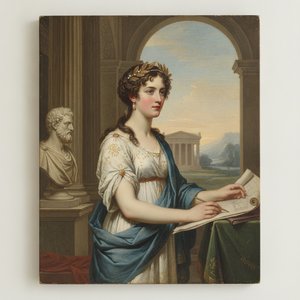
sappho and phaon

 اقرأ المزيد
جاك-لوي ديفيد (1748-1825): رسام فرنسي كلاسيكي جديد رائد، اشتهر بلوحات مثل "قسم الهوراتشي" التي تجسد البطولة والدراما والأفكار الكلاسيكية. شاهد على الثورة الفرنسية وعصر نابليون.
نسخة زيتية مصنوعة يدوياً
لوحة زيتية مرسومة يدوياً على الكانفاس بالمقاس والإطار الذي تفضله، تُنفذ حسب الطلب على أيدي فنانينا. ( التبديل إلى المطبوعات التحويل إلى الصورة الرقمية)




P118B E£10

P118H E£10

P118W E£10

P438Z E£10

P508JH E£12

P508YH E£12

P805H E£10

P805Z E£10

P919BZ E£10

P919G E£10

P919XJ E£10

P959ZH E£10

P968JZ E£12

W106C E£8

W218G E£10

W218JH E£8

W218Y E£10

W307PJ E£10

W316G E£10

W316PJ E£8

W316Y E£10

W398PJ E£8

W4111J E£10

W500HY E£15

W500JH E£15

W692G E£12

W849H E£8

W940BG E£15

W953PJ E£8




مقاس قياسي
مخصص
CM
INCH
اختر من بين أحجامنا المُعدّة مسبقاً والتي تتوافق مع النسب الأصلية للعمل الفني.
Loading sizes...

العرض
الارتفاع
يمكنك إدخال أبعاد خاصة لتناسب إطاراً أو مساحة معينة. وفي حال عدم تطابق الحجم المختار مع نسب الصورة الأصلية، سنقوم إما بقص العمل الفني أو توسيع اللوحة عبر إضافة عناصر مرسومة يدوياً. وسيتم إرسال نموذج رقمي إليك للموافقة عليه قبل بدء عملية الإنتاج.
يرجى ملاحظة أن المعاينة على الشاشة لا تعكس عملية القص أو التوسيع الفعلية؛ إذ إن النموذج الرقمي هو الوحيد الذي يوضح التكوين النهائي بدقة.
وعلى الرغم من توفر أحجام مخصصة، إلا أننا نوصي باختيار أبعاد من القائمة المحددة مسبقاً للحفاظ على النسب الأصلية للعمل الفني.
أمثلة على التعديلات الممكنة: استبدال الوجه بصورة العميل؛ إضافة حيوان أليف (مثل استبدال قطة بكلب)؛ تضمين رسالة مخفية في الخلفية؛ تغيير المناظر الطبيعية أو العناصر في الخلفية.
بعد إتمام الطلب، سيرسل فريق TopImpressionists.com بريداً إلكترونياً للعميل لطلب التعليمات وتزويده بمعاينة تجريبية (mockup).
بعد إتمام الطلب، سيرسل فريق TopImpressionists.com بريداً إلكترونياً للعميل لطلب التعليمات وتزويده بمعاينة تجريبية (mockup).
توصيل عالمي إلى خلال 3 إلى 4 أسابيع بدلاً من المدة المعتادة البالغة 5 أسابيع. (2 أكتوبر). جودة لا تهاون فيها.

شحن سريع ومجاني لجميع أنحاء العالم

قماش كتان فاخر

تأمين شامل على الشحن

ضمان استرداد الرسوم الجمركية

ضمان دقة مطابقة الألوان

سياسة الإرجاع خلال 100 يوم (في حالات العيوب فقط)

ضمان استرداد نقدي بنسبة 100%

عرض خصم الكميات
 خيار الزجاج متاح فقط للمقاسات التي تقل عن 110 سم

sappho and phaon
وسيط إعادة الإنتاج
مقاس النسخة المطبوعة
-


إجمالي السعر
E£ 13703
Jacques-Louis David’s ‘Sappho & Phaon’: A Symphony of Classical Idealism Amidst Tumultuous Times
Jacques-Louis David’s “Sappho & Phaon,” completed in 1809, stands as a testament to the enduring power of Neoclassical art—a beacon of serene beauty amidst the turbulent backdrop of Napoleon’s reign and the reverberations of the French Revolution. More than just a depiction of mythic love, this painting embodies David's unwavering commitment to classical ideals while subtly reflecting the anxieties and aspirations of his era.
The artwork portrays Sappho, revered poetess of Lesbos, reclining on a bed alongside Phaon, her admirer. The scene is bathed in soft light, emphasizing tranquility and intimacy—a deliberate contrast to the violent upheavals that gripped France during David’s lifetime. Two angelic figures flank the composition, lending an aura of divine grace and reinforcing the painting's moral seriousness.
Style & Technique: Embracing Classical Precision
David meticulously adhered to the tenets of Neoclassicism—a movement championed for its return to Greco-Roman artistic principles after the excesses of Rococo. His brushstrokes are deliberate, controlled, and strive for anatomical accuracy, mirroring the sculptural style favored by artists like Michelangelo. The artist skillfully employs chiaroscuro – dramatic contrasts between light and shadow – to sculpt form and heighten emotional impact. Observe how David renders Sappho’s delicate posture and Phaon's attentive gaze with remarkable detail.
Historical Context: Revolution & Romanticism Converge
"Sappho & Phaon" was created during a pivotal moment in European history—the Napoleonic era, following the overthrow of Louis XVI. While David championed Napoleon’s vision of order and grandeur, he simultaneously wrestled with the burgeoning Romantic movement's emphasis on emotion and imagination. The painting reflects this tension: its idealized depiction of love speaks to classical notions of beauty and virtue, yet it is imbued with a palpable sense of vulnerability and longing.
Symbolism & Narrative Depth
The mythological narrative itself carries significant symbolic weight. Sappho represents intellectual purity and artistic devotion—qualities valued by Neoclassical thinkers. Phaon embodies passionate desire and admiration, highlighting the complexities inherent in human relationships. The inclusion of angels underscores the painting’s moral dimension, suggesting that true love possesses a transcendent quality.
Emotional Impact: Tranquility Amidst Chaos
"Sappho & Phaon" transcends mere visual representation; it evokes profound emotion. The serene stillness of the scene invites contemplation and offers solace from the anxieties of its time. David’s masterful composition captures not only the physical beauty of the figures but also their inner states—a testament to his ability to convey complex psychological nuances through art. It remains a captivating image, demonstrating how classical ideals can inspire timeless artistic expression.
نبذة عن الفنان
جاك لوبر دافيد: رسام الثورة والإمبراطورية
في قلب باريس، عام 1748، وُلد جاك لوبر دافيد، ليصبح لاحقًا أكثر من مجرد رسام؛ بل سجل بصري لعصر مضطرب، مليء بالطموح والأفكار الجديدة. لم تكن حياته انعكاسًا بسيطًا للتغيرات التي شهدتها فرنسا فحسب، بل كانت رحلة متأرجحة بين أساليب فنية متباينة – من الزخرفة الرقيقة لأسلوب الروكوكو إلى الوضوح الصارم للكلاسيكية الجديدة – ومروراً بفترات الثورة والانتصارات النابليونية. نشأته، التي شهدت فقدانه المبكر لوالده وتحديات في النطق بسبب عيب خلقي، لم تكن سوى وقود لإصراره الفني الذي لا يلين، والذي صقل مهاراته ووجهه نحو الكمال. لم يكن تدريبه الأولي تحت إشراف فرانسوا بوشيه كافيًا لرضاه؛ فقد انجذب دافيد بسرعة إلى أعمال جوزيف ماري فيان الأكثر جدية، التي ركزت على اللوحات التاريخية والموضوعات الكلاسيكية، مما أشعل بداخله شعورًا بالهدف. على الرغم من الإخفاقات المتكررة في الحصول على جائزة روما المرموقة، إلا أن هذه النكسات لم تزد سوى من عزيمته، وشكلت أساسًا لثباته الذي ميز مسيرته الفنية بأكملها.ولادة الدراما الكلاسيكية الجديدة
لم يكن تطور دافيد الفني مجرد تحول في الأسلوب؛ بل كان بيانًا فلسفيًا جريئًا. لقد رفض الزخرفة المفرطة والمواضيع المرحة لأسلوب الروكوكو، واحتضن بدلاً من ذلك الوضوح والنظام والجدية الأخلاقية المتأصلة في العصور القديمة. وقد تأثر هذا الالتزام بشكل كبير بالاكتشافات الأثرية في بومبي وهيركولانيوم، التي كشفت عن عالم من الفن المعماري الروماني الذي كان قد ضاع منذ زمن طويل. كانت لوحته "قسمة أوراتشي" (1784) بمثابة نقطة تحول حقيقية، حيث تجاوزت مجرد المهارة الفنية لتصبح رمزًا للفضيلة المدنية والتضحية الوطنية. لم يكن الأمر يتعلق فقط بما رسمه، بل *كيف* رسمه – تركيب صارم وإضاءة درامية ورسم دقيق أحدث ثورة في الأساليب السابقة. لم تكن هذه اللوحة مجرد إعلان عن أسلوب جديد؛ بل كانت بمثابة نبوءة للتيارات الفكرية التي ستجتاح فرنسا قريبًا.الثورة والذكرى: الفن كسلاح سياسي
مع اندلاع الثورة الفرنسية عام 1789، لم يكن دافيد مجرد مراقب؛ بل كان مشاركًا نشطًا. بصفته مؤيدًا متحمسًا للقضية الثورية وصديقًا مقربًا من ماكسيميليان روبيرسبير، رأى الفن كسلاح قوي لتشكيل الرأي العام وتخليد المثل العليا للجمهورية الجديدة. أصبحت لوحاته خلال هذه الفترة رموزًا قوية للاستشهاد الثوري والحماس الجمهوري. ربما تكون لوحته "موت مارات" (1793) هي المثال الأكثر شهرة، حيث تصور الصحفي الفرنسي الراحل بشكل واقعي في حوض الاستحمام، وتحوله إلى قديس علماني. إن بساطة اللوحة الصارخة – الجسد الشاحب والمكتب المؤقت والحرف المؤثر الذي يمسك به مارات – ترفع المشهد إلى مستوى من الرنين العاطفي العميق. شغل دافيد منصبًا في لجنة السلامة العامة خلال عهد الإرهاب، بل ووقع حكم الإعدام على روبيرسبير نفسه، مما يدل على انخراطه العميق في المناورات السياسية لتلك الحقبة.من الثورة إلى الإمبراطورية: خدمة نابليون
أدى سقوط روبيرسبير إلى نقطة تحول أخرى في مسيرة دافيد المهنية. بتكيف ملحوظ، تفادى المخاطر المتزايدة ووافق على العمل مع نابليون بونابرت، ليصبح الرسام الرسمي للكونسول الأول. فتحت هذه الرعاية الجديدة الباب أمام سلسلة من المشاريع واسعة النطاق تهدف إلى تمجيد انتصارات وإنجازات نابليون. تعتبر لوحته "نابليون يعبر جبال الألب" (1801-1805) مثالاً شهيرًا – قطعة دعائية رائعة تصور نابليون كشخصية بطولية تقريبًا أسطورية تتغلب على الطبيعة والعدو. عززت لوحة "الاحتفال بتتويج نابليون" (1807)، وهي قماش ضخم يلتقط بهجة وفخامة المراسم الإمبراطورية، مكانة دافيد كرسام بارز في عصر نابليون. خلال هذه الفترة، تحول لوحه بشكل طفيف، حيث دمج الألوان الدافئة المستوحاة من البندقية مع الحفاظ على الدقة والوضوح اللذين حددا أسلوبه.المنفى والإرث والتأثير الدائم
جلب استعادة بوربون عام 1814 خطرًا جديدًا على دافيد، حيث جعلت ارتباطاته بالنابوليون الساقط منه هدفًا للمضايقة. في عام 1816، اختار المنفى في بروكسل، حيث واصل الرسم والتدريس حتى وفاته في 29 ديسمبر 1825. حتى في المنفى، ظل تأثيره عميقًا. لقد درّب العديد من التلاميذ، بمن فيهم جان أوغست دومينيك إنجر، الذي أصبح أحد أهم رسامي الكلاسيكية الجديدة في القرن التاسع عشر. ترك تركيز دافيد على الرسم والتكوين والدقة التاريخية بصمة لا تمحى على الفن الفرنسي. *يتجاوز إرثه مجرد التقليد*؛ فقد أدت تشويهاته التعبيرية للشكل والمساحة حتى إلى الإشارة إلى ابتكارات الفنانين اللاحقين مثل هنري ماتيس وبابلو بيكاسو. لم يكن جاك لوبر دافيد مجرد رسام لعصره؛ بل *عرّفه*، حيث التقط روحه من الثورة والطموح والمثل العليا الدائمة على القماش للأجيال القادمة.- الإنجازات الرئيسية: أسس الكلاسيكية الجديدة كنمط مهيمن في الرسم الفرنسي.
- الأهمية التاريخية: أنشأ صورًا رمزية التقطت روح الثورة الفرنسية والعصر النابليوني.
- التأثير: درّب جيلًا من الفنانين المؤثرين الذين واصلوا إرثه.

جاك لويس ديفيد
1748 - 1800 , فرنسا
لمحة سريعة
- أعمال فنية بارزة:
- قسم الأوراتيو
- موت ماراط
- نابليون يعبر جبال الألب
- الاسم الكامل: جاك لوي ديفيد
- الجنسية: فرنسي
- الحركة الفنية: الرومانسية الجديدة
- تاريخ الميلاد: 30 أغسطس 1748
- حركات أو فنانين تأثروا به:
- جان أوجست دومينيك إنجر
- هنري ماتيس
- بابلو بيكاسو
- فنانون مؤثرون:
- جوزيف ماري فيان
- رافائيل مينغز
- مكان الميلاد: باريس، فرنسا
مقالات ذات صلة
The Revival of Antiquity: Exploring Ideals of Beauty & Power in Neoclassical Portraiture
Explore the captivating world of Neoclassical portraiture! Discover the power & ideals behind masterpieces by David, Girodet & more. Expert analysis, custom reproductions & art appraisal at TopImpressionists.

Reason vs. Emotion: The Epic Clash of Neoclassicism and Romanticism in Art History
Explore the profound tension between Neoclassicism's rational order and Romanticism's emotional depth. An expert journey through the masters of art history, from David to Delacroix, perfect for collectors and enthusiasts seeking a deeper understanding of artistic evolution.

Jacques-Louis David: Neoclassical Ideals & Revolutionary Witness
Explore the life & art of Jacques-Louis David, leading Neoclassical painter of the French Revolution. Discover iconic works like 'The Death of Marat' and his lasting impact on art history. Expert analysis & high-quality reproductions at TopImpressionists.

The Revival of Antiquity: Exploring the Neoclassical Movement & its Enduring Legacy
Explore the revival of classical art with our deep dive into Neoclassicism! Discover key artists like Jacques-Louis David, Enlightenment influences & lasting impact on art history. High-quality reproductions at TopImpressionists.

Anne-Louis Girodet: Bridging Neoclassicism & Romanticism with Emotional Truth
Explore the captivating world of Anne-Louis Girodet, a pivotal figure bridging Neoclassicism & Romanticism. Discover his masterpieces and unique artistic vision with TopImpressionists.
استكشف الأعمال الفنية المصنفة حسب الموضوعات والأنماط والخصائص.


