

المعروض: · بالإطار:
 معاينة الحجم الواقعي
 مشاركة
 مشاركة
 التفاصيل
 دليل
دليل

 تحميل الملف
 قطع مشابهة
 الأشعة السينية
 عرض شرائح
 الأسئلة والأجوبة
 الإحصائيات


E£ 14090
نسخة زيتية مرسومة يدوياً
لوحة زيتية مرسومة يدوياً على الكانفاس بالمقاس والإطار الذي تفضله، تُنفذ حسب الطلب على أيدي فنانينا. ( التبديل إلى نسخة مطبوعة الانتقال إلى الصورة الرقمية)
المقاس
·قياسي
حسب الطلب
CM
INCH
اختر من بين أحجامنا المُعدّة مسبقاً والتي تتوافق مع النسب الأصلية للعمل الفني.
جاري تحميل المقاسات...

العرض
الارتفاع
أدخل العرض والارتفاع اللذين تحتاجهما ليتناسب العمل مع إطارك أو جدارك. وبما أن هذه اللوحة مرسومة يدوياً، ففي حال اختيار مقاس بأبعاد مختلفة، يمكن للفنان رسم مساحة إضافية حول الصورة أو تقليصها قليلاً — الخيار لك. سنرسل لك نموذجاً رقمياً تجريبياً لاعتماده قبل البدء في الرسم. علماً بأن الصورة المعروضة في هذه الصفحة لا تعكس النتيجة النهائية الحقيقية، فالنموذج التجريبي هو الوحيد الذي يوضح ذلك بدقة.
 للمزيد من المعلومات
إنهاء
·
أبيض E£1

حواف ضبابية E£1

ممتد الحواف E£1

P118B E£10

P118H E£10

P118W E£10

P438Z E£10

P508JH E£12

P508YH E£12

P805H E£10

P805Z E£10

P919BZ E£10

P919G E£10

P919XJ E£10

P959ZH E£10

P968JZ E£12

W106C E£8

W218G E£10

W218JH E£8

W218Y E£10

W307PJ E£10

W316G E£10

W316PJ E£8

W316Y E£10

W398PJ E£8

W4111J E£10

W500HY E£15

W500JH E£15

W692G E£12

W849H E£8

W940BG E£15

W953PJ E£8

H24-GOLD E£30

H24-SILVER E£30

H36-GOLD E£45

H36-SILVER E£45
تُشحن في أنبوب واقٍ، لتكون جاهزة للتأطير لدى فني الإطارات الخاص بك.
للقطع التي يتجاوز طولها ١٠٥ سم، يتم شحن الإطار كمجموعة مخصصة لخبراء التأطير — اقرأ التفاصيل.
خدمات إضافية
اختياريماذا تشمل الإضافات؟
أمثلة على ما يمكن تغييره: استبدال الوجه بصورة العميل؛ إضافة حيوان أليف (على سبيل المثال، استبدال قطة بكلب)؛ تضمين رسالة مخفية في الخلفية؛ تغيير المناظر الطبيعية أو العناصر في الخلفية.
بعد الطلب، سيقوم فريق TopImpressionists.com بمراسلة العميل عبر البريد الإلكتروني للحصول على التعليمات وتزويده بمعاينة تجريبية للعمل
بعد الطلب، سيقوم فريق TopImpressionists.com بمراسلة العميل عبر البريد الإلكتروني للحصول على التعليمات وتزويده بمعاينة تجريبية للعمل
توصيل عالمي إلى خلال 3 إلى 4 أسابيع بدلاً من المدة المعتادة البالغة 5 أسابيع. (7 نوفمبر). جودة لا تهاون فيها.
ورنيش واقٍ
بطاقة التعريف
تفاصيل اللوحة البرونزية المحفورة
This elegant plaque features the artist's name and the title of the artwork, finely engraved for a timeless presentation.
It is made from bronze with a refined, elegant finish. The text is precisely laser-engraved for a sharp and permanent result. Measuring 9x2 cm, the plaque is compact yet easy to read. It's built to be durable and scratch-resistant, offering a professional, museum-quality look. Mounting is simple thanks to the included adhesive backing.
تفاصيل اللوحة الأكريليكية الشفافة
The plaque includes essential engraved details such as the artist's name, the title of the artwork, the date it was created, the type of media used-like oil on canvas or watercolor-a brief description of the piece, and a QR code that links to the complete artwork information.
It is crafted from clear acrylic, offering a sleek, modern appearance. The text is UV-engraved in black to ensure strong visual contrast. With a size of 10x15 cm, it ensures optimal readability. It comes equipped with two metal hooks for secure wall mounting. The plaque is designed to be weather-resistant, making it suitable for various environments, and it includes interactive features that work seamlessly with smartphone scanning.
تفاصيل اللوحة الأكريليكية السوداء
This elegant plaque includes engraved information such as the artist's name, the title of the artwork, the date it was created, the type of media used (like oil on canvas or watercolor), a short description of the artwork, and a QR code for quick access to more information.
The plaque itself is made from refined black acrylic with a premium finish. The text is laser-engraved in white for high contrast and readability. Its size is 10x15 cm, designed to be easy to read. It comes with two metal hooks for professional mounting. The design is sleek and fits any interior style. It is also weather-resistant and durable, with built-in digital integration for mobile compatibility.
خيار الزجاج متاح فقط للمقاسات التي تقل عن 110 سم
 خيار الزجاج متاح فقط للمقاسات التي تقل عن 110 سم
- شحن سريع ومجاني لجميع أنحاء العالم
- قماش كتان عالي الجودة
- تأمين شامل على الشحن
- ضمان استرداد الرسوم الجمركية
- ضمان مطابقة الألوان الحقيقية
- سياسة الإرجاع خلال 100 يوم (في حالات العيوب فقط)
- ضمان استرداد نقدي بنسبة 100%
- خصم عند طلب كميات


وصف القطعة المقتناة
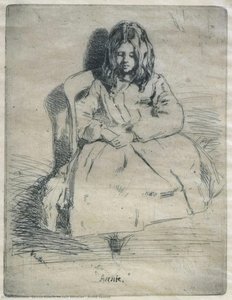
A delicate monochrome study of quiet introspection, this 1859 graphite drawing by James Abbott McNeill Whistler captures the essence of Aestheticism and invites you to experience its serene, atmospheric beauty.
السيرة الذاتية للفنان
اكتشف جيمس أبوت ماكنيل ويستلر (1834-1903): فنان أمريكي رائد في التونالية والجمالية. استكشف لوحة 'والدة ويستلر'، والأعمال الليلية، والصور البورتريه وفلسفته 'الفن من أجل الفن'.
عن اللوحة
A Symphony in Gray: The Intimate World of Annie Seated
In the quietude of James Abbott McNeill Whistler’s 1859 masterpiece, “Annie Seated,” we encounter a moment suspended in time, far removed from the clamor of the industrial age. This delicate work is not merely a portrait of a young woman; it is a profound meditation on atmosphere and the beauty of restraint. Through a masterful command of monochrome tones, Whistler invites us into a private sanctuary where the boundaries between subject and space begin to dissolve. The figure, likely Annie Harriet Haden, sits with a poised yet vulnerable grace, her presence anchored by the simple geometry of a wooden chair against a neutral, receding wall. There is an undeniable intimacy in this composition, a sense that we are witnessing a fleeting, silent breath captured forever in graphite and ink.
The technical brilliance of this piece lies in its subtle complexity. Utilizing the meticulous technique of drypoint etching with pencil, Whistler achieved a textural richness that defies its monochromatic palette. By layering intricate hatching and crosshatching, he built up tonal gradations that mimic the soft grain of paper and the delicate folds of fabric. This approach allows for a play of light that feels diffused and ethereal, as if the scene is viewed through a gentle morning mist. The influence of Japonisme—the mid-19th-century European fascination with Japanese aesthetics—is palpable in the way Whistler prioritizes flat planes of tone and organic, flowing lines over heavy shadows or dramatic perspective. This stylistic choice lends the artwork a modern, almost minimalist elegance that remains strikingly relevant to contemporary tastes.
The Philosophy of Aestheticism and Emotional Resonance
To understand “Annie Seated,” one must understand Whistler’s radical rebellion against the Victorian era's obsession with moralizing art. During a time when paintings were expected to tell didactic stories or convey heavy-handed social messages, Whistler championed the creed of “art for art’s sake.” He believed that the primary purpose of a work was to evoke sensory pleasure and aesthetic harmony through color, form, and composition alone. In this drawing, there is no grand narrative or historical drama; instead, the emotional weight is carried by the subject's downward gaze and the quiet stillness of her posture. This creates a sense of profound introspection and melancholy, making the piece an ideal focal point for spaces designed for contemplation and peace.
For the discerning collector or interior designer, “Annie Seated” offers a timeless versatility. Its neutral, cream-and-gray palette acts as a sophisticated anchor in any room, complementing both classical and modern decor. Whether placed in a sunlit gallery or a moody, dimly lit study, the artwork brings with it an aura of intellectual depth and understated luxury. A high-quality reproduction of this work allows one to possess not just a beautiful image, but a piece of art history—a fragment of the movement that redefined the boundaries of modern beauty and taught us to find magic in the most subtle of shadows.
الأسئلة والأجوبة
أين يمكنني شراء نسخة رقمية من "Annie Seated" للفنان ويستلر؟
للحصول على نسخة رقمية من "Annie Seated" للفنان ويستلر، يمكنك طلب تحميل صورة رقمية عالية الدقة عبر صفحة نسخة رقمية عالية الدقة.
هل يمكن إعادة إنتاج صورة "Annie Seated" للفنان ويستلر بحرية؟
أما بخصوص حقوق الطبع والنشر، فإن "Annie Seated" تندرج ضمن ملك عام - انتهت مدة حماية حقوق الطبع والنشر الخاصة به.
ما مدى سطوع "Annie Seated" للفنان ويستلر؟
يبلغ مستوى السطوع الملحوظ في لوحة "Annie Seated" للفنان ويستلر نسبة brilliant، مما يتيح تناغمها مع الإضاءة في المساحة المخصصة لها.
حقائق سريعة واختبار فني
عن ويستلر

ويستلر
1834 - 1903, الولايات المتحدة الأمريكية
السيرة الذاتية للفنان
حياة فنان: عالم جيمس أبوت ماكنيل ويستلر
جيمس أبات ماكنيل ويستلر، المولود في لوويل بولاية ماساتشوستس عام ١٨٣٤، كان شخصية متناقضة باستمرار – رسام احتفى بـ "الفن من أجل الفن" خلال عصر مهووس بالسرديات الأخلاقية. شكلت حياته المبكرة، التي اتسمت بالانتقالات المتكررة بسبب مهنة والده في مجال الهندسة المدنية للسكك الحديدية، لديه شعورًا بالتكيف والتعرض لبيئات متنوعة. أثبتت فترة قصيرة وغير سعيدة في أكاديمية ويست بوينت العسكرية أنها غير مناسبة لمزاجه الفني، تلتها وظيفة مع مسح الساحل والجغرافيا الأمريكية التابع للولايات المتحدة، والتي على الرغم من تأخيرها، إلا أنها لم تخمد شغفه المتنامي بالفن. كانت هذه السنوات التكوينية تتميز بموهبة فطرية للرسم ورغبة حازمة في أن يصبح فنانًا محترفًا، وهو مسعى سيقوده في النهاية عبر المحيط الأطلسي وإلى قلب الطليعة الأوروبية. زرعت بذور تمرد ويستلر الفني مبكرًا، وتغذت بروح رفضت التوافق وتبنت الاستكشاف الجمالي قبل كل شيء.
البدايات الباريسية وتشكيل الأسلوب
جاء اللحظة المحورية في رحلة ويستلر الفنية مع انتقاله إلى باريس عام ١٨٥٥. هنا، تحت إشراف سيباستيان بوريه، صقل مهاراته في الرسم الزيتي والألوان المائية والطباعة، مستوعبًا تأثيرات الواقعية الفرنسية ومدرسة باربيزون. ومع ذلك، سرعان ما تجاوز ويستلر مجرد التقليد، وطور أسلوبًا مميزًا يتميز بالتناغمات اللونية والتأثيرات الجوية. لم يكن مهتمًا بتكرار الواقع؛ بل سعى إلى التقاط *جوهر* الأشياء، حالاتها العابرة والفروق الدقيقة الخفية. شكلت هذه الفترة تحولًا حاسمًا من الدقة التمثيلية نحو استكشاف الشكل الجمالي النقي. حتى أعماله المبكرة أشارت بالفعل إلى التوازن الرقيق بين الملاحظة والتجريد الذي سيحدد أسلوبه الناضج. في باريس بدأ ويستلر في صياغة اعتقاده بأن الفن يجب أن يُحكم عليه فقط على أساس صفاته الجمالية، بعيدًا عن القيود العقائدية أو الأخلاقية – فلسفة ستصبح حجر الزاوية في ممارسته الفنية وسمة مميزة للحركة الجمالية.
نوكتورنات وصور شخصية ومطاردة الانسجام
تجسدت رؤية ويستلر الفنية في عدة موضوعات رئيسية وخيارات أسلوبية. لقد احتضن مفهوم "الفن من أجل الفن"، ورفض السرديات المثقلة بالتعليقات الأخلاقية أو الاجتماعية. أصبح عمله تمرينًا في التقاط الفروق الدقيقة في الضوء واللون والجوي – وهو مسعى أدى إلى نوكتورناته الشهيرة. لم تكن هذه اللوحات الجوية للمشاهد الليلية، التي تصور غالبًا نهر التايمز في الليل، بمثابة تصويرات حرفية بل كانت انطباعات آسرة، ودراسات في الانسجام النغمي والمزاج. غالبًا ما استخدم لوحات محدودة وعمل فرشاة رقيق، مما يخلق إحساسًا بالجمال الأثيري والتأمل الهادئ. احتلت الصور أيضًا مكانة مركزية في ممارسته، على الرغم من أنه تعامل معها بحساسية فريدة. لم يكن ويستلر مهتمًا بالتقاط أوجه الشبه المثالية؛ بل ركز على الترتيبات الشكلية والعلاقات اللونية، وعامل شخصياته كعناصر تركيبية داخل إطار جمالي مدروس بعناية. تُظهر الأعمال مثل *ترتيب رمادي وأسود رقم ١* – المعروفة بشكل أفضل باسم *والدة ويستلر* – هذا النهج تمامًا، وتحويل صورة عائلية إلى صورة رمزية للأمومة الفيكتورية من خلال استخدامه المتقن للشكل والنغمة.
جدل وتأثير وأهمية دائمة
لم تخلُ مسيرة ويستلر من الجدل. أصبحت الدعوى القضائية الشهيرة التي رفعها ضد الناقد جون روسكين في عام ١٨٧٨، والتي اندلعت بسبب *نوكتورن باللون الأسود والذهبي – الصاروخ المتساقط*، لحظة بارزة في تاريخ الفن. دافع ويستلر بنجاح عن استقلاليته الفنية، بحجة أن لوحاته لم تكن تهدف إلى أن تكون تمثيلات واقعية بل ترتيبات جمالية للألوان والأشكال. أدت هذه القضية إلى رفع ملفه الشخصي وأشعلت مناقشات مهمة حول طبيعة نقد الفن وحرية الفنان. بصرف النظر عن هذا النزاع القانوني، امتد تأثير ويستلر على نطاق واسع. لقد استلهم بشدة من المطبوعات اليابانية (أوكيو-إيه)، والتي أثرت في مبادئه التركيبية وتأكيده على الأنماط الزخرفية، بالإضافة إلى إتقان النغمة للرسامين الإسبان مثل فلاسكيز. لقد أثرت دعوته لـ "الفن من أجل الفن" بشكل كبير على الحركة الجمالية في إنجلترا وأمريكا، ومهدت الطريق للحداثة وتحدت المفاهيم التقليدية حول غرض الفن. ترك بصمة لا تمحى على فن أمريكا، حيث ألهم أجيالًا من الفنانين لتبني مناهج فورمية واستكشاف الإمكانات التعبيرية للون والتكوين.
- أعمال بارزة: *المسبكة* (١٨٦١)، *صورة تشارلز لانغ فرير* (١٨٧٣)، *بني وذهبي: الفتاة الذهبية – كوني جيلكريست* (١٨٧٦-٧٧)، *ترتيب رمادي وأسود رقم ١ (والدة ويستلر)* (١٨٧١)، *نوكتورن باللون الأسود والذهبي – الصاروخ المتساقط* (١٨٧٥).
- تأثيرات: المطبوعات اليابانية، فلاسكيز.
توفي ويستلر في لندن عام ١٩٠٣، تاركًا وراءه أعمالًا مستمرة في جذب وإلهام. لقد رسخ التزامه الثابت بالمبادئ الفنية وسعيه الدؤوب للجمال مكانته كشخصية محورية في تاريخ الفن.
حقائق سريعة عن ويستلر
- أعمال فنية بارزة:
- ترتيب رمادي وأسود رقم 1 (صورة والدته)
- ليلة سوداء وذهبية - الصاروخ الساقط
- المدخنة
- غرفة الطاووس
- الاسم الكامل: جيمس أبوت ماكنيل ويستلر
- الجنسية: أمريكي
- الحركات أو الفنانين تأثر بهم:
- حركة الجماليات
- الواقعية الجديدة
- الحركة الفنية أو النمط: الانطباعية التونالية والجمالية
- الفنانون الذين أثروا فيه:
- فيلّاسكيز
- المطبوعات اليابانية
- تاريخ الميلاد: 10 يوليو 1834
- مكان الميلاد (مدينة وبلد): لوويل، الولايات المتحدة الأمريكية
استكشف الأعمال الفنية المصنفة حسب الموضوعات والأنماط والخصائص.


ويستلر
Annie Seated
() ·
بالإطار: · رُسمت يدوياً بالزيت على الكتان
الإجمالي