

Shown: · With its frame:
 معاينة الحجم الواقعي
 إرسال
إرسال مشاركة
 عرض التفاصيل
 دليل الأعمال الفنية للطلاب

 تحميل
تحميل
 قطع مشابهة
 الأشعة السينية
 عرض شرائح متتابع
 Q&A
Q&A الإحصائيات
E£ 14050
نسخة زيتية مصنوعة يدوياً
لوحة زيتية مرسومة يدوياً على الكانفاس بالمقاس والإطار الذي تفضله، تُنفذ حسب الطلب على أيدي فنانينا. ( التبديل إلى المطبوعات التحويل إلى الصورة الرقمية)
Size
·مقاس قياسي
مخصص
CM
INCH
اختر من بين أحجامنا المُعدّة مسبقاً والتي تتوافق مع النسب الأصلية للعمل الفني.
Loading sizes...

العرض
الارتفاع
أدخل العرض والارتفاع اللذين تحتاجهما، ليتناسب العمل مع إطارك أو جدارك. وبما أن هذه اللوحة مرسومة يدوياً، ففي حال اختيار مقاس بشكل مختلف، يمكن للفنان رسم مساحة إضافية حول الصورة أو تقليصها قليلاً — الخيار لك. سنرسل لك نموذجاً رقمياً تجريبياً لاعتماده قبل البدء في الرسم. علماً بأن الصورة المعروضة في هذه الصفحة لا تعكس النتيجة النهائية الحقيقية — فالنموذج التجريبي هو الوحيد الذي يوضح ذلك بدقة.
 اقرأ المزيد
Finish
·
White E£1

Blurside E£1

Extended E£1

P118B E£10

P118H E£10

P118W E£10

P438Z E£10

P508JH E£12

P508YH E£12

P805H E£10

P805Z E£10

P919BZ E£10

P919G E£10

P919XJ E£10

P959ZH E£10

P968JZ E£12

W106C E£8

W218G E£10

W218JH E£8

W218Y E£10

W307PJ E£10

W316G E£10

W316PJ E£8

W316Y E£10

W398PJ E£8

W4111J E£10

W500HY E£15

W500JH E£15

W692G E£12

W849H E£8

W940BG E£15

W953PJ E£8

H24-GOLD E£30

H24-SILVER E£30

H36-GOLD E£45

H36-SILVER E£45
Shipped in a protective tube, ready for your own framer.
Above 105 cm the frame is shipped as a kit for a professional framer — read the details.
Extras
optionalWhat do the extras include?
Examples of what can be changed: Replace face with customer photo; Add pet (e.g., replace cat with dog); Include hidden message in background; Change background landscape or elements.
After order, TopImpressionists.com team will email client for instructions and provide a mockup preview
After order, TopImpressionists.com team will email client for instructions and provide a mockup preview
توصيل عالمي إلى خلال 3 إلى 4 أسابيع بدلاً من المدة المعتادة البالغة 5 أسابيع. (2 نوفمبر). جودة لا تهاون فيها.
ورنيش حماية
لوحة التعريف
تفاصيل اللوحة البرونزية المحفورة
This elegant plaque features the artist's name and the title of the artwork, finely engraved for a timeless presentation.
It is made from bronze with a refined, elegant finish. The text is precisely laser-engraved for a sharp and permanent result. Measuring 9x2 cm, the plaque is compact yet easy to read. It's built to be durable and scratch-resistant, offering a professional, museum-quality look. Mounting is simple thanks to the included adhesive backing.
تفاصيل اللوحة الأكريليكية الشفافة
The plaque includes essential engraved details such as the artist's name, the title of the artwork, the date it was created, the type of media used-like oil on canvas or watercolor-a brief description of the piece, and a QR code that links to the complete artwork information.
It is crafted from clear acrylic, offering a sleek, modern appearance. The text is UV-engraved in black to ensure strong visual contrast. With a size of 10x15 cm, it ensures optimal readability. It comes equipped with two metal hooks for secure wall mounting. The plaque is designed to be weather-resistant, making it suitable for various environments, and it includes interactive features that work seamlessly with smartphone scanning.
تفاصيل اللوحة الأكريليكية السوداء
This elegant plaque includes engraved information such as the artist's name, the title of the artwork, the date it was created, the type of media used (like oil on canvas or watercolor), a short description of the artwork, and a QR code for quick access to more information.
The plaque itself is made from refined black acrylic with a premium finish. The text is laser-engraved in white for high contrast and readability. Its size is 10x15 cm, designed to be easy to read. It comes with two metal hooks for professional mounting. The design is sleek and fits any interior style. It is also weather-resistant and durable, with built-in digital integration for mobile compatibility.
خيار الزجاج متاح فقط للمقاسات التي تقل عن 110 سم
 خيار الزجاج متاح فقط للمقاسات التي تقل عن 110 سم
- شحن سريع ومجاني لجميع أنحاء العالم
- قماش كتان فاخر
- تأمين شامل على الشحن
- ضمان استرداد الرسوم الجمركية
- ضمان دقة مطابقة الألوان
- سياسة الإرجاع خلال 100 يوم (في حالات العيوب فقط)
- ضمان استرداد نقدي بنسبة 100%
- عرض خصم الكميات


وصف المقتنيات
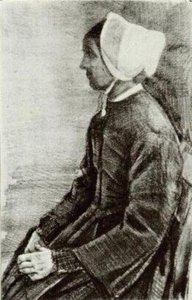
Experience James Abbott Whistler’s ‘Finette,’ a masterpiece of Tonalism. Explore its serene beauty & atmospheric effects. A timeless work by a pivotal American artist.
نبذة عن الفنان
اكتشف جيمس أبوت ماكنيل ويستلر (1834-1903): فنان أمريكي رائد في التونالية والجمالية. استكشف لوحة 'والدة ويستلر'، والأعمال الليلية، والصور البورتريه وفلسفته 'الفن من أجل الفن'.
About the painting
A Moment Suspended: Unveiling Whistler’s *Finette*
James Abbott McNeill Whistler's Finette (circa 1892-93) is a captivating study in quietude, a prime example of American Tonalism that transcends mere portraiture. It isn’t simply a depiction *of* someone; it’s an evocation of a mood, a feeling – a carefully orchestrated harmony of tones and textures designed to resonate with the viewer on a deeply personal level.
The Enigmatic Subject & Composition
The artwork portrays a young woman, known affectionately as “Finette,” seated near a window, lost in thought. Her face is partially veiled by a delicate fan, lending an air of mystery and inviting speculation about her inner world. Whistler deliberately avoids detailed characterization; Finette isn’t presented as a specific individual to be identified, but rather as a universal representation of feminine grace and contemplative solitude. The inclusion of books subtly suggests intellectual pursuits or artistic sensibility, enriching the narrative without explicitly defining it. Her relaxed yet dignified pose contributes to the overall sense of serene detachment.
Mastering Tonalism: Whistler’s Artistic Approach
Finette embodies the core principles of Tonalism – an artistic movement that prioritized atmospheric effects, muted color palettes, and emotional resonance over precise representation. Whistler achieves this through a masterful command of tonal values, employing a limited range of subtly blended creams, grays, and blacks to create a harmonious, almost monochromatic effect. His delicate brushwork and glazing techniques build up layers of tone, resulting in a soft, diffused light that envelops the figure and creates an ethereal atmosphere. This emphasis on *how* something is painted – rather than *what* is painted – exemplifies Whistler’s “art for art’s sake” philosophy.
Historical Context & Aesthetic Influences
Born in Lowell, Massachusetts, Whistler spent a significant portion of his career in Europe, particularly London. He was profoundly influenced by Japanese art and aesthetics – evident in the composition's asymmetry, simplified forms, and emphasis on negative space. He actively rejected academic traditions, championing a purely aesthetic approach to painting that challenged conventional notions of art’s purpose. Whistler believed art should be appreciated for its beauty alone, free from moral or narrative obligations. This stance positioned him as a key figure within the broader Aesthetic Movement.
Symbolism & Emotional Impact
While seemingly simple, Finette is rich in subtle symbolism. The window acts as a threshold between interior and exterior worlds, suggesting introspection and a connection to something beyond the immediate surroundings. The fan, a traditional symbol of femininity and allure, adds an element of grace and sophistication. However, it also serves to partially obscure Finette’s face, reinforcing her enigmatic quality. Ultimately, the painting evokes feelings of quietude, melancholy, and peaceful contemplation – inviting viewers to project their own emotions onto the scene.
Display & Interior Design Considerations
- Lighting: Soft, diffused lighting is essential. Avoid direct sunlight, which can diminish the delicate tonal variations.
- Wall Color: A neutral palette – warm grays, off-whites, or muted beiges – will complement the painting’s subtle hues without overpowering it.
- Framing: A simple, elegant frame in a muted tone (silver, gold leaf, or dark wood) will enhance the artwork's sophistication. Avoid overly ornate frames that distract from the composition.
- Setting: Finette would be particularly well-suited to spaces designed for relaxation and contemplation – libraries, studies, bedrooms, or intimate living areas.
Owning a reproduction of Whistler’s Finette is an invitation to embrace timeless elegance and artistic refinement. It's a piece that rewards quiet observation and offers a constant source of peaceful inspiration—a subtle yet powerful addition to any discerning collection or interior space.
الأسئلة والأجوبة
ما هو تنسيق "Finette"؟
تُعد "Finette" للفنان ويستلر تكويناً Portrait. ويُنصح بمراجعة الأبعاد قبل اختيار حجم الطباعة.
ما هي الموضوعات التي تظهر في "Finette" للفنان ويستلر؟
تشمل الموضوعات المتضمنة في "Finette" للفنان ويستلر كلاً من tonalist painting, woman in white, atmospheric mood, quiet reflection, vintage art style, whistler’s legacy, elegant portraiture، وهي مجتمعةً تلخص فحوى العمل الفني.
هل يمكنني معاينة "Finette" للفنان ويستلر على جداري الخاص قبل الشراء؟
تستخدم صفحة معاينة الواقع المعزز لعمل "Finette" للفنان ويستلر تقنية الواقع المعزز لعرض العمل الفني في مساحتك الخاصة، عبر جهاز متوافق.
Quick facts and art quiz
About ويستلر

ويستلر
1834 - 1903, الولايات المتحدة الأمريكية
نبذة عن الفنان
حياة فنان: عالم جيمس أبوت ماكنيل ويستلر
جيمس أبات ماكنيل ويستلر، المولود في لوويل بولاية ماساتشوستس عام ١٨٣٤، كان شخصية متناقضة باستمرار – رسام احتفى بـ "الفن من أجل الفن" خلال عصر مهووس بالسرديات الأخلاقية. شكلت حياته المبكرة، التي اتسمت بالانتقالات المتكررة بسبب مهنة والده في مجال الهندسة المدنية للسكك الحديدية، لديه شعورًا بالتكيف والتعرض لبيئات متنوعة. أثبتت فترة قصيرة وغير سعيدة في أكاديمية ويست بوينت العسكرية أنها غير مناسبة لمزاجه الفني، تلتها وظيفة مع مسح الساحل والجغرافيا الأمريكية التابع للولايات المتحدة، والتي على الرغم من تأخيرها، إلا أنها لم تخمد شغفه المتنامي بالفن. كانت هذه السنوات التكوينية تتميز بموهبة فطرية للرسم ورغبة حازمة في أن يصبح فنانًا محترفًا، وهو مسعى سيقوده في النهاية عبر المحيط الأطلسي وإلى قلب الطليعة الأوروبية. زرعت بذور تمرد ويستلر الفني مبكرًا، وتغذت بروح رفضت التوافق وتبنت الاستكشاف الجمالي قبل كل شيء.
البدايات الباريسية وتشكيل الأسلوب
جاء اللحظة المحورية في رحلة ويستلر الفنية مع انتقاله إلى باريس عام ١٨٥٥. هنا، تحت إشراف سيباستيان بوريه، صقل مهاراته في الرسم الزيتي والألوان المائية والطباعة، مستوعبًا تأثيرات الواقعية الفرنسية ومدرسة باربيزون. ومع ذلك، سرعان ما تجاوز ويستلر مجرد التقليد، وطور أسلوبًا مميزًا يتميز بالتناغمات اللونية والتأثيرات الجوية. لم يكن مهتمًا بتكرار الواقع؛ بل سعى إلى التقاط *جوهر* الأشياء، حالاتها العابرة والفروق الدقيقة الخفية. شكلت هذه الفترة تحولًا حاسمًا من الدقة التمثيلية نحو استكشاف الشكل الجمالي النقي. حتى أعماله المبكرة أشارت بالفعل إلى التوازن الرقيق بين الملاحظة والتجريد الذي سيحدد أسلوبه الناضج. في باريس بدأ ويستلر في صياغة اعتقاده بأن الفن يجب أن يُحكم عليه فقط على أساس صفاته الجمالية، بعيدًا عن القيود العقائدية أو الأخلاقية – فلسفة ستصبح حجر الزاوية في ممارسته الفنية وسمة مميزة للحركة الجمالية.
نوكتورنات وصور شخصية ومطاردة الانسجام
تجسدت رؤية ويستلر الفنية في عدة موضوعات رئيسية وخيارات أسلوبية. لقد احتضن مفهوم "الفن من أجل الفن"، ورفض السرديات المثقلة بالتعليقات الأخلاقية أو الاجتماعية. أصبح عمله تمرينًا في التقاط الفروق الدقيقة في الضوء واللون والجوي – وهو مسعى أدى إلى نوكتورناته الشهيرة. لم تكن هذه اللوحات الجوية للمشاهد الليلية، التي تصور غالبًا نهر التايمز في الليل، بمثابة تصويرات حرفية بل كانت انطباعات آسرة، ودراسات في الانسجام النغمي والمزاج. غالبًا ما استخدم لوحات محدودة وعمل فرشاة رقيق، مما يخلق إحساسًا بالجمال الأثيري والتأمل الهادئ. احتلت الصور أيضًا مكانة مركزية في ممارسته، على الرغم من أنه تعامل معها بحساسية فريدة. لم يكن ويستلر مهتمًا بالتقاط أوجه الشبه المثالية؛ بل ركز على الترتيبات الشكلية والعلاقات اللونية، وعامل شخصياته كعناصر تركيبية داخل إطار جمالي مدروس بعناية. تُظهر الأعمال مثل *ترتيب رمادي وأسود رقم ١* – المعروفة بشكل أفضل باسم *والدة ويستلر* – هذا النهج تمامًا، وتحويل صورة عائلية إلى صورة رمزية للأمومة الفيكتورية من خلال استخدامه المتقن للشكل والنغمة.
جدل وتأثير وأهمية دائمة
لم تخلُ مسيرة ويستلر من الجدل. أصبحت الدعوى القضائية الشهيرة التي رفعها ضد الناقد جون روسكين في عام ١٨٧٨، والتي اندلعت بسبب *نوكتورن باللون الأسود والذهبي – الصاروخ المتساقط*، لحظة بارزة في تاريخ الفن. دافع ويستلر بنجاح عن استقلاليته الفنية، بحجة أن لوحاته لم تكن تهدف إلى أن تكون تمثيلات واقعية بل ترتيبات جمالية للألوان والأشكال. أدت هذه القضية إلى رفع ملفه الشخصي وأشعلت مناقشات مهمة حول طبيعة نقد الفن وحرية الفنان. بصرف النظر عن هذا النزاع القانوني، امتد تأثير ويستلر على نطاق واسع. لقد استلهم بشدة من المطبوعات اليابانية (أوكيو-إيه)، والتي أثرت في مبادئه التركيبية وتأكيده على الأنماط الزخرفية، بالإضافة إلى إتقان النغمة للرسامين الإسبان مثل فلاسكيز. لقد أثرت دعوته لـ "الفن من أجل الفن" بشكل كبير على الحركة الجمالية في إنجلترا وأمريكا، ومهدت الطريق للحداثة وتحدت المفاهيم التقليدية حول غرض الفن. ترك بصمة لا تمحى على فن أمريكا، حيث ألهم أجيالًا من الفنانين لتبني مناهج فورمية واستكشاف الإمكانات التعبيرية للون والتكوين.
- أعمال بارزة: *المسبكة* (١٨٦١)، *صورة تشارلز لانغ فرير* (١٨٧٣)، *بني وذهبي: الفتاة الذهبية – كوني جيلكريست* (١٨٧٦-٧٧)، *ترتيب رمادي وأسود رقم ١ (والدة ويستلر)* (١٨٧١)، *نوكتورن باللون الأسود والذهبي – الصاروخ المتساقط* (١٨٧٥).
- تأثيرات: المطبوعات اليابانية، فلاسكيز.
توفي ويستلر في لندن عام ١٩٠٣، تاركًا وراءه أعمالًا مستمرة في جذب وإلهام. لقد رسخ التزامه الثابت بالمبادئ الفنية وسعيه الدؤوب للجمال مكانته كشخصية محورية في تاريخ الفن.
Quick facts about ويستلر
- أعمال فنية بارزة:
- ترتيب رمادي وأسود رقم 1 (صورة والدته)
- ليلة سوداء وذهبية - الصاروخ الساقط
- المدخنة
- غرفة الطاووس
- الاسم الكامل: جيمس أبوت ماكنيل ويستلر
- الجنسية: أمريكي
- الحركات أو الفنانين تأثر بهم:
- حركة الجماليات
- الواقعية الجديدة
- الحركة الفنية أو النمط: الانطباعية التونالية والجمالية
- الفنانون الذين أثروا فيه:
- فيلّاسكيز
- المطبوعات اليابانية
- تاريخ الميلاد: 10 يوليو 1834
- مكان الميلاد (مدينة وبلد): لوويل، الولايات المتحدة الأمريكية
أعمال فنية مشابهة




استكشف الأعمال الفنية المصنفة حسب الموضوعات والأنماط والخصائص.


ويستلر
Finette
() ·
With its frame: · Hand-painted in oil on linen
Total