


 معاينة الحجم الحقيقي
 مشاركة
 مشاركة
 التفاصيل
 الدليل

 تحميل الملف
 قطع مشابهة
 الأشعة السينية
 عرض شرائح
 الإحصائيات
The Shop - An Exterior


James Abbott McNeill Whistler's "The Shop - An Exterior" (1883) captures a bustling city street scene with figures and details, reflecting his aestheticism and tonal realism. Explore this iconic watercolor.
 عرض المزيد
اكتشف جيمس أبوت ماكنيل ويستلر (1834-1903): فنان أمريكي رائد في التونالية والجمالية. استكشف لوحة 'والدة ويستلر'، والأعمال الليلية، والصور البورتريه وفلسفته 'الفن من أجل الفن'.
نسخة زيتية مصنوعة يدوياً
لوحة زيتية مرسومة يدوياً على الكانفاس بالمقاس والإطار الذي تفضله، تُنفذ حسب الطلب على أيدي فنانينا. ( التحويل إلى المطبوعات الانتقال إلى الصورة الرقمية)




P118B $10

P118H $10

P118W $10

P438Z $10

P508JH $12

P508YH $12

P805H $10

P805Z $10

P919BZ $10

P919G $10

P919XJ $10

P959ZH $10

P968JZ $12

W106C $8

W218G $10

W218JH $8

W218Y $10

W307PJ $10

W316G $10

W316PJ $8

W316Y $10

W398PJ $8

W4111J $10

W500HY $15

W500JH $15

W692G $12

W849H $8

W940BG $15

W953PJ $8




قياسي
حسب الطلب
CM
INCH
اختر من بين أحجامنا المُعدّة مسبقًا والتي تتطابق مع النسب الأصلية للعمل الفني.
Loading sizes...

العرض
الارتفاع
يمكنك إدخال أبعادك الخاصة لتناسب إطارًا معينًا أو مساحة محددة. وإذا لم يتطابق الحجم الذي اخترته مع نسب الصورة الأصلية، فسنقوم إما بقص العمل الفني أو توسيع اللوحة بإضافة عناصر مرسومة يدويًا. سيتم إرسال نموذج رقمي إليك للموافقة عليه قبل بدء الإنتاج.
يرجى ملاحظة أن المعاينة على الشاشة لا تعكس عملية القص أو التوسيع الفعلية؛ حيث إن النموذج الرقمي وحده هو الذي سيوضح التكوين النهائي بدقة.
وعلى الرغم من توفر أحجام مخصصة، إلا أننا نوصي باختيار أبعاد من القائمة المحددة مسبقًا للحفاظ على النسب الأصلية للعمل الفني.
أمثلة على التعديلات الممكنة: استبدال الوجه بصورة العميل؛ إضافة حيوان أليف (مثل استبدال قطة بكلب)؛ تضمين رسالة مخفية في الخلفية؛ تغيير المناظر الطبيعية أو العناصر في الخلفية.
بعد إتمام الطلب، سيرسل فريق TopImpressionists.com بريداً إلكترونياً للعميل لطلب التعليمات وتزويده بمعاينة تجريبية (mockup).
بعد إتمام الطلب، سيرسل فريق TopImpressionists.com بريداً إلكترونياً للعميل لطلب التعليمات وتزويده بمعاينة تجريبية (mockup).
توصيل عالمي إلى خلال 3 إلى 4 أسابيع بدلاً من المدة المعتادة البالغة 5 أسابيع. (23 سبتمبر). جودة لا تهاون فيها.

شحن سريع ومجاني لجميع أنحاء العالم

قماش كتان عالي الجودة

تأمين شحن شامل

ضمان استرداد الرسوم الجمركية

ضمان مطابقة الألوان الحقيقية

سياسة الإرجاع خلال 100 يوم (في حالات العيوب فقط)

ضمان استرداد نقدي بنسبة 100%

خصم عند طلب عدة قطع
 خيار الزجاج متاح فقط للمقاسات التي تقل عن 110 سم

The Shop - An Exterior
خامة إعادة الإنتاج
مقاس النسخة المطبوعة
-


السعر الإجمالي النهائي
$ 269
James Abbott McNeill Whistler’s “The Shop – An Exterior”: A Study in Light and Urban Life
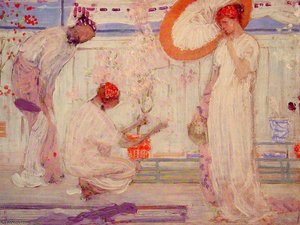
James Abbott McNeill Whistler's "The Shop – An Exterior," painted circa 1883-1885, isn’t merely a depiction of a street scene; it’s a carefully constructed meditation on light, color, and the quiet drama of everyday life. Created during Whistler’s pivotal period as an artist in London, this watercolor and pencil work embodies his core aesthetic philosophy – “art for art’s sake,” prioritizing visual harmony and tonal relationships over narrative or emotional expression. The painting captures a bustling street corner, likely in Chelsea, London, brimming with figures engaged in their daily routines: shoppers browsing storefronts, children playing, and passersby lost in thought. Yet, Whistler deliberately avoids assigning specific identities to these individuals, presenting them as fragments of an urban tapestry rather than distinct characters.
Whistler’s technique is characterized by a remarkable restraint and a masterful manipulation of color. He employs a limited palette – primarily shades of gray, brown, and muted blues and greens – creating a subtle yet powerful sense of atmosphere. Rather than striving for photographic realism, Whistler focused on capturing the *impression* of light reflecting off surfaces, particularly the shopfronts and the wet cobblestones. His brushstrokes are loose and fluid, blending seamlessly to create areas of soft gradation and diffused color. This approach, rooted in his studies of Japanese prints (which profoundly influenced his aesthetic sensibilities), prioritized tonal harmony over sharp detail. The painting’s overall effect is one of luminous tranquility—a moment suspended in time where the ordinary becomes extraordinary through Whistler's sensitive observation.
A Window into Aestheticism and Victorian London
“The Shop – An Exterior” is deeply embedded within the context of Aestheticism, a late 19th-century artistic and intellectual movement that rejected traditional values and championed beauty as an end in itself. Whistler, along with artists like Oscar Wilde and Walter Pater, sought to liberate art from moralizing narratives and elevate it to a realm of pure sensory experience. This painting reflects the aestheticist preoccupation with capturing fleeting moments of beauty and exploring the interplay between light, color, and form. It also offers a glimpse into Victorian London—a rapidly industrializing city teeming with life, commerce, and social diversity.
The scene itself is remarkably detailed for Whistler’s style. The various objects scattered across the street – chairs, benches, handbags, bicycles – are rendered with careful attention to their shapes and textures. However, these details serve not as a means of telling a story but rather as elements within a larger composition designed to create visual pleasure. The inclusion of a dog adds an element of casual charm, while the presence of children suggests a sense of youthful energy. Whistler’s deliberate choice of subjects—a humble shopfront and ordinary street life—underscores his belief that beauty could be found in the most unassuming corners of existence.
Symbolism and Emotional Resonance
While rejecting overt symbolism, “The Shop – An Exterior” is rich with subtle visual cues. The muted color palette evokes a sense of melancholy or nostalgia, suggesting a reflection on the passage of time and the ephemeral nature of beauty. The arrangement of figures—grouped loosely together yet maintaining a degree of spatial separation—creates a dynamic composition that invites the viewer to contemplate their relationships to one another and to the urban environment. The light itself is symbolic, casting long shadows and highlighting certain areas of the scene while obscuring others, adding depth and mystery to the image.
Ultimately, “The Shop – An Exterior” isn’t about depicting a specific place or event; it's about capturing a feeling—a sense of quiet contemplation amidst the bustle of urban life. Whistler invites us to slow down, observe carefully, and appreciate the beauty that can be found in the ordinary. The painting’s enduring appeal lies in its ability to evoke a powerful emotional response without resorting to explicit narrative or sentimental imagery. It remains a testament to Whistler's innovative approach to art and his unwavering commitment to “art for art’s sake.”
Considerations for Reproduction and Interior Design
Reproductions of "The Shop – An Exterior" offer a captivating addition to any interior space, bringing a touch of Victorian elegance and understated beauty. The painting's muted color palette works well in a variety of settings, complementing both warm and cool tones. Its focus on light and atmosphere makes it particularly suitable for rooms with ample natural light or those designed to evoke a sense of tranquility. The composition’s loose brushstrokes and subtle gradations create an image that is both visually engaging and remarkably calming—a perfect choice for creating a sophisticated and contemplative environment.



السيرة الذاتية للفنان
حياة فنان: عالم جيمس أبوت ماكنيل ويستلر
جيمس أبات ماكنيل ويستلر، المولود في لوويل بولاية ماساتشوستس عام ١٨٣٤، كان شخصية متناقضة باستمرار – رسام احتفى بـ "الفن من أجل الفن" خلال عصر مهووس بالسرديات الأخلاقية. شكلت حياته المبكرة، التي اتسمت بالانتقالات المتكررة بسبب مهنة والده في مجال الهندسة المدنية للسكك الحديدية، لديه شعورًا بالتكيف والتعرض لبيئات متنوعة. أثبتت فترة قصيرة وغير سعيدة في أكاديمية ويست بوينت العسكرية أنها غير مناسبة لمزاجه الفني، تلتها وظيفة مع مسح الساحل والجغرافيا الأمريكية التابع للولايات المتحدة، والتي على الرغم من تأخيرها، إلا أنها لم تخمد شغفه المتنامي بالفن. كانت هذه السنوات التكوينية تتميز بموهبة فطرية للرسم ورغبة حازمة في أن يصبح فنانًا محترفًا، وهو مسعى سيقوده في النهاية عبر المحيط الأطلسي وإلى قلب الطليعة الأوروبية. زرعت بذور تمرد ويستلر الفني مبكرًا، وتغذت بروح رفضت التوافق وتبنت الاستكشاف الجمالي قبل كل شيء.
البدايات الباريسية وتشكيل الأسلوب
جاء اللحظة المحورية في رحلة ويستلر الفنية مع انتقاله إلى باريس عام ١٨٥٥. هنا، تحت إشراف سيباستيان بوريه، صقل مهاراته في الرسم الزيتي والألوان المائية والطباعة، مستوعبًا تأثيرات الواقعية الفرنسية ومدرسة باربيزون. ومع ذلك، سرعان ما تجاوز ويستلر مجرد التقليد، وطور أسلوبًا مميزًا يتميز بالتناغمات اللونية والتأثيرات الجوية. لم يكن مهتمًا بتكرار الواقع؛ بل سعى إلى التقاط *جوهر* الأشياء، حالاتها العابرة والفروق الدقيقة الخفية. شكلت هذه الفترة تحولًا حاسمًا من الدقة التمثيلية نحو استكشاف الشكل الجمالي النقي. حتى أعماله المبكرة أشارت بالفعل إلى التوازن الرقيق بين الملاحظة والتجريد الذي سيحدد أسلوبه الناضج. في باريس بدأ ويستلر في صياغة اعتقاده بأن الفن يجب أن يُحكم عليه فقط على أساس صفاته الجمالية، بعيدًا عن القيود العقائدية أو الأخلاقية – فلسفة ستصبح حجر الزاوية في ممارسته الفنية وسمة مميزة للحركة الجمالية.
نوكتورنات وصور شخصية ومطاردة الانسجام
تجسدت رؤية ويستلر الفنية في عدة موضوعات رئيسية وخيارات أسلوبية. لقد احتضن مفهوم "الفن من أجل الفن"، ورفض السرديات المثقلة بالتعليقات الأخلاقية أو الاجتماعية. أصبح عمله تمرينًا في التقاط الفروق الدقيقة في الضوء واللون والجوي – وهو مسعى أدى إلى نوكتورناته الشهيرة. لم تكن هذه اللوحات الجوية للمشاهد الليلية، التي تصور غالبًا نهر التايمز في الليل، بمثابة تصويرات حرفية بل كانت انطباعات آسرة، ودراسات في الانسجام النغمي والمزاج. غالبًا ما استخدم لوحات محدودة وعمل فرشاة رقيق، مما يخلق إحساسًا بالجمال الأثيري والتأمل الهادئ. احتلت الصور أيضًا مكانة مركزية في ممارسته، على الرغم من أنه تعامل معها بحساسية فريدة. لم يكن ويستلر مهتمًا بالتقاط أوجه الشبه المثالية؛ بل ركز على الترتيبات الشكلية والعلاقات اللونية، وعامل شخصياته كعناصر تركيبية داخل إطار جمالي مدروس بعناية. تُظهر الأعمال مثل *ترتيب رمادي وأسود رقم ١* – المعروفة بشكل أفضل باسم *والدة ويستلر* – هذا النهج تمامًا، وتحويل صورة عائلية إلى صورة رمزية للأمومة الفيكتورية من خلال استخدامه المتقن للشكل والنغمة.
جدل وتأثير وأهمية دائمة
لم تخلُ مسيرة ويستلر من الجدل. أصبحت الدعوى القضائية الشهيرة التي رفعها ضد الناقد جون روسكين في عام ١٨٧٨، والتي اندلعت بسبب *نوكتورن باللون الأسود والذهبي – الصاروخ المتساقط*، لحظة بارزة في تاريخ الفن. دافع ويستلر بنجاح عن استقلاليته الفنية، بحجة أن لوحاته لم تكن تهدف إلى أن تكون تمثيلات واقعية بل ترتيبات جمالية للألوان والأشكال. أدت هذه القضية إلى رفع ملفه الشخصي وأشعلت مناقشات مهمة حول طبيعة نقد الفن وحرية الفنان. بصرف النظر عن هذا النزاع القانوني، امتد تأثير ويستلر على نطاق واسع. لقد استلهم بشدة من المطبوعات اليابانية (أوكيو-إيه)، والتي أثرت في مبادئه التركيبية وتأكيده على الأنماط الزخرفية، بالإضافة إلى إتقان النغمة للرسامين الإسبان مثل فلاسكيز. لقد أثرت دعوته لـ "الفن من أجل الفن" بشكل كبير على الحركة الجمالية في إنجلترا وأمريكا، ومهدت الطريق للحداثة وتحدت المفاهيم التقليدية حول غرض الفن. ترك بصمة لا تمحى على فن أمريكا، حيث ألهم أجيالًا من الفنانين لتبني مناهج فورمية واستكشاف الإمكانات التعبيرية للون والتكوين.
- أعمال بارزة: *المسبكة* (١٨٦١)، *صورة تشارلز لانغ فرير* (١٨٧٣)، *بني وذهبي: الفتاة الذهبية – كوني جيلكريست* (١٨٧٦-٧٧)، *ترتيب رمادي وأسود رقم ١ (والدة ويستلر)* (١٨٧١)، *نوكتورن باللون الأسود والذهبي – الصاروخ المتساقط* (١٨٧٥).
- تأثيرات: المطبوعات اليابانية، فلاسكيز.
توفي ويستلر في لندن عام ١٩٠٣، تاركًا وراءه أعمالًا مستمرة في جذب وإلهام. لقد رسخ التزامه الثابت بالمبادئ الفنية وسعيه الدؤوب للجمال مكانته كشخصية محورية في تاريخ الفن.

ويستلر
1834 - 1903 , الولايات المتحدة الأمريكية
حقائق سريعة
- أعمال فنية بارزة:
- ترتيب رمادي وأسود رقم 1 (صورة والدته)
- ليلة سوداء وذهبية - الصاروخ الساقط
- المدخنة
- غرفة الطاووس
- الاسم الكامل: جيمس أبوت ماكنيل ويستلر
- الجنسية: أمريكي
- الحركات أو الفنانين تأثر بهم:
- حركة الجماليات
- الواقعية الجديدة
- الحركة الفنية أو النمط: الانطباعية التونالية والجمالية
- الفنانون الذين أثروا فيه:
- فيلّاسكيز
- المطبوعات اليابانية
- تاريخ الميلاد: 10 يوليو 1834
- مكان الميلاد (مدينة وبلد): لوويل، الولايات المتحدة الأمريكية
مقالات ذات صلة

أعمال جيمس أبتون ماكنيل ويستلر الـ 25 الأكثر شهرة: تحف فنية لتزيين منزلك
اكتشف 25 تحفة فنية لجيمس أبتون ماكنيل ويستلر، رائد حركة التجميل. نوكتورن، بورتريهات أيقونية وأكثر! قصص ملهمة وتقنيات فنية رائعة لتزيين منزلك بأناقة. استكشف المجموعة الكاملة على TopImpressionists.com

Ephemeral Visions: Exploring the Artistic Legacy & Nuances of Watercolor Painting
Explore the captivating world of watercolor painting! Discover its rich history, essential techniques, influential artists & collecting tips from art experts. A comprehensive guide for enthusiasts.

Ephemeral Visions: Exploring the Artistic Legacy & Contemporary Practice of Watercolor Painting
Explore the captivating world of watercolor painting! Discover its rich history, essential techniques, influential artists & collecting tips. A comprehensive guide for art enthusiasts from TopImpressionists.

Watercolor Wonders: 10 Masterpieces That Redefined Art History | TopImpressionists
Journey through 10 legendary watercolor masterpieces by Sargent, Turner & Homer! Explore iconic landscapes, portraits & floral art that redefined history. Find museum-quality reproductions and curated decor ideas at TopImpressionists.com.

Ephemeral Visions: Exploring the History & Emotional Resonance of Watercolor Painting
Explore the captivating history of watercolor painting, from ancient techniques to modern masters like Kandinsky & Blake. Discover essential artists, collecting tips & the emotional power of this luminous medium. Expert insights for art enthusiasts.
استكشف الأعمال الفنية المصنفة حسب الموضوعات والأنماط والخصائص.


