

Shown: · With its frame:
 إرسال
إرسال مشاركة
 عرض التفاصيل
 دليل الأعمال الفنية للطلاب

 تحميل
تحميل
 قطع مشابهة
 عرض شرائح متتابع
 Q&A
Q&A الإحصائيات


E£ 14063
نسخة زيتية مصنوعة يدوياً
لوحة زيتية مرسومة يدوياً على الكانفاس بالمقاس والإطار الذي تفضله، تُنفذ حسب الطلب على أيدي فنانينا. ( التبديل إلى المطبوعات التحويل إلى الصورة الرقمية)
Size
·مقاس قياسي
مخصص
CM
INCH
اختر من بين أحجامنا المُعدّة مسبقاً والتي تتوافق مع النسب الأصلية للعمل الفني.
Loading sizes...

العرض
الارتفاع
أدخل العرض والارتفاع اللذين تحتاجهما، ليتناسب العمل مع إطارك أو جدارك. وبما أن هذه اللوحة مرسومة يدوياً، ففي حال اختيار مقاس بشكل مختلف، يمكن للفنان رسم مساحة إضافية حول الصورة أو تقليصها قليلاً — الخيار لك. سنرسل لك نموذجاً رقمياً تجريبياً لاعتماده قبل البدء في الرسم. علماً بأن الصورة المعروضة في هذه الصفحة لا تعكس النتيجة النهائية الحقيقية — فالنموذج التجريبي هو الوحيد الذي يوضح ذلك بدقة.
 اقرأ المزيد
Finish
·
White E£1

Blurside E£1

Extended E£1

P118B E£10

P118H E£10

P118W E£10

P438Z E£10

P508JH E£12

P508YH E£12

P805H E£10

P805Z E£10

P919BZ E£10

P919G E£10

P919XJ E£10

P959ZH E£10

P968JZ E£12

W106C E£8

W218G E£10

W218JH E£8

W218Y E£10

W307PJ E£10

W316G E£10

W316PJ E£8

W316Y E£10

W398PJ E£8

W4111J E£10

W500HY E£15

W500JH E£15

W692G E£12

W849H E£8

W940BG E£15

W953PJ E£8

H24-GOLD E£30

H24-SILVER E£30

H36-GOLD E£45

H36-SILVER E£45
Shipped in a protective tube, ready for your own framer.
Above 105 cm the frame is shipped as a kit for a professional framer — read the details.
Extras
optionalWhat do the extras include?
Examples of what can be changed: Replace face with customer photo; Add pet (e.g., replace cat with dog); Include hidden message in background; Change background landscape or elements.
After order, TopImpressionists.com team will email client for instructions and provide a mockup preview
After order, TopImpressionists.com team will email client for instructions and provide a mockup preview
توصيل عالمي إلى خلال 3 إلى 4 أسابيع بدلاً من المدة المعتادة البالغة 5 أسابيع. (30 أكتوبر). جودة لا تهاون فيها.
ورنيش حماية
لوحة التعريف
تفاصيل اللوحة البرونزية المحفورة
This elegant plaque features the artist's name and the title of the artwork, finely engraved for a timeless presentation.
It is made from bronze with a refined, elegant finish. The text is precisely laser-engraved for a sharp and permanent result. Measuring 9x2 cm, the plaque is compact yet easy to read. It's built to be durable and scratch-resistant, offering a professional, museum-quality look. Mounting is simple thanks to the included adhesive backing.
تفاصيل اللوحة الأكريليكية الشفافة
The plaque includes essential engraved details such as the artist's name, the title of the artwork, the date it was created, the type of media used-like oil on canvas or watercolor-a brief description of the piece, and a QR code that links to the complete artwork information.
It is crafted from clear acrylic, offering a sleek, modern appearance. The text is UV-engraved in black to ensure strong visual contrast. With a size of 10x15 cm, it ensures optimal readability. It comes equipped with two metal hooks for secure wall mounting. The plaque is designed to be weather-resistant, making it suitable for various environments, and it includes interactive features that work seamlessly with smartphone scanning.
تفاصيل اللوحة الأكريليكية السوداء
This elegant plaque includes engraved information such as the artist's name, the title of the artwork, the date it was created, the type of media used (like oil on canvas or watercolor), a short description of the artwork, and a QR code for quick access to more information.
The plaque itself is made from refined black acrylic with a premium finish. The text is laser-engraved in white for high contrast and readability. Its size is 10x15 cm, designed to be easy to read. It comes with two metal hooks for professional mounting. The design is sleek and fits any interior style. It is also weather-resistant and durable, with built-in digital integration for mobile compatibility.
خيار الزجاج متاح فقط للمقاسات التي تقل عن 110 سم
 خيار الزجاج متاح فقط للمقاسات التي تقل عن 110 سم
- شحن سريع ومجاني لجميع أنحاء العالم
- قماش كتان فاخر
- تأمين شامل على الشحن
- ضمان استرداد الرسوم الجمركية
- ضمان دقة مطابقة الألوان
- سياسة الإرجاع خلال 100 يوم (في حالات العيوب فقط)
- ضمان استرداد نقدي بنسبة 100%
- عرض خصم الكميات


وصف المقتنيات
Explore 'For Humanity Obverse,' a poignant bronze medal commemorating WWI efforts by James Earle Fraser. Featuring a soldier and landscape, it reflects the era's humanitarian spirit & artistic mastery.
نبذة عن الفنان
اكتشف أعمال جيمس إيرل فراسر الرائعة، بما في ذلك منحوتة "نهاية الطريق" الشهيرة وعملة البوفالو النحاسية المميزة. استكشف أسلوبه الواقعي وإرثه في تجسيد روح الغرب الأمريكي وتاريخه.
About the painting
The Weight of Remembrance: James Earle Fraser’s “For Humanity Obverse”
James Earle Fraser's "For Humanity Obverse," a bronze medal commemorating the efforts during World War I, transcends mere commemorative function. It stands as a poignant testament to sacrifice, resilience, and the enduring human spirit in the face of conflict. Crafted by one of America’s most celebrated sculptors, Fraser masterfully captures a pivotal moment – a line of soldiers advancing with resolute determination – within a meticulously detailed bronze surface that speaks volumes about both the era and the artist's profound understanding of form and emotion.
The medal’s design immediately draws the eye to the central figure: a soldier, rendered in profile, carrying his rifle over his shoulder. His posture is one of unwavering commitment, yet there’s an underlying tension, a suggestion of the immense burden he carries. To his left, crossed swords – a potent symbol of battle and conflict – are subtly integrated, reminding us of the brutal realities that fueled this humanitarian effort. Below him, a landscape of rolling hills or mountains provides a grounding element, anchoring the scene in a tangible reality while simultaneously hinting at the vastness of the war’s impact. The weathered patina of the bronze itself contributes significantly to the piece's narrative; it whispers tales of time and exposure, lending an air of authenticity and historical weight.
A Sculptor Forged by the West
James Earle Fraser’s artistic journey was deeply intertwined with the American West. Born in Minnesota and raised amidst frontier life, he developed a unique perspective shaped by his family's history – his father an engineer involved in recovering remains from Little Bighorn, and his mother tracing her lineage back to the Pilgrims. This formative experience instilled within him a profound appreciation for both the rugged beauty of the landscape and the complexities of American identity. Fraser’s early exposure to Native American culture further enriched his artistic sensibilities, informing his approach to depicting human figures with sensitivity and respect.
His training in Paris provided him with invaluable exposure to European artistic traditions, particularly classical sculpture, which he skillfully integrated into his own distinctive style. Fraser's work is characterized by a remarkable realism, achieved through painstaking attention to detail – the folds of the soldier’s uniform, the texture of the landscape, and the subtle nuances of expression on the figure’s face. This commitment to accuracy, combined with an intuitive understanding of human psychology, elevates “For Humanity Obverse” beyond a simple commemorative medal; it becomes a powerful visual narrative.
Symbolism and Historical Context
The inscription "FOR HUMANITY" boldly declares the medal’s purpose – a recognition of those who dedicated themselves to humanitarian efforts during World War I. However, the image itself carries deeper symbolic weight. The advancing soldiers represent not just military strength but also courage, sacrifice, and unwavering resolve. The crossed swords serve as a reminder of the conflict that necessitated these actions, while the landscape symbolizes the world being shaped by war’s consequences.
Created in 1918, during the height of the Great War, “For Humanity Obverse” reflects the nation's collective response to a global crisis. It was commissioned as part of a series of medals recognizing individuals and organizations involved in humanitarian work – efforts ranging from medical care to refugee assistance. The medal’s design embodies the spirit of patriotism and service that defined America’s wartime experience, capturing both the solemnity of loss and the unwavering hope for a better future.
A Legacy in Bronze
James Earle Fraser's "For Humanity Obverse" remains a significant work of American art. Beyond its historical context, it stands as a testament to the artist’s skill, vision, and profound understanding of human nature. The medal’s enduring appeal lies not only in its technical brilliance but also in its ability to evoke powerful emotions – empathy, respect, and a sense of shared humanity. Reproductions of this remarkable bronze piece offer a tangible connection to a pivotal moment in history, allowing us to contemplate the sacrifices made by those who fought for peace and justice.
الأسئلة والأجوبة
ما مدى شهرة "For Humanity Obverse" ضمن حركة American Realism؟
تُصنف "For Humanity Obverse" للفنان جيمس إيرل فرازر ضمن فئة Recognized وتنتمي إلى حركة American Realism.
من الذي أبدع "For Humanity Obverse" وفي أي عام؟
أبدع جيمس إيرل فرازر لوحة "For Humanity Obverse" في عام 1918.
ما هي الغرفة المقترحة لعرض "For Humanity Obverse"، مع مراعاة لوحة ألوانه؟
بفضل لوحة ألوانه التي تتميز بـ Neutrals، يُنصح بوضع "For Humanity Obverse" للفنان جيمس إيرل فرازر في Living Room؛ حيث تُعد الألوان أحد الأسباب وراء هذا الاقتراح.
Quick facts and art quiz
About جيمس إيرل فرازر
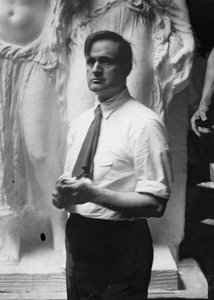
جيمس إيرل فرازر
1876 - 1953, الولايات المتحدة الأمريكية
نبذة عن الفنان
حياة منحوتة في قلب الغرب الأمريكي
جيمس إيرل فرازر، المولود في وينونا بولاية مينيسوتا عام 1876، كان فنانًا ارتبطت حياته وعمله ارتباطًا وثيقًا بروح الغرب الأمريكي. قصته ليست مجرد قصة موهبة فنية، بل هي سردية منسوجة بخيوط الخبرات الحدودية والإرث العائلي والتقدير العميق لثقافة السكان الأصليين. كان والد فرازر، توماس ألكساندر فرازر، مهندسًا للسكك الحديدية لعب دورًا مؤثرًا في استعادة بقايا معركة ليttle Bighorn – وهو حدث ألقى بظلاله على خيال جيمس الشاب. هذا التعرض المبكر لواقع التوسع غربًا، جنبًا إلى جنب مع نسب والدته الذي يعود إلى الحجاج البيوريتانيين، غرسا فيه فهمًا معقدًا لهوية أمريكا المتطورة. عزز انتقال العائلة إلى ميتشل بولاية ساوث داكوتا عندما كان فرازر يبلغ من العمر أربع سنوات فقط هذا الارتباط؛ فقد نشأ غارقًا في الحياة الحدودية، وصادق أطفال السكان الأصليين وتعلم طرقهم، وهي تجارب شكلت رؤيته الفنية بعمق. حتى في طفولته المبكرة، ظهر موهبة فطرية – بدأ في نحت تماثيل من ألواح الحجر الجيري التي وجدها بالقرب من منزله، مما بشر بالأعمال الضخمة التي ستحدد مسيرته المهنية لاحقًا.
من باريس إلى سان-غودين: تشكيل الهوية الفنية
بدأت الرحلة الفنية الرسمية لفرازر في معهد الفنون في شيكاغو عام 1890، لكن دراساته اللاحقة في باريس – في مدارس École des Beaux Arts و Académie Julian المرموقة – هي التي صقلت مهاراته حقًا. خلال هذه الفترة استوعب تأثيرات حركة الانطباعية، وتعلم التقاط اللحظات العابرة والفروق الدقيقة للضوء والظل. ومع ذلك، ربما كانت نقطة التحول الأكثر أهمية هي إرشاد أوغسطس سان-غودينز، وهو شخصية بارزة في النحت الأمريكي. أثبت العمل كمساعد لسان-غودينز أنه لا يقدر بثمن، حيث زود فرازر ليس فقط بالخبرة التقنية ولكن أيضًا بفهم التصميم الضخم وقوة التمثيل الرمزي. غرس هذا التدريب فيه تفانيًا في الواقعية جنبًا إلى جنب مع حساسية للشكل ستصبح من أبرز سمات أسلوبه. عاد إلى أمريكا مفعمًا بالتدريب الأوروبي، ولكنه ملتزم بعمق بتصوير الموضوعات الأمريكية الفريدة – وخاصة تلك المتجذرة في تاريخ الغرب ومناظره الطبيعية. بدأ فرازر أيضًا في التدريس في رابطة طلاب الفنون في مدينة نيويورك عام 1906، وأصبح لاحقًا مديرها، وشارك بسخاء معرفته وشغفه بالنحت مع جيل جديد من الفنانين. امتدت روحه التعاونية إلى حياته الشخصية أيضًا؛ فقد أثمر زواجه من زميلة النحاتة لورا غاردن فرازر عن العديد من المشاريع المشتركة، بما في ذلك عملة Oregon Trail Memorial النصف دولار.
أشكال أيقونية: ‘End of the Trail’ وعملة البوفالو
يرتكز الإرث الفني لجيمس إيرل فرازر على عملين أيقونيين بشكل خاص: *End of the Trail* وعملة البوفالو. لا يزال *End of the Trail*، الذي تم تصوره في الأصل عام 1894 ولكن اكتسب بروزًا في معرض باناما باسيفيك الدولي عام 1915، تصويرًا مؤثرًا لسكان أمريكيين أصليين متعبين على ظهور الخيل – وهو رمز قوي لتراجع ثقافتهم وأسلوب حياتهم. لا تكمن القوة العاطفية للنحت في موضوعه فحسب، بل أيضًا في تجسيد فرازر المتقن للإرهاق والاستسلام. إنه تعليق مؤثر على عواقب التوسع غربًا وتهجير السكان الأصليين. وفي الوقت نفسه، عزز تصميمه لعملة البوفالو (المعروفة رسميًا باسم عملة Indian Head nickel)، التي تم تقديمها عام 1913، مكانته في الثقافة الشعبية الأمريكية. تتميز العملة بصورة مهيبة لسكان أمريكيين أصليين وقبسون أمريكي، وقد أشاد بها لتميزها الفني ولا تزال واحدة من أكثر العملات المعدنية المحبوبة والمعروفة في تاريخ الولايات المتحدة. لم تكن عملة البوفالو مجرد عملة؛ لقد كانت عملاً فنيًا مصغرًا يلتقط جوهر الغرب الأمريكي للملايين.
إرث نحتي بالحجر والبرونز
بعيدًا عن هذه الأعمال الشهيرة، ترك فرازر بصمة لا تمحى على المشهد المعماري لواشنطن العاصمة. تساهم مساهماته في الهياكل الأيقونية مثل المحكمة العليا – مع منحوتات تمثل *سلطة القانون* و *تأمل العدالة* – والأرشيف الوطني ومبنى الخزانة والتمثال التذكاري لجفرسون، تثبت قدرته على ترجمة الأفكار المعقدة إلى أشكال ضخمة. هذه الأعمال ليست مجرد عناصر زخرفية؛ إنها مكونات لا تتجزأ من البرامج الرمزية لهذه المباني، مما يعزز معناها وعظمتها. كما قام بإنشاء تصميمات ميداليات مهمة، بما في ذلك *For Humanity Obverse* (1918) و *Comité américain pour les régions dévastées de la France* (1919)، مما يدل على تنوعه كفنان. لم تقتصر منحوتاته على المساحات العامة الكبيرة؛ فقد أنتج أيضًا تماثيل نصفية وأعمالًا أصغر تكشف عن عين حادة للتفاصيل وحساسية للعاطفة الإنسانية.
أهمية دائمة: صوت الغرب الأمريكي
يمتد إرث جيمس إيرل فرازر إلى ما هو أبعد من أعماله الفنية الفردية. لقد التقط روح – المنتصرة والمأساوية – للغرب الأمريكي، وقدم تصويرًا دقيقًا لتاريخه وشعبه. كان عمله بمثابة نقيض للتصويرات الرومانسية للحياة الحدودية، معترفًا بالتعقيدات وعواقب التوسع غربًا. تظل عملة البوفالو مثالاً يحتفل به على الإنجاز الفني في تصميم العملات المعدنية، مما أثر على الأعمال النقدية اللاحقة وأثبت قوة الفن في تشكيل الهوية الوطنية. تستمر منحوتات فرازر في إلهام الفنانين والمؤرخين اليوم، وتذكرنا بقوة بتاريخ أمريكا وحوارها الثقافي المستمر. تلقى العديد من الجوائز طوال حياته المهنية، بما في ذلك ميدالية سالتوس من جمعية Numismatic الأمريكية والميدالية الذهبية من المعهد الوطني للفنون والآداب، مما عزز مكانته بين أهم النحاتين في جيله. أعماله جزء لا يتجزأ من العديد من الهياكل الأكثر شهرة في واشنطن العاصمة، مما يضمن استمرار رؤيته الفنية في الرنين للأجيال القادمة. لقد كان نحاتًا لم يخلق فنًا فحسب؛ لقد نحت ذاكرة دائمة لعصر.
Quick facts about جيمس إيرل فرازر
- الأعمال البارزة:
- نهاية الدرب
- عملة البيسون
- الاسم الكامل: جيمس إيرل فراسر
- الجنسية: أمريكي
- الحركة الفنية: واقعية، انطباعية
- الفنانون المؤثرون: ['أوغسطس سانت-غودينز']
- الفنانون المتأثرون: ['فن العملات']
- تاريخ الميلاد: 4 نوفمبر 1876
- مكان الميلاد: وينونا، الولايات المتحدة

جيمس إيرل فرازر
For Humanity Obverse
() ·
With its frame: · Hand-painted in oil on linen
Total