


 معاينة الحجم الواقعي
 إرسال
إرسال مشاركة
 عرض التفاصيل
 دليل الأعمال الفنية للطلاب

 تحميل
تحميل
 قطع مشابهة
 الأشعة السينية
 عرض شرائح متتابع
 الإحصائيات
Borderland

Discover "Borderland" by James Paterson – a stunning Impressionistic landscape of rural Scotland. Explore loose brushstrokes & serene beauty. Hand-painted reproduction available.
James Paterson (1854-1932) was a Scottish landscape painter & Glasgow Boy known for vibrant depictions of Dumfriesshire, Ayrshire & Edinburgh. Explore his Impressionistic style and connection to the Scottish art movement.
 اقرأ المزيد
نسخة زيتية مصنوعة يدوياً
لوحة زيتية مرسومة يدوياً على الكانفاس بالمقاس والإطار الذي تفضله، تُنفذ حسب الطلب على أيدي فنانينا. ( التبديل إلى المطبوعات التحويل إلى الصورة الرقمية)




P118B E£10

P118H E£10

P118W E£10

P438Z E£10

P508JH E£12

P508YH E£12

P805H E£10

P805Z E£10

P919BZ E£10

P919G E£10

P919XJ E£10

P959ZH E£10

P968JZ E£12

W106C E£8

W218G E£10

W218JH E£8

W218Y E£10

W307PJ E£10

W316G E£10

W316PJ E£8

W316Y E£10

W398PJ E£8

W4111J E£10

W500HY E£15

W500JH E£15

W692G E£12

W849H E£8

W940BG E£15

W953PJ E£8




مقاس قياسي
مخصص
CM
INCH
اختر من بين أحجامنا المُعدّة مسبقاً والتي تتوافق مع النسب الأصلية للعمل الفني.
Loading sizes...

العرض
الارتفاع
يمكنك إدخال أبعاد خاصة لتناسب إطاراً أو مساحة معينة. وفي حال عدم تطابق الحجم المختار مع نسب الصورة الأصلية، سنقوم إما بقص العمل الفني أو توسيع اللوحة عبر إضافة عناصر مرسومة يدوياً. وسيتم إرسال نموذج رقمي إليك للموافقة عليه قبل بدء عملية الإنتاج.
يرجى ملاحظة أن المعاينة على الشاشة لا تعكس عملية القص أو التوسيع الفعلية؛ إذ إن النموذج الرقمي هو الوحيد الذي يوضح التكوين النهائي بدقة.
وعلى الرغم من توفر أحجام مخصصة، إلا أننا نوصي باختيار أبعاد من القائمة المحددة مسبقاً للحفاظ على النسب الأصلية للعمل الفني.
أمثلة على التعديلات الممكنة: استبدال الوجه بصورة العميل؛ إضافة حيوان أليف (مثل استبدال قطة بكلب)؛ تضمين رسالة مخفية في الخلفية؛ تغيير المناظر الطبيعية أو العناصر في الخلفية.
بعد إتمام الطلب، سيرسل فريق TopImpressionists.com بريداً إلكترونياً للعميل لطلب التعليمات وتزويده بمعاينة تجريبية (mockup).
بعد إتمام الطلب، سيرسل فريق TopImpressionists.com بريداً إلكترونياً للعميل لطلب التعليمات وتزويده بمعاينة تجريبية (mockup).
توصيل عالمي إلى خلال 3 إلى 4 أسابيع بدلاً من المدة المعتادة البالغة 5 أسابيع. (11 أكتوبر). جودة لا تهاون فيها.

شحن سريع ومجاني لجميع أنحاء العالم

قماش كتان فاخر

تأمين شامل على الشحن

ضمان استرداد الرسوم الجمركية

ضمان دقة مطابقة الألوان

سياسة الإرجاع خلال 100 يوم (في حالات العيوب فقط)

ضمان استرداد نقدي بنسبة 100%

عرض خصم الكميات
 خيار الزجاج متاح فقط للمقاسات التي تقل عن 110 سم

Borderland
وسيط إعادة الإنتاج
مقاس النسخة المطبوعة
-


إجمالي السعر
E£ 13811
أعمال فنية مشابهة


نبذة عن الفنان
James Paterson: A Highland Visionary
James Paterson (1854-1932) stands as a pivotal figure in late 19th and early 20th century Scottish landscape painting, a master of capturing the elusive beauty and dramatic light of Dumfriesshire, Ayrshire, and Edinburgh. Often categorized within the influential ‘Glasgow Boys’ movement – though his style possessed a distinct lyricism separate from their more overtly modern tendencies – Paterson dedicated over two decades to meticulously observing and translating the rugged landscapes of southwestern Scotland. His work isn't merely depictions of scenery; it’s an intimate dialogue with the land, imbued with a deep sense of place and a profound appreciation for the subtleties of colour and atmosphere. Born in Glasgow into a family steeped in industry – his father a successful muslin manufacturer – Paterson’s artistic inclinations were nurtured by a lineage that valued both commerce and creative expression.
Paterson's early life was shaped by an unusual blend of practicality and artistic pursuit. Following a brief foray into the family business, he embraced art with unwavering dedication, enrolling at the Glasgow School of Art under the tutelage of Robert Greenlees. This foundational training provided him with essential technical skills, but it was his subsequent sojourn in Paris – studying under Louis Jacquesson de la Chevreuse and Jean-Paul Laurens – that truly ignited his artistic vision. These Parisian influences introduced him to the Impressionistic techniques of capturing fleeting moments of light and colour, a departure from the more academic styles prevalent at the time. He returned to Scotland with a renewed sense of purpose and a commitment to painting *en plein air*, directly observing and recording the natural world.
The Moniaive Years: A Highland Sanctuary
The period between 1884 and 1905, spent in the village of Moniaive, Dumfriesshire, represents the apex of Paterson’s artistic career. Following his marriage to Eliza Grier Ferguson – a wedding gift being a charming cottage overlooking the Nith Valley – he established a home that would become both his studio and sanctuary. This idyllic setting profoundly shaped his work, as he spent countless hours immersed in the surrounding landscape, meticulously documenting its ever-changing moods. The rugged hills of Nithsdale, the dramatic coastline of Solway Firth, and the meandering rivers became the subjects of his most celebrated paintings.
Kilneiss, the cottage commissioned by his father, Andrew Paterson, served as a crucial element in this period. Designed by Glasgow architects Sir John James Burnet and Alexander Nisbet Paterson – family members who further nurtured his artistic pursuits – it provided a stable base while simultaneously fostering a deep connection to the land. The house itself became an integral part of his creative process, offering a comfortable space for reflection and inspiration. It’s within these walls that he developed his distinctive style, characterized by its luminous colours, atmospheric perspective, and subtle nuances of light. His paintings during this time are not simply representations of landscapes; they're imbued with a sense of quiet contemplation and profound connection to the natural world.
The Glasgow Boys and Artistic Circles
Paterson’s artistic journey was inextricably linked to the vibrant art scene that flourished in Glasgow at the end of the 19th century. He became associated with a group of artists known collectively as ‘The Glasgow Boys,’ including Sir James Guthrie, E. A. Walton, W. Y. McGregor, and E. A. Hornel. While sharing a common interest in capturing contemporary life and landscapes, each artist possessed a unique style and approach. Paterson’s work, however, distinguished itself through its meticulous observation of light and colour, often prioritizing atmospheric effects over direct representation.
His friendships with these fellow artists fostered a spirit of collaboration and mutual inspiration. They regularly exhibited together, sharing ideas and pushing the boundaries of artistic expression. The Glasgow Boys’ collective challenged the prevailing academic traditions of the time, advocating for a more subjective and expressive approach to art. Paterson's commitment to capturing the ephemeral qualities of light and colour aligned perfectly with this movement’s ethos, solidifying his place within its influential circle.
Legacy and Recognition
Following his relocation to Edinburgh in 1906 – prompted by his wife’s death in 1910 – Paterson continued to paint prolifically, embracing public responsibilities and assuming leadership roles within the Scottish art community. He was elected to the Royal Scottish Society of Painters in Watercolour (RSW) in 1885, became an associate member of the Royal Scottish Academy (ARSA) in 1896, and received full membership of the Royal Scottish Academy (RSA) in 1910. His contributions extended beyond his own artistic practice; he served as President of the RSW from 1922 to 1932 and held positions as Librarian and Secretary within the RSA.
James Paterson’s legacy endures through his evocative paintings, which continue to captivate viewers with their luminous colours, atmospheric depth, and profound sense of place. His work is now housed in prominent collections across Scotland, including the National Galleries of Scotland and the Glasgow Art Gallery. The James Paterson Museum Archive, located in Moniaive, offers a unique glimpse into the artist’s life and creative process, preserving his photographs, correspondence, and personal belongings for future generations to appreciate.

James Paterson
1854 - 1932
لمحة سريعة
- Full Name: James Paterson PRSW RSA RWS
- Nationality: Scottish
- Date Of Birth: 1854
- Date Of Death: 1932
- Place Of Birth: Glasgow, Scotland
- Notable Artworks:
- The German Fleet
- Pool in Craigdarroch Glen
- Autumn in Glencairn
- Artistic Movement Or Style: Impressionism, Scottish landscape
- Artists Who Influenced This Artist:
- Robert Greenlees
- Louis Jacquesson de la Chevreuse
- Jean-Paul Laurens
- Artists Or Movements Influenced By This Artist:
- Glasgow Boys
- Scottish art movement
مقالات ذات صلة

Capturing the Soul: The Most Emotionally Moving Impressionist and Post-Impressionist Masterpieces
Discover the profound emotional depth of Impressionist and Post-Impressionist masterpieces. Explore how legends like Monet, Van Gogh, and Gauguin captured light and soul through evocative landscapes and vibrant brushwork for a timeless connection to art history.

Beyond the Light: Capturing Raw Emotion and Subjective Vision in Post-Impressionist Landscapes
Explore the profound emotional depth of Post-Impressionist landscapes. Discover how masters like Van Gogh moved beyond light to capture raw human feeling through vibrant color and expressive texture in this expert art history retrospective.

Pastoral Grace: Discovering the Soulful Beauty of Cattle in Impressionist Masterpieces
Discover the soulful beauty of cattle in Impressionist masterpieces. TopImpressionists.com offers exquisite, hand-painted oil reproductions that capture the ephemeral light and pastoral charm of the masters. Experience museum-quality artistry delivered to your sanctuary.
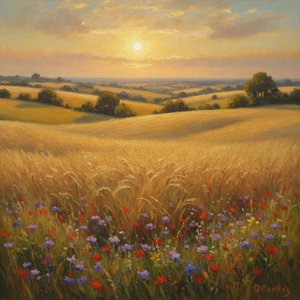
Golden Fields & Sun-Drenched Meadows: Capturing the Soul of Impressionist Landscapes
Immerse yourself in the luminous world of Impressionist landscapes. Discover how masters like Monet and Gauguin captured ephemeral light through plein air painting, and learn to bring the soul of sun-drenched meadows into your home with exquisite, hand-painted oil reproductions.

The Beauty of Impermanence: Capturing Decay through Impressionist Eyes
Explore the profound beauty of impermanence through Impressionist and Post-Impressionist eyes. Discover how masters like Monet and Van Gogh captured fleeting light and the poetic essence of nature's transitions in our deep dive into art history and emotional landscapes.