

 معاينة الحجم الواقعي
 مشاركة
 مشاركة
 التفاصيل
 دليل
دليل

 تحميل الملف
 قطع مشابهة
 الأشعة السينية
 عرض شرائح
 الأسئلة والأجوبة
 الإحصائيات
Vase with Flowers

- 475.0 x 356.0 cm


Admire Jan van Huysum’s 1726 watercolor 'Vase with Flowers,' a quintessential Rococo still life. Delicate blooms & graceful lines evoke beauty & transience. Explore this masterpiece!
 عرض المزيد
يان فان هويسوم (1682-1749): اكتشف روائع الحياة الصامتة الهولندية للزهور والفواكه لهذا الفنان البارز من العصر الذهبي، والمعروف بتفاصيله الدقيقة وأناقته. أعماله في المتاحف العالمية.
طباعة جيلي / مطبوعات فنية
طباعة جيكلي أو كانفاس بجودة المتاحف، مع سرعة في التنفيذ وخيارات متنوعة للتشطيب. ( شراء لوحة مرسومة يدويًا الانتقال إلى الصورة الرقمية)




P118B E£10

P118H E£10

P118W E£10

P438Z E£10

P508JH E£12

P508YH E£12

P805H E£10

P805Z E£10

P919BZ E£10

P919G E£10

P919XJ E£10

P959ZH E£10

P968JZ E£12

W106C E£8

W218G E£10

W218JH E£8

W218Y E£10

W307PJ E£10

W316G E£10

W316PJ E£8

W316Y E£10

W398PJ E£8

W4111J E£10

W500HY E£15

W500JH E£15

W692G E£12

W849H E£8

W940BG E£15

W953PJ E£8




قياسي
حسب الطلب
CM
INCH
اختر من بين أحجامنا المُعدّة مسبقاً والتي تتوافق مع النسب الأصلية للعمل الفني.
Loading sizes...

العرض
الارتفاع
أدخل العرض والارتفاع المطلوبين ليتناسب المقاس مع إطارك أو جدارك. يرجى الملاحظة أن المطبوعة يمكن قصها فقط ولا يمكن تكبيرها لتتجاوز أبعاد الصورة الأصلية، لذا فإن اختيار مقاس بأبعاد مختلفة سيؤدي إلى فقدان جزء من الصورة. سنرسل لك نموذجاً رقمياً تجريبياً لاعتماده قبل البدء في عملية الطباعة. الصورة المعروضة في هذه الصفحة لا توضح شكل القص الفعلي — النموذج التجريبي فقط هو ما يظهر ذلك بدقة.
توصيل عالمي إلى خلال أسبوعين بدلاً من المدة القياسية البالغة 4/5 أسابيع. (3 نوفمبر)

شحن سريع ومجاني لجميع أنحاء العالم

قماش كتان عالي الجودة

تأمين شامل على الشحن

ضمان استرداد الرسوم الجمركية

ضمان مطابقة الألوان الحقيقية

سياسة الإرجاع خلال 100 يوم (في حالات العيوب فقط)

ضمان استرداد نقدي بنسبة 100%

خصم عند طلب كميات
 خيار الزجاج متاح فقط للمقاسات التي تقل عن 110 سم

Vase with Flowers
طباعة جيلي / مطبوعات فنية
مقاس النسخة المطبوعة
-


إجمالي السعر النهائي
E£ 3669
A Moment Frozen in Time: Jan van Huysum’s “Vase with Flowers”
Jan van Huysum's "Vase with Flowers," painted in 1726, isn’t merely a depiction of botanical beauty; it’s a carefully constructed tableau brimming with the elegance and subtle melancholy characteristic of Rococo art. This exquisite watercolor on paper transports us to a world where nature’s fleeting grace is captured with astonishing precision and imbued with a poignant sense of transience. The painting immediately draws the eye to its central subject: an ornate vase overflowing with a vibrant assortment of blossoms – roses, irises, and delicate sprigs of greenery—a testament to the artist's meticulous observation and mastery of color.
The composition itself is a study in controlled asymmetry, mirroring the Rococo preference for balanced disorder. The vertical orientation emphasizes the vase’s presence, while the blurred background, hinting at drapery and foliage, creates an atmospheric depth that suggests an outdoor setting—perhaps a sun-drenched terrace or a secluded garden. Van Huysum's brushwork is remarkably loose and expressive, eschewing rigid detail in favor of capturing the essence of each flower’s form. Notice how he uses short, broken strokes to define petal edges, creating a sense of movement and vitality that belies the painting’s static nature. The layering of washes—a technique perfected over years of practice—builds up color gradually, resulting in a luminous quality that seems to emanate from within the artwork itself.
The Rococo Palette: Color, Light, and Emotion
“Vase with Flowers” is a quintessential example of the Rococo style’s emphasis on light, color, and emotional resonance. Van Huysum expertly employs a delicate palette dominated by soft pinks, blues, greens, and yellows—colors associated with springtime and renewal. The use of diffused lighting contributes significantly to the painting's melancholic atmosphere. Shadows are subtle yet present, adding depth and dimension while simultaneously hinting at the ephemeral nature of beauty. The artist’s skillful manipulation of color creates a sense of intimacy, drawing the viewer into this miniature world of floral delight.
Beyond mere representation, Van Huysum imbues his work with symbolic meaning. Flowers have long been associated with themes of love, loss, and mortality—concepts central to Rococo thought. The abundance of blossoms suggests a celebration of life’s fleeting pleasures, while their delicate beauty serves as a poignant reminder of their inevitable decay. The arrangement itself feels carefully considered, almost like a still-life meditation on the cycle of nature.
A Master's Legacy: Jan van Huysum and His Contemporaries
Jan van Huysum’s reputation as one of the greatest flower painters of his era is richly deserved. He was part of a distinguished family of artists, each contributing to the flourishing tradition of Dutch botanical painting during the Golden Age. His work stands apart due to his incredible attention to detail and his ability to capture not just the appearance but also the *feeling* of flowers—their delicate texture, their subtle fragrance (as he famously claimed). He was a contemporary of Rachel Ruysch, another celebrated flower painter, and his techniques were greatly influenced by her. His legacy continues to inspire artists today, demonstrating the enduring appeal of capturing nature’s beauty with such exquisite skill.
Bringing “Vase with Flowers” Home: Reproduction and Artistic Inspiration
Reproductions of "Vase with Flowers" offer a remarkable opportunity to bring this timeless masterpiece into your home or office. The intricate detail and luminous quality of the original are faithfully reproduced in high-resolution prints, allowing you to appreciate Van Huysum’s artistry from up close. Whether displayed as a focal point on a gallery wall or incorporated into a larger interior design scheme, this painting will undoubtedly add a touch of elegance, serenity, and artistic sophistication to any space. Consider how the painting's delicate color palette and evocative composition can complement your existing décor, creating a harmonious and visually stimulating environment.
الأسئلة والأجوبة
هل يُعد "Vase with Flowers" أحد أكثر أعمال يان فان هويسوم رواجاً؟
تُصنف لوحة "Vase with Flowers" على أنها Recognized.
هل يتوفر "Vase with Flowers" كنسخة مطبوعة فنية فاخرة؟
للحصول على نسخة مطبوعة من "Vase with Flowers" للفنان يان فان هويسوم، ما عليك سوى طلبها عبر صفحة مطبوعة فنية فاخرة الخاصة بها: مطبوعة فنية فاخرة على قماش قطني أو ورق كانفاس أرشيفي.
ما هو حجم الطباعة المناسب لـ "Vase with Flowers" للفنان يان فان هويسوم في الغرفة الموصى بها؟
في Living Room، يُقترح طباعة "Vase with Flowers" بحجم Medium.
السيرة الذاتية للفنان
إرث الزهور: حياة وفن يان فان هويسوم
يان فان هويسوم، اسم مرادف للوحات الزهور الرائعة للعصر الذهبي الهولندي، ولد في أمستردام في 15 أبريل 1682. لم يكن مجرد رسام للأزهار؛ بل كان سيدًا في الوهم، قادرًا على تجسيد البتلات والقطرات بدقة مذهلة لدرجة أن المشاهدين شعروا وكأنهم يستطيعون استنشاق عطرها. ولد يان في أسرة فنية—كان والده، جوستوس فان هويسوم الأكبر، رسام زهور محترمًا أيضًا، وتبعه إخوته يعقوب وميخيل. بدا مساره محددًا مسبقًا. ومع ذلك، لم يكن منجذبًا على الفور إلى الموضوعات الزهرية. في بداية حياته المهنية، جرب المناظر الطبيعية، التي وصفت بأنها "تقليدية وأركادية"، ولكن في عالم الحياة الصامتة الدقيق وجد عبقريته الحقيقية.
وضع والده الأساس لتعليم يان الفني، وهي تجربة محورية غرست فيه ليس فقط المهارات التقنية ولكن أيضًا فهم سوق الفن. ازدهرت أمستردام خلال هذه الفترة كمركز للتجارة والثقافة، مما عزز الطلب على اللوحات الفاخرة والزخرفية مثل تلك التي تصور الترتيبات الزهرية الباذخة. أثر هذا البيئة في نهج فان هويسوم؛ لم يكن ببساطة يكرر الطبيعة، بل يصنع رؤى مثالية للجمال تهدف إلى إرضاء وإبهار. عمله المؤرخ الأول، الذي تم الانتهاء منه عام 1717 ويقع الآن في متحف اللوفر، يكشف بالفعل عن نضج ملحوظ واهتمام بالتفاصيل، مما يشير إلى الإتقان الذي كان سيأتي.
فن التفصيل: التقنية والأسلوب
ما يميز فان هويسوم حقًا هو تقنيته التي لا مثيل لها. استخدم ضربات فرشاة ناعمة ولامعة، وبنى طبقات من الطلاء لإنشاء سطح يشبه المينا تقريبًا مما عزز ثراء وألوانه النابضة بالحياة. لكن الأمر لم يتعلق باللون فحسب؛ بل يتعلق بالضوء—الطريقة التي لعب بها على البتلات، وأضاء قطرات الماء المتشبثة بالأوراق، وخلق إحساسًا بالعمق والحجم. كان لديه عين غير عادية للتفاصيل، حيث التقط بدقة نسيج كل زهرة وفاكهة وورقة بدقة مذهلة. انتشرت القصص التي تقول إنه يمكنه رسم تفاصيل مثل النمل وقطرات الندى بواقعية لدرجة أنها مرئية دون تضخيم—وهي شهادة على تفانيه ومهارته.
تتميز تركيبات فان هويسوم بالرقي والتوازن. على عكس بعض معاصريه الذين فضلوا الترتيبات المزدحمة والمتدفقة، تجنب باستمرار عدم التوازن أو التركيب الزائد. أصبحت أعماله اللاحقة أكثر تفصيلاً بالتأكيد، ولكنها حافظت دائمًا على إحساس بالانسجام والنعمة. غالبًا ما دمج عناصر من الخيال في عمله، خاصة في مناظره الطبيعية التي تتميز بمشاهد خيالية بتفاصيل معمارية كلاسيكية وأشجار ثابتة. لم تكن هذه محاولات للدقة الطبوغرافية، بل كانت إعدادات استحضارية مصممة لعرض جمال الزهور التي تحتويها.
سمعة مزدهرة: الأعمال الرئيسية والإرث
طوال حياته، حظي يان فان هويسوم بتقدير كبير ونجاح مالي. كانت لوحاته مطلوبة بشدة من قبل هواة الجمع، وحصل على أسعار عالية مقابل عمله. اليوم، يمكن العثور على روائعه في المتاحف المرموقة حول العالم، بما في ذلك متحف اللوفر في باريس والمعرض الوطني في لندن والمجموعات الموجودة في برلين وأمستردام. من بين أعماله الأكثر شهرة مزهرية تيراكوتا بالزهور والفواكه، وهو عرض مذهل للألوان والقوام؛ الزهور والفواكه، الذي يعرض إتقانه في التكوين؛ وباقة زهور في جرة، وهي شهادة على قدرته على التقاط الجمال العابر للطبيعة.
امتد تأثير فان هويسوم إلى ما بعد عصره، وألهم أجيالًا من الفنانين. يوضح الرسامون مثل يان فان أوس ويوهانس دي بوش بشكل واضح تأثيره على التقاليد اللاحقة في الحياة الصامتة الزهرية. إنه يمثل قمة لوحات الزهور الهولندية الذهبية، وهي فترة تميزت بملاحظتها الدقيقة للطبيعة والاحتفال بالجمال. لا يتعلق إرثه ببساطة بالعديد من اللوحات التي أنشأها، بل يتعلق أيضًا بالجاذبية الدائمة لأسلوبه—وهو أسلوب يستمر في إلهام الفنانين وإبهار الجماهير حتى اليوم. يظل عمله تذكيرًا قويًا بالفن والمهارة المطلوبة لتحويل لحظات عابرة من الجمال الطبيعي إلى أعمال فنية خالدة.
الروابط العائلية والسلالة الفنية
- جوستوس فان هويسوم الأكبر (1659-1716): والد يان، رسام غزير الإنتاج للقطع الزهرية والمخططات الزخرفية.
- يعقوب فان هويسوم (1688-1740): شقيق يان، وهو فنان بارز آخر متخصص في الرسوم التوضيحية النباتية.
- جوستوس فان هويسوم الأصغر (1685-1707): أحد أشقاء يان الآخرين الذين مارسوا الرسم لكنهم ماتوا صغارًا.
- ميخيل فان هويسوم (1703-1777): شقيق غير شقيق، وهو أيضًا رسام زهور.
- فرانسنا مارغريتا فان هويسوم: ابنة يان، التي ساعدته في عمله وكانت هي نفسها رسامة زهور ماهرة.
تمثل عائلة فان هويسوم سلالة فنية رائعة، وساهمت بشكل كبير في النسيج الغني للرسم الهولندي الذهبي. ومع ذلك، يبرز يان كأكثر أفراد العائلة شهرة، تاركًا بصمة لا تمحى على تاريخ الفن بروائعه الزهرية الرائعة والدائمة.

يان فان هويسوم
1682 - 1749 , المغرب
حقائق سريعة
- أعمال بارزة:
- مزهرية تيراكوتا بالزهور
- زهور وفواكه
- باقة زهور في إناء
- الاسم الكامل: يان فان هويسوم
- الجنسية: هولندي
- الحركة الفنية: العصر الذهبي الهولندي
- تاريخ الميلاد: 15 أبريل 1682
- فنانون أثروا فيه: ['جوستوس فان هويسوم الأكبر']
- فنانون تأثروا به:
- يان فان اوس
- يوهانس دي بوش
- مكان الميلاد: أمستردام، هولندا
مقالات ذات صلة
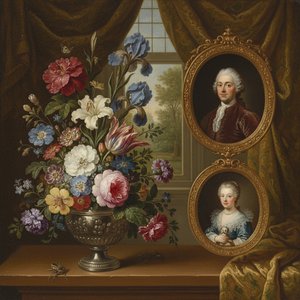
Jan van Kessel the Elder: A Baroque Master of Floral Still Life & Miniature Portraiture
Discover the exquisite detail of Jan van Kessel the Elder's Baroque floral still lifes & captivating miniatures. Explore his artistic legacy, scientific precision, and lasting influence on 17th-century Flemish painting.

Watercolor Wonders: 10 Masterpieces That Redefined Art History | TopImpressionists
Journey through 10 legendary watercolor masterpieces by Sargent, Turner & Homer! Explore iconic landscapes, portraits & floral art that redefined history. Find museum-quality reproductions and curated decor ideas at TopImpressionists.com.

Ephemeral Visions: Exploring the Artistic Legacy & Nuances of Watercolor Painting
Explore the captivating world of watercolor painting! Discover its rich history, essential techniques, influential artists & collecting tips from art experts. A comprehensive guide for enthusiasts.

Ephemeral Visions: Exploring the History & Emotional Resonance of Watercolor Painting
Explore the captivating history of watercolor painting, from ancient techniques to modern masters like Kandinsky & Blake. Discover essential artists, collecting tips & the emotional power of this luminous medium. Expert insights for art enthusiasts.

Ephemeral Visions: Exploring the Artistic Legacy & Contemporary Practice of Watercolor Painting
Explore the captivating world of watercolor painting! Discover its rich history, essential techniques, influential artists & collecting tips. A comprehensive guide for art enthusiasts from TopImpressionists.