معاينة الحجم الواقعي
 مشاركة
 مشاركة
 التفاصيل
 دليل
دليل

 تحميل الملف
 قطع مشابهة
 الأشعة السينية
 عرض شرائح
 Q&A
Q&A الإحصائيات
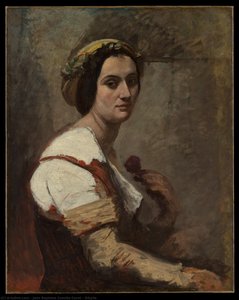
Sibylle


{ "meta_description": "Delve into the serene beauty of Jean Baptiste Camille Corot’s ‘Sibylle,’ a captivating chalk painting from 1870 depicting a woman gazing intently at the viewer with a delicate rose – a masterpiece housed in NYC's Metropolitan Museum.", "json_answer": ""
 عرض المزيد
اكتشف الفنان الفرنسي جان باتيست كاميل كوروت (1796-1875)، رائد المناظر الطبيعية الجذابة التي تجمع بين الكلاسيكية والواقعية، وأثرت في انطباعية. استمتع بلوحاته الهادئة واستكشف تأثيره الدائم على تاريخ الفن.
طباعة جيلي / مطبوعات فنية
طباعة جيكلي أو كانفاس بجودة المتاحف، مع سرعة في التنفيذ وخيارات متنوعة للتشطيب. ( شراء لوحة مرسومة يدويًا الانتقال إلى الصورة الرقمية)




P118B E£10

P118H E£10

P118W E£10

P438Z E£10

P508JH E£12

P508YH E£12

P805H E£10

P805Z E£10

P919BZ E£10

P919G E£10

P919XJ E£10

P959ZH E£10

P968JZ E£12

W106C E£8

W218G E£10

W218JH E£8

W218Y E£10

W307PJ E£10

W316G E£10

W316PJ E£8

W316Y E£10

W398PJ E£8

W4111J E£10

W500HY E£15

W500JH E£15

W692G E£12

W849H E£8

W940BG E£15

W953PJ E£8




قياسي
حسب الطلب
CM
INCH
اختر من بين أحجامنا المُعدّة مسبقاً والتي تتوافق مع النسب الأصلية للعمل الفني.
Loading sizes...

العرض
الارتفاع
أدخل العرض والارتفاع المطلوبين ليتناسب المقاس مع إطارك أو جدارك. يرجى الملاحظة أن المطبوعة يمكن قصها فقط ولا يمكن تكبيرها لتتجاوز أبعاد الصورة الأصلية، لذا فإن اختيار مقاس بأبعاد مختلفة سيؤدي إلى فقدان جزء من الصورة. سنرسل لك نموذجاً رقمياً تجريبياً لاعتماده قبل البدء في عملية الطباعة. الصورة المعروضة في هذه الصفحة لا توضح شكل القص الفعلي — النموذج التجريبي فقط هو ما يظهر ذلك بدقة.
توصيل عالمي إلى خلال أسبوعين بدلاً من المدة القياسية البالغة 4/5 أسابيع. (3 نوفمبر)

شحن سريع ومجاني لجميع أنحاء العالم

قماش كتان عالي الجودة

تأمين شامل على الشحن

ضمان استرداد الرسوم الجمركية

ضمان مطابقة الألوان الحقيقية

سياسة الإرجاع خلال 100 يوم (في حالات العيوب فقط)

ضمان استرداد نقدي بنسبة 100%

خصم عند طلب كميات
 خيار الزجاج متاح فقط للمقاسات التي تقل عن 110 سم

Sibylle
طباعة جيلي / مطبوعات فنية
مقاس النسخة المطبوعة
-


إجمالي السعر النهائي
E£ 3609
A Moment Frozen in Pastoral Tranquility: Exploring Jean Baptiste Camille Corot’s Sibylle
Jean-Baptiste-Camille Corot's “Sibylle,” painted in 1870, transcends mere depiction; it embodies the very essence of Impressionist landscape painting and invites contemplation on themes of femininity, solitude, and the sublime beauty of nature. This serene tableau captures a woman—likely Sibylle Regina Etrusca, referencing an Etruscan mythological figure symbolizing prophetic vision—seated beneath a dappled canopy of trees, her gaze directed towards the viewer with quiet dignity. Held delicately in her hand is a single rose, a symbol universally recognized for love and remembrance, subtly anchoring the composition within a framework of romantic idealism.- Style & Technique: Corot’s masterful approach aligns perfectly with the burgeoning Impressionist movement. He eschewed meticulous detail, prioritizing instead the fleeting effects of light and atmosphere—a hallmark of his distinctive style. The painting utilizes chalk on canvas, a technique favored by Corot for its ability to achieve luminous washes and tonal gradations that capture the subtle nuances of sunlight filtering through foliage. This method allows for an unparalleled sensitivity to color variations and textural subtleties, resulting in an image that feels remarkably alive.
- Historical Context: Painted during a period of significant artistic experimentation, “Sibylle” reflects the broader preoccupation with capturing the grandeur of the natural world—a reaction against academic conventions that favored idealized representations. The Franco-Prussian War cast a shadow over Europe in 1870, yet Corot’s focus remained steadfast on portraying landscapes untouched by human intervention, offering viewers an escape from the anxieties of the time.
- Composition & Color Palette: Corot skillfully employs a pyramidal composition, drawing the eye upwards towards the sky and emphasizing the dominance of natural light. The color palette is muted yet harmonious, dominated by greens and browns—colors that evoke the earthy tones of woodland landscapes. Subtle hints of pinks and yellows illuminate the rose and contribute to the overall impression of ethereal beauty.
- Metropolitan Museum of Art Display: Currently housed at the Metropolitan Museum of Art in New York City, “Sibylle” stands as a testament to Corot’s enduring legacy. Its presence within this prestigious institution underscores its significance as an exemplar of Impressionist art and continues to inspire admiration for its understated elegance and profound emotional resonance.
الأسئلة والأجوبة
من الذي أبدع "Sibylle"، وفي أي عام؟
أبدع جان باتيست كاميل كوروت لوحة "Sibylle" في عام 1870.
أين يمكنني شراء نسخة مرسومة يدوياً من "Sibylle" للفنان جان باتيست كاميل كوروت؟
تتوفر نسخة "Sibylle" المرسومة يدوياً عبر نسخة زيتية مرسومة يدوياً على قماش الكتان، ويمكنكم تقديم طلباتكم من خلال صفحة نسخة زيتية مرسومة يدوياً مع إمكانية اختيار أحجام مختلفة.
في أي عام أُنجز "Sibylle"؟
أُبدع العمل الفني "Sibylle" للفنان جان باتيست كاميل كوروت في عام 1870.
أعمال فنية ذات صلة


السيرة الذاتية للفنان
نشأة فنان في قلب باريس: حياة كاميل كوروت
في قلب باريس الصاخبة، وُلد جان باتيست كاميل كوروت في السادس عشر من يوليو عام 1796، لأسرة بورجوازية ميسورة الحال. لم يكن طريقه الفني مفروضًا عليه؛ فبعد محاولات فاشلة في عالم التجارة، وجد نفسه مدفوعًا بقوة داخلية لا تقاوم نحو الرسم. كانت طفولته المبكرة، التي قضاها في رعاية خادمة في الريف بالقرب من إيل-آدام، بمثابة بذرة زرعت في داخله حبًا عميقًا للطبيعة، وهو الحب الذي سيشكل جوهر فنه لاحقًا. على الرغم من أن والديه، اللذين كانا يمتلكان متجرًا ناجحًا للأزياء النسائية، لم يشجعا في البداية هذا المسار الفني، إلا أنهم دعموه ماليًا، مما سمح له بتكريس نفسه للفن دون ضغوط مالية. هذه البيئة الفريدة، التي جمعت بين الحياة الحضرية المرموقة والاتصال العميق بالطبيعة، أثرت بشكل كبير على رؤيته الفنية وتطويره.من التدريب الأكاديمي إلى الابتكار في الرسم الخارجي
بدأ كوروت تدريبه الفني التقليدي تحت إشراف آشيل إتينا ميشالون وجان فكتور بيرتين، وهما رسامان بارزان يمثلان المدرسة الكلاسيكية الجديدة. هذا التدريب أكسبه فهمًا عميقًا للتكوين والشكل، مع التركيز على الوضوح والبنية. ومع ذلك، لم يكن كوروت راضيًا عن مجرد تكرار الأساليب القائمة؛ فقد سعى إلى طريقة أكثر أصالة للتعبير عن تجربته الشخصية للطبيعة. كانت رحلته الأولى إلى إيطاليا في عام 1825 نقطة تحول حاسمة. ألهبت سهول رومانية المضاءة بضوء ذهبي، وتاريخها العريق خياله. أمضى سنوات في الرسم والتدوين في الهواء الطلق – وهي ممارسة كانت تعتبر غير تقليدية في ذلك الوقت – مما سمح له بالتقاط الفروق الدقيقة للضوء والجو الذي سيصبح علامة مميزة لأسلوبه. لم يكن يهدف إلى تسجيل التفاصيل الطبوغرافية فحسب، بل سعى إلى استحضار مزاج معين، وشعور بالهدوء والتناغم.جسر بين التقاليد
لم يكن تطور كوروت الفني خطيًا؛ بل كان توازنًا دقيقًا بين التقليد والابتكار. عرض أعماله بانتظام في صالون باريس، وحصل في البداية على اعتراف لأعماله المتأثرة بالمعايير الكلاسيكية الجديدة. ومع ذلك، مع استمراره في استكشاف الرسم الخارجي، بدأ أسلوبه في التطور. ابتعد عن التركيبات المتقنة والمفصلة نحو ضربات فرشاة أكثر سلاسة ولوحة ألوان أكثر هدوءًا. لم يكن هذا تحولًا كاملاً عن المبادئ الأكاديمية؛ بل كان محاولة لدمجها مع عفوية ومشاعر مباشرة من الملاحظة. أصبح سيدًا في التلوين، مستخدمًا اختلافات دقيقة في القيم لخلق العمق والجو. لم تكن مناظر كوروت تدور حول الروايات الدرامية أو الإيماءات الكبرى؛ بل كانت تدور حول التأمل الهادئ، وجمال المشاهد اليومية – وهي بقعة غابة، ومروج مشمسة، ونهر هادئ.إرث وتأثير دائم
لا يمكن إنكار تأثير جان باتيست كاميل كوروت على الأجيال القادمة من الفنانين. لقد كان بمثابة رابط حيوي بين التقاليد الكلاسيكية الجديدة وظهور حركة الانطباعية. أعجب فنانون مثل مونيه وبيسارو وسيزاي بقدرته على التقاط آثار الضوء والجو العابرة، واستلهموا منه في أعمالهم الرائدة. ومع ذلك، لم يكن كوروت مجرد مقدمة للانطباعية؛ بل كان فنانًا فريدًا ومهمًا بحد ذاته. لا يزال إنتاجه الواسع – الذي يشمل المناظر الطبيعية والصور ولوحات الشخصيات – يأسر الجماهير بجماله الهادئ وعمقه العاطفي. يمكن العثور على أعماله في المتاحف الكبرى حول العالم، مما يدل على مكانته الدائمة في تاريخ الفن. لقد ترك كوروت إرثًا مستمرًا يلهم الفنانين وعشاق الفن على حد سواء – شهادة على القوة الخالدة للضوء والطبيعة والتأمل الهادئ. "الراحة" و"القراءة المتقطعة" و"أجوتينا" تظل أمثلة رمزية لإتقانه، حيث تعرض قدرته على التقاط العالم المادي والحياة الداخلية لمواضيعه بحساسية ورشاقة ملحوظة.
جان باتيست كاميل كوروت
1796 - 1875 , فرنسا
حقائق سريعة
- أعمال فنية بارزة:
- راحة
- القراءة المتقطعة
- أغوستينا
- الاسم الكامل: جان باتيست كاميل كوروت
- الجنسية: فرنسي
- الحركات أو الفنانون المتأثرون:
- مونيه
- بيسارو
- سيزان
- الانطباعية
- الحركة الفنية: الواقعية والانطباعية
- الفنانون المؤثرون:
- أشيل إتينا ميشالون
- جان فيكتور بيرتين
- تاريخ الميلاد: 16 يوليو 1796
- مكان الميلاد: باريس، فرنسا
مقالات ذات صلة

The Magic of Tonalism: Capturing Mood, Mist, and Atmospheric Emotion in Landscape Art
Discover the ethereal beauty of Tonalism. Explore how master artists use mist, soft light, and muted palettes to capture profound emotion and atmospheric mood in landscape painting. A deep dive into this quiet, introspective art movement for true connoisseurs.
استكشف الأعمال الفنية المصنفة حسب الموضوعات والأنماط والخصائص.