


 معاينة الحجم الحقيقي
 مشاركة
 مشاركة
 التفاصيل
 الدليل

 تحميل الملف
 قطع مشابهة
 الأشعة السينية
 عرض شرائح
 الإحصائيات
Woman Brushing a Garment
 Oil
Oil- WallArt
- Les Nabis
 1892
1892- 19th Century
 26.0 x 22.0 cm
An intimate Nabis-style portrait of a woman focused on her task by a sunlit window, captured by Jean-Édouard Vuillard in 1892, offering a serene glimpse into French domestic life for your private collection.
 عرض المزيد
جان إدوارد فويلار (1868-1940) رسام فرنسي، وعضو في مجموعة "النابيس". اشتهر بمشاهده الداخلية الحميمة وأسلوبه الزخرفي وتأثيره على الحداثة المبكرة مثل التكعيبية. استكشف فنه!
نسخة زيتية مصنوعة يدوياً
لوحة زيتية مرسومة يدوياً على الكانفاس بالمقاس والإطار الذي تفضله، تُنفذ حسب الطلب على أيدي فنانينا. ( التحويل إلى المطبوعات الانتقال إلى الصورة الرقمية)




P118B $10

P118H $10

P118W $10

P438Z $10

P508JH $12

P508YH $12

P805H $10

P805Z $10

P919BZ $10

P919G $10

P919XJ $10

P959ZH $10

P968JZ $12

W106C $8

W218G $10

W218JH $8

W218Y $10

W307PJ $10

W316G $10

W316PJ $8

W316Y $10

W398PJ $8

W4111J $10

W500HY $15

W500JH $15

W692G $12

W849H $8

W940BG $15

W953PJ $8




قياسي
حسب الطلب
CM
INCH
اختر من بين أحجامنا المُعدّة مسبقًا والتي تتطابق مع النسب الأصلية للعمل الفني.
Loading sizes...

العرض
الارتفاع
يمكنك إدخال أبعادك الخاصة لتناسب إطارًا معينًا أو مساحة محددة. وإذا لم يتطابق الحجم الذي اخترته مع نسب الصورة الأصلية، فسنقوم إما بقص العمل الفني أو توسيع اللوحة بإضافة عناصر مرسومة يدويًا. سيتم إرسال نموذج رقمي إليك للموافقة عليه قبل بدء الإنتاج.
يرجى ملاحظة أن المعاينة على الشاشة لا تعكس عملية القص أو التوسيع الفعلية؛ حيث إن النموذج الرقمي وحده هو الذي سيوضح التكوين النهائي بدقة.
وعلى الرغم من توفر أحجام مخصصة، إلا أننا نوصي باختيار أبعاد من القائمة المحددة مسبقًا للحفاظ على النسب الأصلية للعمل الفني.
أمثلة على التعديلات الممكنة: استبدال الوجه بصورة العميل؛ إضافة حيوان أليف (مثل استبدال قطة بكلب)؛ تضمين رسالة مخفية في الخلفية؛ تغيير المناظر الطبيعية أو العناصر في الخلفية.
بعد إتمام الطلب، سيرسل فريق TopImpressionists.com بريداً إلكترونياً للعميل لطلب التعليمات وتزويده بمعاينة تجريبية (mockup).
بعد إتمام الطلب، سيرسل فريق TopImpressionists.com بريداً إلكترونياً للعميل لطلب التعليمات وتزويده بمعاينة تجريبية (mockup).
توصيل عالمي إلى خلال 3 إلى 4 أسابيع بدلاً من المدة المعتادة البالغة 5 أسابيع. (23 سبتمبر). جودة لا تهاون فيها.

شحن سريع ومجاني لجميع أنحاء العالم

قماش كتان عالي الجودة

تأمين شحن شامل

ضمان استرداد الرسوم الجمركية

ضمان مطابقة الألوان الحقيقية

سياسة الإرجاع خلال 100 يوم (في حالات العيوب فقط)

ضمان استرداد نقدي بنسبة 100%

خصم عند طلب عدة قطع
 خيار الزجاج متاح فقط للمقاسات التي تقل عن 110 سم

Woman Brushing a Garment
خامة إعادة الإنتاج
مقاس النسخة المطبوعة
-


السعر الإجمالي النهائي
$ 269
An Intimate Moment Captured in Color
In the quiet, sun-drenched corners of late nineteenth-century France, Jean-Édouard Vuillard captured the profound beauty found within the mundane. His masterpiece, Woman Brushing a Garment, serves as a breathtaking window into the private, domestic spheres that defined much of his oeuvre. The painting presents a woman lost in a moment of quiet contemplation, her focus entirely absorbed by the rhythmic task of tending to her clothing. Bathed in the soft, natural light streaming from an unseen window, she sits as the heart of a composition that feels both deeply personal and universally relatable. This is not merely a portrait of a person, but a portrait of a mood—a delicate study of stillness and the gentle passage of time.
The scene is rich with the subtle textures of domestic life. As the viewer’s eye wanders from the central figure, it discovers the quiet companions of her solitude: a chair resting in the soft shadows to the left and the silent, watchful presence of a cat tucked away to the right. These elements are not mere background details; they are essential threads in the tapestry of the composition, creating a sense of lived-in warmth. The window, spanning the upper portion of the frame, acts as a source of ethereal illumination, casting a soft glow that softens the edges of reality and invites the observer into this peaceful sanctuary.
The Mastery of the Nabis Technique
As a prominent member of Les Nabis, Vuillard brought a revolutionary approach to the canvas, moving away from the strict realism of the past toward a more decorative and symbolic language. In Woman Brushing a Garment, one can observe his signature ability to manipulate flattened planes of color and intricate patterns. His technique draws heavily from the influence of Japanese woodblock prints, utilizing layered tones to create depth without relying on traditional perspective. The way the light interacts with the fabric of the garment and the surrounding environment demonstrates a sophisticated understanding of how color can evoke atmosphere and weight.
For the discerning collector or interior designer, this piece offers an unparalleled opportunity to introduce a sense of historical elegance and textural richness into a space. The painting’s palette—a harmonious blend of muted earth tones and soft highlights—allows it to integrate seamlessly into both classical and contemporary settings. It possesses that rare, transformative quality: the ability to anchor a room with its quiet strength while providing a focal point that rewards prolonged, soulful observation.
A Legacy of Intimacy and Modernism
Beyond its aesthetic charm, this work stands as a vital link in the evolution of modern art. Vuillard’s exploration of interiority and his use of pattern paved the way for much later movements, including Fauvism and Cubism. By elevating a simple domestic chore to the level of high art, he challenged the boundaries of what was considered worthy of the canvas. To possess a reproduction of this work is to hold a piece of the avant-garde's history—a testament to the era when artists first began to find the infinite within the intimate.
Whether you are drawn to the nostalgic charm of the 1890s or the sophisticated, decorative qualities of the Nabis movement, this painting offers a profound emotional resonance. It is an invitation to slow down, to appreciate the light, and to find the extraordinary within the ordinary moments of our own lives.
أعمال فنية ذات صلة


السيرة الذاتية للفنان
بدايات الحياة والمسيرة الفنية
ولد جان إدوارد فويار، الرسام الفرنسي المبدع وفنان الديكور والطباعة، في 11 نوفمبر عام 1868 في مدينة كويزيو بفرنسا. سرعان ما أصبحت حياته المهنية حجر الزاوية في مجموعة الفنانين الطليعية المعروفة باسم "النابيس"، إلى جانب رواد آخرين مثل موريس دينيس وإدوارد فويار نفسه. لقد أحدث هذا التجمع ثورة في عالم الفن من خلال نهجهم المبتكر في اللون والشكل.
حركة النابيس وتأثيرها
بصفته عضوًا بارزًا في حركة النابيس، جمعت لوحات فويار مساحات من الألوان النقية، متأثرة بالطباعة اليابانية. استكشفت مشاهدة الداخلية تأثيرات المساحات المسطحة للألوان والأنماط والأشكال. وقد أثر هذا النهج لاحقًا على تطور التكعيبية والفوفية والفن التجريدي. كانت النابيس، وهي مجموعة من الفنانين الفرنسيين الشباب النشطين في باريس من عام 1888 إلى عام 1900، تلعب دورًا كبيرًا في الانتقال من الانطباعية والفن الأكاديمي إلى الفن التجريدي والرمزية والحركات المبكرة الأخرى للحداثة. استندت فلسفتهم إلى فلسفة الوضعية وكتابات أوغست كونت وهيبوليت تين.
التطور الفني وأعماله اللاحقة
بعد عام 1900، عندما تفككت حركة النابيس، تبنى فويار أسلوبًا واقعيًا أكثر، ونهج المناظر الطبيعية والداخلية بتفاصيل أكبر وألوان نابضة بالحياة. في عشرينيات وثلاثينيات القرن الماضي، رسم صورًا لشخصيات بارزة في الصناعة الفرنسية والفنون في بيئات مألوفة لديهم. لقد سعى فويار إلى التقاط جوهر الحياة اليومية، مع التركيز على الضوء واللون والملمس لخلق إحساس بالدفء والحميمية.
الرمزية والتعبير العاطفي
تتميز أعمال فويار بجو من الغموض والشوق. غالبًا ما تصور مشاهد داخلية حميمة، مع التركيز على العلاقات بين الأشكال والألوان بدلاً من التمثيل الواقعي. استخدم فويار تقنيات مختلفة لخلق تأثيرات بصرية فريدة، مثل التلوين المسطح والخطوط المتعرجة والتراكبات المعقدة. كانت لوحاته بمثابة استكشاف للذاكرة والعاطفة والإدراك الحسي.
الإرث والأهمية التاريخية
يمكن العثور على لوحات جان إدوارد فويار في العديد من المتاحف، بما في ذلك متحف الثورة الفرنسية (فرنسا)، الذي يضم مجموعة غنية من الأعمال الفنية والمستندات والأشياء المتعلقة بالفترة الثورية. تشمل بعض أعماله البارزة "الوطن في خطر" بقلم غيوم ليثير و"جان دي لا بار" بقلم جان كلوييه، والتي تصور شابًا محكوم عليه بالإعدام بتهمة التجديف خلال النظام القديم. ترك فويار بصمة لا تمحى على عالم الفن من خلال نهجه المبتكر في اللون والشكل والتعبير العاطفي. كونه رائدًا للحداثة، تواصل أعماله إلهام الفنانين والتأثير على الحركات الفنية المختلفة.
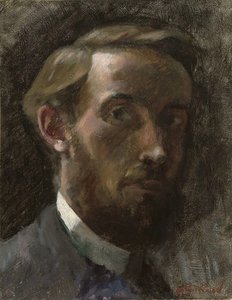
جان إدوارد فويلار
1868 - 1940 , فرنسا
حقائق سريعة
- أعمال بارزة:
- امرأة كاسحة
- داخل مشمس
- الاسم الكامل: جان إدوارد فويلار
- الجنسية: فرنسي
- الحركة الفنية: النابيون
- تاريخ الميلاد: 11 نوفمبر 1868
- تاريخ الوفاة: 21 يونيو 1940
- حركات فنية متأثرة:
- التكعيبية
- وحشية
- فنانون مؤثرون: ['بول غوغان']
- مكان الميلاد: كويزيو، فرنسا
مقالات ذات صلة

The Intimate Sphere: Domesticity & Representation in Western Art
Explore the rich history of domesticity in Western art, from Renaissance courts to Modernist masterpieces. Discover how artists captured everyday life and build your collection with TopImpressionists.

The Interior Gaze: Exploring Representations of Domestic Space in Art History
Explore the fascinating history of domestic interiors in art! From Dutch Masters to Impressionism, discover how artists captured home life & social meaning. Expert analysis and insights at TopImpressionists.

Intimate Interiors & Poetic Ambiguity: Exploring the Vision of Jean-Édouard Vuillard
Discover the captivating world of Jean-Édouard Vuillard, a key figure of the Nabis movement. Explore his intimate interiors, unique style & lasting influence on modern art. Learn more at TopImpressionists.

Intimate Interiors: Domestic Life & Artistic Representation from Renaissance to Impressionism
Explore the evolution of domestic life in Western art from the Renaissance to Impressionism. Discover symbolism, realism & artistic techniques shaping intimate interior scenes. Learn more with TopImpressionists.

Intimate Worlds: Exploring Domestic Life in Art History
Explore the rich history of domestic life in art! Discover Dutch Masters & Victorian painters who captured everyday moments with stunning realism. Uncover symbolism and lasting influence – a journey through intimate worlds.
استكشف الأعمال الفنية المصنفة حسب الموضوعات والأنماط والخصائص.


