معاينة الحجم الواقعي
 مشاركة
 مشاركة
 التفاصيل
 دليل
دليل

 تحميل الملف
 قطع مشابهة
 الأشعة السينية
 عرض شرائح
 الأسئلة والأجوبة
 الإحصائيات
Desnudo


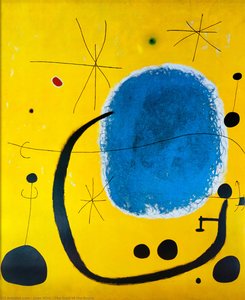
Discover Joan Miró's surreal 'Desnudo,' a captivating black-ground painting featuring stylized figures and vibrant colors. Explore its dreamlike quality, symbolism, and the artist’s unique vision.
 عرض المزيد
اكتشف عالم الفنان الكاتالوني خوان ميرو! استمتع بأعماله السريالية والتجريدية المبتكرة، ورموزية كاتالونيا الفريدة. رائد في الفن الحديث – انظر أعماله الآن!
إن العمل الفني المعروض في هذه الصفحة محمي بموجب قوانين حقوق الطبع والنشر، مما يعني أنه لا يحق لنا قانوناً إنشاء أو بيع نسخ مطابقة له. وتُطبق هذه الحماية بموجب الاتفاقيات الدولية مثل الـ اتفاقية برن ووفقاً للقوانين الوطنية، بما في ذلك تلك المنصوص عليها في قانون حقوق الطبع والنشر في الولايات المتحدة - الباب 17.
تتوافق هذه الطريقة تماماً مع لوائح حقوق النشر لأنها لا تتضمن نسخ أو تكرار العمل الفني المحمي، بل هي إعادة تفسير إبداعية؛ أي أنها لوحة جديدة مستوحاة من الأصل ولكنها ليست مطابقة له.
طباعة جيلي / مطبوعات فنية
طباعة جيكلي أو كانفاس بجودة المتاحف، مع سرعة في التنفيذ وخيارات متنوعة للتشطيب. ( شراء لوحة مرسومة يدويًا الانتقال إلى الصورة الرقمية)




P118B E£10

P118H E£10

P118W E£10

P438Z E£10

P508JH E£12

P508YH E£12

P805H E£10

P805Z E£10

P919BZ E£10

P919G E£10

P919XJ E£10

P959ZH E£10

P968JZ E£12

W106C E£8

W218G E£10

W218JH E£8

W218Y E£10

W307PJ E£10

W316G E£10

W316PJ E£8

W316Y E£10

W398PJ E£8

W4111J E£10

W500HY E£15

W500JH E£15

W692G E£12

W849H E£8

W940BG E£15

W953PJ E£8




قياسي
حسب الطلب
CM
INCH
اختر من بين أحجامنا المُعدّة مسبقاً والتي تتوافق مع النسب الأصلية للعمل الفني.
Loading sizes...

العرض
الارتفاع
أدخل العرض والارتفاع المطلوبين ليتناسب المقاس مع إطارك أو جدارك. يرجى الملاحظة أن المطبوعة يمكن قصها فقط ولا يمكن تكبيرها لتتجاوز أبعاد الصورة الأصلية، لذا فإن اختيار مقاس بأبعاد مختلفة سيؤدي إلى فقدان جزء من الصورة. سنرسل لك نموذجاً رقمياً تجريبياً لاعتماده قبل البدء في عملية الطباعة. الصورة المعروضة في هذه الصفحة لا توضح شكل القص الفعلي — النموذج التجريبي فقط هو ما يظهر ذلك بدقة.
توصيل عالمي إلى خلال أسبوعين بدلاً من المدة القياسية البالغة 4/5 أسابيع. (8 نوفمبر)

شحن سريع ومجاني لجميع أنحاء العالم

قماش كتان عالي الجودة

تأمين شامل على الشحن

ضمان استرداد الرسوم الجمركية

ضمان مطابقة الألوان الحقيقية

سياسة الإرجاع خلال 100 يوم (في حالات العيوب فقط)

ضمان استرداد نقدي بنسبة 100%

خصم عند طلب كميات
 خيار الزجاج متاح فقط للمقاسات التي تقل عن 110 سم

Desnudo
طباعة جيلي / مطبوعات فنية
مقاس النسخة المطبوعة
-


إجمالي السعر النهائي
E£ 3666
A Dreamscape Unveiled: Exploring Joan Miró’s “Desnudo”
Joan Miró's "Desnudo" (Naked), painted in 1926, isn’t merely a depiction of the human form; it’s an immersion into a surrealist dreamscape—a vibrant testament to the Catalan artist’s unique vision and his profound engagement with the subconscious. This captivating work, rendered primarily in bold blocks of red, yellow, green, and beige against a stark black backdrop, immediately draws the viewer into a world where familiar forms are playfully distorted and imbued with symbolic weight. It's a piece that whispers of fertility, memory, and the boundless potential of imagination, echoing the spirit of early Surrealism while retaining Miró’s distinctly personal style.
The composition itself is deliberately asymmetrical, guiding the eye through a carefully orchestrated arrangement of abstract shapes. A stylized female figure dominates the left side, her form suggestive yet ambiguous—a potent symbol that could represent femininity, creativity, or perhaps simply the raw energy of life itself. Scattered around this central element are a series of intriguing motifs: a vibrant green shape reminiscent of a fruit or leaf, a striking red circle punctuated by yellow tendrils, and a pear-like form adding to the organic chaos. A subtle, dashed horizontal line bisects the canvas, providing a structural anchor within the otherwise fluid arrangement, preventing the piece from dissolving entirely into pure abstraction. This deliberate balance between order and disorder is characteristic of Miró’s approach – he sought to capture the essence of both logic and intuition.
The Language of Color and Line
Miró's masterful use of color is central to the painting’s impact. The limited palette—primarily reds, yellows, greens, and beiges—is applied with a remarkable directness; there’s little blending or softening of edges. Instead, each shape exists as a distinct entity, radiating its own internal glow against the enveloping darkness. This technique creates a powerful visual texture, emphasizing the materiality of the paint itself and lending the work a graphic, almost childlike quality. The sparing use of lines—primarily in the form of the dashed horizontal line and the outlines of the shapes—further contributes to the painting’s abstract feel, reinforcing its sense of immediacy and spontaneity.
Echoes of Surrealism and Catalan Identity
“Desnudo” firmly places itself within the context of early 20th-century Surrealism, drawing inspiration from artists like Joan Miró himself. However, it’s crucial to recognize that Miró developed a highly individual style, deeply rooted in his Catalan heritage. The organic forms—resembling natural elements but rendered with an element of dreamlike distortion—evoke the rugged landscapes and folklore of Catalonia, a region he consistently revisited throughout his career. The influence of Gaudí's architectural innovations is also subtly present, particularly in the flowing curves and biomorphic shapes that populate the composition. The painting feels both intensely personal and deeply connected to its cultural origins.
Symbolism and Emotional Resonance
Beyond its formal qualities, “Desnudo” resonates with a profound sense of dreamlike wonder and playful abstraction. The scattered shapes can be interpreted as fragments of memory, echoes of the subconscious, or perhaps even representations of primal instincts. The central figure’s ambiguous nature invites multiple readings—a symbol of fertility, creativity, or simply the mystery of human existence. Ultimately, Miró's work resists easy interpretation, encouraging viewers to engage with the painting on a deeply personal level and to construct their own meaning within its evocative space. “Desnudo” is not just a painting; it’s an invitation to step into a world where logic dissolves and imagination reigns supreme.
الأسئلة والأجوبة
أين يمكنني معاينة "Desnudo"؟
لمعاينة نسخة من "Desnudo" للفنان خوان ميرو، افتح صفحة معاينة العمل الفني الخاصة بالعمل الفني.
هل تُعد "Desnudo" للفنان خوان ميرو من بين الأعمال الفنية المرغوبة ضمن حركة Surrealist Painting؟
تندرج لوحة "Desnudo" ضمن حركة Surrealist Painting، وتتمتع بمستوى شعبية Iconic.
ما هو الحجم الموصى به لطباعة "Desnudo"؟
يُقترح طباعة نسخة بحجم Large لعمل "Desnudo" للفنان خوان ميرو، مع إمكانية تعديل الحجم مع الحفاظ على التناسب.
السيرة الذاتية للفنان
رؤية كاتالونية: حياة وفن خوان ميرو
خوان ميرو إي فيرا، المولود في برشلونة عام 1893، يبرز كأحد أبرز الشخصيات في فن القرن العشرين. لم تكن رحلته مجرد تطور عبر الأساليب الفنية فحسب، بل كانت استكشافًا للعوالم الداخلية، حيث قام بترجمة الأحلام والذكريات والهوية الكتالونية إلى القماش بلغة بصرية شعرية فريدة. من بدايات متواضعة تميزت بالمرض والتحفظات الأولية لوالديه بشأن مساعيه الفنية، أصر ميرو على المضي قدمًا، مدفوعًا بحاجة فطرية للتعبير عن غير الملموس - المشاعر والأحاسيس والتيارات اللاواعية التي تكمن تحت سطح الواقع. كانت حياته المبكرة غارقة في تقاليد برشلونة، وهي مدينة تزخر بالعجائب المعمارية بفضل أنطوني غاودي، الذي ستؤثر أشكاله العضوية بشكل خفي على تجريدات ميرو اللاحقة. زرع مهنة صياغة المجوهرات لوالده تقديرًا للحرفية الدقيقة، بينما أصبحت المناظر الطبيعية الكتالونية الوعرة سمة متكررة ومصدر إلهام طوال حياته المهنية.من التأثيرات المبكرة إلى السريالية
بدأ التدريب الفني الرسمي لميرو في لا لوتجا في برشلونة، حيث صقل مهاراته في التقنيات التقليدية. ومع ذلك، كان التعرض للحركات الطليعية التي اجتاحت باريس هو الذي أشعل حقًا تطوره الإبداعي. ترنحت الألوان النابضة بالحياة من Fauvism والأشكال المكسرة من Cubism بعمق، مما دفعه إلى الانتقال إلى باريس عام 1920. أثبتت هذه الفترة أنها حاسمة حيث التقى بفنانين مثل بابلو بيكاسو وبدأ في تجربة تركيبات مجردة متزايدة. ومع ذلك، لم يتبن ميرو ببساطة هذه الأساليب؛ لقد قام بتوليفها، ومهد الطريق لجماليته المميزة الخاصة به. سعى إلى تقطير الأشكال إلى جوهرها، والتخلص من التفاصيل التمثيلية لصالح الأشكال الرمزية والألوان المفعمة بالحيوية. قاد هذا الاستكشاف إلى مجموعة السرياليين في عام 1924، مما وضعه جنبًا إلى جنب مع فنانين مثل ماكس إرنست وسلفادور دالي. وبينما تبنى اهتمام السرياليين باللاوعي، احتفظ ميرو بحساسية فريدة - لم يكن عمله يتعلق كثيرًا بالصور الصادمة أو الرمزية الفرويدية بقدر ما كان يتعلق بإنشاء عالم من الأشكال المرحة والاقتراحات الشعرية.لغة الرموز: الأعمال الرئيسية والابتكارات الفنية
على مدار الثلاثينيات والأربعينيات من القرن الماضي، طور خوان ميرو مفرداته المرئية المميزة - عالم يسكنه أشكال بيومورفية وأشكال عائمة وألوان نابضة بالحياة. "المزرعة" (1922)، التي تعتبر غالبًا حجر الزاوية في أعماله، تجسد هذا الانتقال. إنها ليست مجرد تصوير للحياة الريفية ولكنها استحضار للهوية الكتالونية وتمثيل رمزي للعالم الطبيعي. أدت روحه التعاونية إلى تقنيات مبتكرة مثل *grattage*، التي ركز على تطويرها مع ماكس إرنست في عام 1926 لتصاميم مخصصة لباليه سيرغي ديياجليف، حيث تم الكشف عن القوام عن طريق كشط الطلاء عبر اللوحة. أظهرت سلسلة "المرآب الداخلي" (1928) قدرته على إعادة تفسير الأساتذة القدماء من خلال جمالية حديثة متميزة، وتحويل المشاهد المنزلية إلى تجريدات حالمة. "لوحة" (1933)، بألوانها الجريئة وأشكالها المبسطة، تجسد استكشاف ميرو للاوعي ورفضه للحدود الفنية التقليدية. تتجاوز أعماله الرسم، حيث جرب بشجاعة النحت والسيراميك والطباعة، وتوسيع آفاقه الإبداعية وإظهار تعدد الاستخدامات المذهل.الإرث والتأثير الدائم
إن تأثير خوان ميرو على فن القرن العشرين لا يمكن إنكاره. لم يكن مجرد رسام فحسب؛ بل كان صاحب رؤية تحدت تعريف التعبير الفني نفسه. لقد مهد الطريق للتعبير عن التجريديات ويثير باستمرار الفنانين عبر التخصصات المختلفة. أسس اثنين من المؤسسات - مؤسسة خوان ميرو في برشلونة (1975) ومؤسسة بيلار وخوان ميرو في بالما دي مايوركا (1981) - مما يضمن استمرار إرثه، وتوفير مساحات للاستكشاف الفني والتعليم. طوال حياته المهنية الطويلة، ظل ملتزمًا بدفع الحدود والتحدي للتقاليد واستكشاف أعماق الخيال البشري. عمل ميرو هو شهادة على قوة التجريد والرمزية والتعبير الشعري - احتفال نابض بالحياة بالحياة والأحلام وروح الثقافة الكتالونية الدائمة. يستمر عمله في صدى لدى الجماهير حول العالم، ويدعونا إلى دخول عالم حيث كل شيء ممكن وتتلاشى الحدود بين الواقع والخيال في رقصة آسرة من الألوان والأشكال.
خوان ميرو
1893 - 1983 , إسبانيا
حقائق سريعة
- Artistic Movement Or Style: الفن السريالي
- Artists Who Influenced This Artist: ['باولو بيكاسو']
- Date Of Birth: ٢٠ أبريل ١٨٩٣
- Date Of Death: ٢٥ ديسمبر ١٩٨٣
- Full Name: جوان ميرو إي فرنا
- Nationality: إسبانية
- Notable Artworks:
- المزرعة
- داخل هولندا
- Place Of Birth: برشلونة، إسبانيا
مقالات ذات صلة

The Soul of Color: A Journey into the Emotional Resonance of Lyrical Abstraction
Embark on a cultural journey through Lyrical Abstraction. Explore how masters like Kandinsky used color and motion to translate emotion into visual poetry. Discover the profound beauty of abstract expressionism and learn to curate emotional resonance in your own art collection.
استكشف الأعمال الفنية المصنفة حسب الموضوعات والأنماط والخصائص.