


 معاينة الحجم الواقعي
 إرسال
إرسال مشاركة
 عرض التفاصيل
 دليل الأعمال الفنية للطلاب

 تحميل
تحميل
 قطع مشابهة
 الأشعة السينية
 عرض شرائح متتابع
 الإحصائيات
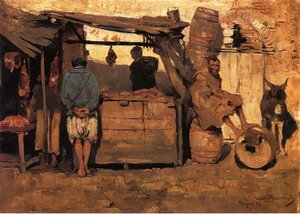
Ropemakers
 Oil On Canvas
- WallArt
- Impressionistic Luminosity
 1893
1893- 19th Century
 52.0 x 70.0 cm
Joaquin Sorolla’s luminous Ropemakers captures the vibrant spirit of Spain in 1893 with masterful light and color—a breathtaking depiction of rural labor and collaborative artistry that invites you to explore this iconic masterpiece.
 اقرأ المزيد
خاكيْن سُورَلا: رسام إسباني عبقري يجسد النور واللون! استكشف لوحاته النابضة بالحياة ومشاهده الشاطئية التي تلتقط جوهر الحياة المتوسطية. اكتشف إرثه الفني اليوم!
احصل على صورة رقمية عالية الدقة ومعزّزة، بجودة تفوق بكثير المعاينة عبر الإنترنت.
يتم إعداد كل ملف بعناية فائقة على أيدي متخصصينا باستخدام أدوات متقدمة ولمسات يدوية خبيرة، لضمان تمتع كل صورة بوضوح استثنائي، ودقة لونية متناهية، وتفاصيل دقيقة.
يتم تسليم الملف النهائي عبر البريد الإلكتروني في غضون 72 ساعة، وهو مُحسَّن للاستخدام الفوري في المجالات المهنية والتحريرية ومجالات الطباعة؛ وهي ذات الجودة التي تعتمد عليها كبرى استوديوهات التصميم ودور النشر والمعارض الفنية المرموقة.
صورة رقمية
حمّل ملفاً عالي الدقة للعرض الشخصي، والطباعة، والمشاريع الإبداعية. ( التبديل إلى المطبوعات اطلب نسخة مرسومة يدويًا)
مزايا مُضمّنة مع كل طلب صورة رقمية
خدمة تسليم رقمي احترافية ومضمونة
عندما تختار TopImpressionists.com، فأنت لا تحصل على مجرد صورة فحسب، بل ستحصل على عمل فني رقمي مُحسّن باحترافية، صُمم بدقة متناهية ومصحوب بضمان الرضا. إليك كل ما يتضمنه طلبك تلقائياً:

تسليم سريع عبر البريد الإلكتروني
ستصلك ملفات صورك الرقمية عالية الدقة عبر البريد الإلكتروني في غضون 72 ساعة من إتمام الطلب - لتكون جاهزة للاستخدام الفوري.

ملف رقمي مُعزز بالذكاء الاصطناعي
يتم تحسين عملك الفني باحترافية باستخدام أدوات الذكاء الاصطناعي المتقدمة والتحرير اليدوي، لضمان أقصى درجات التفاصيل والوضوح ودقة الألوان.

إعادة إرسال مجانية مدى الحياة
هل حذفت ملفك أو فقدته عن طريق الخطأ؟ لا تقلق - سنعيد إرساله إليك في أي وقت، مجاناً.

بدون رسوم استيراد - على الإطلاق
استمتع بأعمالك الفنية فوراً دون أي رسوم جمركية أو ضرائب أو مصاريف شحن - فالتحميلات الرقمية دائماً ما تكون معفاة من الضرائب.

ضمان دقة الألوان
نضمن لك دقة انعكاس الألوان الأصلية في صورتك الرقمية بأقصى قدر ممكن، وذلك باستخدام أدوات احترافية وتقنيات متطورة لإدارة الألوان.

ضمان الرضا لمدة 100 يوم
إذا لم تكن راضياً عن صورتك الرقمية، فسنقوم بتعديلها أو استرداد 100% من قيمتها خلال 100 يوم - دون طرح أي أسئلة.

ضمان استعادة الأموال بنسبة 100%
لم تكن راضياً؟ استرد كامل المبلغ خلال 100 يوم من استلام ملفك الرقمي - دون طرح أي أسئلة.

خصومات الطلبات الكبيرة
اشتري 3 صور، ووفر 10% - اشتري 5، ووفر 15% - اشتري +10، ووفر 20%. مثالية للمشاريع الإبداعية، والمعارض، والوكالات.
A Symphony of Light and Labor: The Soul of Valencia
In the heart of 1893, Joaquín Sorolla y Bastida captured more than just a moment in time; he bottled the very essence of the Valencian spirit. His masterpiece, Ropemakers, serves as a breathtaking window into a bygone era, where the rhythmic toil of manual labor was bathed in the transcendent glow of the Mediterranean sun. This monumental oil on canvas does not merely depict a group of workers engaged in their craft; it orchestrates a profound meditation on human connection and the transformative power of natural light. As one gazes upon the scene, there is an immediate sense of optimism—a feeling that even within the grit and sweat of daily industry, there exists a divine, shimmering beauty.
The painting transports the viewer to an outdoor field where the boundaries between man, animal, and nature seem to dissolve under a radiant sky. A group of individuals works in unison around a specialized machine, their bodies moving with a coordinated grace that speaks to the deep-seated camaraderie of their trade. The presence of horses, positioned thoughtfully within the composition, adds a layer of rustic authenticity, grounding the scene in the physical reality of 19th-century life. For the collector or interior designer, this piece offers a sense of grounded vitality, making it an ideal centerpiece for spaces that seek to evoke warmth, stability, and a connection to heritage.
Impressionistic Brilliance and the Mastery of Light
Sorolla, often celebrated as the Master of Light, employs a technique that pushes the boundaries of Impressionism with a distinctly Spanish fervor. Rejecting the rigid, academic constraints of his predecessors, he embraced a loose, spontaneous brushstroke that allows the canvas to breathe. His approach is characterized by alla prima—the direct application of pigment onto the canvas—which lends the work an unparalleled immediacy. One can almost feel the heat radiating from the golden hues that illuminate the workers' faces and the textured earth beneath their feet. This is not merely light used for visibility; it is light used as a sculptural tool, carving out forms and injecting movement into the very fibers of the rope being spun.
The interplay of texture and color creates a sensory experience that transcends the visual. The subtle contrast between thick impasto highlights and smooth, translucent glazes mirrors the physical textures of the scene: the roughness of the hemp, the coarse dirt of the field, and the soft, filtered light passing through overhead foliage. This technical virtuosity ensures that the painting remains dynamic from every angle, capturing a fleeting atmospheric effect that feels as though it might change if one were to blink. It is this very energy that makes a high-quality reproduction of Ropemakers such a compelling choice for those looking to infuse a room with movement and life.
A Timeless Legacy for the Modern Collector
Beyond its technical brilliance, Ropemakers carries a profound emotional weight. It is a tribute to the dignity of work and the beauty found in collective effort. Sorolla’s ability to find the extraordinary within the ordinary—to see the monumental within a simple field of labor—resonates deeply with the modern viewer. The painting evokes a sense of nostalgia for a slower, more tactile world, yet its vibrant energy feels strikingly contemporary. It is an invitation to pause, to observe the light, and to appreciate the enduring strength of human collaboration.
For those seeking to curate a collection that inspires awe and contemplation, this work stands as a testament to the enduring power of Spanish Impressionism. Whether placed in a sun-drenched gallery or a sophisticated residential study, a reproduction of this caliber brings with it the warmth of Valencia and the legendary touch of Sorolla. It is more than an adornment for a wall; it is an emotional anchor, a piece of history that continues to breathe with the light of a thousand summer afternoons.
أعمال فنية مشابهة


سيرة الفنان
Joaquín Sorolla y Bastida: A Life Bathed in Light
Joaquín Sorolla y Bastida, a name synonymous with the radiant light and vibrant energy of Spain, was more than just a painter; he was a chronicler of his nation’s soul. Born in Valencia in 1863, Sorolla's early life was marked by tragedy. Orphaned at the tender age of two following a cholera epidemic that claimed both parents, young Joaquín and his sister were raised by their maternal aunt and uncle. This early experience with loss perhaps instilled within him a profound appreciation for the fleeting beauty of life – a sentiment that would permeate his art. Though hardship shadowed his beginnings, it did not dim the spark of artistic talent that quickly became apparent. He received initial instruction in Valencia, demonstrating an aptitude that led to studies under established artists like Cayetano Capuz and José Benlliure, eventually culminating in a four-year grant to study in Rome. It was there, amidst the classical grandeur of Italy, that Sorolla began to forge his unique artistic path, absorbing influences while simultaneously developing a style distinctly his own.Early Life and Artistic Beginnings
Joaquín Sorolla’s formative years were shaped by profound loss and circumstance. Born into a modest Valencian family—his father a tradesman and his mother Concepción Bastida—the sudden demise of both parents at just two years old due to cholera irrevocably altered the trajectory of his life. He and his sister, Concha, found solace in the care of their maternal aunt and uncle, fostering within him an empathy for vulnerability and resilience – qualities that would inform his artistic vision throughout his career. Recognizing his exceptional talent from a young age, Sorolla pursued formal art education at Valencia’s School of Artisans, honing his skills under instructors like Cayetano Capuz and José Benlliure. This early exposure to artistic principles laid the groundwork for his subsequent explorations into diverse styles and mediums. At eighteen he travelled to Madrid where he studied master paintings in the Museo del Prado, absorbing the legacy of Velázquez and other titans of Spanish art.Rome: The Crucible of Style
A pivotal moment arrived when Sorolla secured a prestigious grant enabling him to embark on a four-year residency in Rome—a pilgrimage to the heart of artistic innovation during the Belle Époque. Amidst the monumental sculptures and architectural splendor of the Italian capital, he encountered artists who championed Impressionism and Luminism – movements that profoundly impacted his aesthetic sensibilities. Notably influential were exhibitions featuring Jules Bastien-Lepage and Adolf von Menzel, whose works challenged academic conventions and embraced a more spontaneous approach to representation. Sorolla’s time in Rome solidified his commitment to capturing the ephemeral qualities of light and color—a stylistic hallmark that would define his oeuvre for decades to come. He diligently studied under José Benlliure and Emilio Sala, absorbing techniques and perspectives that broadened his artistic horizons.From Historical Narratives to Sun-Drenched Realism
Sorolla’s initial artistic endeavors leaned toward the grand narratives of history and mythology—large-scale canvases depicting heroic figures and dramatic events. However, a transformative shift occurred upon his return to Spain as he turned his gaze towards the everyday lives of his countrymen—particularly those inhabiting the vibrant coastal region of Valencia. The intense Mediterranean sunlight, the shimmering sea, and the palpable energy of human interaction became Sorolla’s primary subjects—a deliberate rejection of academic formalism in favor of a more immediate and emotionally resonant aesthetic. This stylistic evolution culminated in masterpieces like Sad Inheritance (1899)—a poignant depiction of children afflicted by polio bathing in the sea—which garnered considerable acclaim but simultaneously revealed Sorolla's compassionate engagement with social issues. The painting powerfully conveyed empathy for those marginalized by circumstance, demonstrating Sorolla’s artistic commitment to portraying human experience with sensitivity and nuance.The Luminist Vision: Light as Subject Matter
Sorolla’s technique became instantly recognizable—a bravura display of brushwork characterized by loose, energetic strokes that conveyed movement and atmosphere. He worked *en plein air* whenever possible, confronting the challenges of capturing fleeting light conditions head-on. This dedication to painting outdoors resulted in canvases brimming with life and immediacy—a stylistic decision that distinguished him from many of his contemporaries who favored studio settings. His beach scenes—perhaps his most iconic works—are not merely picturesque representations of leisure; they are studies in luminosity, reflections, and the joyful interaction between people and their environment. Paintings like Children on the Seashore and Sewing the Sail exemplify this mastery—figures bathed in golden light, rendered with a remarkable sense of spontaneity and vitality. Sorolla wasn’t interested in meticulous detail; rather, he sought to convey the *impression* of reality, prioritizing atmosphere and emotion over precise representation. This approach earned him comparisons to Impressionists like Monet and Renoir, but Sorolla's work possessed a unique Spanish character—a warmth, intensity, and emotional depth that set it apart. He achieved remarkable success in his early years, securing prestigious commissions and garnering widespread recognition for his artistic prowess. ## Major Achievements & Recognition- 1892: Gold medal at the National Exhibition in Madrid for Another Marguerite
- 1894: Acclaimed for The Return from Fishing: Hauling the Boat, acquired by the Musée du Luxembourg
- 1899: Grand Prix and medal of honor at the Universal Exhibition in Paris for Sad Inheritance
- 1900-1923: Extensive exhibitions throughout Europe and the United States, establishing international recognition
- 1912-1928: Commissioned to create Vision of Spain for the Hispanic Society of America (completed posthumously)

خوآكين سورولَا ي باستيدَا
1863 - 1923 , إسبانيا
حقائق سريعة
- Artistic Movement Or Style: إمبراسيووني، لومينيسم
- Artists Who Influenced This Artist:
- فرانسيسكو برadilla
- جيولس باستيان ليپاغ
- أدولف فون مينزل
- Date Of Birth: ٢٧ فبراير ١٨٦٣
- Date Of Death: ١٠ أغسطس ١٩٢٣
- Full Name: Joaquín Sorolla y Bastida
- Nationality: إسبانية
- Notable Artworks: ['مارجريت أخرى"، "جلب القارب"، "العائد من الصيد"، "الخادمة البيضاء"، "الأطفال على الشاطئ"، "تثبيت البساط']
- Place Of Birth: فالنسيا، إسبانيا