

 معاينة الحجم الواقعي
 إرسال
إرسال مشاركة
 عرض التفاصيل
 دليل الأعمال الفنية للطلاب

 تحميل
تحميل
 قطع مشابهة
 الأشعة السينية
 عرض شرائح متتابع
 Q&A
Q&A الإحصائيات
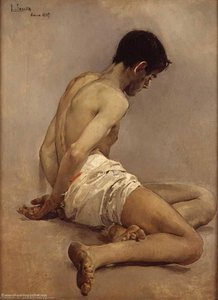
The Smugglers (study)

- 81.0 x 105.0 cm


Experience the radiant coastal scene in Joaquín Sorolla’s ‘The Smugglers (study)’ – a captivating oil painting from 1919 showcasing dynamic waves and serene figures. Discover this beautiful artwork and bring its light to your space.
 اقرأ المزيد
خاكيْن سُورَلا: رسام إسباني عبقري يجسد النور واللون! استكشف لوحاته النابضة بالحياة ومشاهده الشاطئية التي تلتقط جوهر الحياة المتوسطية. اكتشف إرثه الفني اليوم!
احصل على ملف جاهز للطباعة يتجاوز بمراحل جودة المعاينة عبر الإنترنت. فكل صورة رقمية نبيعها مستمدة من نسخة أصلية عالية الدقة في قاعدة بياناتنا — تتراوح عرضها عادةً بين 5,000 إلى 15,000 بكسل — مما يتيح لك الطباعة بأحجام كبيرة، أو الاقتصاص بدقة، أو إعادة إنتاج التفاصيل الدقيقة بكل ثقة.
لا تخرج أي صورة من استوديو الخاص بنا دون أن تمر بعملية معالجة دقيقة؛ حيث يقوم خبير رقمي بمطابقة الألوان مع اللوحة الأصلية وتصحيحها عند الضرورة، ثم يعمل على تحسين الوضوح والتفاصيل باستخدام أدوات ترميم احترافية — مع الحفاظ دائماً على أمانة نقل ضربات فرشاة الفنان وأسلوبه. والنتيجة هي صورة تبدو كأنها اللوحة ذاتها، وليست مجرد مسح ضوئي خاضع للفلاتر.
تتم عملية الاعتماد قبل الإتمام النهائي: حيث يرسل خبيرنا الصورة عبر البريد الإلكتروني في غضون 72 ساعة لمراجعتها من قبلك. هل لم تنل النتيجة إعجابك؟ يمكنك طلب تحسينات أو تصحيحات، أو طلب استرداد الأموال إذا لم تكن الجودة بالمستوى المطلوب.
هذه هي الجودة التي يعتمد عليها الناشرون، واستوديوهات التصميم، والمعارض، والمطابع.
صورة رقمية
حمّل ملفاً عالي الدقة للعرض الشخصي، والطباعة، والمشاريع الإبداعية. ( التبديل إلى المطبوعات اطلب نسخة مرسومة يدويًا)
مزايا مُضمّنة مع كل طلب صورة رقمية
خدمة تسليم رقمي احترافية ومضمونة
عندما تختار TopImpressionists.com، فأنت لا تحصل على مجرد صورة فحسب، بل ستحصل على عمل فني رقمي مُحسّن باحترافية، صُمم بدقة متناهية ومصحوب بضمان الرضا. إليك كل ما يتضمنه طلبك تلقائياً:

تسليم سريع عبر البريد الإلكتروني
ستصلك ملفات صورك الرقمية عالية الدقة عبر البريد الإلكتروني في غضون 72 ساعة من إتمام الطلب - لتكون جاهزة للاستخدام الفوري.

ملف رقمي مُعزز بالذكاء الاصطناعي
يتم تحسين عملك الفني باحترافية باستخدام أدوات الذكاء الاصطناعي المتقدمة والتحرير اليدوي، لضمان أقصى درجات التفاصيل والوضوح ودقة الألوان.

إعادة إرسال مجانية مدى الحياة
هل حذفت ملفك أو فقدته عن طريق الخطأ؟ لا تقلق - سنعيد إرساله إليك في أي وقت، مجاناً.

بدون رسوم استيراد - على الإطلاق
استمتع بأعمالك الفنية فوراً دون أي رسوم جمركية أو ضرائب أو مصاريف شحن - فالتحميلات الرقمية دائماً ما تكون معفاة من الضرائب.

ضمان دقة الألوان
نضمن لك دقة انعكاس الألوان الأصلية في صورتك الرقمية بأقصى قدر ممكن، وذلك باستخدام أدوات احترافية وتقنيات متطورة لإدارة الألوان.

ضمان الرضا لمدة 100 يوم
إذا لم تكن راضياً عن صورتك الرقمية، فسنقوم بتعديلها أو استرداد 100% من قيمتها خلال 100 يوم - دون طرح أي أسئلة.

ضمان استعادة الأموال بنسبة 100%
لم تكن راضياً؟ استرد كامل المبلغ خلال 100 يوم من استلام ملفك الرقمي - دون طرح أي أسئلة.

خصومات الطلبات الكبيرة
اشتري 3 صور، ووفر 10% - اشتري 5، ووفر 15% - اشتري +10، ووفر 20%. مثالية للمشاريع الإبداعية، والمعارض، والوكالات.
A Moment Frozen in Light: Sorolla’s ‘The Smugglers (Study)’
Joaquín Sorolla y Bastida's “The Smugglers (study)” is more than just a depiction of a coastal scene; it’s an immersion into the very essence of Spanish light and life. Painted in 1919, this intimate study – measuring a modest 81 x 105 cm – reveals Sorolla’s masterful command of color and texture, capturing a fleeting moment of tranquility amidst the raw power of the sea. The painting immediately draws the viewer into a world where the rhythmic crash of waves against jagged rocks is both chaotic and profoundly serene. It's a scene that speaks to the enduring human fascination with the ocean – its beauty, its danger, and its capacity for both awe and reflection.
The Artist’s Vision: Sorolla and the Spanish Light
Sorolla, born in Valencia in 1863, was a pivotal figure in the Spanish *luminista* movement. His work is defined by an almost obsessive pursuit of capturing the effects of sunlight – particularly the way it dances on water and illuminates surfaces. This ‘light’ wasn't merely a technical skill; it represented a deeply held philosophical belief: that light was the very soul of Spain, a vibrant force connecting humanity to nature and divinity. “The Smugglers (study)” exemplifies this perfectly. The artist employs loose, expressive brushstrokes, layering color with remarkable speed to create an impressionistic effect – not a photographic representation, but rather a feeling, a memory evoked by the play of light on the water.
Composition and Narrative Detail
- Dynamic Landscape: The composition is dominated by a rugged shoreline, meticulously rendered with a series of rocks that create depth and lead the eye into the painting’s core. Sorolla skillfully uses foreshortening to enhance this sense of perspective, drawing us closer to the scene.
- Human Presence: Two figures are subtly integrated into the landscape – one near the center, seemingly engaged in a quiet observation, and another on the right side, perhaps enjoying the view. Their presence adds a layer of narrative, inviting speculation about their lives and connection to this wild place. They aren’t grand heroes or dramatic figures; they are simply people finding solace and beauty in nature's embrace.
- Color Palette: The dominant hues – blues, greens, and ochres – evoke the colors of the Mediterranean Sea and the surrounding cliffs. Sorolla’s use of warm tones creates a sense of warmth and invites the viewer to step into the scene.
Symbolism and Emotional Impact
“The Smugglers (study)” transcends a simple seascape; it speaks to themes of escape, solitude, and the relationship between humanity and nature. The ‘smugglers’ themselves – though not explicitly depicted – represent a hidden world, a defiance of societal norms, and perhaps a yearning for freedom. Sorolla's ability to convey such complex emotions through seemingly simple imagery is a testament to his artistic genius. The painting evokes a feeling of quiet contemplation, inviting the viewer to lose themselves in the beauty of the scene and reflect on their own place within the natural world. It’s a reminder that even amidst the chaos of life, moments of serenity can be found – if we only take the time to look.
الأسئلة والأجوبة
ما هي المكانة التي تحتلها "The Smugglers (study)" للفنان خوآكين سورولَا ي باستيدَا في تاريخ الفن؟
التصنيف التاريخي الفني لـ "The Smugglers (study)" للفنان خوآكين سورولَا ي باستيدَا هو Late Impressionism، خلال حقبة 19th Century.
إلى أي تيار فني تنتمي "The Smugglers (study)" للفنان خوآكين سورولَا ي باستيدَا؟
"The Smugglers (study)" هو عمل ينتمي إلى مدرسة Late Impressionism. وتُشير هذه المدرسة إلى التقليد الفني الذي يندرج ضمنه هذا العمل.
من هو الفنان وما هو الأسلوب الذي يجسده العمل "The Smugglers (study)"؟
أبدع خوآكين سورولَا ي باستيدَا لوحة "The Smugglers (study)" ضمن حركة Late Impressionism.
أعمال فنية مشابهة



سيرة الفنان
Joaquín Sorolla y Bastida: A Life Bathed in Light
Joaquín Sorolla y Bastida, a name synonymous with the radiant light and vibrant energy of Spain, was more than just a painter; he was a chronicler of his nation’s soul. Born in Valencia in 1863, Sorolla's early life was marked by tragedy. Orphaned at the tender age of two following a cholera epidemic that claimed both parents, young Joaquín and his sister were raised by their maternal aunt and uncle. This early experience with loss perhaps instilled within him a profound appreciation for the fleeting beauty of life – a sentiment that would permeate his art. Though hardship shadowed his beginnings, it did not dim the spark of artistic talent that quickly became apparent. He received initial instruction in Valencia, demonstrating an aptitude that led to studies under established artists like Cayetano Capuz and José Benlliure, eventually culminating in a four-year grant to study in Rome. It was there, amidst the classical grandeur of Italy, that Sorolla began to forge his unique artistic path, absorbing influences while simultaneously developing a style distinctly his own.Early Life and Artistic Beginnings
Joaquín Sorolla’s formative years were shaped by profound loss and circumstance. Born into a modest Valencian family—his father a tradesman and his mother Concepción Bastida—the sudden demise of both parents at just two years old due to cholera irrevocably altered the trajectory of his life. He and his sister, Concha, found solace in the care of their maternal aunt and uncle, fostering within him an empathy for vulnerability and resilience – qualities that would inform his artistic vision throughout his career. Recognizing his exceptional talent from a young age, Sorolla pursued formal art education at Valencia’s School of Artisans, honing his skills under instructors like Cayetano Capuz and José Benlliure. This early exposure to artistic principles laid the groundwork for his subsequent explorations into diverse styles and mediums. At eighteen he travelled to Madrid where he studied master paintings in the Museo del Prado, absorbing the legacy of Velázquez and other titans of Spanish art.Rome: The Crucible of Style
A pivotal moment arrived when Sorolla secured a prestigious grant enabling him to embark on a four-year residency in Rome—a pilgrimage to the heart of artistic innovation during the Belle Époque. Amidst the monumental sculptures and architectural splendor of the Italian capital, he encountered artists who championed Impressionism and Luminism – movements that profoundly impacted his aesthetic sensibilities. Notably influential were exhibitions featuring Jules Bastien-Lepage and Adolf von Menzel, whose works challenged academic conventions and embraced a more spontaneous approach to representation. Sorolla’s time in Rome solidified his commitment to capturing the ephemeral qualities of light and color—a stylistic hallmark that would define his oeuvre for decades to come. He diligently studied under José Benlliure and Emilio Sala, absorbing techniques and perspectives that broadened his artistic horizons.From Historical Narratives to Sun-Drenched Realism
Sorolla’s initial artistic endeavors leaned toward the grand narratives of history and mythology—large-scale canvases depicting heroic figures and dramatic events. However, a transformative shift occurred upon his return to Spain as he turned his gaze towards the everyday lives of his countrymen—particularly those inhabiting the vibrant coastal region of Valencia. The intense Mediterranean sunlight, the shimmering sea, and the palpable energy of human interaction became Sorolla’s primary subjects—a deliberate rejection of academic formalism in favor of a more immediate and emotionally resonant aesthetic. This stylistic evolution culminated in masterpieces like Sad Inheritance (1899)—a poignant depiction of children afflicted by polio bathing in the sea—which garnered considerable acclaim but simultaneously revealed Sorolla's compassionate engagement with social issues. The painting powerfully conveyed empathy for those marginalized by circumstance, demonstrating Sorolla’s artistic commitment to portraying human experience with sensitivity and nuance.The Luminist Vision: Light as Subject Matter
Sorolla’s technique became instantly recognizable—a bravura display of brushwork characterized by loose, energetic strokes that conveyed movement and atmosphere. He worked *en plein air* whenever possible, confronting the challenges of capturing fleeting light conditions head-on. This dedication to painting outdoors resulted in canvases brimming with life and immediacy—a stylistic decision that distinguished him from many of his contemporaries who favored studio settings. His beach scenes—perhaps his most iconic works—are not merely picturesque representations of leisure; they are studies in luminosity, reflections, and the joyful interaction between people and their environment. Paintings like Children on the Seashore and Sewing the Sail exemplify this mastery—figures bathed in golden light, rendered with a remarkable sense of spontaneity and vitality. Sorolla wasn’t interested in meticulous detail; rather, he sought to convey the *impression* of reality, prioritizing atmosphere and emotion over precise representation. This approach earned him comparisons to Impressionists like Monet and Renoir, but Sorolla's work possessed a unique Spanish character—a warmth, intensity, and emotional depth that set it apart. He achieved remarkable success in his early years, securing prestigious commissions and garnering widespread recognition for his artistic prowess. ## Major Achievements & Recognition- 1892: Gold medal at the National Exhibition in Madrid for Another Marguerite
- 1894: Acclaimed for The Return from Fishing: Hauling the Boat, acquired by the Musée du Luxembourg
- 1899: Grand Prix and medal of honor at the Universal Exhibition in Paris for Sad Inheritance
- 1900-1923: Extensive exhibitions throughout Europe and the United States, establishing international recognition
- 1912-1928: Commissioned to create Vision of Spain for the Hispanic Society of America (completed posthumously)

خوآكين سورولَا ي باستيدَا
1863 - 1923 , إسبانيا
حقائق سريعة
- Artistic Movement Or Style: إمبراسيووني، لومينيسم
- Artists Who Influenced This Artist:
- فرانسيسكو برadilla
- جيولس باستيان ليپاغ
- أدولف فون مينزل
- Date Of Birth: ٢٧ فبراير ١٨٦٣
- Date Of Death: ١٠ أغسطس ١٩٢٣
- Full Name: Joaquín Sorolla y Bastida
- Nationality: إسبانية
- Notable Artworks: ['مارجريت أخرى"، "جلب القارب"، "العائد من الصيد"، "الخادمة البيضاء"، "الأطفال على الشاطئ"، "تثبيت البساط']
- Place Of Birth: فالنسيا، إسبانيا