


 معاينة الحجم الواقعي
 إرسال
إرسال مشاركة
 عرض التفاصيل
 دليل الأعمال الفنية للطلاب

 تحميل
تحميل
 قطع مشابهة
 الأشعة السينية
 عرض شرائح متتابع
 الإحصائيات
St. Sauveur
 Drawing
- WallArt
 1848
1848- 19th Century
 46.0 x 27.0 cm
A detailed black and white architectural study of the ornate St. Sauveur church by Victorian polymath John Ruskin captures intricate Gothic carvings and columns, offering a timeless glimpse into 1848 France for your collection.
 اقرأ المزيد
استكشف فن وكتابات جون راسكين (1819-1900)، الموسوعي والناقد الفني والمفكر الاجتماعي الفيكتوري. اكتشف لوحاته الطبيعية، وتحليلاته المعمارية، ومقالاته المؤثرة حول الطبيعة والجمال والمجتمع.
احصل على صورة رقمية عالية الدقة ومعزّزة، بجودة تفوق بكثير المعاينة عبر الإنترنت.
يتم إعداد كل ملف بعناية فائقة على أيدي متخصصينا باستخدام أدوات متقدمة ولمسات يدوية خبيرة، لضمان تمتع كل صورة بوضوح استثنائي، ودقة لونية متناهية، وتفاصيل دقيقة.
يتم تسليم الملف النهائي عبر البريد الإلكتروني في غضون 72 ساعة، وهو مُحسَّن للاستخدام الفوري في المجالات المهنية والتحريرية ومجالات الطباعة؛ وهي ذات الجودة التي تعتمد عليها كبرى استوديوهات التصميم ودور النشر والمعارض الفنية المرموقة.
صورة رقمية
حمّل ملفاً عالي الدقة للعرض الشخصي، والطباعة، والمشاريع الإبداعية. ( التبديل إلى المطبوعات اطلب نسخة مرسومة يدويًا)
مزايا مُضمّنة مع كل طلب صورة رقمية
خدمة تسليم رقمي احترافية ومضمونة
عندما تختار TopImpressionists.com، فأنت لا تحصل على مجرد صورة فحسب، بل ستحصل على عمل فني رقمي مُحسّن باحترافية، صُمم بدقة متناهية ومصحوب بضمان الرضا. إليك كل ما يتضمنه طلبك تلقائياً:

تسليم سريع عبر البريد الإلكتروني
ستصلك ملفات صورك الرقمية عالية الدقة عبر البريد الإلكتروني في غضون 72 ساعة من إتمام الطلب - لتكون جاهزة للاستخدام الفوري.

ملف رقمي مُعزز بالذكاء الاصطناعي
يتم تحسين عملك الفني باحترافية باستخدام أدوات الذكاء الاصطناعي المتقدمة والتحرير اليدوي، لضمان أقصى درجات التفاصيل والوضوح ودقة الألوان.

إعادة إرسال مجانية مدى الحياة
هل حذفت ملفك أو فقدته عن طريق الخطأ؟ لا تقلق - سنعيد إرساله إليك في أي وقت، مجاناً.

بدون رسوم استيراد - على الإطلاق
استمتع بأعمالك الفنية فوراً دون أي رسوم جمركية أو ضرائب أو مصاريف شحن - فالتحميلات الرقمية دائماً ما تكون معفاة من الضرائب.

ضمان دقة الألوان
نضمن لك دقة انعكاس الألوان الأصلية في صورتك الرقمية بأقصى قدر ممكن، وذلك باستخدام أدوات احترافية وتقنيات متطورة لإدارة الألوان.

ضمان الرضا لمدة 100 يوم
إذا لم تكن راضياً عن صورتك الرقمية، فسنقوم بتعديلها أو استرداد 100% من قيمتها خلال 100 يوم - دون طرح أي أسئلة.

ضمان استعادة الأموال بنسبة 100%
لم تكن راضياً؟ استرد كامل المبلغ خلال 100 يوم من استلام ملفك الرقمي - دون طرح أي أسئلة.

خصومات الطلبات الكبيرة
اشتري 3 صور، ووفر 10% - اشتري 5، ووفر 15% - اشتري +10، ووفر 20%. مثالية للمشاريع الإبداعية، والمعارض، والوكالات.
A Moment Frozen in Graphite: The Vision of St. Sauveur
In the quiet, observant moments of 1848, amidst a journey through the heart of northern France, John Ruskin captured more than just architecture; he captured the very soul of Caen. As he sat by a window in an adjacent café, the world outside transformed into a delicate dance of light and shadow on paper. This exquisite black and white drawing of St. Sauveur serves as a profound testament to the artist's ability to translate the monumental weight of stone into the ethereal lightness of a sketch. The composition is a masterclass in architectural reverence, where every arch, column, and intricate carving is rendered with a precision that speaks to Ruskin’s legendary devotion to truth in art. There is a haunting beauty in how the structural elements emerge from the page, inviting the viewer to step into a bygone era of Victorian exploration and romantic discovery.
The technique employed in this study reveals the meticulous hand of a polymath who believed that seeing was an act of devotion. Through delicate linework and subtle tonal shifts, Ruskin breathes life into the facade of the church, creating a sense of depth that pulls the eye toward the ornate carvings and rhythmic columns. The presence of a solitary bird, perched subtly in the upper right corner, acts as a poetic counterpoint to the permanence of the stone, introducing a fleeting, organic element that softens the architectural rigor. This interplay between the enduring and the ephemeral is what makes the piece so captivating for the modern collector; it is not merely a technical study, but an emotional meditation on the passage of time and the preservation of beauty.
For the discerning interior designer or art enthusiast, a reproduction of St. Sauveur offers a sophisticated touch of historical elegance. The monochromatic palette allows this piece to integrate seamlessly into diverse decor styles, from the moody, academic atmosphere of a classic library to the clean, minimalist lines of a contemporary gallery space. It functions as a window into the nineteenth century, providing a focal point that sparks conversation and invites contemplation. Owning such a work is an opportunity to surround oneself with the intellectual legacy of one of Britain's greatest thinkers, bringing a sense of scholarly grace and timeless tranquility to any curated collection.
الأسئلة والأجوبة
ما هو حجم الطباعة المناسب للغرفة الموصى بها لعمل "St. Sauveur" للفنان جون راسكين؟
في Office، يُقترح طباعة "St. Sauveur" بحجم Small.
كم كان عمر جون راسكين عند إبداع "St. Sauveur" في عام 1848؟
عندما أُبدع العمل "St. Sauveur" في عام 1848، كان عمر الفنان جون راسكين - المولود في 1819 - هو 29 عاماً.
متى تم إنجاز "St. Sauveur"؟
يعود تاريخ "St. Sauveur" إلى عام 1848، وهو تاريخ يضع العمل ضمن المسيرة المهنية لـ جون راسكين وفي سياق حقبته الزمنية.
إلى أي عصر يعود "St. Sauveur"؟
تنتمي "St. Sauveur" إلى عصر 19th Century.
هل يوجد عرض شرائح لـ "St. Sauveur" للفنان جون راسكين؟
يمكن عرض "St. Sauveur" للفنان جون راسكين كعرض شرائح في صفحة عرض متتابع الخاصة بالعمل الفني.
إلى أي فنان يُنسب العمل "St. Sauveur"؟
الفنان الذي أبدع عمل "St. Sauveur" هو جون راسكين. العمل مُدرج تحت اسم جون راسكين.
ما الذي يفسر الوضع المتعلق بحقوق الطبع والنشر لـ "St. Sauveur" للفنان جون راسكين؟
إن عمل "St. Sauveur" للفنان جون راسكين يندرج ضمن ملك عام - انتهت مدة حماية حقوق الطبع والنشر الخاصة به. وتبدأ مدة حماية حقوق الطبع والنشر من تاريخ وفاة الفنان، والتي حدثت في عام 1900.
سيرة الفنان
موسوعي الرؤية: حياة وإرث جون راسكين
لم يكن جون راسكين، الذي ولد في لندن في 8 فبراير 1819، مجرد ناقد فني عابر؛ بل كان موسوعياً من العصر الفيكتوري تغلغلت تأثيراته في مجالات الجماليات، والإصلاح الاجتماعي، والاقتصاد السياسي، وحماية البيئة. تشكلت حياته من خلال ثنائية ساحرة، جمعت بين العالم التجاري البراغماتي لوالده جون جيمس راسكين، تاجر الشيري الناجح، وبين الورع الإنجيلي العميق لوالدته مارغريت كوك. هذا التناقض في النشأة غرس فيه عيناً دقيقة الملاحظة للتفاصيل وحساً أخلاقياً عميقاً سيحدد ملامح كامل أعماله لاحقاً. ومنذ نعومة أظفاره، خضع تعليم راسكين لإشراف منزلي دقيق، حيث انغمس في الدراسات الكتابية والأدب الرومانسي، لاسيما أعمال بايرون ووالتر سكوت. وضعت هذه المؤثرات التأسيسية حجر الأساس لعقل يسعى بلا كلل لإيجاد الروابط بين الجمال والحقيقة والعيش الأخلاقي، واستمرت رحلته الأكاديمية في كرايست تشيرش بأكسفورد، حيث بدأ في صياغة أفكاره الناشئة حول الفن وعلاقته بالمجتمع.بزوغ فجر مؤرخ الفن: الكتابات الأولى والمؤثرات
بدأ ظهور راسكين كصوت مؤثر في عالم الفن من خلال كتابه "الرسامون المحدثون" (1843-1860)، وهو عمل ضخم مكون من خمسة مجلدات، صُمم في الأصل ليكون دفاعاً عن جي. إم. دبليو. تيرنر ضد ما اعتبره راسكين نقداً غير عادل. ومع ذلك، سرعان ما تطور هذا العمل ليصبح شيئاً أكثر عمقاً؛ حيث تحول إلى أطروحة شاملة حول طبيعة الفن ذاته. لقد جادل بحماس من أجل "الصدق مع الطبيعة"، مؤكداً أن الفن العظيم لا يقتصر فقط على التمثيل الماهر، بل يتعلق بالارتباط الصادق والمتعاطف للفنان مع العالم الطبيعي. كان هذا المفهوم ثورياً في ذلك الوقت، حيث تحدى المعايير الأكاديمية السائدة ومهد الطريق لحساسيات فنية جديدة. لم يكتفِ راسكين بتحليل التقنية فحسب، بل غاص في الجوانب الروحية والأخلاقية للفن، مؤمناً بأن الجمال الحقيقي يعكس روحاً فاضلة. وتكشف أوصافه الدقيقة للمناظر الطبيعية والصخور والتفاصيل النباتية ليس فقط عن مهاراته الملاحظة الثاقبة، بل وأيضاً عن تبجيله العميق للطبيعة باعتبارها تجلياً للخلق الإلهي. هذا العمل المبكر رسخ مكانة راسكين كناقد لا يُستهان به، ومهد الطريق لاستكشافاته اللاحقة في العمارة والقضايا الاجتماعية، كما تأثر بعمق بـ "جماعة ما قبل الرافائيلية"، مدافعاً عن التزامهم بالملاحظة الدقيقة ورفض التقاليد الأكاديمية.ما وراء الجماليات: النقد الاجتماعي وجماعة سانت جورج
مع نضوج راسكين، اتسعت اهتماماته لتتجاوز النطاق الجمالي الصرف. فبسبب انزعاجه العميق من المظالم الاجتماعية التي شهدها خلال الثورة الصناعية، بدأ في تطبيق عدسته النقدية على الهياكل الاقتصادية والسياسية لإنجلترا الفيكتورية. وقد شكل كتابه "إلى هذا الأخير" (1860)، وهو سلسلة من المقالات نُشرت في الأصل في مجلة "كورنهيل"، نقطة تحول في مسيرته؛ ففي هذا العمل، انتقد راسكين بشدة الاقتصاد النفعي ودعا إلى نظام اجتماعي أكثر إنسانية وإنصافاً يقوم على مبادئ الزمالة والحرفية. وجادل بأن كرامة العمل ضرورية لازدهار المجتمع، وأن الثروة الحقيقية لا تكمن في الممتلكات المادية بل في جودة العلاقات الإنسانية. قاده هذا اليقين إلى تأسيس "فورس كلافجيرا" (1871-1884)، وهي سلسلة رسائل شهرية موجهة "إلى العمال والكدّادين في بريطانيا العظمى"، حيث عرض فيها أفكاره الاجتماعية والسياسية بحماس معهود. ومن رحم هذه الكتابات انبثقت "جماعة سانت جورج" التي تأسست عام 1871، وهي منظمة مكرسة لتعزيز الحرف اليدوية والصناعات الريفية والتعليم بين مجتمعات الطبقة العاملة، بهدف خلق نموذج مجتمعي قائم على مُثل راسكين، وتعزيز المهارة الفنية، وممارسات العمل الأخلاقية، والعلاقة المتناغمة مع الطبيعة.أثر باقٍ: إرث راسكين الخالد
توفي جون راسكين في كونيستون، لانكشاير، في 20 يناير 1900، تاركاً وراءه جسداً ضخماً من الأعمال التي لا يزال صداها يتردد حتى يومنا هذا. ويمتد تأثيره إلى ما هو أبعد بكثير من حدود تاريخ الفن والنقد؛ فقد استبق العديد من الهواجس التي تحدد الفكر المعاصر، مثل البيئية، والعيش المستدام، والاستهلاك الأخلاقي، وأهمية الحرف اليدوية. كما أثرت كتاباته حول العمارة تأثيراً عميقاً في حركة "الفنون والحرف"، ملهمةً معماريين مثل ويليام موريس لرفض الإنتاج الصناعي الضخم لصالح التصاميم المصنوعة يدوياً والمتجذرة في التقنيات التقليدية. إن تأكيد راسكين على الترابط بين الفن والطبيعة والمجتمع يظل ذا صلة وثيقة في عصر يصارع الأزمات البيئية وعدم المساواة الاجتماعية. لقد كان رؤيوياً تجرأ على تحدي الحكمة التقليدية والدفاع عن عالم أكثر عدلاً وجمالاً. إن إرثه ليس مجرد تقدير جمالي، بل هو دعوة للمسؤولية الأخلاقية – نداء للعمل من أجل بناء مجتمع يقدر التعبير الفني والكرامة الإنسانية على حد سواء.أعمال بارزة ومزيد من الاستكشاف
- الرسامون المحدثون (1843-1860): عمل راسكين التأسيسي، الذي دافع فيه عن تيرنر وأرسى نظرياته الفنية.
- أحجار البندقية (1851-1853): تحليل مفصل لعمارة البندقية، يستكشف أهميتها التاريخية والاجتماعية والفنية.
- إلى هذا الأخير (1860): نقد قوي للاقتصاد الفيكتوري ودعوة للإصلاح الاجتماعي.
- فورس كلافجيرا (1871-1884): سلسلة رسائل موجهة للطبقة العاملة، ترسم ملامح رؤية راسكين لمجتمع أكثر إنصافاً.
- فجر كونيستون (معرض أبوت هول للفنون): لوحة مائية رائعة تظهر مهارته في التقاط تفاصيل الطبيعة الدقيقة.
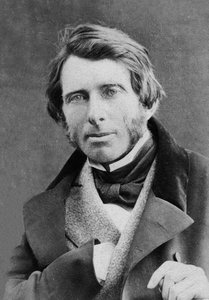
جون راسكين
1819 - 1900 , المملكة المتحدة
حقائق سريعة
- Artistic Movement Or Style: الفن الفيكتوري، النقد الفني
- Artists Or Movements Influenced By This Artist: ['ما قبل الرافائيلية']
- Artists Who Influenced This Artist: ['جيه. إم. دبليو. تيرنر']
- Date Of Birth: 8 فبراير 1819
- Date Of Death: 20 يناير 1900
- Full Name: جون روسكين
- Nationality: بريطاني
- Notable Artworks:
- الفجر، كونيستون
- فورس كلافجيرا
- Place Of Birth: لندن، المملكة المتحدة