

 معاينة الحجم الواقعي
 مشاركة
 مشاركة
 التفاصيل
 دليل
دليل

 تحميل الملف
 قطع مشابهة
 الأشعة السينية
 عرض شرائح
 Q&A
Q&A الإحصائيات
Egyptian Water Jars

- 25.0 x 35.0 cm


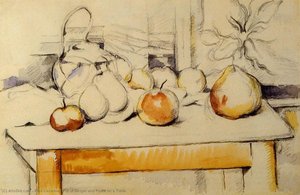
John Singer Sargent's "Egyptian Water Jars" captures Impressionistic light and movement as figures gather around ornate water jars amidst a vibrant melon display—a serene tableau reflecting the beauty of everyday life.
 عرض المزيد
اكتشف عالم جون سينغر سارجنت، الرائد في فن الرسم البورتريه خلال الحقبة الذهبية! استمتع بلوحاته الأيقونية مثل "السيدة إكس" و المناظر الطبيعية الانطباعية التي تجسد أناقة العصر الفيكتوري.
طباعة جيلي / مطبوعات فنية
طباعة جيكلي أو كانفاس بجودة المتاحف، مع سرعة في التنفيذ وخيارات متنوعة للتشطيب. ( شراء لوحة مرسومة يدويًا الانتقال إلى الصورة الرقمية)




P118B E£10

P118H E£10

P118W E£10

P438Z E£10

P508JH E£12

P508YH E£12

P805H E£10

P805Z E£10

P919BZ E£10

P919G E£10

P919XJ E£10

P959ZH E£10

P968JZ E£12

W106C E£8

W218G E£10

W218JH E£8

W218Y E£10

W307PJ E£10

W316G E£10

W316PJ E£8

W316Y E£10

W398PJ E£8

W4111J E£10

W500HY E£15

W500JH E£15

W692G E£12

W849H E£8

W940BG E£15

W953PJ E£8




قياسي
حسب الطلب
CM
INCH
اختر من بين أحجامنا المُعدّة مسبقاً والتي تتوافق مع النسب الأصلية للعمل الفني.
Loading sizes...

العرض
الارتفاع
أدخل العرض والارتفاع المطلوبين ليتناسب المقاس مع إطارك أو جدارك. يرجى الملاحظة أن المطبوعة يمكن قصها فقط ولا يمكن تكبيرها لتتجاوز أبعاد الصورة الأصلية، لذا فإن اختيار مقاس بأبعاد مختلفة سيؤدي إلى فقدان جزء من الصورة. سنرسل لك نموذجاً رقمياً تجريبياً لاعتماده قبل البدء في عملية الطباعة. الصورة المعروضة في هذه الصفحة لا توضح شكل القص الفعلي — النموذج التجريبي فقط هو ما يظهر ذلك بدقة.
توصيل عالمي إلى خلال أسبوعين بدلاً من المدة القياسية البالغة 4/5 أسابيع. (3 نوفمبر)

شحن سريع ومجاني لجميع أنحاء العالم

قماش كتان عالي الجودة

تأمين شامل على الشحن

ضمان استرداد الرسوم الجمركية

ضمان مطابقة الألوان الحقيقية

سياسة الإرجاع خلال 100 يوم (في حالات العيوب فقط)

ضمان استرداد نقدي بنسبة 100%

خصم عند طلب كميات
 خيار الزجاج متاح فقط للمقاسات التي تقل عن 110 سم

Egyptian Water Jars
طباعة جيلي / مطبوعات فنية
مقاس النسخة المطبوعة
-


إجمالي السعر النهائي
E£ 3609
A Symphony of Light and Leisure
In the delicate dance of watercolor and pencil, John Singer Sargent’s “Egyptian Water Jars” emerges as a breathtaking testament to the ephemeral beauty of a single moment. Created in 1885 during his transformative Parisian period, this masterpiece transcends a mere depiction of fruit and figures; it is an invitation into the luminous atmosphere of the Belle Époque. The painting captures a scene of quiet conviviality, where individuals are gathered amidst a bountiful harvest of melons and cantaloupes. There is a profound sense of ease in the composition, as figures sit and stand in relaxed postures, their presence woven seamlessly into the landscape of fruit. Sargent does not merely paint a subject; he paints the very air that surrounds it, capturing the warmth of sunlight filtering through the scene and the gentle hum of social connection.
The technique employed here is a masterclass in the Impressionist rebellion against the rigid constraints of academic realism. Eschewing the heavy, blended shadows of traditional portraiture, Sargent utilizes short, broken brushstrokes that seem to vibrate upon the paper. This approach allows light to play across the surfaces of the melons, creating a shimmering, tactile quality that mimics the way the human eye perceives brilliance in motion. By utilizing a sophisticated palette of complementary colors—specifically the interplay between sun-drenched yellows and cool, atmospheric blues—Sargent achieves a visual tension that makes the colors sing with an almost audible intensity. For the discerning collector or interior designer, this piece offers a dynamic energy that can breathe life into any space, providing a focal point that shifts and evolves depending on the light of the room.
Historical Resonance and Emotional Depth
To understand “Egyptian Water Jars,” one must look to the vibrant cultural landscape of late 19th-century Europe. As a contemporary of titans like Monet and Renoir, Sargent was deeply immersed in the movement's pursuit of capturing the "impression" over the literal. This work reflects the optimism of an era defined by social reform and technological wonder, where the beauty of everyday life—the simple pleasure of a shared meal or a summer afternoon—was elevated to the status of high art. The painting serves as a window into a lost world of leisure, evoking a sense of nostalgia that is both bittersweet and deeply comforting.
Beyond its technical brilliance, the artwork carries a profound emotional weight. It speaks to the universal human desire for connection and the appreciation of nature's abundance. The way the figures are nestled among the varying shapes and sizes of the fruit suggests a harmonious relationship between humanity and the earth. For those seeking to adorn their homes with art that inspires tranquility and joy, this reproduction offers more than just aesthetic beauty; it provides an emotional sanctuary. It is a piece that invites the viewer to linger, to breathe, and to find magic in the fleeting, sun-drenched moments of existence.
الأسئلة والأجوبة
إلى أي حركة فنية وأي عصر تنتمي لوحة "Egyptian Water Jars" للفنان جون سينغر سارجنت؟
تندرج لوحة "Egyptian Water Jars" للفنان جون سينغر سارجنت ضمن حركة Impressionism، وذلك في حقبة القرن التاسع عشر لمبدعها.
هل يمكنني رؤية عرض بالأشعة السينية لـ "Egyptian Water Jars" للفنان جون سينغر سارجنت؟
يمكن فحص "Egyptian Water Jars" طبقة تلو الأخرى عبر صفحة الأشعة السينية الخاصة بالعمل الفني، وهو عرض تفاعلي مستوحى من طاولة الإضاءة التي يستخدمها المرممون، ويقدم إحدى عشرة قراءة بصرية للصورة.
كيف يمكنني الحصول على نسخة رقمية من "Egyptian Water Jars" للفنان جون سينغر سارجنت؟
تتوفر "Egyptian Water Jars" كـ تحميل صورة رقمية عالية الدقة، ويمكن شراؤها مباشرة عبر صفحة نسخة رقمية عالية الدقة الخاصة بها.
أعمال فنية ذات صلة



السيرة الذاتية للفنان
جون سينغر سارجنت: بين الأناقة والضوء
في قلب عصر النهضة الجديدة، وبريق المجتمع الراقي في أواخر القرن التاسع عشر، يبرز اسم جون سينجر سارجنت كأحد أبرز فناني البورتريه في عصره. وُلد الفنان في فلورنسا بإيطاليا عام 1856 لعائلة أمريكية من المهجر، قضى طفولته يتنقل بين أوروبا وأمريكا، مما أتاح له فرصة استثنائية لامتصاص ثقافات متعددة والتعرف على كنوز الفن الأوروبي. لم يحظ سارجنت بتعليم رسمي تقليدي، بل اكتسب معرفته من خلال التجوال في المتاحف والكنائس القديمة، مما صقل عينيه ووجهه نحو التفاصيل الدقيقة والتراكيب البصرية المعقدة. كان والده طبيبًا وأمه رسامة هاوية، وقد شجعا موهبته الفنية منذ الصغر، مدركين حدة ملاحظته وقدرته على التقاط الجمال.من باريس إلى العالمية: رحلة فنان في صعود
في عام 1874، انطلق سارجنت في رحلة تحولية إلى باريس، حيث التحق باستوديو كارلوس دوران، الفنان البورتريه الشهير. تحت إشراف دوران، أتقن سارجنت تقنية "الرسم المباشر"، وهي طريقة تتجنب الرسومات التمهيدية وتفضل التطبيق الفوري للون على القماش. هذه التقنية عززت قدرته على تصوير الشخصيات بدقة وسرعة فائقة، وأصبحت علامة مميزة لأسلوبه الفريد. لم يقتصر الأمر على إتقان الرسم، بل سعى سارجنت إلى التقاط جوهر الشخصية، ليس فقط ملامحها الخارجية، بل أيضًا شخصيتها الداخلية ومشاعرها الخفية. تأثر الفنان بشدة بفن الإسباني دييغو فيلاسكيز، واستلهم من قدرته المذهلة على استخدام الضوء واللون لخلق تأثيرات درامية وعميقة. سرعان ما اكتسب سارجنت شهرة واسعة في باريس، وأصبح مطلوبًا لترسيم صور أفراد المجتمع الراقي، مما أكسبه مكانة مرموقة في عالم الفن.عاصفة "المدام إكس" وتحديات الشهرة
لم تخلُ مسيرة سارجنت من التحديات والصعوبات. ففي عام 1884، أثارت لوحته "المدام إكس" (صورة السيدة بيير غوتو) جدلاً واسعًا في صالون باريس، حيث اعتبرت تصويرتها الجريئة للسيدة غوتو - بملابسها الفاتحة وشعرها المتدلي - استفزازية وغير لائقة. أدى هذا الانتقاد إلى تدهور سمعة سارجنت وتأثيره على مسيرته المهنية. وعلى الرغم من محاولته لاحقًا لتعديل اللوحة، إلا أن الضرر كان قد وقع بالفعل. دفعه هذا الفشل إلى مغادرة باريس والتوجه إلى لندن عام 1886، حيث وجد جمهورًا أكثر تقبلاً لأعماله. في لندن، واصل سارجنت ترسيخ مكانته كأحد أبرز فناني البورتريه، وقام بتصوير العديد من الشخصيات البارزة من الطبقة الأرستقراطية والمجتمع الراقي.تطور فني: ما وراء البورتريه نحو المناظر الطبيعية
لم يقتصر طموح سارجنت على مجال البورتريه، بل سعى إلى استكشاف آفاق فنية أوسع. بدأ الفنان في الانخراط في رسم المناظر الطبيعية والدراسات الخارجية، مستلهمًا من تقنيات المؤثرين الفرنسيين الذين ركزوا على التقاط اللحظات العابرة والظلال المتغيرة للضوء. أدت هذه التجربة إلى تطوير أسلوبه الفني، مما جعله أكثر حرية وتعبيرًا. رسم سارجنت مشاهد طبيعية خلابة في إنجلترا وإسبانيا والمغرب، مستخدمًا ضربات فرشاة فضفاضة وألوانًا زاهية لخلق انطباعات حية ومؤقتة. من بين أعماله البارزة في هذا المجال لوحة "إيل خاليو"، التي تصور راقصات الفلامنكو الإسبانيات بحركة وديناميكية مذهلتين، ولوحة "قرنفل، زنبق، زنبق"، وهي صورة هادئة لفتايتين في حديقة إنجليزية.إرث فني خالد
يظل جون سينجر سارجنت أحد أهم فناني عصره، ليس فقط لمهارته الاستثنائية في رسم البورتريه، بل أيضًا لتطوره الفني المستمر واستكشافه لأساليب جديدة. ترك وراءه إرثًا فنيًا غنيًا ومتنوعًا يشمل لوحات بورتريه مذهلة ومناظر طبيعية آسرة ورسوم جدارية ضخمة. أثرت أعماله في العديد من الفنانين اللاحقين، ولا تزال تلهم عشاق الفن حول العالم. إن قدرته على التقاط الجمال والروح الإنسانية في لوحاته تجعلها خالدة ومؤثرة إلى الأبد.
جون سينغر سارجنت
1856 - 1925 , إيطاليا
حقائق سريعة
- أعمال فنية بارزة:
- المدام إكس
- إل خاليو
- قرنفل، زنبق، زنبق، وردة
- الاسم الكامل: جون سيّنجر سارجنت
- الجنسية: أمريكي
- الحركة الفنية أو النمط: الانطباعية
- الفنانون الذين أثروا في هذا الفنان:
- كارولوس دوران
- دييغو فيلاسكيز
- تاريخ الميلاد: 12 يناير 1856
- مكان الولادة (مدينة وبلد): فلورنسا، إيطاليا
مقالات ذات صلة

Capturing the Light: A Journey Through the Ethereal Magic of Impressionism and Post-Impressionism
Embark on a cultural journey through the luminous world of Impressionism. Discover the profound beauty of Monet, Van Gogh, and Cézanne through expert art history insights and explore how to bring these timeless masterpieces into your home with museum-quality hand-painted reproductions.
استكشف الأعمال الفنية المصنفة حسب الموضوعات والأنماط والخصائص.


