


 معاينة الحجم الواقعي
 إرسال
إرسال مشاركة
 عرض التفاصيل
 دليل الأعمال الفنية للطلاب

 تحميل
تحميل
 قطع مشابهة
 الأشعة السينية
 عرض شرائح متتابع
 الإحصائيات
Self Portrait


Experience the realism of Eastman Johnson's 'Self Portrait' (1860). A captivating oil painting showcasing an American artist’s nuanced portrayal of himself, reflecting a bygone era.
 اقرأ المزيد
اكتشف جوناثان إيستمان جونسون (1824-1906)، 'رامبرانت الأمريكي'! استكشف لوحاته الواقعية، وصوره للينكولن وغيرها، التي تجسد الحياة الأمريكية اليومية بتأثير من كبار رسامي المدرسة الهولندية.
نسخة زيتية مصنوعة يدوياً
لوحة زيتية مرسومة يدوياً على الكانفاس بالمقاس والإطار الذي تفضله، تُنفذ حسب الطلب على أيدي فنانينا. ( التبديل إلى المطبوعات التحويل إلى الصورة الرقمية)




P118B E£10

P118H E£10

P118W E£10

P438Z E£10

P508JH E£12

P508YH E£12

P805H E£10

P805Z E£10

P919BZ E£10

P919G E£10

P919XJ E£10

P959ZH E£10

P968JZ E£12

W106C E£8

W218G E£10

W218JH E£8

W218Y E£10

W307PJ E£10

W316G E£10

W316PJ E£8

W316Y E£10

W398PJ E£8

W4111J E£10

W500HY E£15

W500JH E£15

W692G E£12

W849H E£8

W940BG E£15

W953PJ E£8




مقاس قياسي
مخصص
CM
INCH
اختر من بين أحجامنا المُعدّة مسبقاً والتي تتوافق مع النسب الأصلية للعمل الفني.
Loading sizes...

العرض
الارتفاع
أدخل العرض والارتفاع اللذين تحتاجهما، ليتناسب العمل مع إطارك أو جدارك. وبما أن هذه اللوحة مرسومة يدوياً، ففي حال اختيار مقاس بشكل مختلف، يمكن للفنان رسم مساحة إضافية حول الصورة أو تقليصها قليلاً — الخيار لك. سنرسل لك نموذجاً رقمياً تجريبياً لاعتماده قبل البدء في الرسم. علماً بأن الصورة المعروضة في هذه الصفحة لا تعكس النتيجة النهائية الحقيقية — فالنموذج التجريبي هو الوحيد الذي يوضح ذلك بدقة.
أمثلة على التعديلات الممكنة: استبدال الوجه بصورة العميل؛ إضافة حيوان أليف (مثل استبدال قطة بكلب)؛ تضمين رسالة مخفية في الخلفية؛ تغيير المناظر الطبيعية أو العناصر في الخلفية.
بعد إتمام الطلب، سيرسل فريق TopImpressionists.com بريداً إلكترونياً للعميل لطلب التعليمات وتزويده بمعاينة تجريبية (mockup).
بعد إتمام الطلب، سيرسل فريق TopImpressionists.com بريداً إلكترونياً للعميل لطلب التعليمات وتزويده بمعاينة تجريبية (mockup).
توصيل عالمي إلى خلال 3 إلى 4 أسابيع بدلاً من المدة المعتادة البالغة 5 أسابيع. (22 أكتوبر). جودة لا تهاون فيها.

شحن سريع ومجاني لجميع أنحاء العالم

قماش كتان فاخر

تأمين شامل على الشحن

ضمان استرداد الرسوم الجمركية

ضمان دقة مطابقة الألوان

سياسة الإرجاع خلال 100 يوم (في حالات العيوب فقط)

ضمان استرداد نقدي بنسبة 100%

عرض خصم الكميات
 خيار الزجاج متاح فقط للمقاسات التي تقل عن 110 سم

Self Portrait
وسيط إعادة الإنتاج
مقاس النسخة المطبوعة
-


إجمالي السعر
E£ 13832
A Window into American Realism: Eastman Johnson’s “Self Portrait” (1860)
Eastman Johnson's "Self Portrait" of 1860 is more than just a likeness; it’s a meticulously crafted window into the soul of an era and the quiet dignity of a man. Painted during a pivotal period of American artistic development, this oil-on-canvas work embodies the burgeoning realism that would define Johnson's career and, in many ways, shape the course of 19th-century portraiture. The painting immediately draws the viewer in with its direct gaze – Johnson’s eyes meet ours across time, conveying a sense of thoughtful introspection and understated strength.
The composition is deceptively simple yet profoundly effective. Dressed in a dark, well-tailored coat and holding a red cloth—a subtle detail that hints at theatricality or perhaps a deliberate gesture of presentation – Johnson presents himself against a muted wall adorned with a vase and a clock. These elements aren’t merely decorative; they ground the portrait within a domestic setting, suggesting a life lived within the rhythms of everyday existence. The background's subdued palette further emphasizes the subject, allowing his features and demeanor to take center stage.
The Painter’s Palette: Technique and Style
Johnson’s masterful technique is rooted in the academic traditions he studied in Europe, particularly in Düsseldorf, Germany, where he honed his skills alongside other American artists seeking a rigorous artistic education. However, unlike many of his European contemporaries, Johnson didn't simply replicate established styles; he adapted them to reflect the unique character of American life. His brushwork is precise and controlled, yet imbued with a remarkable sensitivity to light and shadow. Note the subtle gradations in tone that define the contours of his face, creating a sense of volume and depth.
The painting’s realism extends beyond mere representation. Johnson captures not just Johnson's physical appearance but also something of his personality – a quiet confidence tempered by a hint of melancholy. The careful attention to detail—the texture of the coat, the slight furrow in his brow—reveals a deep understanding of human anatomy and expression. It’s a testament to Johnson’s ability to translate observation into compelling visual narrative.
A Man of His Time: Historical Context
To fully appreciate “Self Portrait,” it's essential to understand the social and artistic landscape of 1860 America. The nation was grappling with the aftermath of the Civil War, navigating a period of Reconstruction and profound societal change. Johnson’s work reflects this atmosphere of introspection and quiet resilience. He wasn’t interested in grand historical narratives or idealized representations; instead, he focused on capturing the realities of ordinary American life – a theme that would become increasingly prominent in his later genre paintings.
Johnson's connection to Washington D.C. is particularly significant. He lived and worked there for much of his career, documenting the lives of politicians, businessmen, and everyday citizens. His portraits offer invaluable insights into the social fabric of a rapidly evolving nation. The inclusion of elements like the vase and clock—common features of domestic interiors—further anchors the portrait within this specific context.
Symbolism and Emotional Resonance
While seemingly straightforward, “Self Portrait” is rich in subtle symbolism. The red cloth held in Johnson’s hand could represent passion, creativity, or perhaps a theatrical element – reflecting his involvement in stage design and set dressing. The direct gaze of the subject invites contemplation, prompting us to consider not only Johnson's identity but also our own relationship with self-representation and portraiture itself.
Ultimately, “Self Portrait” is a powerful testament to the enduring appeal of realism as an artistic approach. It’s a painting that speaks to the complexities of human experience – capturing both the outward appearance and the inner life of a man who sought to document his time with honesty, nuance, and a profound appreciation for the beauty of everyday existence.
الأسئلة والأجوبة
هل يمكنني طلب نسخة زيتية مرسومة يدوياً من "Self Portrait"؟
تتوفر النسخ المرسومة يدوياً من "Self Portrait" للفنان جوناثان إيستمان جونسون للبيع عبر هذا الموقع: نسخة زيتية مرسومة يدوياً على قماش الكتان، ويمكن طلبها من خلال صفحة نسخة زيتية مرسومة يدوياً.
هل يُعد "Self Portrait" أحد أكثر أعمال جوناثان إيستمان جونسون شهرة؟
مستوى الشهرة المسجل لـ "Self Portrait" للفنان جوناثان إيستمان جونسون هو Recognized.
كم كان عمر جوناثان إيستمان جونسون عندما أُبدع العمل "Self Portrait"؟
أبدع جوناثان إيستمان جونسون لوحة "Self Portrait" وهو في سن 36. وُلد الفنان في 1824 ويعود تاريخ هذا العمل إلى 1860.
نبذة عن الفنان
حياة نُقشت في سجل الواقعية الأمريكية
جوناثان إيستمان جونسون، ذلك الاسم الذي يتردد بوقار هادئ يحاكي حياة أمريكا في القرن التاسع عشر، لم يكن مجرد رسام عابر؛ بل كان مؤرخاً بصرياً لعصره. وُلد في لوفيل، مين، عام 1824، ولم يكن طريقه نحو الصدارة الفنية مفروشاً بالاحتفاء الفوري، بل كان تجلياً تدريجياً شكلته الروابط العائلية، والتدريب الصارم، والتفاني الذي لا يتزعزع في تصوير العالم كما رآه – بصدق، ودقة، ولمسة من الجمال الشجي. لقد غرس والده، فيليب كاريجان جونسون، الذي شغل مناصب في مجالات الأعمال والمنظمات الأخوية، في نفس إيستمان الصغير شعوراً بالانتماء للمجتمع، وهو ما تغلغل لاحقاً في موضوعاته الفنية. كما وفرت نشأته المبكرة في فرايبورغ وأوجستا بولاية مين التجارب التأسيسية التي صقلت فهمه للحياة اليومية، وهو الفهم الذي ترجمه لاحقاً على لوحاته بحساسية مذهلة. بدأت رحلته التدريبية الرسمية كمتدرب لدى رسام ليتوغراف في بوسطن عام 1840، لتكون الخطوة الأولى في مسيرة اتسمت بالملاحظة الدقيقة والمهارة التقنية العالية. ومع انتقال عائلته إلى واشنطن العاصمة بسبب تعيين والده في البحرية، اتسعت آفاقه، مما عرضه لموضوعات وتجارب متنوعة أثرت ببراعة في رؤيته الفنية.من الأساتذة الهولنديين إلى المشاهد الأمريكية
كان التطور الفني لجونسون عبارة عن تفاعل ساحر بين المؤثرات المختلفة. فبعد أن انجذب في البداية إلى فن البورتريه، سرعان ما وسع نطاق أعماله ليشمل "فن النوع" – وهي مشاهد تجسد الحياة اليومية. لم يكن الأمر مجرد محاكاة للواقع، بل كان محاولة لالتقاط جوهر المجتمع الأمريكي، وتقديم لمحات عن حياة الناس العاديين الذين غالباً ما تغفلهم السرديات التاريخية الكبرى. وجاءت اللحظة الحاسمة في خمسينيات القرن التاسم عشر عندما سافر جونسون إلى لاهاي وانغمس في أعمال الأساتذة الهولندين من القرن السابع عشر. كانت هذه المواجهة تحولية بكل المقاييس؛ حيث استوعب براعتهم في التكوين، والإضاءة، والواقعية، مما أكسبه اللقب المحبب "رامبرانت الأمريكي". ويتجلى هذا التأثير بوضوح في لوحاته – حيث تتميز أساليبه الناضجة بلوحة ألوان هادئة، وتقنية "الكياروسكورو" (التضاد بين الضوء والظلال) الدرامية، واهتمام فوتوغرافي شبه مثالي بالتفاصيل. ومع ذلك، لم يكتفِ جونسون بالتقليد، بل دمج هذه التقنيات الأوروبية مع حساسيته الأمريكية الفريدة، ليخلق أعمالاً تجمع بين البراعة التقنية والجذور العميقة في النسيج الاجتماعي لعصره، منضوياً تحت لواء الحركة الواقعية الصاعدة، ورافضاً التمثيلات المثالية لصالح تصوير دقيق للحياة اليومية، وهو الالتزام الذي صاغ إرثه الفني.شاهد على عصر بأكمله
تتميز أعمال جونسون بتنوع مذهل، حيث تضم بورتريهات لشخصيات بارزة مثل أبراهام لينكولن، وناثانيال هاوثورن، ورالف والدو إيمرسون، وهنري وادزورث لونغفيلو، إلى جانب مشاهد حميمية للحياة المنزلية والريفية. ومع ذلك، تبرز بعض أعماله كعلامات فارقة لما تحمله من نقد اجتماعي وابتكار فني؛ إذ تظل لوحة حياة السود في الجنوب (1859) واحدة من أشهر أعماله وأكثرها إثارة للجدل. فمن خلال تصوير الأمريكيين الأفارقة وهم يستمتعون بوقت فراغهم، أثارت اللوحة نقاشات حادة حول العلاقات العرقية وواقع العبودية في الجنوب قبل الحرب الأهلية. إن الغموض المتأصل في المشهد – هل كان تصويراً رومانسياً أم نقداً مبطناً؟ – أجج نقاشات ترددت أصداؤه بعيداً عن أروقة عالم الفن. ولم تكن استجابته للحرب الأهلية أقل تأثيراً؛ فبدلاً من التركيز على بطولات ساحات القتال، وجه جونسون اهتمامه إلى تأثير الصراع على حياة المدنيين، مبتكراً صوراً مؤثرة لعائلات قلقة ومشاهد بعيدة عن خطوط المواجهة. وتعد لوحة الركض من أجل الحرية (1862)، التي تصور عائلة مستعبدة تهرب نحو الحرية، شهادة قوية على التزامه بالعدالة الاجتماعية. كما احتفت تصويراته للحياة الريفية في نيو إنجلاند – مثل حصاد سكر القيقب وجمع التوت البري – بالقيم الأمريكية التقليدية والحرفية بتبجيل هادئ.إرث يتجاوز حدود اللوحة
بعيداً عن إنجازاته الفنية، لعب جونسون دوراً حاسماً في تشكيل المشهد الفني الأمريكي. فقد ساهم تفانيه في فن النوع في الارتقاء به كشكل محترم من أشكال التعبير الفني، متحدياً المفاهيم السائدة حول ما يشكل "الفن الرفيع". لم يكن مجرد فنان، بل كان مدافعاً ثقافياً؛ حيث امتد التزامه إلى ما وراء ممارسته الخاصة، وتوج بالمشاركة في تأسيس متحف المتروبوليتان للفنون في مدينة نيويورك – وهو دليل على إيمانه بقدرة الفن على التعليم والإلهام. واسمه محفور عند مدخله، كاعتراف دائم بمساهمته الجليلة في التراث الفني للأمة. إن تأثير جونسون على الواقعية الأمريكية لا يمكن إنكاره؛ فقد مهد تفانيه في تصوير الحياة اليومية بصدق وتفصيل الطريق للأجيال القادمة من الفنانين الذين سعوا لالتقاط تعقيدات التجربة الإنسانية. واليوم، يُذكر جوناثان إيستمان جونسون ليس فقط كرسام موهوب تقنياً، بل كمراقب متأمل للمجتمع الأمريكي، لا تزال أعماله تتردد أصداؤها بفضل أهميتها المستمرة وعمقها العاطفي.أهمية خالدة
يمتد إرث جونسون إلى ما هو أبعد من لوحات محددة أو مساهمات مؤسسية؛ فقد كان رائداً في جسر الفجوة بين التقاليد الفنية الأوروبية والموضوعات الأمريكية الخالصة. إن قدرته على إضفاء معنى عميق على المشاهد العادية، ورغبته في الاشتباك مع القضايا الاجتماعية المعقدة، والتزامه الراسخ بالواقعية، كلها أمور رسخت مكانته كشخصية محورية في الفن الأمريكي في القرن التاسع عشر. لم يكن مجرد مسجل للحياة، بل كان مفسراً لها، مما دفع المشاهدين للتأمل في قيمهم ومعتقداتهم الخاصة. إن عمله يظل تذكيراً قوياً بأن الفن الحقيقي لا يكمن فقط في المهارة التقنية، بل في القدرة على التواصل مع الروح البشرية وإضاءة العالم من حولنا. رحل عن عالمنا في مدينة نيويورك عام 1906، تاركاً وراءه نتاجاً فنياً يستمر في جذب الألباب وإلهام العقول، مما يضمن بقاء اسمه كرمز بارز في تاريخ الفن الأمريكي.
جوناثان إيستمان جونسون
1824 - 1906 , المملكة المتحدة
لمحة سريعة
- أعمال فنية بارزة:
- حياة السود في الجنوب
- ركوب من أجل الحرية
- امرأة تقرأ
- الاسم الكامل: جوناثان إيستمان جونسون
- الجنسية: أمريكي
- الحركة الفنية أو الأسلوب: الواقعية، فن النوع
- الفنانون أو الحركات المتأثرة بهذا الفنان: ['الواقعية الأمريكية']
- الفنانون الذين أثروا في هذا الفنان:
- الأساتذة الهولنديون
- جان فرانسوا ميليه
- تاريخ الميلاد: 29 يوليو 1824
- تاريخ الوفاة: 5 أبريل 1906
- مكان الميلاد: لويل، المملكة المتحدة
مقالات ذات صلة
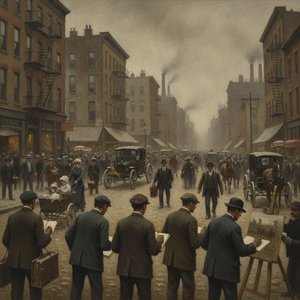
The Ashcan School: Capturing the Raw, Unfiltered Soul of Urban Life through American Realism
Discover the raw beauty of the Ashcan School. Explore how masters like Bellows and Henri captured the gritty, vibrant soul of early 20th-century New York through profound American Realism and evocative urban landscapes.

The Unvarnished Truth: A Cultural Journey Through the Soul of American Realism
Explore the profound beauty of American Realism. From the Ashcan School's urban grit to intimate portraits, discover how artists captured the authentic soul of a nation through unvarnished truth and masterful observation.

The Raw Truth: A Definitive Guide to the Power and Legacy of Social Realism Art
Explore the profound impact of Social Realism. Discover how masters like Courbet rejected idealism to capture the raw, socio-political truths of the working class through powerful, unvarnished art history and enduring visual critique.