


 معاينة الحجم الواقعي
 إرسال
إرسال مشاركة
 عرض التفاصيل
 دليل الأعمال الفنية للطلاب

 تحميل
تحميل
 قطع مشابهة
 الأشعة السينية
 عرض شرائح متتابع
 الإحصائيات
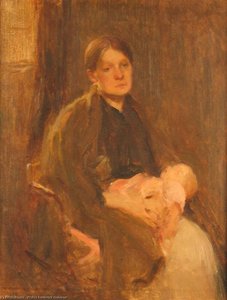
Maternité
 Contemporary Realism
 65.0 x 54.0 cm
Admire Julia Beatrice How’s ‘Maternité,’ a poignant oil painting of mother & child. Realistic style, layered textures, & soft lighting capture tender intimacy. Discover this unique artwork.
Julia Beatrice How (1865-1932) was a British painter celebrated in France for her delicate portraits of mothers & children, nudes, and still lifes. Compared to Morisot & Cassatt, she exhibited widely but remained underappreciated in Britain. Discover
 اقرأ المزيد
احصل على صورة رقمية عالية الدقة ومعزّزة، بجودة تفوق بكثير المعاينة عبر الإنترنت.
يتم إعداد كل ملف بعناية فائقة على أيدي متخصصينا باستخدام أدوات متقدمة ولمسات يدوية خبيرة، لضمان تمتع كل صورة بوضوح استثنائي، ودقة لونية متناهية، وتفاصيل دقيقة.
يتم تسليم الملف النهائي عبر البريد الإلكتروني في غضون 72 ساعة، وهو مُحسَّن للاستخدام الفوري في المجالات المهنية والتحريرية ومجالات الطباعة؛ وهي ذات الجودة التي تعتمد عليها كبرى استوديوهات التصميم ودور النشر والمعارض الفنية المرموقة.
صورة رقمية
حمّل ملفاً عالي الدقة للعرض الشخصي، والطباعة، والمشاريع الإبداعية. ( التبديل إلى المطبوعات اطلب نسخة مرسومة يدويًا)
مزايا مُضمّنة مع كل طلب صورة رقمية
خدمة تسليم رقمي احترافية ومضمونة
عندما تختار TopImpressionists.com، فأنت لا تحصل على مجرد صورة فحسب، بل ستحصل على عمل فني رقمي مُحسّن باحترافية، صُمم بدقة متناهية ومصحوب بضمان الرضا. إليك كل ما يتضمنه طلبك تلقائياً:

تسليم سريع عبر البريد الإلكتروني
ستصلك ملفات صورك الرقمية عالية الدقة عبر البريد الإلكتروني في غضون 72 ساعة من إتمام الطلب - لتكون جاهزة للاستخدام الفوري.

ملف رقمي مُعزز بالذكاء الاصطناعي
يتم تحسين عملك الفني باحترافية باستخدام أدوات الذكاء الاصطناعي المتقدمة والتحرير اليدوي، لضمان أقصى درجات التفاصيل والوضوح ودقة الألوان.

إعادة إرسال مجانية مدى الحياة
هل حذفت ملفك أو فقدته عن طريق الخطأ؟ لا تقلق - سنعيد إرساله إليك في أي وقت، مجاناً.

بدون رسوم استيراد - على الإطلاق
استمتع بأعمالك الفنية فوراً دون أي رسوم جمركية أو ضرائب أو مصاريف شحن - فالتحميلات الرقمية دائماً ما تكون معفاة من الضرائب.

ضمان دقة الألوان
نضمن لك دقة انعكاس الألوان الأصلية في صورتك الرقمية بأقصى قدر ممكن، وذلك باستخدام أدوات احترافية وتقنيات متطورة لإدارة الألوان.

ضمان الرضا لمدة 100 يوم
إذا لم تكن راضياً عن صورتك الرقمية، فسنقوم بتعديلها أو استرداد 100% من قيمتها خلال 100 يوم - دون طرح أي أسئلة.

ضمان استعادة الأموال بنسبة 100%
لم تكن راضياً؟ استرد كامل المبلغ خلال 100 يوم من استلام ملفك الرقمي - دون طرح أي أسئلة.

خصومات الطلبات الكبيرة
اشتري 3 صور، ووفر 10% - اشتري 5، ووفر 15% - اشتري +10، ووفر 20%. مثالية للمشاريع الإبداعية، والمعارض، والوكالات.
أعمال فنية مشابهة




سيرة الفنان
A Quiet Voice Amidst Impressionistic Brilliance
Julia Beatrice How remains a somewhat overlooked figure in the annals of British art history, yet her paintings—particularly those produced during her formative years in France—hold a distinctive charm and capture a nuanced portrayal of motherhood and domestic life. Born in Devon to a family of silversmiths, How’s early life was marked by tragedy as both her parents succumbed to illness before she reached adulthood, shaping her resilience and fostering an independent spirit that would define her artistic journey. This early loss perhaps instilled in her the profound sensitivity with which she approached her subjects, finding beauty in the fleeting, tender moments of human connection.
Her formal education began at the Herkomer School at Bushey, Hertfordshire, where she honed her drawing skills alongside fellow artists preparing for careers in illustration and painting. However, it was a move to Paris around 1893 that truly propelled How’s artistic development. Drawn to the burgeoning Impressionist movement, she enrolled at the Académie Delecluse, immersing herself in the techniques championed by luminaries like Claude Monet and Pierre-Auguste Renoir—artists whose exploration of light and color profoundly impacted her own aesthetic sensibilities.
The Parisian Influence and Artistic Evolution
How quickly established herself as a respected artist within Parisian circles, gaining recognition from influential figures such as Auguste Rodin, Camille Claudel, and Lucien Simon. These encounters fostered an appreciation for sculptural form and expressive gesture, subtly informing the composition and emotional depth of her paintings. Her work began to reflect a sophisticated understanding of how light interacts with the human figure, moving beyond mere representation toward a more atmospheric and emotive experience.
Her debut exhibition at the Société nationale des beaux-arts in 1902 showcased a remarkable output—approximately 147 works—demonstrating her unwavering dedication to her craft and securing her place amongst the prominent painters of the era. Through this massive display, she proved herself not merely a student of the French masters, but a contributor to the vibrant dialogue of late 19th and early 20th-century art.
Themes of Tenderness and Technique
Her favored subjects included intimate portraits of mothers and children, rendered with meticulous detail and imbued with tenderness. In works such as Maternité and L'ombrelle bleu, one can observe her ability to transform the domestic sphere into a stage for profound emotional resonance. She skillfully employed various media to achieve her vision:
- Pastel Crayons: Used to capture soft textures and the delicate glow of skin.
- Oils: Employed to create layered depth, rich textures, and a sense of permanence in her portraits.
- Watercolors: Utilized for their transparency and ability to evoke light, airy atmospheres.
By blending these mediums, How achieved a remarkable level of tonal subtlety, allowing the play of shadow and light to breathe life into her figures. Her legacy is one of quiet strength; while she may not have sought the radical stylistic upheavals of the avant-garde, her ability to capture the ephemeral beauty of the maternal bond remains a testament to her enduring talent and her unique place in the lineage of British and French Impressionism.

Julia Beatrice How
1867 - 1932 , United Kingdom
حقائق سريعة
- Artistic Movement Or Style: Impressionism
- Artists Or Movements Influenced By This Artist:
- Berthe Morisot
- Mary Cassatt
- Artists Who Influenced This Artist:
- Rodin
- Polin
- Besnard
- Lucien Simon
- Date Of Birth: Devon, United Kingdom (1865)
- Date Of Death: 1932
- Full Name: Julia Beatrice How
- Nationality: British
- Notable Artworks:
- L'ombrelle bleu
- Maternité
- Place Of Birth: Bideford, Devon