

Shown: · With its frame:
 معاينة الحجم الواقعي
 إرسال
إرسال مشاركة
 عرض التفاصيل
 دليل الأعمال الفنية للطلاب

 تحميل
تحميل
 قطع مشابهة
 الأشعة السينية
 عرض شرائح متتابع
 Q&A
Q&A الإحصائيات
- 70.0 x 70.0 cm


E£ 14074
نسخة زيتية مصنوعة يدوياً
لوحة زيتية مرسومة يدوياً على الكانفاس بالمقاس والإطار الذي تفضله، تُنفذ حسب الطلب على أيدي فنانينا. ( التبديل إلى المطبوعات التحويل إلى الصورة الرقمية)
Size
·مقاس قياسي
مخصص
CM
INCH
اختر من بين أحجامنا المُعدّة مسبقاً والتي تتوافق مع النسب الأصلية للعمل الفني.
Loading sizes...

العرض
الارتفاع
أدخل العرض والارتفاع اللذين تحتاجهما، ليتناسب العمل مع إطارك أو جدارك. وبما أن هذه اللوحة مرسومة يدوياً، ففي حال اختيار مقاس بشكل مختلف، يمكن للفنان رسم مساحة إضافية حول الصورة أو تقليصها قليلاً — الخيار لك. سنرسل لك نموذجاً رقمياً تجريبياً لاعتماده قبل البدء في الرسم. علماً بأن الصورة المعروضة في هذه الصفحة لا تعكس النتيجة النهائية الحقيقية — فالنموذج التجريبي هو الوحيد الذي يوضح ذلك بدقة.
 اقرأ المزيد
Finish
·
White E£1

Blurside E£1

Extended E£1

P118B E£10

P118H E£10

P118W E£10

P438Z E£10

P508JH E£12

P508YH E£12

P805H E£10

P805Z E£10

P919BZ E£10

P919G E£10

P919XJ E£10

P959ZH E£10

P968JZ E£12

W106C E£8

W218G E£10

W218JH E£8

W218Y E£10

W307PJ E£10

W316G E£10

W316PJ E£8

W316Y E£10

W398PJ E£8

W4111J E£10

W500HY E£15

W500JH E£15

W692G E£12

W849H E£8

W940BG E£15

W953PJ E£8

H24-GOLD E£30

H24-SILVER E£30

H36-GOLD E£45

H36-SILVER E£45
Shipped in a protective tube, ready for your own framer.
Above 105 cm the frame is shipped as a kit for a professional framer — read the details.
Extras
optionalWhat do the extras include?
Examples of what can be changed: Replace face with customer photo; Add pet (e.g., replace cat with dog); Include hidden message in background; Change background landscape or elements.
After order, TopImpressionists.com team will email client for instructions and provide a mockup preview
After order, TopImpressionists.com team will email client for instructions and provide a mockup preview
توصيل عالمي إلى خلال 3 إلى 4 أسابيع بدلاً من المدة المعتادة البالغة 5 أسابيع. (31 أكتوبر). جودة لا تهاون فيها.
ورنيش حماية
لوحة التعريف
تفاصيل اللوحة البرونزية المحفورة
This elegant plaque features the artist's name and the title of the artwork, finely engraved for a timeless presentation.
It is made from bronze with a refined, elegant finish. The text is precisely laser-engraved for a sharp and permanent result. Measuring 9x2 cm, the plaque is compact yet easy to read. It's built to be durable and scratch-resistant, offering a professional, museum-quality look. Mounting is simple thanks to the included adhesive backing.
تفاصيل اللوحة الأكريليكية الشفافة
The plaque includes essential engraved details such as the artist's name, the title of the artwork, the date it was created, the type of media used-like oil on canvas or watercolor-a brief description of the piece, and a QR code that links to the complete artwork information.
It is crafted from clear acrylic, offering a sleek, modern appearance. The text is UV-engraved in black to ensure strong visual contrast. With a size of 10x15 cm, it ensures optimal readability. It comes equipped with two metal hooks for secure wall mounting. The plaque is designed to be weather-resistant, making it suitable for various environments, and it includes interactive features that work seamlessly with smartphone scanning.
تفاصيل اللوحة الأكريليكية السوداء
This elegant plaque includes engraved information such as the artist's name, the title of the artwork, the date it was created, the type of media used (like oil on canvas or watercolor), a short description of the artwork, and a QR code for quick access to more information.
The plaque itself is made from refined black acrylic with a premium finish. The text is laser-engraved in white for high contrast and readability. Its size is 10x15 cm, designed to be easy to read. It comes with two metal hooks for professional mounting. The design is sleek and fits any interior style. It is also weather-resistant and durable, with built-in digital integration for mobile compatibility.
خيار الزجاج متاح فقط للمقاسات التي تقل عن 110 سم
 خيار الزجاج متاح فقط للمقاسات التي تقل عن 110 سم
- شحن سريع ومجاني لجميع أنحاء العالم
- قماش كتان فاخر
- تأمين شامل على الشحن
- ضمان استرداد الرسوم الجمركية
- ضمان دقة مطابقة الألوان
- سياسة الإرجاع خلال 100 يوم (في حالات العيوب فقط)
- ضمان استرداد نقدي بنسبة 100%
- عرض خصم الكميات


وصف المقتنيات
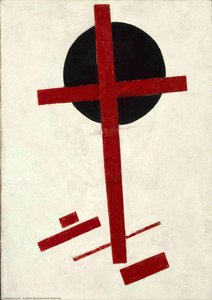
Explore 'Province' (1912) by Kazimir Malevich, a pivotal work showcasing his transition towards Suprematism. Discover the vibrant Cubist style and its influence on modern art.
نبذة عن الفنان
كازيمير ماليفيتش (1878-1935): فنان أوكراني رائد في تأسيس السوررية وأيقونة الفن التجريدي. استكشف أعماله الشهيرة مثل "المربع الأسود"، والأشكال الهندسية، وتأثير الشعور الخالص على فن القرن العشرين.
About the painting
A Glimpse into Village Life: Decoding Kazimir Malevich’s ‘Province’
Kazimir Malevich's 1912 painting, ‘Province’, offers a fascinating window into a pivotal moment in the artist’s development – a period of vibrant experimentation before his radical embrace of pure abstraction. Executed with delicate gouache on paper, this work isn’t the stark geometry for which he would become world-renowned, but rather a lively depiction of everyday life unfolding within a village setting. Figures stroll along a street, some shielding themselves from the elements with umbrellas, adding dynamic movement and a sense of bustling activity to the scene. A handbag casually held by one of the figures grounds the composition in relatable reality. It’s a snapshot of human existence, rendered with an observant eye and a burgeoning artistic voice.
Bridging Realities: Cubism and Early Malevich
‘Province’ is firmly rooted within the stylistic currents of early 20th-century art, specifically Cubism. The painting demonstrates Malevich's engagement with this revolutionary movement, evident in the fragmented forms and flattened perspectives that subtly deconstruct the traditional representation of space. However, unlike the analytical Cubism of Picasso or Braque, ‘Province’ retains a warmth and accessibility. The buildings aren’t entirely dissolved into geometric shards; they remain recognizable structures, albeit viewed through a fractured lens. This suggests Malevich wasn't simply adopting a style but actively processing it, filtering it through his own unique sensibility shaped by his Ukrainian upbringing and the folk art traditions he encountered in his youth. The painting feels less like an intellectual exercise in dismantling form and more like an attempt to capture the *feeling* of a place – its energy, its atmosphere, its inherent dynamism.
The Path to Suprematism: A Transitional Masterpiece
Understanding ‘Province’ requires acknowledging its crucial position within Malevich's artistic trajectory. Born in Kyiv Oblast, Ukraine, to a Polish family, his early life was steeped in the rich visual culture of the region. He initially explored Impressionism, Symbolism and Fauvism before embracing Cubism, but it was his relentless pursuit of “pure feeling” that ultimately led him to develop Suprematism – an entirely non-objective art form focused on basic geometric shapes. ‘Province’ represents a vital stepping stone towards this radical departure. It's where we see the seeds of abstraction being sown within a still recognizable world. The simplification of forms, the emphasis on color and composition over precise representation—these are all precursors to the iconic black square that would soon dominate his oeuvre. The painting is not merely a stylistic experiment; it’s a testament to an artist grappling with fundamental questions about art's purpose and its relationship to reality.
Emotional Resonance and Interior Harmony
Beyond its historical significance, ‘Province’ possesses a captivating emotional quality. The vibrant colors and lively composition evoke a sense of warmth and nostalgia. It’s a painting that invites contemplation, prompting viewers to imagine the stories unfolding within this bustling village scene. For an interior designer, a reproduction of ‘Province’ offers a unique opportunity to introduce a touch of early modernism without sacrificing warmth or approachability. Its palette complements a range of décor styles, from Scandinavian minimalism to eclectic bohemian spaces. The painting's relatively small size (70 x 70 cm) makes it ideal for smaller rooms or as part of a curated gallery wall. It’s a piece that speaks not only to art enthusiasts but also to those seeking to create a harmonious and inspiring living environment.
الأسئلة والأجوبة
هل يُعد "Province" أحد أكثر أعمال كازيمير ماليفيتش شهرة؟
مستوى الشهرة المسجل لـ "Province" للفنان كازيمير ماليفيتش هو Iconic.
ما هي الوسائط المستخدمة في تنفيذ "Province" للفنان كازيمير ماليفيتش؟
استخدم كازيمير ماليفيتش تقنية Acrylic On Canvas في عمل "Province"، وتحدد هذه التقنية الطبيعة المادية للعمل الأصلي.
ما هو الحجم والاتجاه الموصى بهما لطباعة "Province" للفنان كازيمير ماليفيتش؟
بالنسبة لـ "Province"، فإن إعداد الطباعة الموصى به هو بحجم Large وبوضعية Square.
Quick facts and art quiz
About كازيمير ماليفيتش

كازيمير ماليفيتش
1878 - 1935, أوكرانيا
نبذة عن الفنان
كازيمير ماليفيتش: رائد الفن المجرد
في قلب المشهد الفني الروسي المضطرب في أوائل القرن العشرين، ظهر كازيمير ماليفيتش، فنانٌ أحدث ثورةً في مفهوم الصورة الفنية. وُلد في منطقة كييف الأوكرانية عام 1878، نشأ ماليفيتش في بيئة ريفية غنية بالتراث الشعبي التقليدي، وهو ما ترك بصماتٍ خفية على مسيرته الفنية اللاحقة. لم يكن طريقه إلى العبقرية مفروشًا بالورود؛ فقد واجه تحدياتٍ شخصية وفنية، لكنه استمر في البحث عن لغة فنية جديدة تتجاوز حدود التمثيل التقليدي.
في بداياته، انغمس ماليفيتش في دراسة مختلف الأساليب الفنية السائدة، بدءًا من الانطباعية والرمزية وصولًا إلى الفوفية والتكعيبية. رحلةٌ إلى باريس عام 1912 كانت بمثابة نقطة تحولٍ حاسمة في حياته المهنية؛ حيث تعرض لأحدث التطورات في الفن الأوروبي، مما أثار فيه الرغبة في التحرر من قيود التمثيل الواقعي. بدأ ماليفيتش يميل نحو تبسيط الشكل وتجريده، ساعيًا إلى إيجاد لغة فنية تقوم على الأشكال الهندسية الأساسية والألوان النقية.
نشأة السوبرماتية: ثورة في الفن
في عام 1915، أعلن ماليفيتش عن ولادة حركة "السوبرماتية"، وهي حركة فنية تهدف إلى تحقيق "السيادة المطلقة للمشاعر". رفضت السوبرماتية أي محاولة لتصوير الأشياء المرئية في العالم، مفضلةً التركيز على الأشكال الهندسية البسيطة مثل المربعات والدوائر والمستطيلات. لم يكن الهدف من ذلك هو تجاهل الواقع، بل هو البحث عن مستوى أعمق من التعبير الفني يتجاوز الحواس الظاهرية ليصل إلى جوهر المشاعر الروحانية.
"المربع الأسود" (1915) يُعدّ العمل الأكثر شهرةً لماليفيتش، ويمثل نقطة تحولٍ جذرية في تاريخ الفن. لم يكن هذا المربع مجرد شكل هندسي بسيط؛ بل كان بمثابة بيان فني جريء يتحدى المفاهيم التقليدية للجمال والتمثيل. "الأبيض على الأبيض" (1918) هي سلسلة من الأعمال التي استكشفت نقاء الشكل واللون، حيث تظهر أشكال هندسية بيضاء على خلفية بيضاء، مما يدفع بالتجريد إلى أقصى حدودِه. كما أن عمله "بيت قيد الإنشاء" (1916) يمثل مثالًا مبكرًا على السوبرماتية، حيث يعرض وجهة نظره الفريدة حول الثقافة الأوكرانية من خلال أشكال مجردة.
تأثير ماليفيتش وإرثه الفني
لم يكن تأثير ماليفيتش مقتصرًا على الحركة السوبرماتية فحسب؛ بل امتد ليشمل العديد من الحركات الفنية اللاحقة، مثل الحد الأدنى والبنائية. تحدى ماليفيتش المفاهيم التقليدية للتمثيل في الفن، وفتح الباب أمام أشكال جديدة من التعبير المجرد. أفكاره حول "السيادة المطلقة للمشاعر" ألهمت العديد من الفنانين لاستكشاف العلاقة بين الفن والعاطفة والروحانية.
على الرغم من مواجهته صعوبات سياسية في سنواته الأخيرة، حيث تعرض لقمعٍ من قبل النظام السوفيتي، استمر ماليفيتش في ممارسة فنّه وتدريسه حتى وفاته عام 1935. اليوم، يُعتبر كازيمير ماليفيتش أحد أهم الشخصيات في تاريخ الفن الحديث، ورمزًا للابتكار والتجريب والبحث الدائم عن طرق جديدة للتعبير عن الذات.
الرؤية الفلسفية: ما وراء الشكل
لم يكن ماليفيتش فنانًا فحسب، بل كان أيضًا فيلسوفًا وفكرًا عميقًا. كانت كتاباته النظرية، مثل "من التكعيبية إلى المستقبلية إلى السوبرماتية" (1915) و "العالم اللا موضوعي" (1926)، بمثابة دليلٍ لفهم رؤيته الفنية. اعتقد ماليفيتش أن الفن يجب أن يتجاوز العالم المادي ليصل إلى مستوى أعمق من الوعي، حيث تتلاشى الأشكال وتظهر المشاعر النقية في شكلها الأصيل.
"الفن ليس انعكاسًا للعالم المادي، بل هو نافذة تطل على عالم المشاعر الروحانية." هذه العبارة تلخص جوهر فلسفة ماليفيتش الفنية. كان يسعى إلى خلق فنٍ يتجاوز حدود اللغة والتعبير التقليدي، فنٍ يلامس الروح مباشرةً ويثير المشاعر العميقة.
Quick facts about كازيمير ماليفيتش
- أعمال فنية بارزة:
- المربع الأسود
- الأبيض على الأبيض
- بيت قيد الإنشاء
- الاسم الكامل: كازيمير ماليفيتش
- الجنسية: أوكراني/روسي
- الحركات الفنية المتأثرة:
- التعبيرية التجريدية
- الإنطباعية
- الحركة الفنية: التفوقية، فن تجريدي
- الفنانون المؤثرون:
- بول سيزان
- فرناند ليجر
- تاريخ الميلاد: 23 فبراير 1878
- مكان الميلاد: كييف، أوكرانيا
استكشف الأعمال الفنية المصنفة حسب الموضوعات والأنماط والخصائص.




كازيمير ماليفيتش
Province
() ·
With its frame: · Hand-painted in oil on linen
Total