

Shown: · With its frame:
 معاينة الحجم الواقعي
 إرسال
إرسال مشاركة
 عرض التفاصيل
 دليل الأعمال الفنية للطلاب

 تحميل
تحميل
 قطع مشابهة
 الأشعة السينية
 عرض شرائح متتابع
 Q&A
Q&A الإحصائيات
- 27.0 x 26.0 cm


E£ 14074
نسخة زيتية مصنوعة يدوياً
لوحة زيتية مرسومة يدوياً على الكانفاس بالمقاس والإطار الذي تفضله، تُنفذ حسب الطلب على أيدي فنانينا. ( التبديل إلى المطبوعات التحويل إلى الصورة الرقمية)
Size
·مقاس قياسي
مخصص
CM
INCH
اختر من بين أحجامنا المُعدّة مسبقاً والتي تتوافق مع النسب الأصلية للعمل الفني.
Loading sizes...

العرض
الارتفاع
أدخل العرض والارتفاع اللذين تحتاجهما، ليتناسب العمل مع إطارك أو جدارك. وبما أن هذه اللوحة مرسومة يدوياً، ففي حال اختيار مقاس بشكل مختلف، يمكن للفنان رسم مساحة إضافية حول الصورة أو تقليصها قليلاً — الخيار لك. سنرسل لك نموذجاً رقمياً تجريبياً لاعتماده قبل البدء في الرسم. علماً بأن الصورة المعروضة في هذه الصفحة لا تعكس النتيجة النهائية الحقيقية — فالنموذج التجريبي هو الوحيد الذي يوضح ذلك بدقة.
 اقرأ المزيد
Finish
·
White E£1

Blurside E£1

Extended E£1

P118B E£10

P118H E£10

P118W E£10

P438Z E£10

P508JH E£12

P508YH E£12

P805H E£10

P805Z E£10

P919BZ E£10

P919G E£10

P919XJ E£10

P959ZH E£10

P968JZ E£12

W106C E£8

W218G E£10

W218JH E£8

W218Y E£10

W307PJ E£10

W316G E£10

W316PJ E£8

W316Y E£10

W398PJ E£8

W4111J E£10

W500HY E£15

W500JH E£15

W692G E£12

W849H E£8

W940BG E£15

W953PJ E£8

H24-GOLD E£30

H24-SILVER E£30

H36-GOLD E£45

H36-SILVER E£45
Shipped in a protective tube, ready for your own framer.
Above 105 cm the frame is shipped as a kit for a professional framer — read the details.
Extras
optionalWhat do the extras include?
Examples of what can be changed: Replace face with customer photo; Add pet (e.g., replace cat with dog); Include hidden message in background; Change background landscape or elements.
After order, TopImpressionists.com team will email client for instructions and provide a mockup preview
After order, TopImpressionists.com team will email client for instructions and provide a mockup preview
توصيل عالمي إلى خلال 3 إلى 4 أسابيع بدلاً من المدة المعتادة البالغة 5 أسابيع. (1 نوفمبر). جودة لا تهاون فيها.
ورنيش حماية
لوحة التعريف
تفاصيل اللوحة البرونزية المحفورة
This elegant plaque features the artist's name and the title of the artwork, finely engraved for a timeless presentation.
It is made from bronze with a refined, elegant finish. The text is precisely laser-engraved for a sharp and permanent result. Measuring 9x2 cm, the plaque is compact yet easy to read. It's built to be durable and scratch-resistant, offering a professional, museum-quality look. Mounting is simple thanks to the included adhesive backing.
تفاصيل اللوحة الأكريليكية الشفافة
The plaque includes essential engraved details such as the artist's name, the title of the artwork, the date it was created, the type of media used-like oil on canvas or watercolor-a brief description of the piece, and a QR code that links to the complete artwork information.
It is crafted from clear acrylic, offering a sleek, modern appearance. The text is UV-engraved in black to ensure strong visual contrast. With a size of 10x15 cm, it ensures optimal readability. It comes equipped with two metal hooks for secure wall mounting. The plaque is designed to be weather-resistant, making it suitable for various environments, and it includes interactive features that work seamlessly with smartphone scanning.
تفاصيل اللوحة الأكريليكية السوداء
This elegant plaque includes engraved information such as the artist's name, the title of the artwork, the date it was created, the type of media used (like oil on canvas or watercolor), a short description of the artwork, and a QR code for quick access to more information.
The plaque itself is made from refined black acrylic with a premium finish. The text is laser-engraved in white for high contrast and readability. Its size is 10x15 cm, designed to be easy to read. It comes with two metal hooks for professional mounting. The design is sleek and fits any interior style. It is also weather-resistant and durable, with built-in digital integration for mobile compatibility.
خيار الزجاج متاح فقط للمقاسات التي تقل عن 110 سم
 خيار الزجاج متاح فقط للمقاسات التي تقل عن 110 سم
- شحن سريع ومجاني لجميع أنحاء العالم
- قماش كتان فاخر
- تأمين شامل على الشحن
- ضمان استرداد الرسوم الجمركية
- ضمان دقة مطابقة الألوان
- سياسة الإرجاع خلال 100 يوم (في حالات العيوب فقط)
- ضمان استرداد نقدي بنسبة 100%
- عرض خصم الكميات


وصف المقتنيات
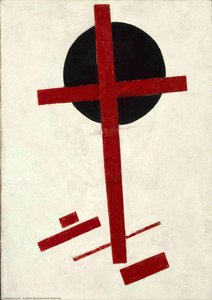
Kazimir Malevich's 'Self-Portrait' (1910) is a vibrant Fauvist masterpiece showcasing bold colors and a serious expression, embodying the spirit of early 20th-century modern art.
نبذة عن الفنان
كازيمير ماليفيتش (1878-1935): فنان أوكراني رائد في تأسيس السوررية وأيقونة الفن التجريدي. استكشف أعماله الشهيرة مثل "المربع الأسود"، والأشكال الهندسية، وتأثير الشعور الخالص على فن القرن العشرين.
About the painting
A Bold Statement of Form and Feeling
Kazimir Malevich's 1910 “Self-Portrait” is not merely a depiction of an individual; it’s a declaration. Painted in gouache on paper, this work stands as a pivotal example of the Fauvist movement – a radical departure from the naturalistic traditions that had dominated Western art for centuries. More than just a portrait, it's a concentrated distillation of color and form, a visual embodiment of Malevich’s burgeoning exploration of pure feeling and abstraction. The painting immediately commands attention with its vibrant palette: a striking red tie dominates the composition, juxtaposed against a background that seems to dissolve into an energetic swirl of blues and greens. This isn’t a realistic rendering; it's an emotional landscape rendered in pigment.
The Fauvist Impulse
Born from a reaction against Impressionism’s focus on capturing fleeting moments of light, Fauvism embraced the deliberate distortion of color for expressive effect. Artists like Henri Matisse and André Derain used intense hues – often divorced from naturalistic representation – to evoke moods and sensations directly. Malevich's “Self-Portrait” perfectly embodies this principle. The bold red isn’t simply a description of his tie; it’s a conduit for energy, confidence, or perhaps even defiance. The artist deliberately avoids subtle gradations, opting instead for flat areas of color that vibrate with intensity. This technique creates a sense of immediacy and raw emotion, pulling the viewer directly into the painting's core.
A Study in Geometric Simplicity
While firmly rooted in Fauvism, Malevich’s work is already hinting at his later development of Suprematism – an even more radical movement that sought to eliminate all representational elements from art. Notice the simplification of form within the portrait itself; the face is rendered with broad strokes and minimal detail, prioritizing the overall composition over a precise likeness. The background, too, is reduced to dynamic shapes and colors, suggesting movement and energy rather than a specific location. This deliberate reduction reflects Malevich’s belief that art should transcend the limitations of the visible world and tap into a realm of pure feeling and spirituality – a concept central to Suprematism.
Context within Post-Impressionism
To understand “Self-Portrait,” it's crucial to situate it within the broader context of Post-Impressionism. This movement, spanning from roughly 1886 to 1905, represented a diverse range of artistic approaches that reacted against Impressionism’s emphasis on capturing light and color. Artists like Paul Cézanne, Vincent van Gogh, and Paul Gauguin explored subjective experience, emotional intensity, and symbolic meaning in their work. Malevich's Fauvist tendencies align with this broader trend toward greater expressiveness and experimentation within the Post-Impressionist landscape. His exploration of color and form paved the way for the revolutionary developments that would characterize 20th-century art.
A Legacy of Abstraction
“Self-Portrait” is more than just a beautiful painting; it’s a foundational work in the history of modern art. It represents a crucial step toward abstraction, demonstrating Malevich's willingness to challenge conventional artistic norms and explore new ways of representing reality – or, perhaps more accurately, representing inner experience. Reproductions of this powerful image continue to resonate with viewers today, offering a glimpse into the mind of a visionary artist who fundamentally altered the course of art history. Explore high-quality reproductions on TopImpressionists.com for a stunning addition to your collection.
الأسئلة والأجوبة
هل تشكل "Self-Portrait" للفنان كازيمير ماليفيتش لوحة شخصية، أم طبيعية، أم ذات تكوين مربع؟
تُعد "Self-Portrait" للفنان كازيمير ماليفيتش تكويناً بصيغة مربعة. ويُنصح بمراجعة الأبعاد قبل اختيار حجم الطباعة.
ما هو الحجم المقترح لـ "Self-Portrait" في غرفة المعيشة؟
التنسيق الموصى به لـ "Self-Portrait" للفنان كازيمير ماليفيتش: طباعة بمقاس حجم متوسط في غرفة المعيشة.
كيف يمتزج الوسيط والأسلوب في "Self-Portrait"؟
تُنفذ لوحة "Self-Portrait" باستخدام ألوان أكريليك على ورق، وبأسلوب Fauvism.
Quick facts and art quiz
About كازيمير ماليفيتش

كازيمير ماليفيتش
1878 - 1935, أوكرانيا
نبذة عن الفنان
كازيمير ماليفيتش: رائد الفن المجرد
في قلب المشهد الفني الروسي المضطرب في أوائل القرن العشرين، ظهر كازيمير ماليفيتش، فنانٌ أحدث ثورةً في مفهوم الصورة الفنية. وُلد في منطقة كييف الأوكرانية عام 1878، نشأ ماليفيتش في بيئة ريفية غنية بالتراث الشعبي التقليدي، وهو ما ترك بصماتٍ خفية على مسيرته الفنية اللاحقة. لم يكن طريقه إلى العبقرية مفروشًا بالورود؛ فقد واجه تحدياتٍ شخصية وفنية، لكنه استمر في البحث عن لغة فنية جديدة تتجاوز حدود التمثيل التقليدي.
في بداياته، انغمس ماليفيتش في دراسة مختلف الأساليب الفنية السائدة، بدءًا من الانطباعية والرمزية وصولًا إلى الفوفية والتكعيبية. رحلةٌ إلى باريس عام 1912 كانت بمثابة نقطة تحولٍ حاسمة في حياته المهنية؛ حيث تعرض لأحدث التطورات في الفن الأوروبي، مما أثار فيه الرغبة في التحرر من قيود التمثيل الواقعي. بدأ ماليفيتش يميل نحو تبسيط الشكل وتجريده، ساعيًا إلى إيجاد لغة فنية تقوم على الأشكال الهندسية الأساسية والألوان النقية.
نشأة السوبرماتية: ثورة في الفن
في عام 1915، أعلن ماليفيتش عن ولادة حركة "السوبرماتية"، وهي حركة فنية تهدف إلى تحقيق "السيادة المطلقة للمشاعر". رفضت السوبرماتية أي محاولة لتصوير الأشياء المرئية في العالم، مفضلةً التركيز على الأشكال الهندسية البسيطة مثل المربعات والدوائر والمستطيلات. لم يكن الهدف من ذلك هو تجاهل الواقع، بل هو البحث عن مستوى أعمق من التعبير الفني يتجاوز الحواس الظاهرية ليصل إلى جوهر المشاعر الروحانية.
"المربع الأسود" (1915) يُعدّ العمل الأكثر شهرةً لماليفيتش، ويمثل نقطة تحولٍ جذرية في تاريخ الفن. لم يكن هذا المربع مجرد شكل هندسي بسيط؛ بل كان بمثابة بيان فني جريء يتحدى المفاهيم التقليدية للجمال والتمثيل. "الأبيض على الأبيض" (1918) هي سلسلة من الأعمال التي استكشفت نقاء الشكل واللون، حيث تظهر أشكال هندسية بيضاء على خلفية بيضاء، مما يدفع بالتجريد إلى أقصى حدودِه. كما أن عمله "بيت قيد الإنشاء" (1916) يمثل مثالًا مبكرًا على السوبرماتية، حيث يعرض وجهة نظره الفريدة حول الثقافة الأوكرانية من خلال أشكال مجردة.
تأثير ماليفيتش وإرثه الفني
لم يكن تأثير ماليفيتش مقتصرًا على الحركة السوبرماتية فحسب؛ بل امتد ليشمل العديد من الحركات الفنية اللاحقة، مثل الحد الأدنى والبنائية. تحدى ماليفيتش المفاهيم التقليدية للتمثيل في الفن، وفتح الباب أمام أشكال جديدة من التعبير المجرد. أفكاره حول "السيادة المطلقة للمشاعر" ألهمت العديد من الفنانين لاستكشاف العلاقة بين الفن والعاطفة والروحانية.
على الرغم من مواجهته صعوبات سياسية في سنواته الأخيرة، حيث تعرض لقمعٍ من قبل النظام السوفيتي، استمر ماليفيتش في ممارسة فنّه وتدريسه حتى وفاته عام 1935. اليوم، يُعتبر كازيمير ماليفيتش أحد أهم الشخصيات في تاريخ الفن الحديث، ورمزًا للابتكار والتجريب والبحث الدائم عن طرق جديدة للتعبير عن الذات.
الرؤية الفلسفية: ما وراء الشكل
لم يكن ماليفيتش فنانًا فحسب، بل كان أيضًا فيلسوفًا وفكرًا عميقًا. كانت كتاباته النظرية، مثل "من التكعيبية إلى المستقبلية إلى السوبرماتية" (1915) و "العالم اللا موضوعي" (1926)، بمثابة دليلٍ لفهم رؤيته الفنية. اعتقد ماليفيتش أن الفن يجب أن يتجاوز العالم المادي ليصل إلى مستوى أعمق من الوعي، حيث تتلاشى الأشكال وتظهر المشاعر النقية في شكلها الأصيل.
"الفن ليس انعكاسًا للعالم المادي، بل هو نافذة تطل على عالم المشاعر الروحانية." هذه العبارة تلخص جوهر فلسفة ماليفيتش الفنية. كان يسعى إلى خلق فنٍ يتجاوز حدود اللغة والتعبير التقليدي، فنٍ يلامس الروح مباشرةً ويثير المشاعر العميقة.
Quick facts about كازيمير ماليفيتش
- أعمال فنية بارزة:
- المربع الأسود
- الأبيض على الأبيض
- بيت قيد الإنشاء
- الاسم الكامل: كازيمير ماليفيتش
- الجنسية: أوكراني/روسي
- الحركات الفنية المتأثرة:
- التعبيرية التجريدية
- الإنطباعية
- الحركة الفنية: التفوقية، فن تجريدي
- الفنانون المؤثرون:
- بول سيزان
- فرناند ليجر
- تاريخ الميلاد: 23 فبراير 1878
- مكان الميلاد: كييف، أوكرانيا
استكشف الأعمال الفنية المصنفة حسب الموضوعات والأنماط والخصائص.




كازيمير ماليفيتش
Self-Portrait
() ·
With its frame: · Hand-painted in oil on linen
Total